Lacquered Surface Maintenance in Singapore
Singapore’s warmth and humidity can be hard on a lacquered furniture surface, especially inside an HDB flat in Tampines, Bedok or Punggol where ventilation varies and a corridor may be narrower than the route from the loading bay to the lift. Good care does not require complicated equipment. It requires a few measured habits, the right products and attention to small marks before they become dull patches. The same approach applies whether the lacquer is on a solid wood sofa, bed frame, dining table, wardrobe, nightstand or marble table.
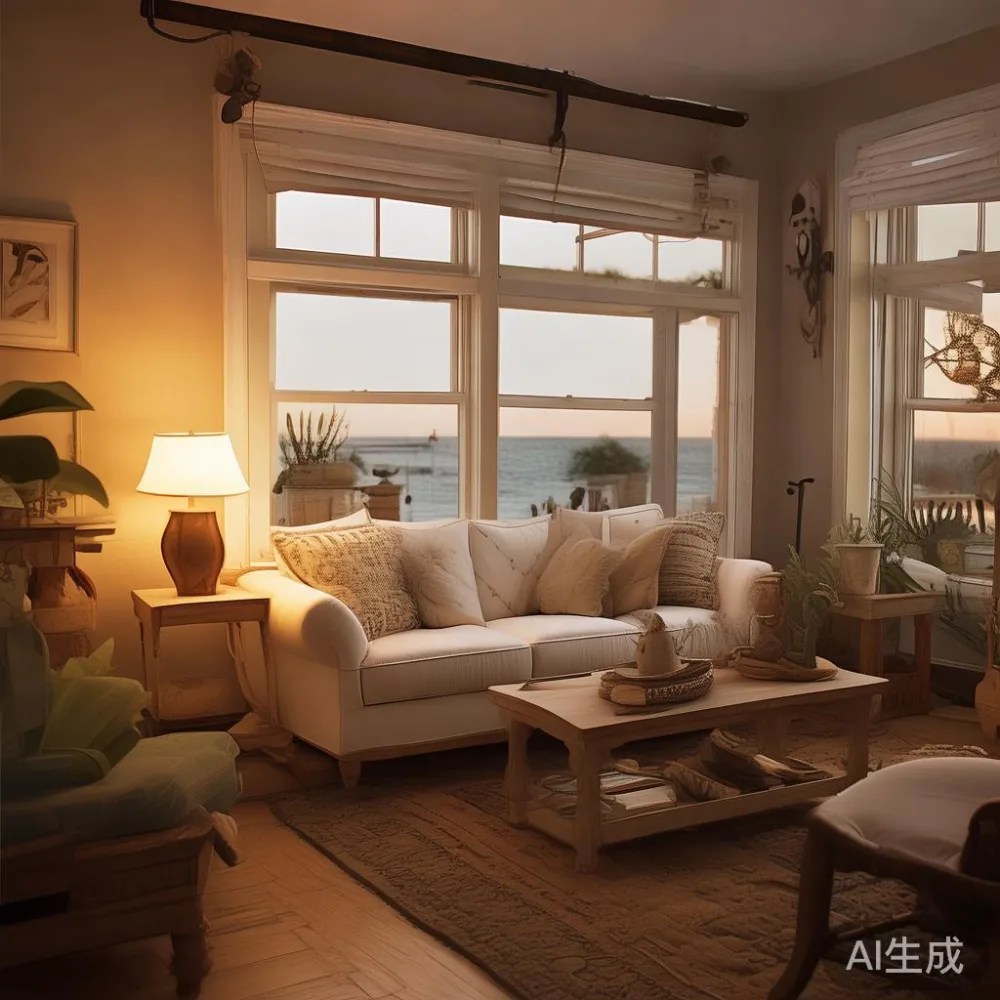
At MIDHILL, our coastal style collections pair pale tones, clean profiles and natural solid wood with a refined finish intended for everyday homes. Lacquer can protect the surface while preserving the visual lightness of French light luxury, American light luxury and post-modern light luxury. In Singapore, though, “light” should describe the design language, not the maintenance routine: humidity, sunlight, salt-rich air and frequent touching still need sensible care.
Why does lacquer behave differently in a tropical climate?
Humidity is the main reason lacquer deserves attention here. Singapore’s relative humidity often rises at night, and a room can hold moisture even when the air conditioner is running. Lacquer is less porous than unfinished timber, but heat and moisture can still affect the underlying wood, the edges of a panel and the transition between coated and uncoated areas. A wardrobe door may swell slightly; a dining table may show a faint ring; a lacquered bed frame may feel tacky if it receives direct afternoon sun.
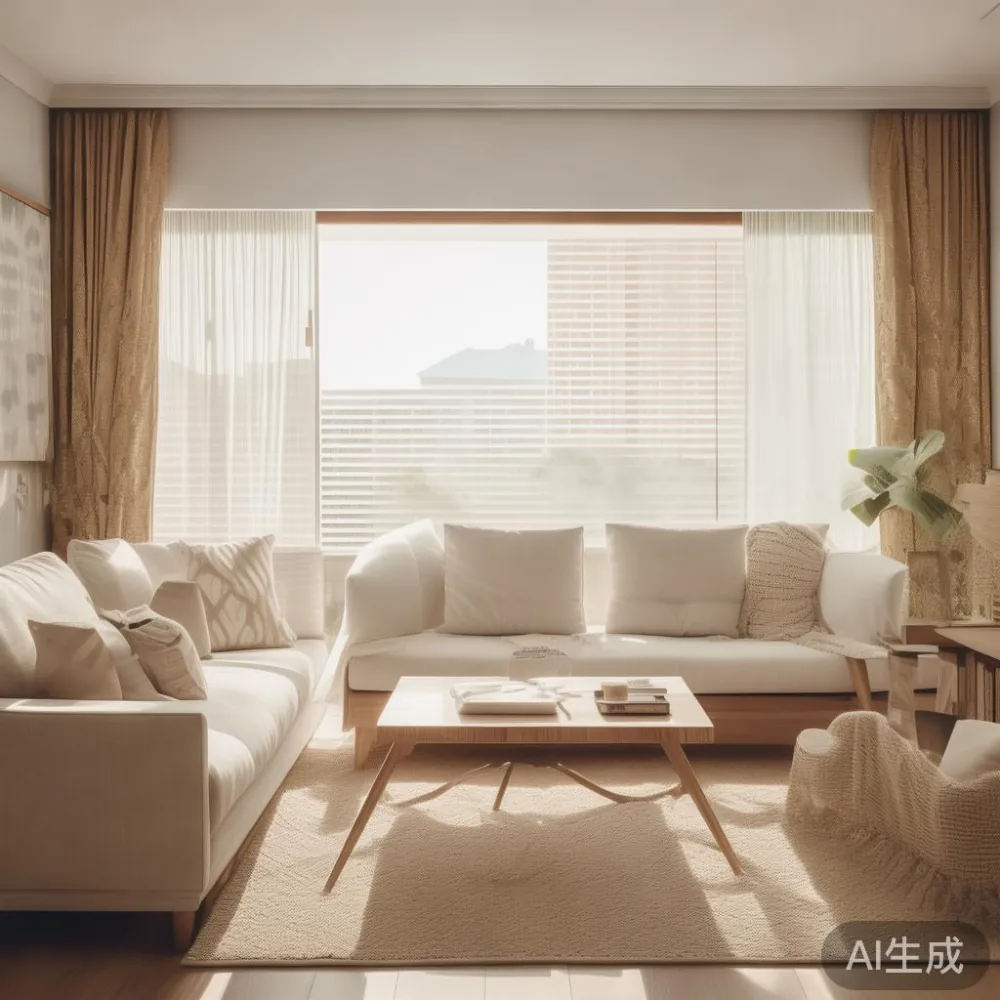
Temperature changes matter too. A HDB unit near the coast may experience stronger air movement than an interior condo room, while a west-facing balcony in Bedok can heat a surface above 35°C. Keep furniture away from air-conditioning outlets and direct sun where possible. Leave roughly 15 cm between a wall and a large cabinet if space permits, and use 30–50 cm of clearance behind a wardrobe for air to circulate. In a compact corridor, a slim nightstand or narrow dining table should not be pushed tightly against the wall.
Acidic drinks, oily hands and cleaning sprays create separate risks. Water can leave a temporary mark, lemon juice can dull a finish, and alcohol-based cleaners may attack some lacquer films. The safer rule is to wipe spills promptly and avoid letting a puddle sit for 10 minutes or longer. Do not assume that a glossy surface can withstand every household spray; test an unfamiliar cleaner on a concealed 5 cm by 5 cm area for 24 hours.
What should I use to clean a lacquered surface?
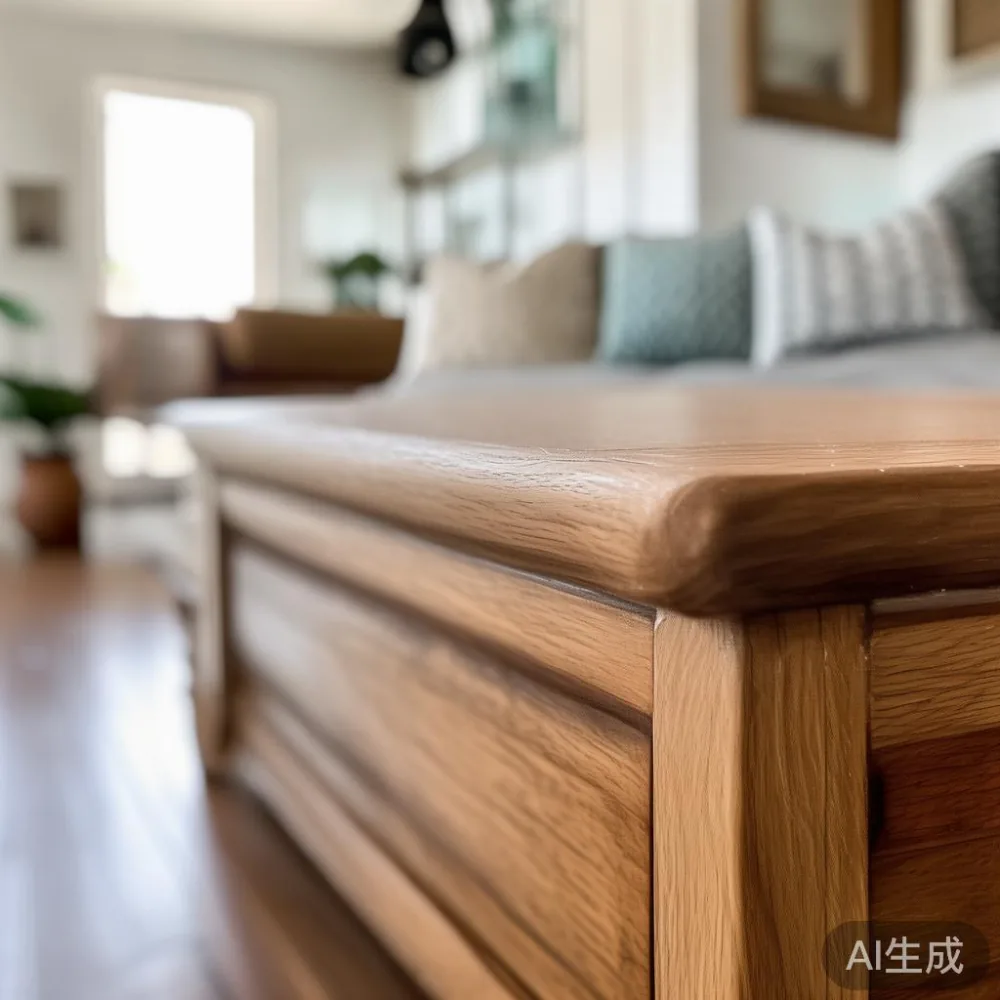
Start with a soft, lint-free microfibre cloth and plain lukewarm water. Wring the cloth until it is damp, not dripping. Test the temperature on the furniture first: if it feels hot on your wrist, it is too warm for the finish. Wipe in the direction of the grain or along the panel, using light pressure. A second dry cloth removes moisture and helps prevent water marks.
For routine cleaning, dilute a small amount of mild dish soap in a bowl of water. Use about 1 teaspoon for 500 ml, mix it thoroughly and apply the solution to the cloth rather than the furniture. After wiping, use a clean damp section to remove residue, then dry immediately. Avoid abrasive pads, scouring powder, steel wool and rough dishcloths. They can create fine scratches that become more visible under the warm ceiling lights of a condo living room.
Do not use bleach, ammonia, acetone, paint thinner, furniture polish containing silicone, or aerosol wax unless the lacquer manufacturer specifically approves it. Silicone can create a hazy film and interfere with future refinishing. If you use a commercial cleaner, follow its dilution instructions exactly and repeat a 24-hour patch test. A bottle size of 500 ml is enough for repeated local use, but the label matters more than the bottle size.
For a marble table, keep the care process separate from timber lacquer. Use a pH-neutral stone cleaner, avoid vinegar and citrus, and dry the top after every use. A coaster with a diameter of 8–10 cm is useful for a warm mug or glass. Do not drag a chair across the floor; fit 8–12 felt glides beneath the legs to protect both floor and furniture.
How do I remove fingerprints, dust and small marks safely?
Dust weekly with a dry microfibre cloth. A compact electrostatic duster can collect particles from a lacquered nightstand, but do not press it hard against a high-gloss panel. For fingerprints, lightly dampen the cloth with water and touch the mark for 2–3 seconds rather than scrubbing. Follow with a dry pass from the front edge toward the back.
For a fresh stain, lift it gently with a clean white cloth. If a residue remains, use a barely damp cloth with diluted mild soap. Do not use a knife, blade or nail scraper on lacquer; those tools can cut through the film in one movement. A soft eraser designed for art paper may lift an accidental graphite mark, but use it gently and stop if the surface becomes shiny.
Last month I visited a family’s Tampines HDB flat after their dining table had been exposed to a humid season and a few meals. The table had a pale lacquered finish in a coastal style dining room, with a 90 cm wide top and 75 cm clear height. We removed two water rings with a damp cloth and a small amount of diluted soap, then let the table air-dry for 45 minutes with the nearby window open and the ceiling fan on low. The marks disappeared without sanding or harsh chemicals. The lesson was simple: intervene early, dry fully and keep airflow moderate.
Do not place hot cookware directly on a lacquered dining table. Use a heat-resistant trivet, keep it at least 5 cm from the edge, and let a hot vessel cool before wiping beneath it. For a solid wood bed frame, avoid dragging bedding hooks across the headboard. For a solid wood sofa, lift cushion covers rather than pulling hard at seams; a 2 cm stitch allowance can be damaged by repeated force.
How often should lacquered furniture be maintained?
A simple schedule works well: dust every 7 days, wipe high-touch areas every 2–4 weeks, and inspect for marks every 3 months. During humid weeks, wipe a lacquered wardrobe handle, nightstand top and dining table with a lightly damp cloth every 7–10 days. Do not over-wipe; excessive moisture can leave a dull film or encourage swelling at joints.
Use coasters and placemats with a minimum width of 35 cm and 30 cm respectively. Place a solid wood sofa or bed frame away from direct windows where possible, or apply a UV-filtering film that blocks at least 40% of visible light. In a Punggol condo with large windows, curtains can reduce direct sun while preserving a bright coastal style mood. Open blinds during the brightest hours, then adjust them as the sun moves.
Inspect movement doors every 6 months. A wardrobe door should close without force, and its edge should not catch on the frame. Check that a dining table’s protective feet remain flat and that a nightstand is not rocking on a 2–3 cm uneven area. Tightening hardware can prevent a minor alignment issue from becoming a larger lacquer problem.
Consider a professional assessment if a mark does not respond to gentle cleaning after 2 attempts, if the finish peels over an area larger than 2 cm square, or if a panel feels damp for more than 24 hours. Deep scratches, lifting edges and water damage need inspection rather than home treatment. Photograph the area from 3 distances, record the measurements and send clear images to the supplier or refinisher.
Can furniture delivery and installation affect the finish in Singapore?
Yes. A lacquered surface can be marked before it reaches the home. Measure the lift door and corridor first, not only the room. Allow a minimum of 5 cm clearance around a carton if possible, and note the narrowest passage in centimetres. In many older HDB buildings, a sofa carton may pass through a 90 cm opening but need careful turning at a 100–110 cm landing. Check the route before delivery day.
Protect corners with soft blankets and keep cardboard dry. Do not leave furniture inside a lift lobby for more than 30 minutes without coordinating with building management. Stairwells and corridors should remain passable, especially where residents use walking sticks or wheelchairs. A delivery team that treats a narrow route as a shared space protects both the furniture and the building.
For a condo, check the loading bay reservation, parking rules and service lift booking. Confirm whether GST is included in the quoted price. Singapore’s 9% GST applies to most new furniture sales, so a listed item at SGD 2,900 becomes SGD 3,161 after tax if the seller shows the tax separately. Ask for the final payable amount, including delivery, assembly and GST.
Allow 7–14 delivery days for many local orders, although stock, building access and custom sizing can change the schedule. A customer choosing a sofa for a Modern for small living room layout should measure the lift, doorway and intended seating area before ordering. For a bed frame, check the mattress size, turning radius and headboard height; for a wardrobe, confirm door swing and internal drawer clearance.
MIDHILL gives a 10-year structural warranty and supports lifetime refinishing for qualifying products, which can be useful when a well-used surface needs attention years after delivery. The 14-day returns policy gives buyers time to inspect a piece in their own space. Requests over US$350 qualify for free shipping under the stated policy, but Singapore buyers should still confirm the exact cross-border terms, taxes and delivery charge before payment.
What questions should I ask before choosing lacquered furniture?
Ask whether the lacquer is water-based, solvent-based or part of a factory-applied system, and request the care instructions in writing. Confirm which parts are lacquered and which are exposed solid wood. A dining table may have a lacquered top with an untreated underside; moving it through a humid corridor without lifting can expose the less protected surface.
Ask how scratches will be handled. A light scratch under 5 cm may be treated differently from a peeled corner, and a finish may need a colour-matched repair rather than a generic polish. For a marble table, request the stone sealer schedule and the approved cleaner. For a nightstand, check whether the top is solid wood veneer or lacquered solid wood, and for a bed frame, ask about headboard finish and moisture-control guidance.
Design choice also affects care. French light luxury often uses restrained curves and pale upholstery, so dark fingerprints on a cream sofa frame can be distracting. American light luxury commonly combines solid timber with generous proportions, while post-modern light luxury may use cleaner lines and mixed materials. Choose a palette that suits your routine: if children or pets are frequent, a slightly darker finish may hide small marks, but it still needs the same maintenance discipline.
For storage-heavy rooms, Mid-century modern with storage is a useful design direction, and a customer asking is Mid-century modern wardrobe worth it should compare usable internal dimensions, shelf spacing and door clearances—not only the visual style. Similarly, if you are considering how to style Japandi wardrobe in room, coordinate the pale finish with simple storage, soft lighting and uncluttered surfaces so the lacquer has space to breathe.
When browsing inspiration, french sofa gallery photos can help with scale and finish selection, but lighting changes colour. Compare at least 3 images taken under daylight and warm artificial light before choosing a tone. Ask for a physical sample whenever possible, especially for a coastal style room where white, sand, pale oak and mist-blue finishes may look different under home lighting.
Can a lacquered surface remain beautiful through Singapore’s seasons?
Yes, with a measured routine and realistic expectations. Keep liquids off the finish, respond to spills within 10 minutes, dust every 7 days, check windows and air-conditioning vents, and avoid abrasive products. Give coated panels time to acclimatise when furniture arrives: leave them in position for 24 hours before tightening every screw, then check alignment again after 48 hours.
For a coastal style interior, pair pale lacquer with natural fibres, simple ceramics and breathable textiles, but do not assume the room is low-maintenance. Singapore’s humidity will still reach furniture through doors, windows and shared air. A well-maintained solid wood sofa, bed frame, dining table, wardrobe, nightstand or marble table can age with a controlled patina rather than a neglected one.
For buyers comparing a best Italian light luxury sofa for 2026, focus on dimensions, finish care, frame construction and after-sales support rather than a slogan. Check the seat depth against your HDB living room, the sofa’s turning route against the lift, and the cushion density through a 10-minute sit test. Confirm delivery days, GST, returns and refinishing terms before paying.
A lacquered surface is a practical finish, not a promise that no mark will ever appear. The safer approach is to remove dust, moisture and stains before they settle, protect hot objects, maintain airflow and arrange professional help when damage exceeds a simple wipe. Those habits keep coastal style furniture graceful through humid days, shared corridors and everyday family life.