Coastal Style in a Small HDB Flat: How to Furnish Without Crowding the Room
Last month I visited a 75 sqm three-room flat in Punggol that had been decorated almost entirely in coastal style. White walls, woven rattan baskets, a pale oak dining table under a rattan pendant. The interesting bit: four adults could stand in the living room without shoulders touching, and the wardrobe in the master bedroom still swallowed a full-size wardrobe's worth of clothes. Nothing felt cramped, nothing felt stripped. That single unit is the reason I keep coming back to coastal as the friendliest vocabulary for tight Singapore floor plans, where lift landings in Tampines, Bedok and Punggol measure roughly 1.1 m wide and 2.0 m deep, and a poorly angled sofa can stall a delivery faster than a Bukit Panjang traffic jam.
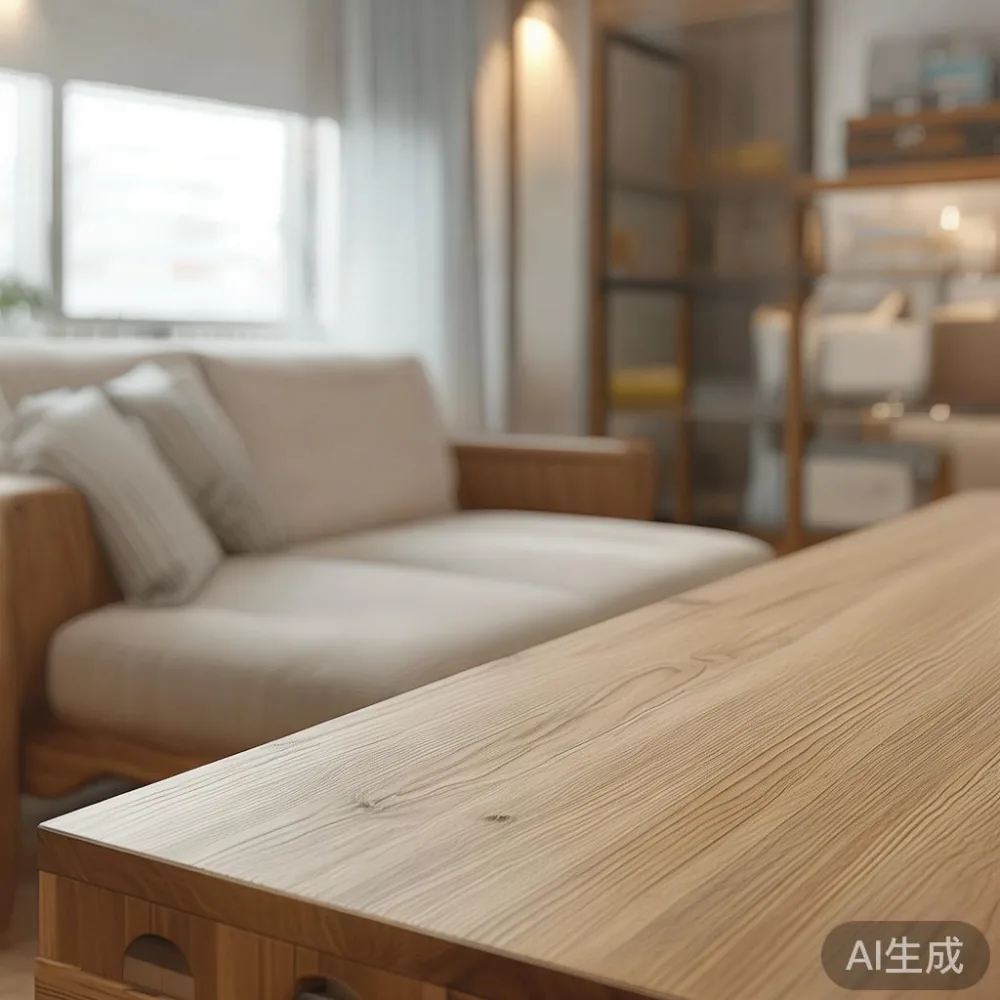
This guide pulls together what I have learned about how to style Japandi sofa in apartment layouts from 40 sqm to 110 sqm, the kind sold beside MRT stations between Bedok Reservoir and Tampines West. Specific measurements, a few SGD figures, and a couple of pieces I would actually order sit ahead. I will keep a single thread of coastal style running through every section, because coastal pulls off something rare in a 4-room flat: it reads open, breezy and un-fussy even when the meters run out.
Why coastal style is the most forgiving choice for compact HDB layouts
Coastal style leans on lightness rather than stuff. Pale timber, linen weaves, white or sand walls, a single greyscale accent. Two generations of Tampines interiors later, this is the design language that consistently leaves a room breathing.
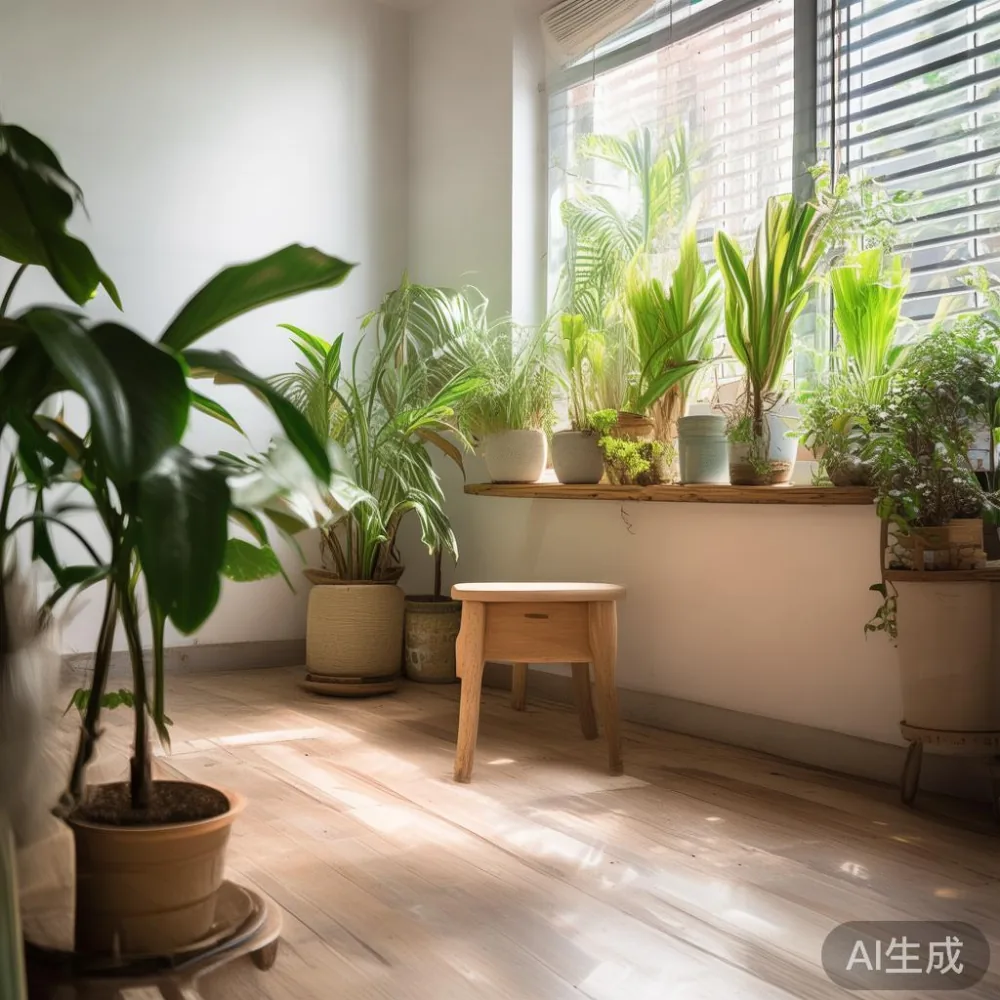
The math helps explain it. In a 45 sqm two-bedder the average living room is 3.2 m by 3.6 m, ceiling 2.6 m. If you push a 2.4 m L-shape sofa flush to the wall you keep a 1.5 m walk-through to the balcony door. Replace that sofa with a 1.8 m three-seater of shallow 88 cm depth and the same room keeps a 1.9 m clear lane. That spare 40 cm is the difference between a stroller rolling past the coffee table and the same stroller kissing the corner.
Why it works for our climate: Singapore sits between 24°C and 34°C ten months a year. The cool palette of coastal style keeps a room from reading warm even when the walls face afternoon sun. Whitewash oak reflects more light than teak or walnut, so a 90-lumen floor lamp does the work of a 130-lumen one. If your landlord leaves you with a dark laminate floor, a pale 200 cm by 290 cm wool-blend rug (about SGD 320 from local floor-stockists) lifts the centre of the room by half a tone.
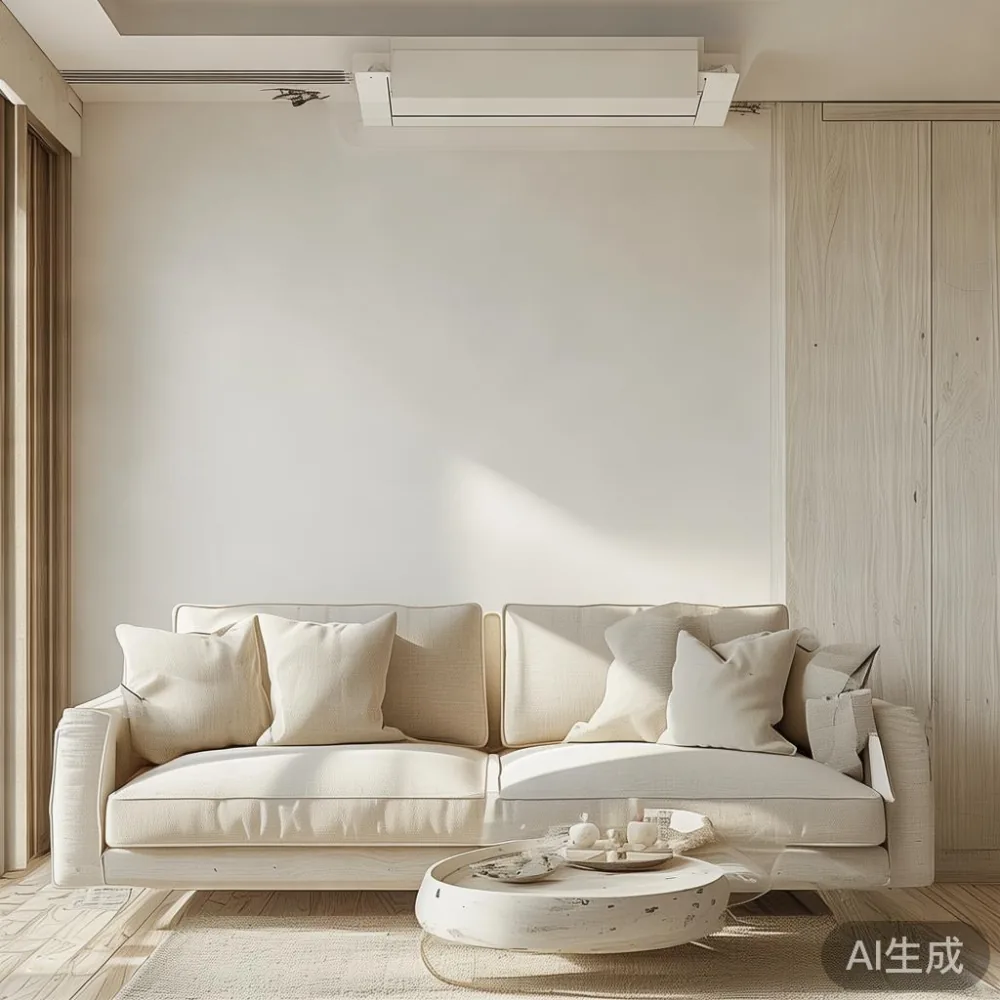
I have watched designers in Bedok swap a heavy walnut sideboard for a slim white-oak version and gain 18 cm of legroom. They also got lighter handles, fewer mouldings and a quieter silhouette, which is exactly the silhouette coastal style wants you to commit to.
What counts as coastal style in 2026 furniture catalogues?
Coastal style in 2026 has moved past the striped-curtains version and now borrows from American light luxury: simple millwork, slim profiles, muted hardware in brushed nickel rather than brass. You see it on solid wood beds with low headboards, on four-poster frames stripped of ornament, on dressers where only the legs carry detail. The vocabulary lines up with what we now call European light luxury accent chairs and Italian light luxury dressing tables, where the ambition is restraint, not glint.
For a 1.5 m wide wardrobe in a 3.2 m master, that translates to:
- frame in solid rubberwood or ash, 2.0 cm thick sides, painted off-white or pale eucalyptus wash
- shaker or slab fronts, no raised moulding
- two long drawers at the base to replace a chest
- matte nickel D-pulls 96 mm apart, never ornate
- hardwood legs lifting the carcass 12 cm off the floor so cleaning stays easy
When people ask about the best Rustic wardrobe for 2026, they usually mean a coastal-leaning rustic: warm white, slightly hand-scraped oak veneer, visible open shelving rather than glass doors. Skip the knotty-pine barn look. Knotty pine fights coastal palette and darkens a small room. If your heart wants rustic grain, keep it to one piece, maybe a dining table, and balance it with painted joinery elsewhere.
The same restraint shapes seating. A coastal solid wood sofa in 2026 sits on turned or square oak legs about 14 cm tall, with arms no higher than 65 cm and cushions in stonewashed cotton or linen-cotton blends. Foam density around 28 kg/m³ keeps the seats from sagging after two humid monsoon seasons. For a 2 m by 1.8 m corner, a 1.6 m two-seater with a swivel accent chair reads roomier than a chunky 2.2 m three-seater. Most local sofa ateliers deliver in 14 to 21 working days from Jurong or Tai Seng factories.
How to pick a sofa, bed and dining table that fit lift landings and corridor widths
Singapore HDB corridors are 1.5 m wide from wall to wall, lift doors open at 0.9 m wide by 2.0 m tall. Measure both before you fall in love with a sofa. A 2.2 m long frame will not pivot at the top of a Bedok North car park stairwell. Anything above 2.0 m should be modular or delivered in two pieces.
Rules I apply to every Tampines or Punggol project:
- Sofa length 1.6 m to 1.9 m. Fits a standard HDB lift at a diagonal up to 1.95 m if you remove the legs. Below 1.6 m feels under-scaled for a couple sharing a 90 sqm unit.
- Coffee table width 60 cm to 80 cm, length 90 cm to 110 cm. A 50 cm square reads cute for a year, then unhelpful. A 90 cm by 50 cm oval keeps the walkway open.
- Bed frame 1.5 m wide for queen, 1.8 m for king. Anything wider pushes the bedside nightstand into the wardrobe doors. Coastal bed frames with low footboards help free the path.
- Dining table for four 120 cm by 70 cm, for six 150 cm by 80 cm. Add 60 cm of clearance all round. A round 110 cm table sometimes fits where a rectangular one will not.
- Wardrobe depth 55 cm to 60 cm. Below 55 cm hangers bind against the door. Above 60 cm steals floor area.
Marble tables get special handling. A 120 cm by 70 cm marble dining top weighs roughly 78 kg with the base. Two movers, trolley, and a ground-floor lift are required on delivery day. Most Jurong workshops charge SGD 80 to SGD 150 for a coastal-style marble side table (around 45 cm by 45 cm, 7 kg) including basic doorstep delivery, which is usually free above SGD 350 spend, otherwise around SGD 25 to SGD 40 within mainland Singapore. Marble needs coasters and a wipe-down after kopi-O spills; budget a SGD 18 stone sealer every eight months.
What about wardrobe storage in a 3 m by 3 m master bedroom?
That is the question I get every week, and it is the one that decides whether the room feels like a hotel suite or a storage cupboard. The answer is to pick a wardrobe taller than the ceiling feels, slimmer than your eyes expect, and lighter in tone than the rest of the wood.
A 200 cm tall, 180 cm wide wardrobe in coastal style fits a couples' hanging plus six drawers plus two shelves, where a 220 cm unit cramps the same room. Skip the sliding-door style unless your door swings into the bed. Hinged doors open 110 cm and need that space, while sliding doors add 4 cm to the depth that you do not have. If hinged is impossible, choose a 210 cm tall unit with a single sliding panel and two drawers below. Doors ride on soft-close, which is an SGD 80 to SGD 200 upgrade but worth it for a 10-year structural warranty.
If you want a piece that anchors the room without stealing it, look at an MIDHILL French provincial wardrobe finished in chalky eucalyptus over ash veneer. Two long drawers, two hinged doors, slightly curved cornice. At 190 cm tall by 160 cm wide it tucks inside a 3.2 m wall, leaves room for a 50 cm wide nightstand each side, and the soft close hinges stay quiet at 1 a.m. when someone is heading out for a pre-dawn shift.
Is Japandi the same as coastal, and can I mix the two?
Japandi is the Japanese-Scandinavian hybrid: low profiles, raw oak or ash, paper-lantern lighting, futon-friendly sofas. Coastal is the American-East-Coast reading of the same palette: shiplap walls, linen drapes, driftwood finishes. They share so much that people often confuse them. The easy rule: if a piece has visible grain and zero ornament, it works in both. If a piece is bright white with brushed nickel hardware, it leans coastal. If it is hot-ash with black steel, it leans Japandi.
What I do for a single room: commit to one base, then let the other show up in two places. A coastal bedroom can carry a low, ash bed frame plus a single linen futon chair in the corner, and that futon is the Japandi accent. A Japandi living room can carry a pale oak coffee table plus a woven rattan storage basket, and that basket is the coastal accent. People often search for how to style Japandi sofa in apartment settings and forget that a Japandi sofa is just a coastal sofa missing two cushions. Keep the palette dry, the lighting warm, and the wood tone consistent.
A stool, a cabinet door, a tray, those are the three accents where the mismatch can live without the room looking confused.
Where do modern light luxury pieces actually sit in a coastal apartment?
Modern light luxury furniture is a term I had to look up three times before it stuck. It refers to pieces that cost a touch more than mass-market but show their finish: dovetailed drawers, hand-rubbed lacquer, marble with book-matched veining, and upholstery with feather-wrapped foam. They sit well in coastal homes because coastal is already pared back, so a single showpiece reads louder. A coastal room without showpieces still works; a coastal room with one strong piece reads designed.
Where to deploy:
- An Italian light luxury dressing table with a marble top (a 100 cm version around SGD 1,650 shipped from Foshan via local stockists). Pair with a 70 cm rattan stool, not a velvet ottoman, to keep the room honest.
- An European light luxury accent chair in oatmeal boucle, legs in brushed brass. Drop one in the corner facing the window, not the TV. It gives the eye somewhere to rest.
- A hand-finished solid wood bed frame with a tall channel-tufted headboard in bone linen. Bed frame delivery runs 21 to 35 working days for custom orders and 5 to 10 days for stocked coastal ranges, with a 10-year structural warranty typical of midhill's catalogue.
One piece per room is the cap. Two showpieces start to feel styled to the inch. Mix modern light luxury furniture with the lighter coastal wood, linen and cotton pieces, and let the textures do the contrast for you.
How do I keep the apartment feeling open after six months of living in it?
This is the question only past owners ask, because the empty-showroom version is easy. Real life piles up: motorbike helmets, walking sticks, Seletar mall shopping bags, three sizes of suitcases from the last Bangkok trip. The trick is to keep the visual margin between ceiling and the tallest piece, and the visual margin between floor and the lowest visible plinth, intact.
I tell clients in Bedok and Punggol to lift every piece on visible legs of at least 12 cm. Furniture that touches the floor visually lowers the ceiling by 30 percent. A storage bench on legs reads lighter than the same bench flush to the floor; it also lets a robot vacuum slide under. A coastal-style sofa on 14 cm oak legs feels modern light luxury and saves back pain when sweeping.
Cushions, throws, baskets, lamps, all of these are adjectives, not nouns. They add about 5 percent to room area. Three cushions on a 2 m sofa versus seven is a 12 percent cushion density difference, but to the eye it is the difference between a coastal apartment and a HDB that gave up. Keep it tight.
Paint choices matter as well. A 45 sqm flat painted in China White (a warm off-white from most local paint brands, around SGD 22 for a 5 L tin) opens up the same room by a full visual stop. Skip feature walls. In a small apartment a feature wall draws the eye inward instead of out. If you want colour, paint the inside of an open wardrobe: a pale eucalyptus green (think Farrow and Ball's Treron, mixable locally for SGD 45 a litre) sits beautifully between white walls and oak floors.
Will a coastal-style solid wood set hold up in Singapore humidity?
Rubberwood, ash and white oak all tolerate humidity between 60 and 80 percent, which is the year-round Singapore range. The risk is movement: drawers that stick in March, doors that warp in August. Two practices keep pieces tight.
First, kiln-drying at 8 to 10 percent moisture content, which any workshop exporting to the US and EU markets will already meet for customs clearance. Ask for the data sheet. Second, a wipe-on polyurethane or hard wax oil that seals both faces of every panel. Cheap laminates skip this on the inside faces, which is why they cup after the second monsoon season. Solid wood sofas from midhill's coastal range use mortise-and-tenon joinery on the frames and a spray-and-wipe conversion varnish on the visible surfaces, which keeps touch-up cheap and refinishing possible across decades.
I keep a small glass jar with 100 ml of touch-up oil at SGD 12 in the utility drawer. Five minutes every quarter and the dining table looks new. The lifetime refinishing programme that comes with coastal solid wood furniture from major Foshan factories means a single SGD 0 to SGD 80 service call can sand out a clumsy holiday stew stain after three years, the kind of stain that ends a laminate table.
A 1.8 m solid wood dining table runs about SGD 1,280 to SGD 2,400 in coastal style, a 1.5 m solid wood bed frame SGD 980 to SGD 1,850, a 160 cm coastal wardrobe SGD 1,400 to SGD 2,600, and a solid wood nightstand SGD 220 to SGD 480. Marble side tables sit at SGD 380 to SGD 720. Add a 5 to 10 percent buffer for delivery into a Punggol unit on the 12th floor and corridor pivots, and you can plan a full primary bedroom set in coastal style for under SGD 6,500 before GST.
Final placement notes from a Tampines three-room project
The Punggol flat I mentioned at the start ended up with a 1.8 m coastal solid wood sofa, a 110 cm by 60 cm marble-and-oak coffee table, two rattan dining chairs flanking a 120 cm by 70 cm whitewash dining table, and a 1.6 m wide ash wardrobe with two drawers in the master. Total floor footprint of all upholstery and joinery: 7.4 sqm inside an 18 sqm living-dining. The same family had previously owned a heavier walnut set that took 9.6 sqm and left the room feeling cramped.
The whole kit was delivered from a single Foshan workshop with two stops in Jurong, totalled SGD 5,820 excluding 9 percent GST, arrived inside 18 working days including a long-weekend, and came with a 10-year structural warranty plus the lifetime refinishing option. Three months on, the family still photographs the living room at golden hour because the room actually catches golden hour light now, rather than swallowing it.
If you are starting from scratch, sketch the room to scale on graph paper (1 cm to 25 cm), tape out your largest piece on the floor, and live with the empty footprint for a week before committing. Coastal style rewards patience. The lighter the starting palette, the more the room gives back to the people living in it. And if a single piece feels too heavy after a week, it is too heavy forever.