The True Cost of Style: Veneer vs Solid Wood Over 5 Years
Choosing furniture for a Singaporean home is a decision that blends aesthetic desires with practical realities. The space constraints of HDB flats in Tampines, the corridor widths in Bedok condos, and the lift dimensions in Punggol developments all play a role. Beyond the initial purchase price, the real cost of a piece of furniture unfolds over years, encompassing durability, maintenance, and replacement. This long-form article provides a detailed 5-year cost comparison between two common materials: veneer and solid wood, helping you make a more informed investment for your living space.
Understanding the Materials: Solid Wood and Veneer
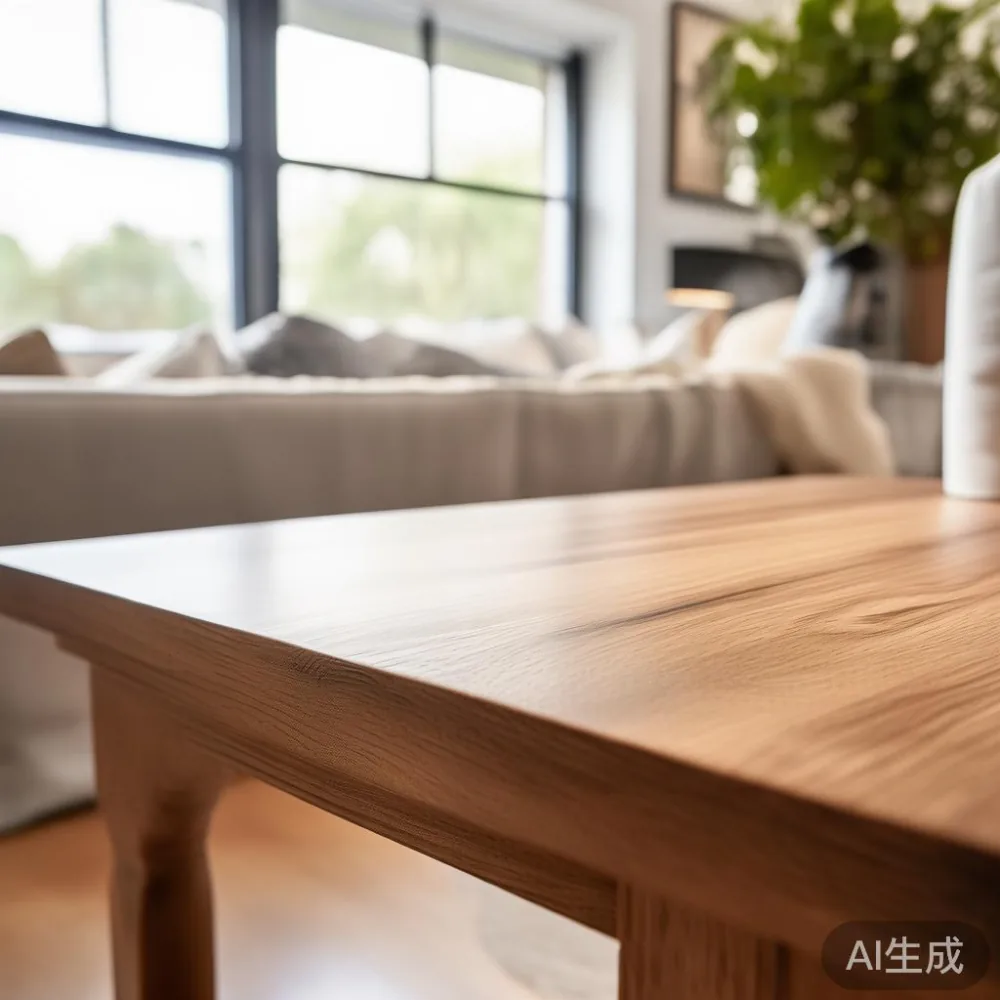
Solid wood furniture, as the name implies, is crafted from a single, solid piece of lumber or solid wood planks joined together. This could be oak, teak, walnut, or a lighter wood like pine. The beauty of solid wood lies in its natural grain, texture, and its ability to be refinished multiple times, allowing it to last for generations. A solid wood sofa frame or a solid wood bed frame is built to be the core of your home for decades.
Veneer, on the other hand, is a thin layer of real wood applied over a base of engineered wood like MDF (Medium-Density Fiberboard), plywood, or particleboard. The base provides stability and shape, while the veneer layer offers the appearance of solid wood at a lower cost. While a well-made veneer piece can look beautiful, its longevity is fundamentally tied to the quality of its base material and the thickness of the veneer layer.
The 5-Year Financial Breakdown: A Singaporean Perspective
Let's put these materials to the test with a hypothetical scenario. We will compare a 3-seater sofa, a dining table, and a wardrobe—common purchases for any Singaporean home. All prices are in Singapore Dollars (SGD) and include the prevailing 9% Goods and Services Tax (GST).
Initial Purchase Cost (Year 0)
Solid Wood Furniture:
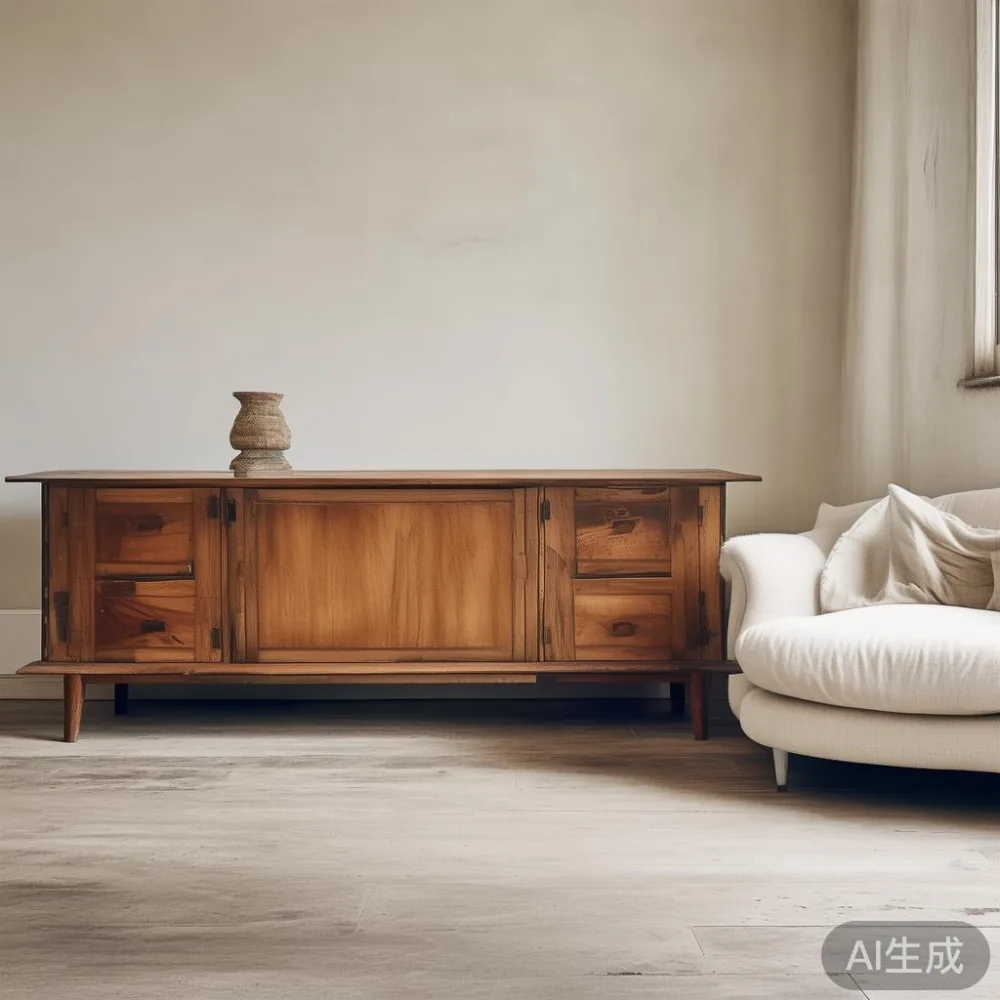
- Solid Wood Sofa: SGD 3,800 (e.g., a coastal style sofa with light oak finish)
- Solid Wood Dining Table: SGD 2,500 (seats 6, with marble inlay)
- Solid Wood Wardrobe: SGD 2,200 (standard 2-door, 150cm wide)
- Total Initial Cost: SGD 8,500
Veneer Furniture:
- Veneer Sofa: SGD 1,800
- Veneer Dining Table: SGD 1,100
- Veneer Wardrobe: SGD 900
- Total Initial Cost: SGD 3,800
At the outset, veneer furniture appears significantly more affordable, offering a saving of SGD 4,700. For many, this lower entry point is a strong draw.
Year 1-2: The honeymoon period
Both sets of furniture will likely look good. The veneer pieces may have a perfectly smooth, uniform finish. The solid wood pieces will show their natural character, with subtle variations in grain and colour. No major maintenance is required. The only cost is the initial purchase.
Year 3-4: The first signs of wear and tear
This is where the materials begin to diverge in performance. In a humid climate like Singapore, moisture is a constant factor.
Veneer Experience:
The humidity can cause the engineered wood base to absorb moisture. This may lead to swelling, particularly at the edges of the veneer. The veneer itself can start to lift or bubble. A common issue is the delamination of the thin wood layer from its MDF base. Repairing this is often difficult and costly, sometimes requiring a complete re-facing or replacement of the affected panel. A veneer dining table might develop a permanent watermark ring that cannot be sanded out. The structural integrity of a veneer wardrobe might also be compromised if the base warps.
Solid Wood Experience:
Solid wood is more breathable and stable. It may experience minor seasonal expansion and contraction, but it is far less prone to catastrophic failure. The finish might show some signs of use, such as minor scratches on the solid wood sofa or a dulling of the surface on the dining table. These are superficial issues. A colleague of mine, who lives in a Bedok condo, noticed his 5-year-old solid wood nightstand had some faint marks on its surface but the structure was as solid as the day he bought it.
Year 5: The crossroads of repair or replace
By the fifth year, the cost comparison becomes stark.
Veneer Furniture Scenario (Replacement):
The veneer sofa may have sagging cushions and a compromised frame. The veneer on the wardrobe doors could be peeling, and the dining table surface may be damaged beyond simple repair. The initial savings are now a sunk cost. The homeowner is faced with a new purchase. The cost of replacing the veneer set in Year 5 would be another SGD 3,800, factoring in inflation. The total cost of ownership over 5 years is now SGD 7,600.
Solid Wood Furniture Scenario (Refinishing):
The solid wood furniture, while showing signs of a lived-in life, is fundamentally sound. The solid wood bed frame is still sturdy. The solid wood sofa frame is intact. The dining table, perhaps with some light scratches, is structurally perfect. Instead of replacement, the homeowner opts for refinishing. This involves sanding down the existing finish and applying a new protective coat. The cost for refinishing the sofa, dining table, and wardrobe is approximately SGD 800. The total cost of ownership over 5 years is the initial SGD 8,500 plus the refinishing fee of SGD 800, totaling SGD 9,300.
While the total cost for solid wood is higher, the furniture has been completely restored to near-new condition. The veneer set, on the other hand, has reached the end of its viable lifespan.
Is Veneer Furniture Ever a Good Choice in Singapore?
For some homeowners, veneer furniture can be a practical choice, especially for items that are less frequently used or in a guest room. A veneer bookshelf or a decorative side table might serve its purpose well for many years without heavy wear. The key is understanding its limitations: it is less resistant to humidity and impact and cannot be refinished. If you are looking for a coastal style that is more temporary or for a rental property, veneer might suffice. However, for daily-use items like a dining table or a main sofa, its long-term value is questionable.
How to Choose an American Bed for Your Singaporean Bedroom
When selecting a bed, the choice between materials is critical. An American bed frame, often characterised by its low-profile platform design or grand upholstered headboards, benefits immensely from a solid wood construction. The weight and stability of a solid wood frame ensure it does not wobble or creak under the stress of daily use. A veneer version might look similar initially, but the constant movement and Singapore's humidity could lead to the joints loosening and the veneer cracking over just a few years. Investing in a solid wood American bed frame means investing in peaceful, uninterrupted sleep for years to come.
The Long-Term Value of Coastal Style Solid Wood
Coastal style is more than just an aesthetic; it's a philosophy of creating a light, airy, and relaxed living space. This style often features natural materials like light-coloured woods, linen, and cotton. A solid wood bed frame in a whitewashed oak finish is a cornerstone of this look. Unlike its veneer counterpart, a solid wood piece ages gracefully. It develops a patina, a story of life lived, which adds to its character. This ability to evolve with your home is a value that veneer simply cannot offer. The initial investment in solid wood for your coastal style home is an investment in a future-proof, timeless design.
Practical Considerations for Singaporean Homes
Beyond cost, practicality is key. The dimensions of your living space matter. A solid wood dining table is often heavier, but its sturdiness means it won't wobble when you lean on it during a lively family dinner. A veneer table might feel lighter initially, but a loose joint can become a major annoyance. When considering a wardrobe, the internal structure is paramount. Solid wood drawers and rails can hold significant weight without sagging, a common failure point in cheaper veneer wardrobes. For those in HDB flats, the durability of solid wood furniture means it can withstand the occasional move or rearrangement without falling apart.
Light Luxury and the Enduring Appeal of Solid Wood
The concept of light luxury, whether it's French, American, or post-modern, focuses on quality, comfort, and understated elegance over ostentatious display. This ethos aligns perfectly with solid wood furniture. A French light luxury vanity, for instance, gains its charm from the fine craftsmanship of its solid wood construction and the natural beauty of its marble table top. A post-modern light luxury sofa derives its sophistication from clean lines and high-quality solid wood legs and frame. These pieces are not just furniture; they are curated investments in your home's environment. They offer a sense of permanence and quality that is the hallmark of true light luxury.
Customer Question: What About the Cost of Delivery and Returns?
Many customers ask about the logistics of purchasing larger furniture items like a solid wood sofa or wardrobe. Reputable companies understand the challenges of Singapore's urban landscape, from working through narrow HDB corridors to scheduling deliveries for high-rise condos. A good purchase policy can significantly offset the initial cost difference. For example, some brands offer free shipping for orders over SGD 350, which is easily met with a single solid wood piece. A 14-day return policy provides peace of mind, allowing you to inspect the furniture in your home to ensure it fits your space and meets your expectations before committing. These services add tangible value to the ownership experience.
Final Thoughts on Investment
The 5-year comparison reveals a clear picture. While veneer furniture offers a lower initial price point, its lifespan is often limited, leading to a higher total cost of ownership through frequent replacements. Solid wood furniture, with its higher upfront investment, offers unparalleled durability. The ability to refinish a solid wood sofa or dining table extends its life for another decade or more, making it a more sustainable and economically sound choice in the long run. For creating a home that truly reflects your style and stands the test of time, solid wood is the wiser investment.