Coastal Style, Humidity, and Your Solid Wood Furniture: A Singapore Owner's Guide
I still remember the afternoon I walked into a Tampines HDB corner unit along Tampines Street 86 to inspect a customer's three-year-old oak dining table. The owners had splashed out on what looked like a lovely piece when they moved in: a 200cm solid oak table, four chairs, and a matching sideboard, all in a pale coastal style finish. Three years of air-conditioning later, one of the table leaves had a 3mm gap from the runner, two chairs had hairline cracks along the back slats, and the sideboard door was rubbing against the frame by 1.5cm. None of these problems came from bad craftsmanship. All three came from humidity in Southeast Asia doing exactly what humidity does to wood.
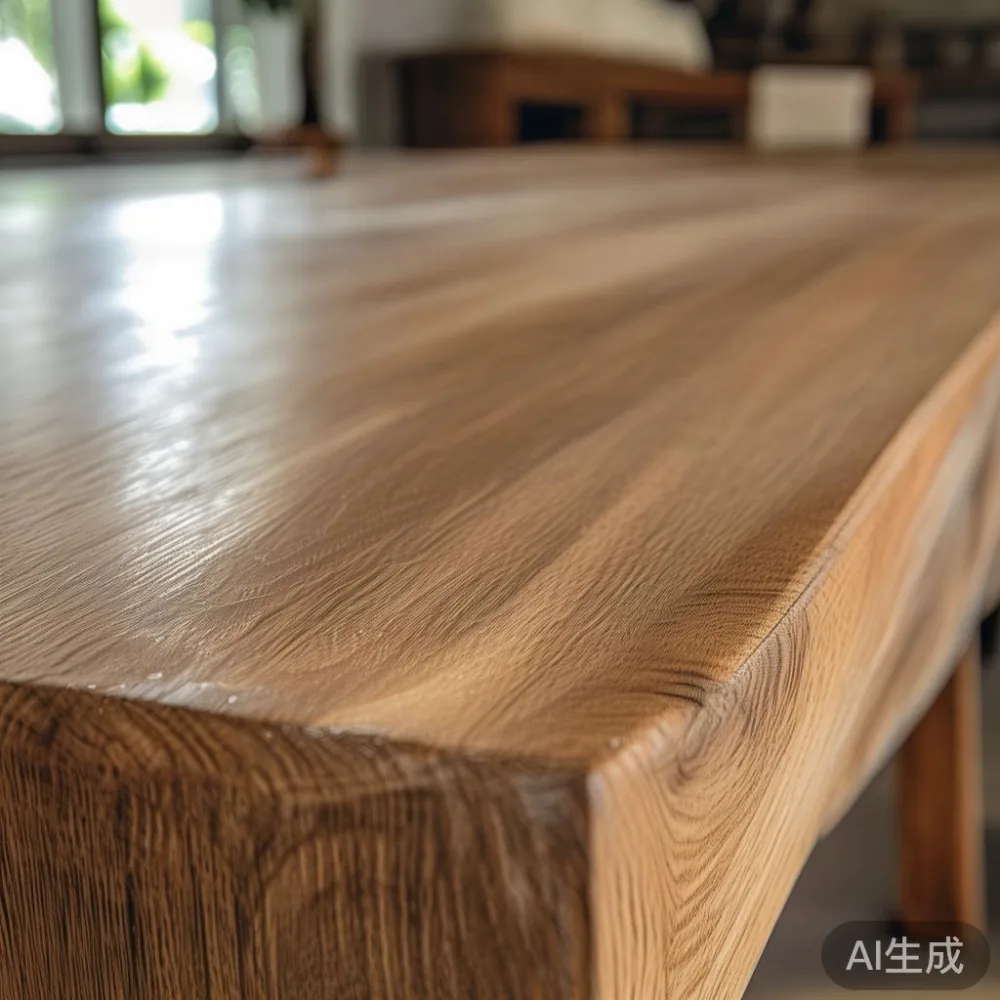
This is a guide I wish that family had before they bought. It is written for anyone in Singapore furnishing a 90 sqm HDB flat in Bedok, a 1,200 sqf condo in Punggol, or a landed house in Serangoon Garden, who has fallen in love with the calm, washed-oak, linen-and-rattan look of coastal style furniture. We will talk about why our climate is unusually aggressive, what it actually does to a solid wood sofa frame, bed frame, dining table, wardrobe, or nightstand, and what realistic steps you can take so the piece still looks good in 2030, not just in 2026.
What humidity in Singapore actually looks like on a calendar
Most people I speak with in Singapore think the answer is "air-conditioning." Air-conditioning matters, but it is only half the story. The other half is the swing. Outdoor relative humidity in Singapore sits between 65% and 95% across the year. Indoor, with the compressor running all night, your living room can drop to 45% by 3am. By lunchtime, with doors open for the laundry man, the same room climbs back past 75%. That is a 30-point swing inside a single day, repeated 365 times a year.
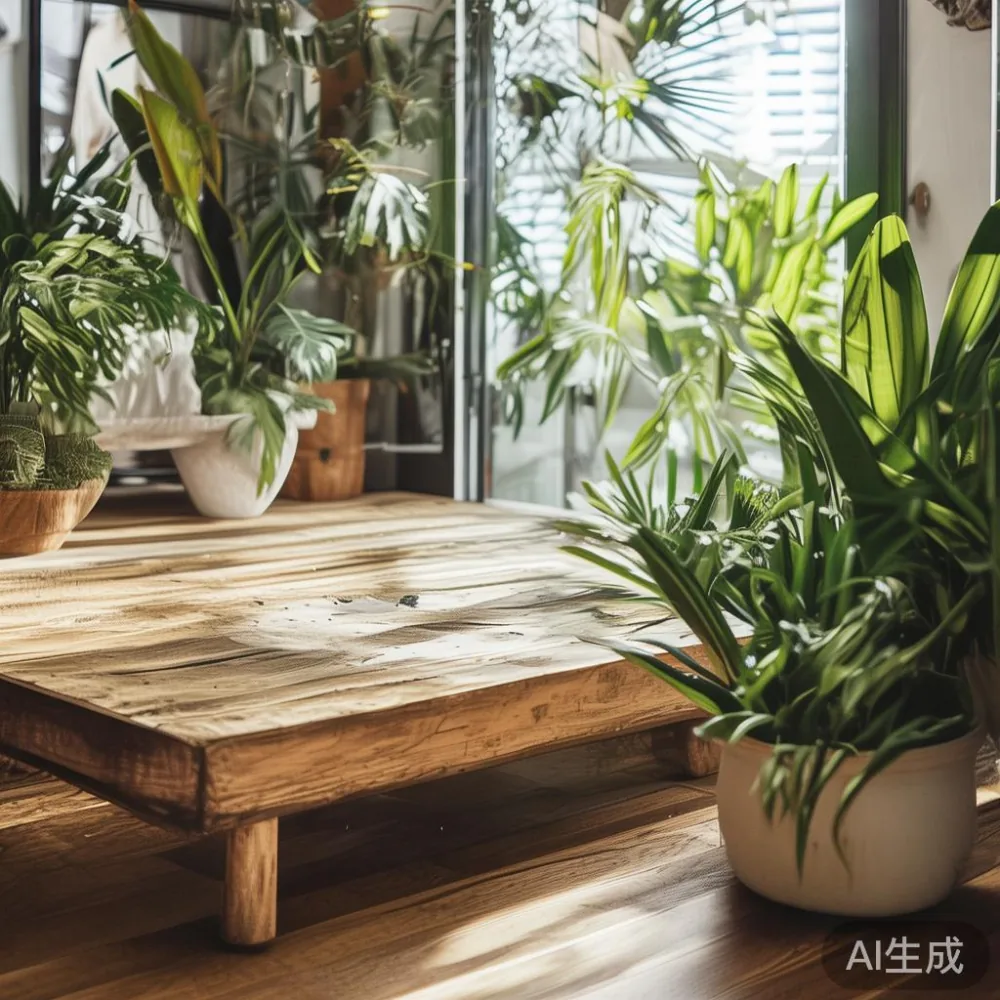
For solid timber, a 30-point daily swing is the worst possible pattern. Wood does not react to absolute humidity; it reacts to change. A stable 70% is far kinder to a solid wood dining table than a rollercoaster between 45% and 80%. Engineered boards handle the swing better, which is why cheap flat-pack wardrobes survive our climate. Solid wood, the material your coastal style dream wardrobe is made from, is honest and it moves.
I keep a small datalogger in my own apartment in Punggol. Over the past month, the bedroom has recorded a low of 48% at 4am (after seven hours of air-con at 24°C) and a high of 82% at 6pm after a thunderstorm. That is a real 34-point swing in a single day, in a flat with the doors closed. Now imagine the same swing, every day, for ten years, in a piece of solid ash or solid oak. The cumulative movement adds up.
Why coastal style furniture reacts so visibly to our climate
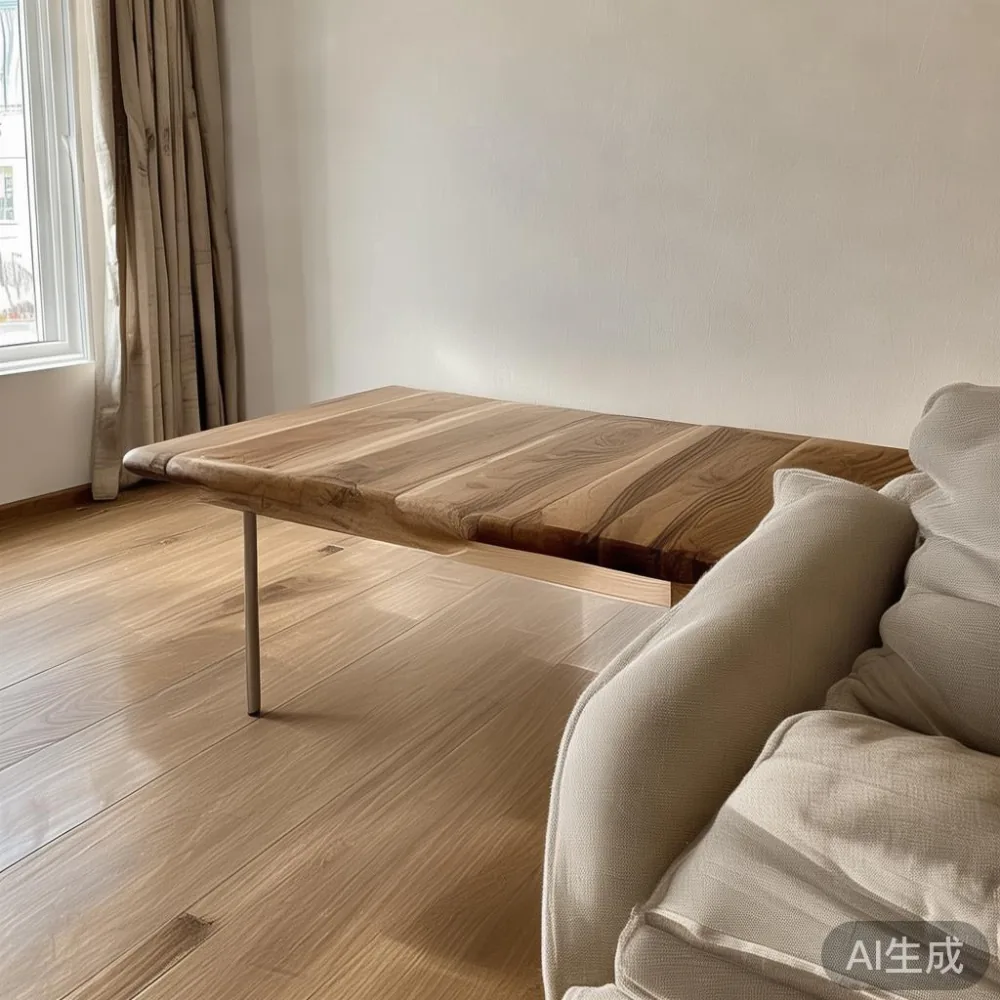
Coastal style, by design, is built from pale, low-density timbers with thin finishes. Think whitewashed oak, driftwood-grey ash, natural teak with a matt oil, or a light-walnut bed frame with a barely-there lacquer. The aesthetic relies on the grain showing through, which means the protective layer is usually only 0.05mm to 0.15mm thick. That is the thickness of three sheets of printing paper.
Compare that to a dark Jacobean walnut sideboard sealed with seven coats of hand-rubbed shellac. That 0.6mm shell will keep moisture out for decades. It will also hide any movement behind its deep amber colour. The coastal style approach is the opposite: thin finish, pale timber, visible grain, soft sheen. It is beautiful, but it is also a finish that needs your active help to survive in our climate. A modern European light luxury furniture piece in pale oak from a Foshan workshop will arrive in Singapore looking immaculate, and it will stay that way only if you understand what is happening underneath.
Three things tend to happen to a pale coastal style piece here. First, the surface goes slightly milky or hazy in patches when humidity climbs above 85% for a week or more. That is the finish absorbing microscopic moisture and refracting light differently. Second, gaps open and close at the joints. A 180cm dining table can grow by 4mm in January and shrink by 4mm in July. Third, the panels in wardrobe doors cup very slightly inward during the wet phase, which is why your wardrobe door starts rubbing against the frame by 1mm to 2mm.
Will a piece of bed frame or wardrobe actually crack in Singapore?
Yes, but rarely in the first year. The cracking I see in clients' homes is almost always in pieces that are three to seven years old. The pattern is consistent: a hairline crack, 5cm to 20cm long, running along the grain on a flat panel. The usual culprits are headboards on bed frames, the sides of wardrobes, and the tops of nightstands. The crack appears on the panel face, not at a joint, which tells me it is a humidity issue, not a glue issue.
A hairline crack is not a defect; it is wood behaving like wood. Solid timber has been moving for 80 million years and it is not going to stop because it is now in a Punggol condo. The good makers design for this. At MIDHILL, for instance, the panels in their wardrobes are built with a 2mm expansion gap hidden inside the frame, so the panel can swell without splitting. Cheaper pieces skip this step, and that is when cracks appear. When you are comparing a European light luxury sofa vs modern sofa in pale coastal finishes, ask the same question about the cabinetry: does the panel float inside the frame, or is it glued edge-to-edge?
What about the lift access and corridor widths in older HDB blocks?
This is the question nobody asks until the delivery van arrives. I visited a client last month in a Bedok HDB along Bedok Reservoir Road, block 632, built in 1986. The lift opening was 80cm wide, the lift car was 110cm deep, and the corridor bend at the 7th floor had a 90-degree turn with only 130cm of clearance. Their new 200cm dining table, in its crate, was 215cm long. It would not go in. The family had to pay an upholstery hoist to the house via the service balcony.
Coastal style suites tend to be sold in long, low pieces. A dining table runs 180cm to 220cm. A wardrobe often comes in 220cm to 240cm lengths. A solid wood sofa frame with a chaise can run 280cm. Before you buy, measure the lift opening, the corridor turn, and any fire doors. Most HDB lift openings in Singapore are 90cm wide by 210cm with clearance doors. Most condo service lifts are wider, often 110cm by 240cm, but the turn at the corridor is the real test. If the longest piece is more than 200cm, ask the seller to confirm the packed dimensions. MIDHILL, for example, ships flat-pack wardrobes in two 120cm cartons for this exact reason, so they fit older HDB lifts without a special hoist.
How should I treat a coastal style piece once it is inside my home?
Treat it like a leather handbag. A leather bag in Singapore survives because the owner wipes it down, conditions it, and does not leave it in a wet car. Solid wood in a coastal style finish wants the same level of small, regular attention. Here is the routine I give my clients.
Keep the room between 50% and 65% relative humidity. A small dehumidifier in the bedroom costs S800 to put a 200 sq ft room in a stable 55% range. A hygrometer costs S20 and tells you when the room has crept outside that range. For a piece like a solid wood bed frame or a 180cm dining table, the cheapest upgrade you can make is the hygrometer.
Wipe the surface once a week with a dry microfibre cloth. Never use a wet cloth, a steam mop, or a polish that contains silicone. Silicone-based polishes build up a film that traps moisture underneath and turns the finish cloudy after a few months. If the surface looks dry after two or three years, a single coat of hard wax oil, applied with a lint-free cloth, will refresh the surface. Budget 200ml of oil per dining table, applied with a 30cm foam brush, at a cost of about S35 per coat.
Keep the piece 30cm outside the wall. Pushing a wardrobe flush to the wall traps moisture behind it and stops the back panel from breathing. I see this mistake in nearly every Tampines and Punggol flat I inspect. Pull the wardrobe 30cm forward and you give the back panel the same airflow as the front.
Avoid direct afternoon sun through the windows. The west-facing windows in a Punggol Waterway condo can hit 45°C on the surface of a nightstand by 3pm, even with curtains drawn. That localised heat dries the surface faster than the underside, and you get a hairline crack within two years. A simple linen curtain, hung 20cm inside the glass, drops the surface temperature by 8°C to 10°C.
What about marble tables and mixed-material pieces in a coastal setting?
Coastal style is not only wood. A marble table is a common partner piece, especially a small 90cm round side table in Carrara white or a 120cm rectangular coffee table in light Emperador. Marble reacts to Singapore humidity in a different way. The polished surface does not move, but the stone is slightly porous and will absorb oils, wine, and coffee within 30 seconds if not sealed.
Ask for marble that has been factory-sealed with a penetrating sealer. A 120cm round marble table should arrive with a 0.2mm seal layer that gives you 10 to 15 minutes of spill time instead of 30 seconds. Re-seal the top once every 18 months with a S45 bottle of penetrating sealer, applied with a clean cloth, left for 20 minutes, then buffed dry. Avoid marble cleaners that contain citric acid; they strip the seal in two washes.
For a Japandi for small living room layout in a 60 sqm HDB flat, the same logic applies. A small 80cm marble bedside piece paired with a pale oak bed frame gives you a coastal style reading without overwhelming the room. Both materials need the same stable humidity range and the same weekly wipe-down.
How long should a quality coastal style piece actually last in Singapore?
A well-made solid wood sofa frame, bed frame, dining table, wardrobe, or nightstand from a maker who understands Southeast Asia should give you 12 to 20 years of daily use before any structural work is needed. A 10-year structural warranty on frames and joints is realistic at this level. Lifetime refinishing, where the maker will sand and re-oil the surface in their workshop, should be offered as standard for pieces over S$1,800. A reputable maker will quote S$280 to S$450 per dining table for a full refinish, with a 14-day workshop cycle. That refinish, every 8 to 10 years, is what keeps a coastal style piece looking new in 2036.
Pricing in Singapore for a full coastal style suite, with a 200cm dining table, six chairs, a 220cm wardrobe, a 180cm bed frame, and two nightstands, runs from about S$5,800 for engineered-and-solid mixed construction, up to S$14,000 for full solid European oak or ash from a Foshan workshop with FSC-certified timber. Add roughly S$450 for GST, S$80 to S$220 for delivery outside central Singapore, and S$0 for lift access if the packed pieces fit your lift and corridor. Free shipping kicks in above roughly US$350, which works out to about S$480, so the full suite clears that threshold without much effort.
Where can I see and feel the finish before I commit?
Always insist on a showroom visit or a 7-day at-home sample. A 20cm square sample of the actual timber, with the actual finishing coat, in your own bedroom for a week, is the only reliable way to judge how a coastal style finish will behave in your home. A 2026 European light luxury furniture collection shown on a phone screen under bright studio lighting will look very different under your own bedroom lamp at 9pm.
If a piece arrives and the finish feels slightly rough, or the colour reads colder under your lights than under the showroom spots, that is information. Send it back within the 14-day return window. A S$60 to S$120 return-collection fee is standard for large pieces and is cheaper than living with a finish you do not enjoy for the next 12 years.
Is a coastal style solid wood suite really worth the money in Singapore?
For a family in a Tampines or Punggol flat who plans to stay at least eight years, yes. The pale oak, ash, and walnut tones are calmer on the eye than the dark rosewood and mahogany that dominated local furniture for decades, and they make a 90 sqm HDB feel larger than it is. The catch is that coastal style is honest. It will show humidity movement, it will show a small scratch, and it will ask you to wipe it down once a week. If you accept that contract, the piece will outlast three flat-pack wardrobes and still look good when your child starts secondary school.
A buyer comparing a best light luxury wardrobe for 2026 against a flat-pack system should weigh three numbers. The flat-pack price, often S$1,200 to S$1,800. The solid wood price, often S$3,200 to S$4,800 for the same internal dimensions. And the lifespan: roughly 6 years for the flat-pack, 18 to 25 years for the solid wood with refinishing. Over 20 years, the solid wood wardrobe works out cheaper per year of use, before you count the cost of two flat-pack replacements and two disposal trips.
What is the single most useful thing I can do this month to protect my existing pieces?
Buy a S$25 hygrometer, place it on the inside of your wardrobe door, and check it once a day for a month. After 30 days, you will know exactly how your home behaves between January and February, which is our driest stretch. If the wardrobe interior is reading below 45% for more than four hours a night, you are drying out the timber and a small humidifier on the lowest setting will fix it. If it is reading above 70% during the day, the room needs better ventilation or a dehumidifier cycle. One month of data beats ten years of guessing.
For anyone searching for sale European light luxury furniture that is genuinely built for our climate, the same rule applies. Pale oak from a workshop that understands expansion gaps, floating panels, and thin matt oil finishes will outlive the same product from a workshop that does not. Ask the seller how the panels sit inside the frames, what finish thickness they apply, and whether they offer refinishing in their own workshop. If the answers are vague, the piece is probably built for a different climate.
One last note for the weekend buyer
If you are walking through a Joo Chiat showroom this Saturday, run your hand across the underside of a dining table and the back of a wardrobe panel. The underside should feel smooth and sealed, not raw. The back panel should be a thin 8mm to 12mm plywood or solid panel, not cardboard. These two checks, costing you 30 seconds, will tell you more about how that piece will age in Singapore than any sales brochure. A coastal style suite built this way, kept in a 50% to 65% humidity range, wiped weekly, and refinished every decade, will outlast the lease on your flat and probably the next one too.