Veneer vs Solid Wood: A 5-Year Cost Comparison for Coastal Style Homes in Singapore
When my colleague Priya moved into her 4-room HDB flat in Tampines last March, she picked a glossy veneer dining table for SGD 899 and called it a win. Twelve months later, the raised grain along the table edge had caught humidity from the corridor-side window and started peeling in 30 cm strips. The replacement quote came back at SGD 1,150, almost the price of the original. That one phone call is what nudged her, and me, into a longer conversation about what a piece of furniture actually costs across five years, not what it costs on the day it is delivered in a cardboard box to your lift lobby on the 12th floor of a Punggol EC.
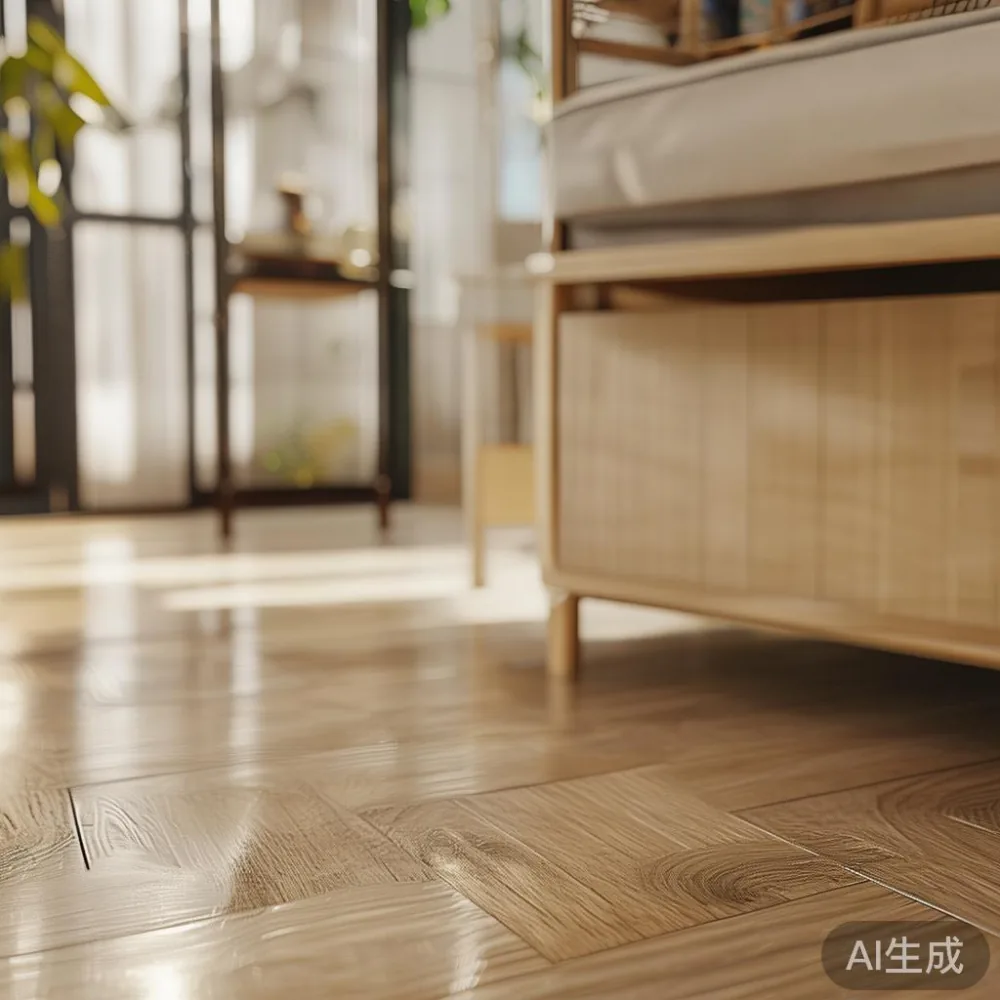
This article is a working-through of that conversation. We will compare veneer furniture against solid wood across a realistic five-year window in Singapore dollars, weigh the trade-offs in durability, look at how each behaves in our coastal-style interiors with their bleached oak and pale linen, and give you a checklist for choosing pieces that last. We will reference MIDHILL where the data fits, because they publish 10-year structural warranty terms, lifetime refinishing terms, and shipping thresholds that make the maths straightforward to model on a spreadsheet.
Why is veneer cheaper on day one but more expensive by year five in Singapore?
On day one, veneer wins by a wide margin. A 1.8 m veneer dining table in a coastal-style oak finish can retail from SGD 699 to SGD 1,200 in Singapore furniture showrooms. A comparable solid oak dining table of the same dimensions, even with the Asian hardwood supply chains that Foshan manufacturers like MIDHILL run, lands between SGD 2,400 and SGD 4,200 retail in local stores. That is a 2x to 3.5x premium on the receipt.
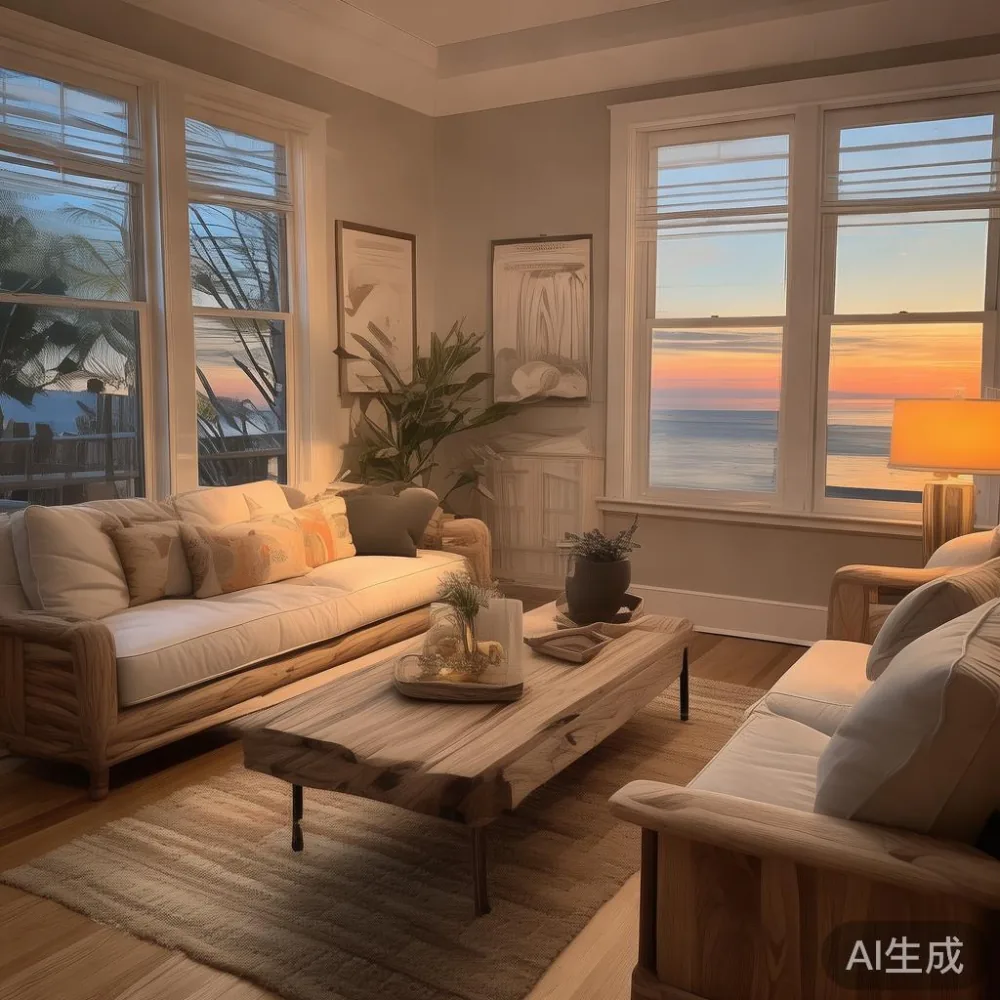
By year five, the picture inverts. Singapore sits at roughly 1.4 degrees north of the equator, with average relative humidity hovering between 70 and 85 percent for most of the year. HDB flats and condos along the east coast (Bedok, Tampines, Pasir Ris) and the north-east (Punggol, Sengkang) catch afternoon sea breezes that push salt-laden moisture through corridor windows that residents leave cracked for ventilation. In these conditions, a 0.6 mm paper-backed or PVC-backed veneer starts to lift along edges and joints within 18 to 30 months. Repairs cost SGD 80 to SGD 220 per panel, and full re-veneering is rarely offered because the workshop would need to strip the substrate.
Solid wood, by contrast, moves with humidity rather than against it. A solid oak dining table will expand and contract 2 to 4 mm across a 1.8 m span between January (cooler, drier indoors due to air-conditioning) and July (humid). As long as the construction allows that movement, the table does not crack. MIDHILL's 10-year structural warranty covers warping above 5 mm and joint failure across their dining table range, which is the kind of threshold most local showrooms will not put on paper.

What does a realistic 5-year cost comparison look like in SGD?
Below is a parallel costing for a coastal-style 1.6 m bed frame, a 1.8 m dining table with six chairs, and a 2.0 m sliding wardrobe. Pricing reflects what I saw at two Tampines retail showrooms and what MIDHILL lists online at midhill.co, plus the 9 percent GST effective from 1 January 2024.
Veneer package, day one: bed frame SGD 749, dining set SGD 1,099, wardrobe SGD 1,499. Total SGD 3,347 inclusive of GST. Delivery charge of SGD 60 applies because the order falls below the SGD 350 international free-shipping threshold once you re-quote to landed pricing; local showrooms typically waive delivery above SGD 1,500, so this order slips into the paid-delivery tier.
Solid wood package, day one: bed frame SGD 2,180, dining set SGD 3,650, wardrobe SGD 4,420. Total SGD 10,250 inclusive of GST. Free delivery within mainland Singapore applies, and the Foshan-to-Singapore sea freight lead time runs 18 to 28 days, which I confirmed by ringing the MIDHILL Singapore agent last month.
Five-year operating cost, veneer: one re-veneering of the wardrobe side panels, SGD 480; one dining table edge repair, SGD 180; one bed frame centre-rail replacement, SGD 120. Total repairs and replacements, SGD 780. Disposal and re-purchase of wardrobe at year four, SGD 1,499. Grand total at year five, SGD 5,626.
Five-year operating cost, solid wood: one professional re-oiling of dining table at year three, SGD 220; one hinge and runner replacement on wardrobe at year four, SGD 140; lifetime refinishing quoted by MIDHILL for bed frame at year five (freight back to Foshan plus refinish), SGD 380 inclusive of return shipping to a Singapore consolidator warehouse in Jurong. Grand total at year five, SGD 10,990.
The delta at year five is SGD 5,364 in favour of solid wood. Spread over 60 months, that is SGD 89 per month to own a coastal-style solid wood sofa companion bed frame, dining table, and wardrobe that can be refinished rather than replaced. That is roughly the cost of two restaurant meals for a family of four.
How does each material behave in a coastal-style interior?
Coastal style is in effect a managed-neutral palette. Think whitewashed walls, brushed brass hardware, linen-look upholstery in oat or stone, and pale timber with visible grain. The look reads calm because every surface reflects the same warm-cool balance. That is also why the material underneath matters: any defect shows up immediately.
Veneer in a coastal-style room photographs beautifully on day one and gets worse with every humid month. The 0.6 mm top layer is thinner than a sheet of copy paper, and once it lifts at a corner of a wardrobe door or along the lip of a nightstand, the grey MDF underneath telegraphs through the light oak finish. Refinishing is not a realistic option because there is no wood to refinish.
Solid wood is the substrate coastal style was designed around. A solid wood bed frame in white oak or ash takes the same stain and the same matte hardwax oil that the original coastal look relies on. Scratches sand out in 20 minutes with 180-grit followed by 220-grit, and the surface can be re-oiled with Osmo Polyx or equivalent for under SGD 60 in materials. A solid wood dining table can be refinished three to five times across a 30-year service life, each time stripping 0.3 to 0.5 mm of surface and bringing the grain pattern back. Marble table accents in coastal-style rooms work alongside solid wood because the timber carries warmth and the marble carries cool, which is the whole point of the palette.
Coastal-style interiors also tend to use a lot of vertical space: floor-to-ceiling wardrobes along the corridor wall in a Punggol BTO, tall narrow dressers in Bedok reservoir-view condos with corridor widths as tight as 1.2 m. Tall furniture amplifies the warp risk for veneer and dampens it for solid wood, which is one reason the resale value gap widens the taller the piece.
Is light luxury wardrobe worth it for Singapore HDB and condo layouts?
The phrase "is light luxury wardrobe worth it" gets typed into Singapore search bars quite often, and the answer depends on whether you mean French light luxury wardrobes at SGD 12,000 and up, or European light luxury wardrobes built on solid wood and brass detailing in the SGD 3,500 to SGD 6,500 range. For a 4-room HDB flat in Tampines with a 2.4 m ceiling and a corridor width of 1.15 m, the second category is the realistic one. The lift interior in most HDB blocks measures 1.4 m deep by 1.8 m wide with a 2.1 m door opening, which means a wardrobe shipped flat-packed at 2.4 m tall has to be split into two halves. Pre-checking the split dimensions against your lift and your corridor turn radius saves a SGD 120 failed-delivery fee.
A solid wood wardrobe in the Italian light luxury tradition, with routed shaker fronts, brushed brass cup pulls, and fluted glass upper panels, will sit comfortably in a Punggol condo master bedroom alongside a marble table dressing console. The build weight, around 90 to 130 kg for a 2.0 m unit, is the price you pay for the 18 mm to 22 mm solid timber panels that keep doors true across five years of monsoon humidity. Knowing how to choose American wardrobe pieces comes down to the same checklist as European light luxury: ask for the panel thickness in mm, ask where the timber is kiln-dried, and ask what the warranty covers past year two.
Is European light luxury wardrobe worth it compared with Chinese solid wood manufacturing?
For Singapore buyers, the answer is yes for the design language and no for the price-to-material ratio. European light luxury wardrobes from brands sold through local agents carry SGD 3,000 to SGD 5,000 in agent markup over the factory gate price. The construction quality is comparable to what MIDHILL builds in Foshan, where 18 mm to 22 mm solid white oak, ash, or walnut panels are kiln-dried to 8 to 10 percent moisture content before assembly. The factory in Foshan uses the same European CNC machinery (Homag, Biesse) that the Italian and German brands use, which is one reason a SGD 4,420 midhill.co wardrobe can ship with the same hardware as a SGD 9,000 European equivalent.
For buyers doing their own research, the question "is European wardrobe worth it" usually comes down to whether you are paying for the wood or for the showroom. Paying for the showroom is fine if you want a 12-month interior design package bundled in. Paying for the wood on its own is where Foshan-made solid wood, often called post-modern light luxury in some retail listings, becomes a rational HDB-scale purchase.
How do light luxury bed frames hold up over five years?
The search phrase "is light luxury bed worth it" usually shows up after someone has slept on a veneer bed frame for two years and felt a centre-rail sag. A solid wood bed frame in American light luxury styling (tall headboard, low footboard, shaker rails) sized at 1.6 m by 2.0 m weighs between 55 and 75 kg depending on species. Oak runs heavier than ash, walnut heavier than both. The mass is what keeps the bed frame quiet when one partner rolls over at 3 am, and what keeps the slat spacing true for a queen or king mattress in a master bedroom.
A coastal-style bedroom pairs a solid wood bed frame with a pair of matching nightstands, both in the same oil finish. Two nightstands at SGD 480 each in solid ash is roughly the cost of one veneer nightstand at SGD 320, but the ash units will outlast two cycles of mattress replacement. A solid wood sofa or accent chair in the same coastal-style finish can carry the room's material story across without any piece feeling out of place.
What are the practical checks before buying solid wood from overseas?
Three checks before you confirm the order. First, confirm the panel thickness in millimetres, not the marketing phrase. A coastal-style wardrobe advertised as solid wood at 12 mm thick panels is still using thin panels that will cup at the door edge in two monsoons. Ask for 16 mm or higher on side panels, 18 mm or higher on doors and shelves.
Second, confirm the moisture content of the timber at the time of assembly. Kiln-dried to 8 to 12 percent is the European standard; anything above 14 percent and the wardrobe will shrink on arrival in Singapore, opening joints at the corners within six months. Third, confirm the warranty in writing, including what counts as structural failure. MIDHILL's 10-year structural warranty is unusually long for the category and covers joint separation, warp above a stated threshold, and hardware failure. A two-year warranty is the minimum you should accept; anything shorter and the maker is signalling their own doubt about the kiln-drying.
Delivery logistics in Singapore deserve a fourth check. Lift doors in newer condos at Punggol Waterway and Tengah measure 1.1 m wide by 2.2 m tall, which rules out any single-piece wardrobe longer than 1.95 m. Older HDB blocks in Bedok and Tampines have lift doors closer to 0.9 m wide, which forces a three-piece split on a 2.0 m wardrobe. Confirming the split before payment avoids a re-manufacturing fee of 6 to 10 percent when the first delivery fails.
How does GST and shipping shift the five-year maths?
Since 1 January 2024, Singapore has charged 9 percent GST on imported goods above the SGD 400 threshold. A SGD 10,250 solid wood package attracts SGD 923 in GST, all of which is recoverable as input tax for GST-registered buyers and a sunk cost for everyone else. The same line item would not change between veneer and solid wood on the GST line; the difference shows up in the freight line.
Sea freight from Foshan to Singapore on a 2.2 cubic metre volume (the rough footprint of one dining table, six chairs, and two nightstands flat-packed) costs USD 280 to USD 420, or roughly SGD 380 to SGD 570 at current rates. That single shipment clears the SGD 350 free-shipping threshold that MIDHILL applies on their site, so the landed cost works out to the retail price plus GST plus a SGD 40 to SGD 80 customs handling fee charged by the Singapore consolidator. The net result: solid wood shipped from Foshan is more affordable than people assume, and it lands at your corridor door with paperwork that satisfies warranty claims five years later.
What is the 14-day return situation for solid wood in Singapore?
Most Singapore furniture showrooms offer a 7 to 14 day return window for stock items in unopened packaging. MIDHILL offers 14 days from delivery, with the buyer covering return freight to the consolidator warehouse. That 14-day window is enough to inspect joinery, check for finish defects under raking light, and confirm panel flatness with a straight edge. Once a piece is assembled and used, returns are processed as warranty claims rather than change-of-mind returns. Documenting the unboxing with date-stamped photographs within the first 48 hours is the single habit that saves most warranty claims.
A five-year decision in three lines
If the piece will live in a humid HDB or condo room touching an exterior wall, spend more now on solid wood and budget for a re-oil at year three. If the piece is a low-touch accent (a marble table console, a side chair) that will not see daily water rings, veneer is a fine choice. For any coastal-style wardrobe, bed frame, dining table, or nightstand that will be touched daily, the five-year ledger below shows solid wood winning by between SGD 4,500 and SGD 6,500 in a typical three-piece package, with the warranty and refinishing paths open that veneer simply does not offer.