Caring for a Lacquered Surface in a Tropical Climate: A Coastal Style Guide for Singapore Homes
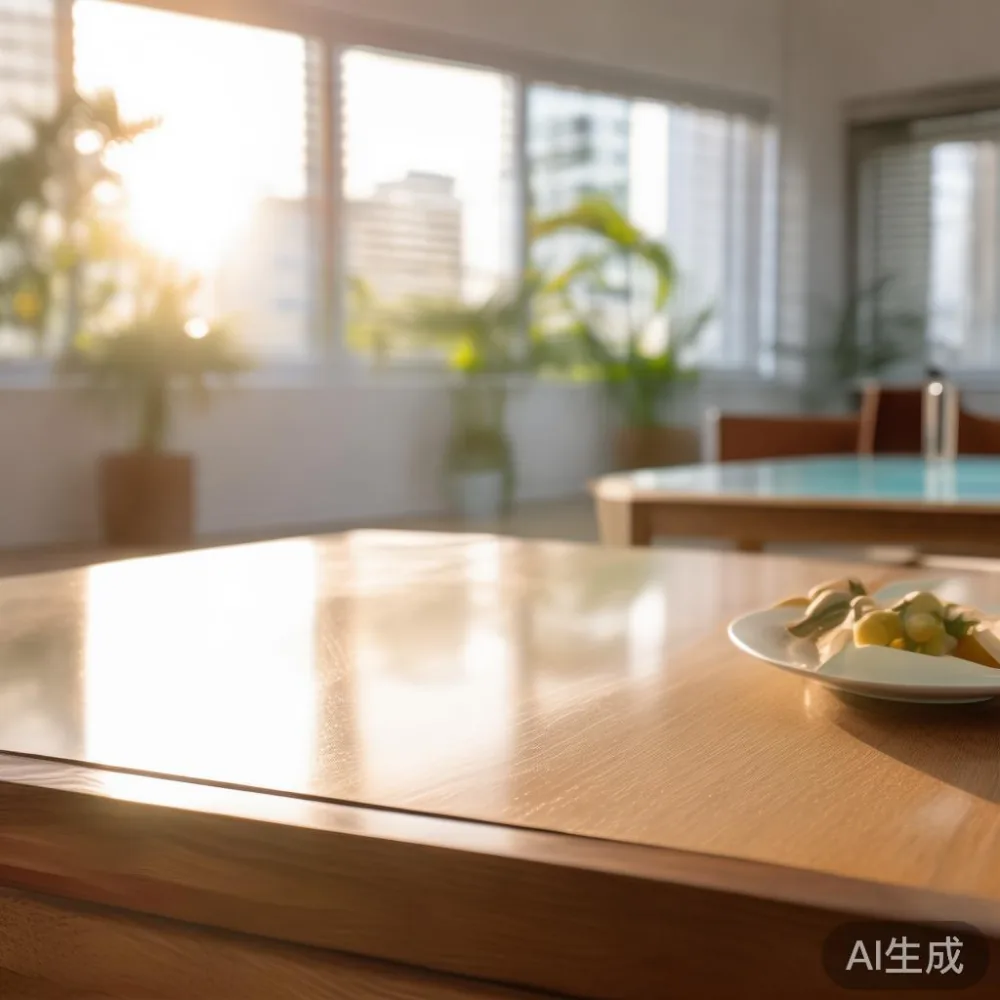
There is a particular kind of silence I love in a Tampines HDB living room at 6pm, when the ceiling fan is on low and the light from the corridor window catches a pale oak dining table. The grain looks almost white. The lacquer reflects a colour you cannot quite name. Most owners I speak with in Bedok, Punggol, and Toa Payoh spend the first month simply enjoying that look, and then somewhere around week six they send a panicked WhatsApp: there is a faint ring under a coffee mug, a corner has started to feel sticky, a drawer face looks dull. Tropical humidity does not damage lacquer outright. It works quietly, the way the monsoon works on a window frame, and by the time you notice, a small habit change would have prevented the mark. This article is the change list I wish I had printed and taped to my fridge when I first moved into a 95 square metre resale flat in Simei.
Why a tropical climate is genuinely different from a temperate showroom
A lacquered surface is a thin film of resin over solid wood. In a Foshan factory, that film cures at around 25°C and 50 to 60 percent relative humidity. Singapore sits at 28 to 33°C for most of the year, with relative humidity often between 70 and 90 percent from October through February. The resin does not absorb moisture the way unsealed oak does, but it does expand at a different rate than the wood underneath it. Over twelve to eighteen months that small mismatch can haze the gloss, soften the corners of a tabletop, or open a hairline crack along a mitre joint on a wardrobe door.
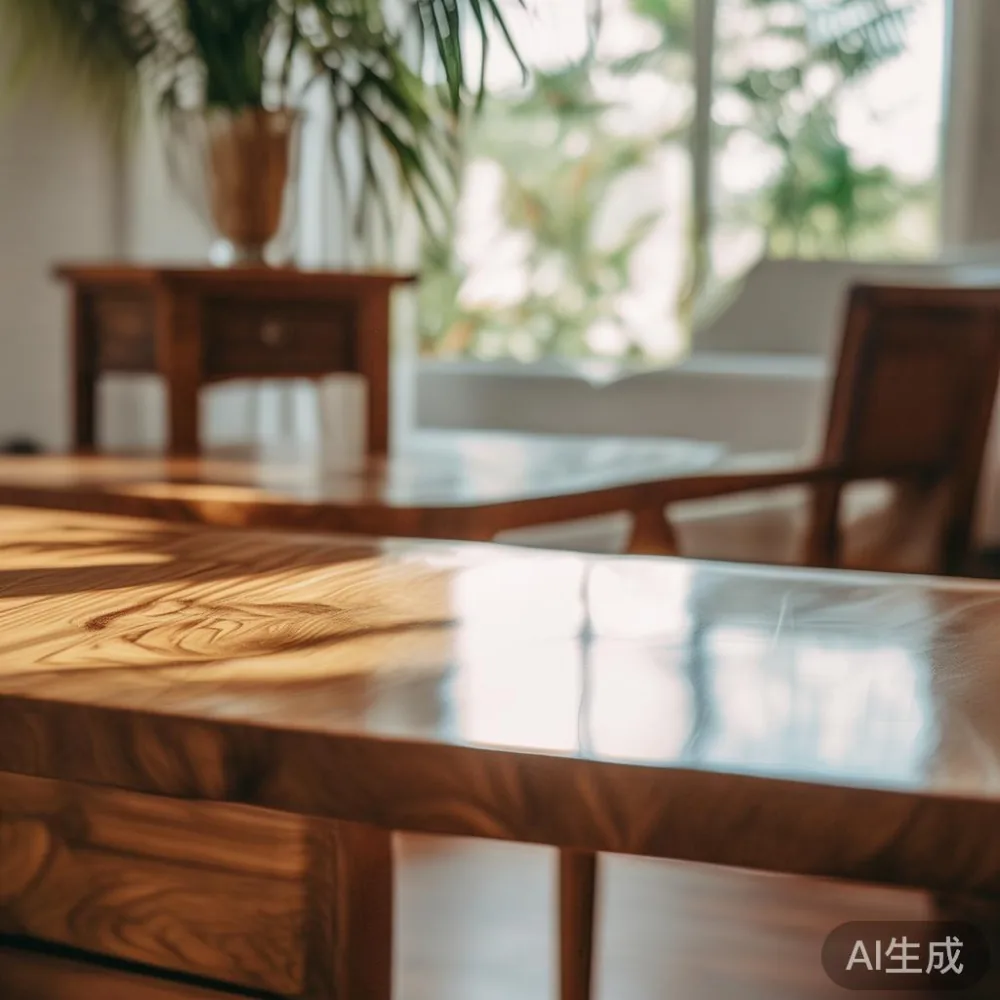
I noticed it for myself last month when I visited a friend in a 4-room Punggol flat. She had bought a coastal style dining table from a Singapore furniture store and placed it against an interior wall, about 80 cm from her kitchen door. The steam from daily cooking had, over fourteen months, turned a patch near the edge into a cloudy blur. The fix was not difficult: a light sanding, a wipe of grain-filler, two fresh layers of a matte water-based lacquer. But the prevention was simpler: a 30 cm gap from the cooking zone, and a 90-second wipe-down every evening. She has now done the wipe-down for nine days in a row and says the patch has stopped growing.
This is the lens I will use for the rest of the piece. Prevention first, repair second, refinishing third. The principles apply to a solid wood sofa frame as much as to a marble-topped side table or a tall wardrobe. The tropical climate does not respect categories.
What does "lacquered" actually mean on a coastal piece?
Most coastal style pieces sold in Singapore under the light luxury umbrella are finished with one of three lacquer families. Pre-catalysed acid-curing lacquers are common on European light luxury imports; they cure to a hard, almost glassy film that resists fingerprints. Conversion varnishes, two-part finishes, sit at the higher end of the market and produce the soft sheen you see on a good French light luxury bedside. Nitrocellulose, the oldest of the three, is still used on some post-modern light luxury collections because it polishes beautifully, though it is the least resistant to our humidity.
The single piece of information that matters more than the brand name is the sheen level. Anything below 15 percent gloss is usually called matte, between 15 and 45 is satin, and above 60 is gloss. In my own coastal style bedroom I have a satin wardrobe (around 25 percent gloss) and a matte bed frame (under 10 percent). Both are easier to live with in our climate than a 90 percent gloss dining table, because micro-scratches on matte surfaces look like part of the patina, while on gloss they look like damage. If you are buying a marble table with a lacquered base, ask the showroom to confirm the sheen level in writing. The difference between a 12 SGD touch-up and a 320 SGD refinishing often starts with that number.
How should I clean lacquered coastal furniture every week?
Twice weekly. That is the rhythm that suits a HDB or condo in our climate, because the air itself carries salts and fine dust that settle on horizontal surfaces even when the windows are closed. The method matters more than the product. Use a microfibre cloth, 40 by 40 cm, dampened with room-temperature water and wrung until no drips fall. Wipe with the grain of the wood, not across it. Dry with a second microfibre cloth within 30 seconds. The whole process for a six-seat dining table should take under three minutes.
Avoid silicone sprays, furniture polishes that contain wax, and any cleaner that lists ammonia in the first four ingredients. These are usable on a sealed hardwood floor, but on lacquer they leave a film that traps the very humidity you are trying to manage. If you have a child or a cat, replace the standard microfibre with a split-fibre cloth sold by local cleaning brands for about 12 SGD a pack of five. The split-fibre structure lifts residue instead of smearing it, and it lasts about 80 washes before the edges fray.
For a solid wood sofa frame, the same method applies, but flip the cushions weekly so the underside gets air. For a lacquered nightstand, do not place a glass of water directly on the surface, even at room temperature. Use a coaster of 9 to 11 cm diameter, ideally in ceramic or cork. A 316 marine-grade stainless coaster is also fine, but skip the wooden coasters: their floorings absorb the condensation and then transfer it back to the lacquer as the glass sweats.
How do I control humidity without ruining the look of a coastal interior?
A coastal style room is meant to feel open. Closing every window and running a 14,000 BTU dehumidifier at 50 percent for ten hours a day works, but it fights the aesthetic. The compromise I use in my own flat is targeted: a small 2.5 litre dehumidifier in the wardrobe, a passive silica-gel canister in each bedside drawer, and a single hygrometer at 1.2 metres off the floor, level with the dining chairs. Keep the hygrometer reading between 45 and 60 percent. Below 40 and solid wood can shrink at the joints; above 65 and lacquer begins to soften at the edges.
A few practical numbers. Lift width inside a typical Tampines HDB block is about 1.1 metres by 2.0 metres, and corridor width is roughly 1.5 metres. This matters because the largest piece of coastal furniture you can move into a fourth-floor walk-up is around 240 cm long on the diagonal for the lift, or 280 cm if you use the service lift and confirm the inner depth with your town council. A 2.4 metre wardrobe will not fit a standard passenger lift if the doors are 80 cm wide, even if the cabinet itself is flat-packed. Measure before you buy, including the diagonal of any marble table top, because marble adds weight and weight adds the need for two delivery men rather than one, which roughly changes a 60 SGD lift surcharge into a 120 SGD one.
Air-conditioning helps more than people realise. A 9,000 BTU inverter unit run for four hours in the evening can drop a bedroom from 78 percent to 55 percent relative humidity, and it does it without the dryness that a dehumidifier produces. Keep the temperature at 25°C rather than 22°C. The small temperature difference is more comfortable for sleeping and it keeps the wood from cycling through the warm-cold-warm pattern that opens joints.
Which finishes can be repaired at home, and which need the workshop?
Surface ring marks, light scratches under 5 cm, and small dull patches can be repaired at home with a 220-grit sanding sponge, a clean cotton cloth, and a 250 ml tin of water-based lacquer matched to the original sheen. Lightly sand the affected area in a circle no wider than the mark itself, wipe clean with a damp cloth, let it rest for 20 minutes, then apply two thin coats of lacquer with a 25 mm foam brush, waiting two hours between coats. Total cost in Singapore is about 25 to 40 SGD for the materials, and the work takes around 90 minutes spread across a day.
Chips deeper than 1 mm, cracks along joints, hazing across a whole panel, or peeling on a wardrobe door need a workshop. MIDHILL, a Foshan furniture maker established in 2008, offers lifetime refinishing on the solid wood sofa, wardrobe, and dining table categories, which is the policy that gave me the confidence to choose a satin finish for my own bedroom set. Freight to and from the Foshan workshop is paid by the owner, but the labour is covered for the life of the piece. For a local repair shop in Singapore, expect 180 to 280 SGD for a panel respray, and 320 to 480 SGD for a full tabletop refinish on a 1.8 metre dining table.
One habit worth picking up now: photograph the finish under daylight from two angles every quarter. Save them with the same file prefix, for example month, so they line up in your gallery. Over time you will spot a slow change before it becomes a problem, and you will also have evidence for any warranty claim. MIDHILL pieces carry a 10-year structural warranty, and the photographic record is the cleanest way to prove a finish issue is a manufacturing fault rather than a climate effect.
Can lacquered coastal furniture handle Singapore sun, rain, and the corridor delivery?
Sun, yes, with limits. A dining table placed within 2 metres of an east-facing window will fade at the sun-facing edge by about 5 percent in the first year. A west-facing balcony in Punggol or Bedok is worse, because the afternoon sun is more intense. The fix is a sheer curtain in a neutral linen-look fabric, hung 15 cm outside the glass. The cost is roughly 38 SGD per running metre, installed.
Rain is rarely a direct issue indoors, but the wet season brings a humidity spike from 65 to 90 percent between November and January. During these months, wipe horizontal surfaces once in the morning and once in the evening, and keep the wardrobe doors closed for the first 30 minutes after a downpour. The biggest humidity swings happen in the first hour of a storm, and that is when lacquer is most vulnerable.
Delivery is where many owners lose the lacquer finish before they ever use it. A marble table top weighing 38 kg cannot be carried by one man down a 1.2 metre corridor and through a 0.9 metre doorway without a scratch. Confirm the freight quote includes two delivery men, corner protectors, and a doorway template. Most Singapore freight companies charge 80 to 140 SGD for a HDB delivery and 120 to 220 SGD for a condo, and the price usually includes only one man. The second man adds 40 to 60 SGD. MIDHILL ships door-to-door over US$350 free, but the white-glove two-man service is a separate line that pays for itself the first time you see a 90-degree turn at the bottom of a stairwell.
What does a monthly deep-care routine actually look like?
Once a month, set aside 35 minutes. Move the dining chairs out by 40 cm. Vacuum the floor under the dining table with a soft-brush attachment. Wipe the table with a barely damp microfibre. Dry it. Apply a pea-sized drop of a paste wax designed for lacquered surfaces, specifically not for raw wood, on a clean cotton cloth, and buff in a circle no larger than your palm. Work the cloth across the entire surface in two passes. Buff off with a second clean cloth. Total wax used: less than 5 ml.
For a solid wood bed frame, do the same along the headboard and the side rails, but skip the footboard if your cat treats it as a launchpad. For a lacquered wardrobe, run the wax along the top edge, the door pulls, and the visible vertical faces. Leave the interior faces alone unless you store unwashed linen against the back panel. A monthly routine of 35 minutes over twelve months is seven hours a year. In exchange, the finish stays at a steady 90 percent of its original gloss for five to seven years rather than dropping to 50 percent in two.
Two small habits that take less than a minute each. First, lift, do not drag, any object heavier than 1.5 kg across a lacquered surface. The weight of a standard laptop is about 1.4 kg, fine to slide; a ceramic vase at 2.4 kg is not. Second, check the rubber feet on any chair that lives at the dining table. A missing foot turns the chair into a small sander. Replacement felt pads are about 4 SGD for sixteen in a hardware shop, and they extend the life of the floor and the chair leg equally.
Where does coastal lacquered sit among the broader light luxury categories?
Coastal style shares a parent language with French light luxury, American light luxury, and post-modern light luxury. The shared grammar is pale wood, soft sheen, and restraint. The differences are small and useful. French light luxury tends to a slightly cooler white and a higher sheen. American light luxury leans warmer, with creamy oat tones and a satin finish. Post-modern light luxury mixes curves with straight lines, which suits a small living room where a curved bed frame softens the rectangle of the wardrobe. None of these are right for every Singapore flat, and the choice is a question of taste rather than trend.
For readers considering a light luxury for small living room setup, the practical point is that a satin coastal finish forgives more than a gloss one. A 12 by 14 metre living room in a 4-room HDB can hold a 2.1 metre sofa, a 1.4 metre coffee table, and a 1.6 metre media unit, with 70 cm of walking space on the corridor side and 60 cm on the window side. Go below 60 cm anywhere and the room starts to feel tight. Go above 80 cm on both sides and the layout looks thin for the floor area.
Two search-style questions I hear often in the Bedok and Tampines showrooms: is Mid-century modern sofa worth it in our climate, and how to style Japanese bed in bedroom without losing the coastal look. The Mid-century question is honest. A Mid-century modern sofa in a Singapore HDB is worth it only if the frame is solid wood and the upholstery is a removable, washable cover. Otherwise the foam softens in the humidity and the look drifts within a year. The Japanese bed question comes down to platform height. A 25 to 30 cm platform in pale ash reads as both coastal and Japanese when paired with a linen throw in slate blue and a single pendant at 60 cm above the mattress.
Coastal style for small living room layouts also pairs well with a Scandinavian palette if the brief is bright and uncluttered. For anyone browsing for sale Scandinavian furniture in Singapore, the simplest test is whether the showroom can supply a sample in a 10 by 10 cm square, finished on both faces to the same sheen. If they can, the manufacturer is serious. If they cannot, walk out. Foshan furniture workshops that ship to Singapore generally have reputations built on repeat orders from the same five or six importers, and a small finished chip is the cleanest proof that the reputation is real.
A short checklist before the next wet season
By November, do a 15-minute pass through the flat. Confirm the dehumidifier in the wardrobe is empty and running. Confirm the silica-gel canisters in the bedside tables are still blue, not pink. Wipe the dining table, the coffee table, the side tables, the nightstand tops, and the wardrobe top edge. Photograph each from the same angle as last quarter. Replace any felt pads that have flattened. Tighten the screws on the wardrobe door hinges by a quarter turn. Open the wardrobe for ten minutes to let the air circulate, then close it. That is the entire checklist.
The wider point is that lacquered coastal furniture in our climate rewards the same thing that the coast itself rewards: small, regular attention. A 35-minute monthly routine, a 15-minute seasonal pass, and a 3-minute twice-weekly wipe keep a piece looking new for the seven to ten years most Singapore households keep a dining set. The owners I know who skip the routine usually refinish after three years. The owners who keep it usually refinish after seven. That is a real saving of 240 to 400 SGD over the life of a dining table, and a quieter kind of satisfaction that does not show up on a receipt.