What Actually Drives the Price of Solid Wood Furniture
In the sun-dappled living rooms of Singapore's HDB flats in Tampines and Punggol, or the airy condos of Bedok, a quiet revolution is taking place. Homeowners are moving beyond fast furniture and investing in pieces that offer not just function, but a story. Coastal-style furniture, with its breezy, relaxed elegance, has become a popular choice. But as you browse a collection of solid wood sofas or a dining table, you might wonder: why does one piece cost SGD 1,500 while another, seemingly similar, is priced at SGD 5,000? The answer is a complex interplay of factors that go far beyond simple aesthetics. It's a journey from the forest floor to your living room corridor, with every step adding to the final price tag.
The Foundation: Solid Wood vs. The Pretenders
The most fundamental decision in furniture making is the choice of material. This is where the line between genuine value and clever imitation is drawn. Solid wood furniture, like those crafted by MIDHILL, is constructed from planks of natural wood. A solid oak dining table, for example, is carved from a single piece of timber or carefully joined boards. This contrasts sharply with engineered wood, which is made from wood fibers, particles, or veneers glued together under pressure with resins. An engineered oak table might look the same from a distance, but its internal structure is fundamentally different. The price difference is stark: a solid oak dining table measuring 180 cm x 90 cm and weighing approximately 65 kg might retail for around SGD 3,200, while its engineered counterpart could be priced at SGD 1,800. The premium for solid wood is an investment in longevity; it can be sanded and refinished multiple times over its lifetime, whereas engineered wood can only withstand a few refinements before its core is exposed.
Species Matters: The Character and Cost of the Tree
Not all wood is created equal. The species chosen for a piece of furniture dictates its appearance, durability, and ultimately, its price. Common, fast-growing species like pine or rubberwood are more affordable. A solid rubberwood bed frame, for instance, might cost between SGD 1,500 and SGD 2,200. At the other end of the spectrum are premium, slow-growing hardwoods. Teak, prized for its high natural oil content that makes it resistant to moisture, pests, and warping, is a cornerstone of high-end coastal-style furniture. A teak dining table for six, measuring 200 cm x 100 cm and weighing about 85 kg, can easily command a price of SGD 8,000 to SGD 12,000. Similarly, American white oak, with its prominent grain and strength, is a popular choice for statement pieces like a solid wood wardrobe, which could range from SGD 4,500 to SGD 7,000. The rarity of the tree, the time it takes to mature, and its physical properties all contribute to its market value.
Is a Light Luxury Sofa Really Worth the Extra Money?
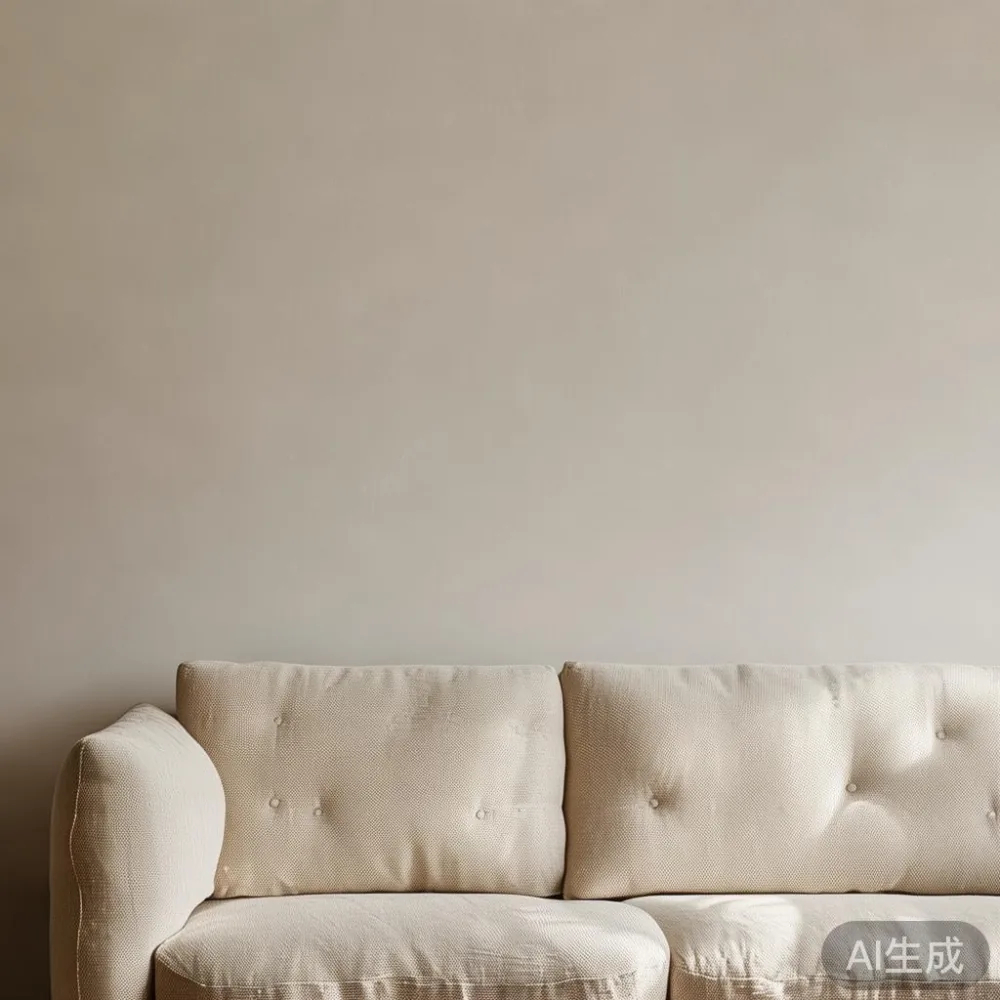
This is a question we hear often in our Singapore showroom. The answer lies in the details that define 'light luxury'. A standard sofa might be comfortable, but a light luxury sofa, whether it's French-inspired or American post-modern, is built with a different philosophy. Consider the frame: a standard sofa might use a softwood frame with simple corner blocks, while a light luxury sofa will feature a hardwood frame, often with reinforced joints using dowels and glue. The upholstery is another differentiator. Instead of standard foam, you'll find high-density, memory-infused foam wrapped in layers of premium dacron or goose down, offering a level of comfort that doesn't sag. A colleague of mine last month tested two sofas side-by-side. The standard one felt fine initially, but after 15 minutes of sitting, the support felt uneven. The French light luxury sofa, however, maintained its shape and support, a proof of its superior construction. This attention to detail is why a light luxury sofa can cost SGD 4,500 to SGD 7,000, while a standard one might be SGD 2,000 to SGD 3,000. It’s an investment in daily comfort that lasts for years.
The Art of Craftsmanship: Hand vs. Machine
In an era of mass production, true craftsmanship is a luxury. The difference between a handcrafted piece and a machine-made one is palpable. Handcrafted furniture involves skilled artisans using traditional tools and techniques. This might mean hand-planing the surface of a solid wood bed frame for an ultra-smooth finish, or hand-carving the subtle curves of a coastal-style nightstand. Each piece is unique, bearing the subtle marks of the maker's hand. This labour-intensive process is reflected in the price. A handcrafted solid wood sofa from a maker like MIDHILL, with its dovetail joinery and hand-rubbed oil finish, can range from SGD 3,500 to SGD 6,000. In contrast, a mass-produced sofa, assembled on a factory line with machine-cut joints and a sprayed-on lacquer finish, might cost SGD 1,200 to SGD 2,000. The machine is fast and consistent, but it lacks the soul and the superior structural integrity that comes from human skill and care.
Design and Scale: More Than Just Looks
Design is not just about how a piece of furniture looks; it's about how it functions within a specific space. In Singapore, where HDB lift widths are typically 110 cm x 110 cm and corridor spaces are compact, the design and scale of furniture are critical considerations. A bulky, ornate wardrobe that is 220 cm wide will not fit through a standard lift or around a corner. This is where thoughtful design comes in. A well-designed wardrobe might use a sliding door mechanism to reduce its frontage to just 80 cm, or feature modular components that can be assembled inside the room. Similarly, a dining table needs to be the right size for the space. A standard 4-seater table is 140 cm x 80 cm, but in a condo living room, a smaller extendable table that can grow from 120 cm to 180 cm might be a better solution. These design considerations, along with aesthetic choices like a marble table top for a dining set or a specific finish for a solid wood bed frame, all add to the final price. A dining table with a honed Carrara marble top, for example, will cost significantly more than one with a solid wood top due to the material and the labour required to inlay it securely.
Understanding the Full Picture: A Price Breakdown
To see how these factors come together, let's look at a concrete example. Consider a post-modern light luxury wardrobe designed for a Singapore home. This piece needs to be stylish, durable, and space-efficient.
| Component | Specification | Contribution to Price (SGD) |
|---|---|---|
| Material | Solid American White Oak (12mm thick panels) | ~1,800 |
| Hardware | Soft-close drawer slides & hinge systems (Blum brand) | ~600 |
| Design & Craftsmanship | Hand-finished with a matte oil finish, precision-cut joinery | ~1,200 |
| Features | Built-in LED lighting, adjustable internal shelving | ~400 |
| Logistics & Warranty | Custom crating, insurance, 10-year structural warranty | ~400 |
| Total Estimated Price | ~SGD 4,400 |
This breakdown shows that the cost is distributed across many elements, not just the raw wood. The quality of the hardware, the labour of the craftspeople, and the peace of mind from a warranty are all factored in. This is why for sale light luxury furniture commands a premium; it's a complete package of quality, design, and service.
Local Nuances: Singapore's Living Reality
When buying furniture in Singapore, several local factors directly influence the price and your purchasing decision. The Goods and Services Tax (GST) of 9% is applied to the final price, so a piece listed at SGD 2,000 will cost you SGD 2,180 at checkout. Delivery logistics are another significant component. Singapore's high-rise living means furniture often needs to work through narrow lift corridors and doorways. A standard delivery charge might be SGD 80, but for oversized items like a solid wood dining table or a wardrobe, a specialised team and equipment are required, pushing the delivery cost to SGD 150 or more. This is why a free shipping offer over SGD 350 is a substantial benefit. Also, the 14-day return policy is a critical safety net, ensuring that if a piece doesn't fit your space or meet your expectations, you can return it without penalty. For example, finding the right balance between a light luxury sofa vs Nordic sofa for a small living room in a Bedok HDB flat is a real challenge, and a flexible return policy gives the buyer confidence.
Trends and the Future of Coastal-Style Furniture
The world of furniture design is always evolving, but certain trends are shaping the future of coastal-style pieces. There is a growing demand for multifunctionality. A nightstand with built-in wireless charging, or a dining table that converts into a workstation, is highly valued in compact Singaporean homes. Sustainability is also becoming a key driver. Consumers are more conscious of the wood's origin and the environmental impact of its production. This has led to a rise in the use of reclaimed wood and certified sustainable sources. Looking ahead, we can expect to see more innovation in materials, such as wood composites that are even more durable than natural wood, and the integration of smart home technology directly into the furniture itself. A 2026 light luxury solid wood sofa might feature climate-controlled fabric that adjusts its texture based on the room's humidity, or a bed frame that monitors sleep patterns. These features will further define the price tiers, offering consumers more choices to match their lifestyle and budget.
Styling Your Space: Bringing Coastal Style Home
Owning a piece of solid wood furniture is only half the battle. The other half is styling it to create a cohesive and beautiful home. Coastal-style is all about creating a light, airy, and relaxed atmosphere. A common question is: how to style Japandi sofa in apartment? The key is to blend the minimalist, functional lines of Japandi with the soft, natural textures of coastal decor. Pair a light-coloured Japandi sofa with linen cushions in shades of sand and seafoam, and add a jute or seagrass rug to anchor the space. For a small living room, choosing Italian light luxury for small living room can be a standout piece if done correctly. Opt for a sofa with slender, tapered legs to create a sense of lightness, and use a light-coloured marble table top to reflect light and make the space feel larger. The goal is to create a space that feels both sophisticated and welcoming, a personal sanctuary away from the hustle and bustle of the city.
Making the Right Investment
Ultimately, the price of solid wood furniture is a reflection of its value. It's not just an object; it's a long-term investment in your comfort, your home's aesthetic, and your quality of life. When you choose a piece with high-quality materials, superior craftsmanship, and timeless design, you are choosing something that will not only last a lifetime but can also be refinished to look new again. A MIDHILL dining table, for example, is more than just a place to eat; it's the centrepiece of family gatherings, a surface for homework, and a backdrop for life's moments. It's an investment that pays dividends every single day. So, when you see a price tag, look beyond the number. See the story of the tree, the skill of the artisan, and the promise of a lifetime of use. That is the true value of solid wood furniture.
Conclusion: An Investment in Timeless Living
Understanding what drives the price of solid wood furniture empowers you to make smarter, more confident decisions. It allows you to see beyond the initial cost and appreciate the long-term value of a well-made piece. Whether you are furnishing a new apartment in Punggol or updating your home in Tampines, choosing furniture that is built to last is a wise investment. It's about creating a space that reflects your personal style and supports your life for years to come. With a 10-year structural warranty and a lifetime refinishing service, brands like MIDHILL stand behind their products, ensuring that your investment is protected. In the end, the right piece of furniture is not just a purchase; it's the beginning of a beautiful relationship with your home.