How Humidity in Southeast Asia Affects Solid Wood Furniture
Humidity is rarely the first thing Singapore homeowners consider when furnishing an HDB flat or a private condominium, yet it can determine whether a solid wood bed frame remains stable or a dining table develops small surface changes. The island climate combines air temperatures of roughly 25–32°C with high relative humidity, frequent rain and air-conditioned interiors that may sit near 22–25°C. The result is a recurring movement cycle: wood absorbs moisture during humid periods and releases it in drier rooms.
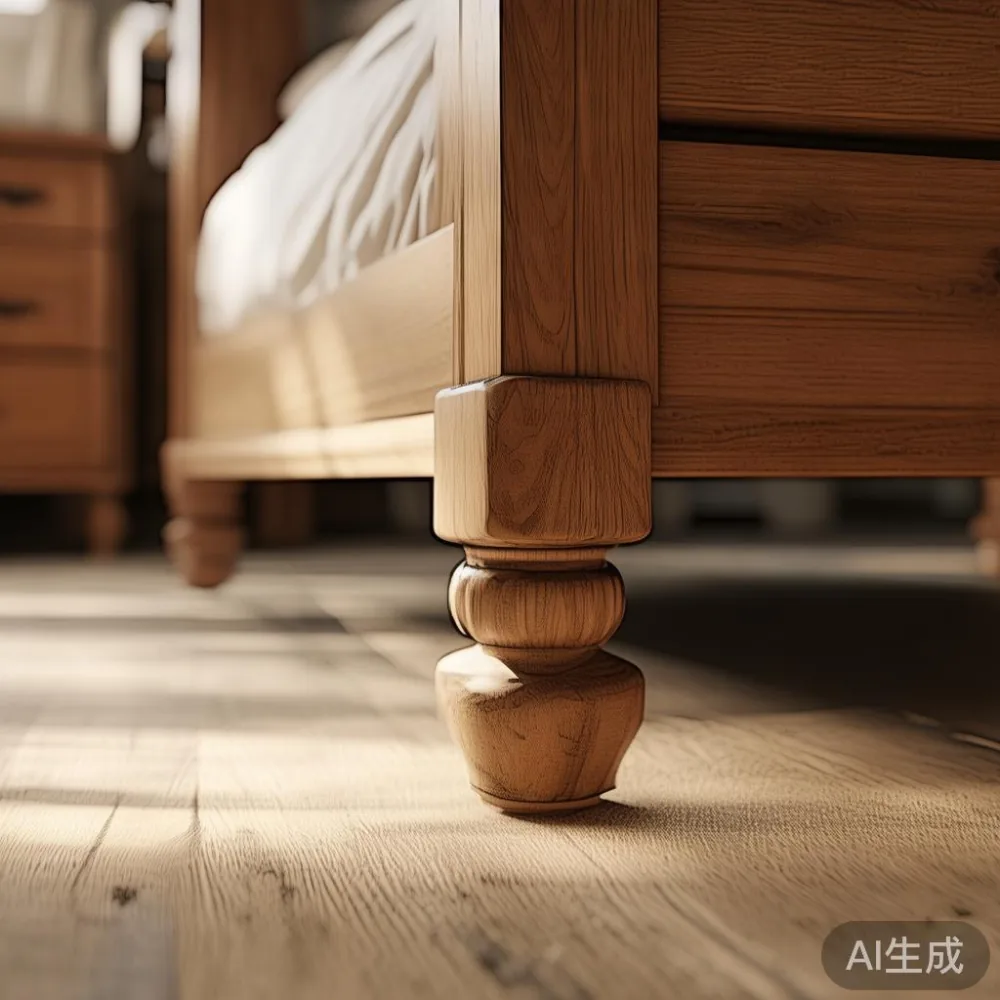
For MIDHILL, this is not an abstract manufacturing issue. The company was established in 2008, exports to more than 15 countries, provides a 10-year structural warranty and offers lifetime refinishing. Its coastal style furniture is made for real homes rather than showrooms, including the narrower living spaces and carefully planned corridors common around Tampines, Bedok and Punggol.
This guide explains how tropical humidity affects wood, how to measure a residence correctly and which furniture details deserve attention. It also considers lift access, delivery logistics, GST and the practical differences between solid wood and other materials. Prices are shown in Singapore dollars throughout.
Why does humidity make solid wood furniture move in Singapore?
Wood is hygroscopic, meaning it takes on and releases water vapour as the surrounding humidity changes. Solid wood pieces may expand, contract, cup or develop fine surface checks when moisture content moves faster than the timber can accommodate it. This is not the same as rot: controlled dimensional movement is natural, while prolonged damp storage can lead to mould, adhesive failure or decay.
Singapore’s outdoor relative humidity often reaches 75–90% during wet periods. Indoors, the figure can vary from about 45–75% depending on ventilation, sun exposure and air-conditioning. A wardrobe placed beside an ensuite or a marble table near a sliding glass door may experience a larger daily swing than a bed frame against an internal wall.
Singaporean homeowners sometimes search for guidance on the top 10 Italian light luxury furniture and the top 10 light luxury furniture, but imported visual references do not replace climate-specific material checks. Ask the supplier how each timber is dried, finished and packed for tropical conditions. A moisture content around 8–12% is generally suitable for many air-conditioned Singapore interiors; regional production tolerances and the intended indoor humidity range still matter.
How much humidity should a Singapore home maintain?
A practical target is approximately 40–65% relative humidity, with modest day-to-day movement. That range supports dimensional stability without making the home unnecessarily difficult to cool. Short outdoor periods at 80–90% are normal and should not be treated as a furniture emergency if indoor levels remain controlled.
Place a calibrated hygrometer in each important room and check it at roughly 8:00 a.m. and 8:00 p.m. over 7 days. Record readings near the floor, around 1 metre above the floor and near tall furniture. A 10% difference between these points can reveal condensation or weak air circulation. If a wardrobe shows 72% beside a bathroom wall, improve ventilation before blaming the timber.
Air-conditioning can reduce humidity, but cooling a room does not automatically ventilate stored furniture. Run the system long enough to control moisture, keep closed wardrobes slightly ajar during initial conditioning and use a dehumidifier in persistently damp rooms. A unit rated for 20–30 litres per day is suitable for many bedrooms, although the actual water extraction depends on room temperature and incoming air.
Which furniture needs the most protection from tropical humidity?
Large, wide or veneered surfaces deserve particular attention because movement across several panels can create uneven gaps. A dining table with a solid timber top, a solid wood sofa with hardwood framing, a solid wood bed frame and a tall wardrobe should all be checked for movement. Nightstands and chairs are less demanding, but their joints and finishes still benefit from stable conditions.
Solid wood is not automatically immune to humidity. A 180 cm solid wood dining table may lengthen by several millimetres as its grain absorbs moisture, while a 200 cm wardrobe may show minor alignment changes in its doors. Changes of 1–3 mm are often within normal seasonal behaviour; larger gaps, swelling under a finish or persistent softness deserve investigation.
Marble table tops require a different moisture check. Marble is less prone to expanding with humidity than timber, but its porous surface can stain if water is left in place. Use coasters with a minimum diameter of 8–10 cm and wipe spills within about 10 minutes. Keep marble separate from damp cleaning cloths and avoid placing it directly beside a shower entrance.
How should coastal style furniture be finished for Southeast Asia?
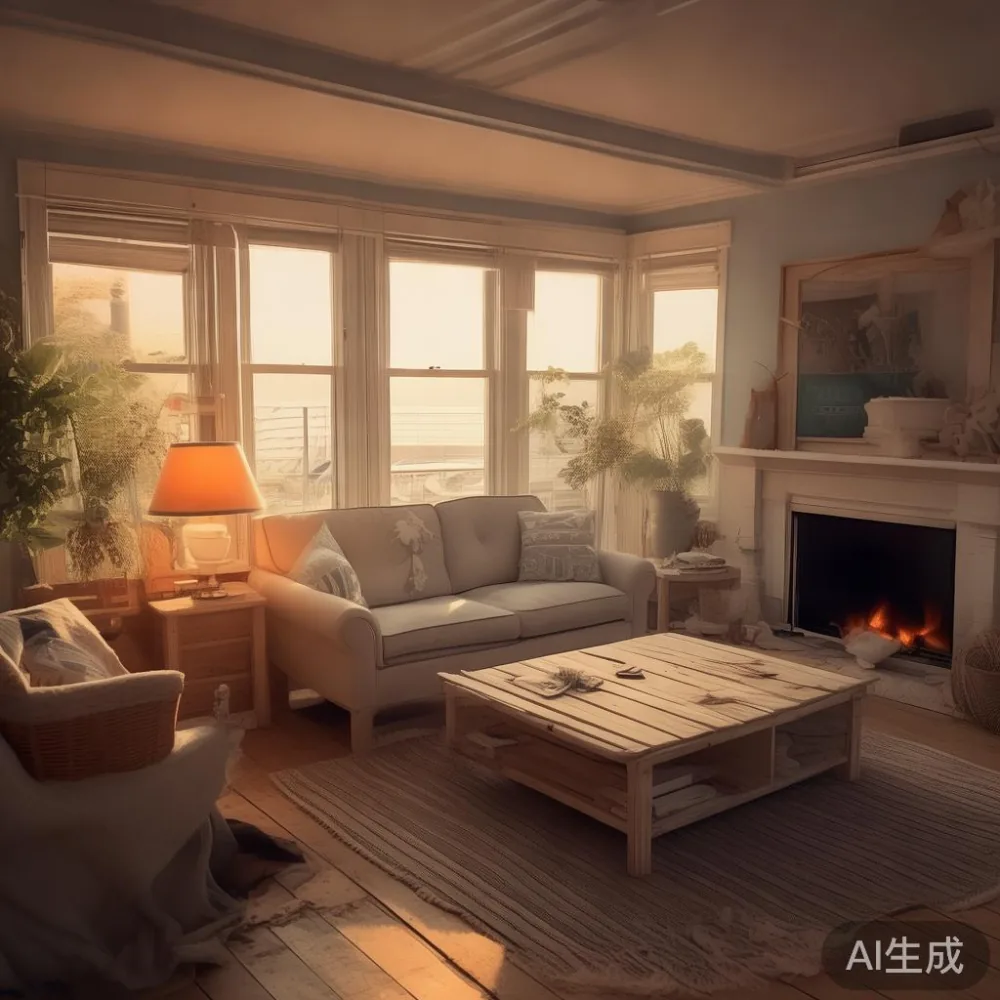
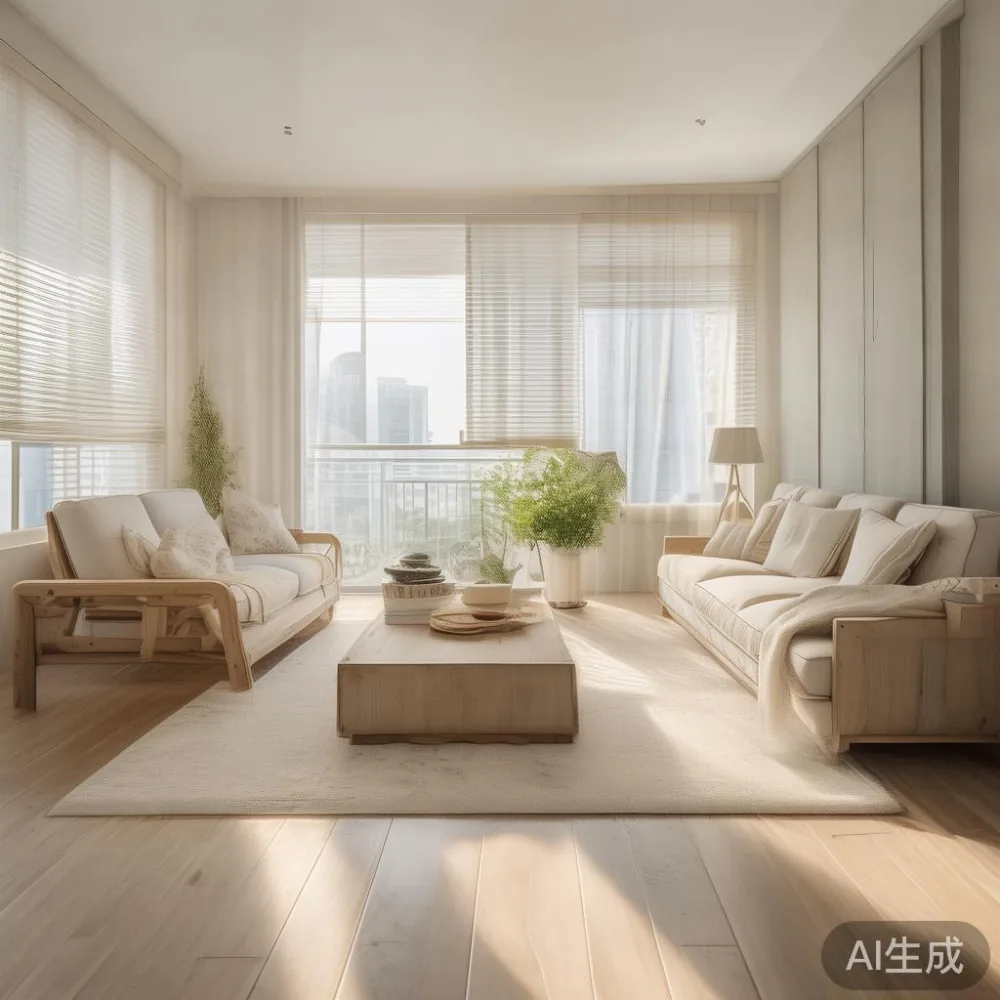
Coastal style works well in Singapore because pale timber, clean lines and light textiles complement bright rooms and visually open compact flats. Yet the styling must be matched with a finish able to tolerate humidity cycling. Look for a finish documented for indoor wood use in tropical markets and confirm whether it is water-based, oil-based or polyurethane.
Water-based coatings are generally lighter in odour and easier to repair, but a competent application process still matters. During my recent visit to a Singapore client’s home in Tampines, I checked a MIDHILL solid wood dining table beside a balcony door. A hygrometer showed 63% near the table and 56% two metres away. The table had been fitted with felt pads, and the finish showed no lifting after 11 months of use.
My colleague also inspected a coastal style wardrobe in a Punggol condominium after the client reported slight door alignment changes. The unit stood within 40 cm of a bathroom return wall, where evening humidity reached 68%. Moving it 15 cm away and improving extraction kept the area near 57%. This was an environmental adjustment, not a structural defect, and the same careful approach applies when considering how to style European light luxury bed in bedroom schemes with layered textiles.
For buyers comparing catalogues, the phrase where to buy dining table from MIDHILL appears in local search results, while the collection can also be reviewed through www.midhill.co. Product information should identify timber species, dimensions, finish coverage, assembly needs and care requirements. Visual polish alone is insufficient in a climate where moisture changes daily.
Will a solid wood sofa, bed frame or dining table warp from Singapore humidity?
A properly manufactured solid wood sofa or bed frame should tolerate normal humidity variation without structural failure. The higher risks are concentrated moisture, direct water exposure and unstable construction. Keep at least 10–15 cm between furniture walls and exterior surfaces where practical, especially beside large sliding doors facing west or north-west sun.
For a dining table, use a stable base rather than folding leaves that are repeatedly moved between humidity zones. Avoid placing hot pots directly on timber; use a trivet with at least 5 cm clearance beneath a hot vessel. For a bed frame, allow ventilation beneath the frame and avoid laundry baskets, damp towels or sealed storage boxes that trap humidity beneath the bed.
Wardrobes need airflow inside the carcass. Empty shelves can be wiped down and left open briefly after installation. Position a wardrobe on a 2–3 cm plinth where suitable, but ensure it is not pressed tightly against external walls. Nightstands should have enough clearance for cords and not be placed where condensation from an air-conditioner can drip onto the top.
Many Singapore buyers also research a Mid-century modern accent chair and how to style Japanese bed in apartment interiors, mixing solid wood with restrained textiles and compact proportions. Such pairings are compatible with coastal style if both wood pieces are conditioned for the same room. Humidity affects the whole composition, not only one product.
How do lift and corridor widths affect furniture delivery?
Humidity protection begins before a product reaches the home. A timber table must remain in a stable, dry environment during storage and transit. Singapore’s port and warehouse conditions are generally controlled, but a delivery schedule should avoid leaving furniture in an open van during a downpour.
Measure the complete route before purchase: lift door width, lift car dimensions, corridor turns, staircase widths, main door width and the intended furniture footprint. A standard HDB lift may offer a car door around 80–90 cm, though internal dimensions and building rules vary. A 160 cm dining table may need to enter diagonally or be separated into two sections. A 200 cm wardrobe can fit through a 90 cm opening only if its panels are transport-friendly or the route includes a wider service lift.
Record the narrowest fixed width plus about 10 cm of working clearance. For turns, use the diagonal formula: square the door width and add the square of the corridor width, then take the square root. A furniture item should remain below that diagonal, with extra allowance for handles and protective packaging. Professional delivery teams should inspect the route rather than rely on a digital order alone.
Delivery time in Singapore is commonly 7–14 working days for in-stock configurations and 4–8 weeks for made-to-order pieces. Custom sizing can add another 1–3 weeks. These estimates should be distinguished from production time, and GST may be added at checkout.
What does humidity protection cost, and what should a buyer pay in SGD?
A calibrated hygrometer typically costs about SGD 18–45. A compact dehumidifier suitable for a 15–25 m² bedroom generally falls around SGD 180–350, subject to capacity and energy ratings. Felt pads, coasters and drawer liners usually cost SGD 8–40 for a set. These modest figures can prevent more costly finish repairs or replacement parts.
Furniture prices vary with dimensions, timber and finish. Entry-level solid wood dining tables may be around SGD 590–1,200, while a larger oak dining table can range from SGD 1,600–3,200. A solid wood bed frame commonly falls between SGD 690–1,600. Coastal style solid wood sofas may be available around SGD 980–2,200, and wardrobes often range from SGD 690–1,900. Nightstands can begin near SGD 190, whereas marble table designs may sit around SGD 690–1,600.
These ranges are useful for planning, not fixed quotations. Confirm the species, exact size, finish, delivery charge and GST treatment. MIDHILL offers free shipping for qualifying orders over US$350, although the checkout should show the actual Singapore delivery fee in SGD. Returns are accepted within 14 days subject to the stated condition and documentation. The 10-year structural warranty covers qualifying structural issues, while lifetime refinishing offers a separate route for surface renewal.
What care routine keeps tropical wood furniture stable?
Check the hygrometer first, then wipe furniture with a soft, slightly damp cloth and dry it immediately. Avoid household sprays, silicone polishes and bleach on timber. Clean coasters with warm water and mild soap, then dry them fully. Reapply the approved care product at the interval stated by the maker, typically every 6–12 months for oil finishes and less often for some factory-coated surfaces.
Control the environment rather than repeatedly treating the furniture. Keep blinds or curtains closed during intense afternoon sun, use extractor fans after showers and maintain at least 5–8 cm around pieces where air can circulate. In an HDB flat in Bedok, an internal bedroom wall may be more stable than a position beside the kitchen balcony, although the kitchen itself also needs sensible moisture management.
Inspect table joints, bed rails, wardrobe plinths and drawer runners twice a year. Look for finish lifting, soft timber, persistent black spotting or doors rubbing. Record the humidity at the time of inspection. If a problem appears after a wet week and disappears as conditions improve, it may indicate environmental movement; if it remains at 55–60% relative humidity, contact the supplier for diagnosis.
Singapore’s humidity does not make coastal style furniture impractical. It calls for measured indoor conditions, sensible product selection and a delivery route checked in centimetres rather than estimated by eye. With the right moisture target, ventilation plan and aftercare schedule, solid wood furniture can retain its proportions and finish for many years of use.