The Anatomy of a Price Tag: Understanding Solid Wood Furniture Costs in Singapore
For many Singaporeans, furnishing a new home—be it a compact 3-room HDB flat in Tampines or a spacious condo in Punggol—is a significant investment. The allure of solid wood furniture is undeniable. Its warmth, durability, and timeless appeal make it a cornerstone of interior design, especially for those embracing the serene, airy aesthetic of coastal style. But walk into any showroom or browse online, and the price range is staggering. A solid wood dining table can cost SGD 800 or SGD 8,000. Why such a vast difference? The answer lies in a complex web of factors that go far beyond the simple material cost.
Is Solid Wood Always Equal to Solid Value?
The term 'solid wood' itself can be a source of confusion. It sounds simple, but in the furniture world, it's not a monolithic category. The first major determinant of price is the type of wood used. We're not just talking about a generic label; we're discussing specific species, each with its own characteristics, origin, and cost profile.
Consider the common options. Rubberwood, a sustainable and relatively affordable choice, is often used for mid-range pieces. A solid wood bed frame made from rubberwood might start around SGD 1,200 for a queen size. Then there's mango wood, known for its distinctive grain patterns and rustic charm, often found in coastal style furniture, which sits in a slightly higher price bracket. A dining table crafted from mango wood could easily command SGD 2,500 to SGD 4,000.
At the premium end of the spectrum, you'll find hardwoods like Sheesham (Indian Rosewood) or even imported European Oak. These materials are denser, more durable, and have a more luxurious appearance. A solid wood wardrobe made of Sheesham might weigh over 120 kg and cost upwards of SGD 5,000. The price difference isn't arbitrary; it reflects the wood's density, growth rate, and the geographical distance it has traveled. A single plank of European oak, wide enough for a dining table top at 180 cm, can cost the manufacturer hundreds of dollars before a single cut is made. This material cost is the foundational layer upon which every other expense is built.
How Craftsmanship Transforms a Wooden Plank into a Heirloom
Once the wood is selected, the human element takes over. This is where the difference between mass-produced furniture and artisanal craftsmanship becomes glaringly apparent, and a key reason why you might search for 'for sale Modern furniture' that feels special. The construction method is paramount.
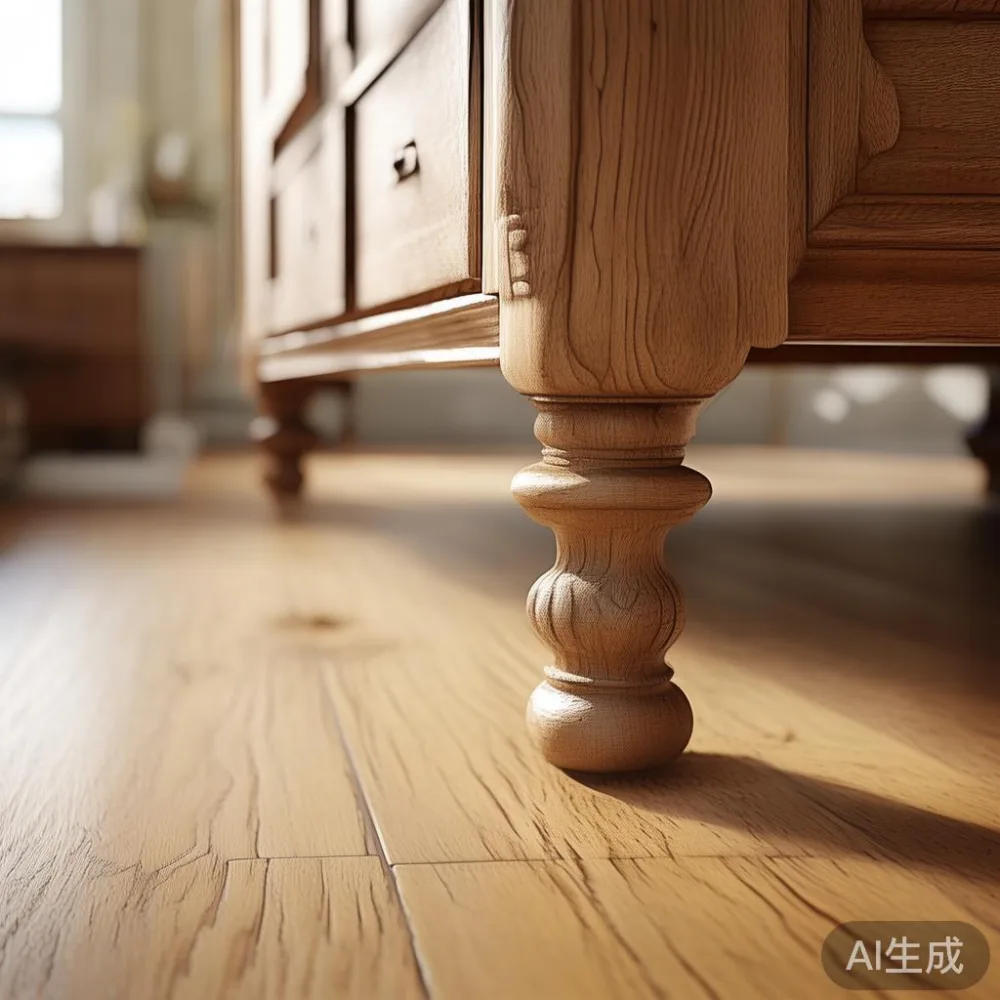
There are two primary ways to build solid wood furniture: solid wood construction and wood veneer over a composite core. Solid wood construction means every visible part of the piece—the table legs, the sides of the wardrobe, the frame of the sofa—is made from solid planks of wood. This method allows the wood to expand and contract naturally with Singapore's humidity changes, preventing cracking over time. A nightstand built this way, with dovetail joints on its drawers, will last for decades. This level of joinery, where interlocking fingers of wood are glued together, is a mark of quality but requires significant time and skill from a carpenter.
Wood veneer, on the other hand, involves applying a thin slice of premium wood over a less expensive base like MDF or particleboard. While it can achieve a similar look, it's less durable. If the veneer chips or the core gets wet, the piece is often ruined. For a light luxury coastal style living room, the choice is often solid wood. The tactile feel of a solid wood sofa's armrest, the solid sound of a drawer closing on a solid wood chest of drawers—these are details that define a quality piece. My colleague visited a workshop in Foshan last month and watched a master carpenter hand-sand the curved legs of a dining table for over an hour. That kind of labour is reflected in the final price tag, but it's what ensures the piece is not just furniture, but a lasting part of your home.
Why a Coastal Style Sofa Costs More Than a Simple Wooden Bench
Not all solid wood furniture is created equal, and the complexity of the design plays a huge role. A simple, rustic bench with straight legs and a flat top will be inherently cheaper to produce than a sophisticated piece with multiple components.
Take a solid wood sofa, for example. It's not just a wooden box. It has a frame, often with springs or webbing for support, high-density foam cushions of varying densities (e.g., 30 kg/m³ for the seat and 25 kg/m³ for the back), and premium fabric or leather upholstery. The cost of the upholstery fabric alone can range from SGD 50 to SGD 300 per meter, depending on the material and brand. Then there's the labour: attaching the frame, building the cushion cores, sewing the covers, and assembling everything. A sectional sofa, with its multiple connecting parts, requires even more precision. This complexity is why a sofa is one of the most expensive single items in a living room.
Similarly, a wardrobe is a complex system. It involves a sturdy frame, internal hanging rods, shelves of varying depths, drawers with soft-close mechanisms, and a sliding or hinged door system with smooth-running tracks. Each of these components adds to the cost. A simple open shelving unit made from solid wood will be significantly less expensive than a fully-fledged wardrobe with all these features. When you consider the question, 'is Italian light luxury sofa worth it?', you're often paying for this intricate design and engineering, not just the wood itself.
From Foshan Factory to Your Singapore Home: The Hidden Logistics
For a brand like MIDHILL, which has been exporting from Foshan since 2008, the journey from factory to your living room is a major component of the final price. This is where local context becomes critical. Singapore's unique urban landscape presents specific challenges.
First, consider the sheer size and weight of the items. A large marble dining table, for instance, can weigh over 150 kg and require a box measuring 220 cm x 120 cm x 15 cm. Shipping this from China involves specialised freight, crating, and insurance. The cost for sea freight for a container load of furniture can run into tens of thousands of SGD. This cost is then distributed across each piece.
Once the furniture arrives in Singapore, the local delivery and installation come into play. This is not a simple 'drop and go' process. In older HDB estates like Bedok, lift widths can be narrow, sometimes as little as 110 cm. A wardrobe that is 120 cm wide cannot be carried up; it must be disassembled and reassembled inside your flat. This requires skilled personnel, specialised tools, and time. For a condo in Punggol with a wide corridor and service lift, the process is simpler, but the cost of labour and transport in Singapore remains high. Free shipping over SGD 350 is a significant incentive, but it's a service that the company has to pay for. The 14-day return policy also adds a layer of operational cost, ensuring the piece can be collected and returned to the warehouse without damage. This logistical reality is a silent but substantial part of what you pay for.
Understanding the True Value of a 10-Year Warranty
When you see a price tag, it's easy to focus on the immediate outlay. But a key part of a furniture's value proposition lies in the long-term support and guarantees offered by the manufacturer. This is where a company's reputation and commitment to quality become a tangible asset.
A 10-year structural warranty is not a marketing gimmick; it's a promise. It signifies that the manufacturer is confident in the durability of their joinery, the stability of their wood, and the construction of the piece. If a leg on a dining table were to break due to a structural defect within a decade, the warranty covers the repair or replacement. This provides peace of mind, protecting your investment over a very long period.
Similarly, a lifetime refinishing warranty is a unique and powerful guarantee. Solid wood furniture can be sanded down and refinished multiple times to remove scratches and stains, in effect restoring it to its original condition. This warranty covers the cost of that service, ensuring your favourite solid wood bed frame or dining table can look beautiful for generations. It’s a commitment to sustainability and longevity that cheaper, disposable furniture simply cannot match. For a family in a Singapore HDB, this means a piece of furniture can be passed down, adapting to different homes and styles over 20 or 30 years, making it a true heirloom rather than a temporary fixture.
What's the Real Cost of a Light Luxury Lifestyle?
The term 'light luxury' has become a popular descriptor in furniture design, but what does it actually mean in terms of price? It refers to an aesthetic that prioritises clean lines, premium materials, and a sense of understated elegance, often drawing inspiration from French, American, or post-modern styles. It’s about creating a sophisticated space without being ostentatious.
This design philosophy directly impacts cost. A 'European light luxury for office' desk, for example, will feature minimalist hardware, high-quality veneers with subtle grain patterns, and a design that feels both modern and timeless. The simplicity is deceptive; achieving it requires precision engineering and expensive materials. A post-modern light luxury nightstand might have geometric metal accents and a polished stone top, adding elements that increase both material and labour costs.
When you ask, 'is Italian light luxury sofa worth it?', you're often paying for this specific design language. The proportions are carefully considered, the upholstery is of a higher grade, and the construction is built to a higher standard. It’s the difference between a functional item and a design statement. For many homeowners, this is worth the investment. The question of 'under 2000 Modern light luxury furniture' is a practical one, showing that consumers are seeking accessible entry points into this refined style, proving that quality and design are not exclusively for the highest budgets.
Making an Informed Choice for Your Singapore Home
Understanding these factors allows you to see a price tag for what it is: a breakdown of materials, labour, design, logistics, and service. It’s not just about buying a table or a sofa; it's about making a decision for your living space. A 'Modern for dining room' set from a reputable source offers a different value proposition than a cheaper alternative, focusing on lasting quality and design integrity.
For instance, a 'MIDHILL coffee table review' that praises its solid construction and beautiful finish is a proof of the principles discussed here. The customer is likely paying for a solid wood core, quality craftsmanship, and the assurance of a good warranty. They are investing in a piece that will serve as a functional and aesthetic centrepiece for years.
Ultimately, the price of solid wood furniture is a reflection of its lifecycle cost. A cheaper piece might seem attractive initially, but it may need to be replaced in 5-7 years. A well-made piece, with its 10-year warranty and promise of a lifetime of refinishing, is an investment that pays dividends over time. It’s about choosing furniture that not only fits your current coastal style vision but is also built to adapt to your life, your home, and the Singaporean climate for decades to come.