Caring for a Lacquered Surface in a Tropical Climate: A Coastal Style Guide for Singapore Homes
Living in Singapore means living with humidity. Walk into any Tampines HDB flat at 8 a.m. and you can already feel the air settling on the window glass; by 3 p.m. in a Punggol condo, the parquet floor has that faint tackiness that tells you the season has changed even though the calendar has not. If you have invested in a coastal-style solid wood sofa with a hand-applied lacquer finish, or a coastal-style dining table that you sanded and sealed yourself, the lacquer is the thin, beautiful membrane standing between your furniture and the equatorial climate. Get the care wrong and within eighteen months you will see white haze, orange specks, or a dull bloom across the surface. Get it right and the same piece will still look sharp a decade later, which is exactly the lifespan a quality coastal-style wardrobe or nightstand is built for.
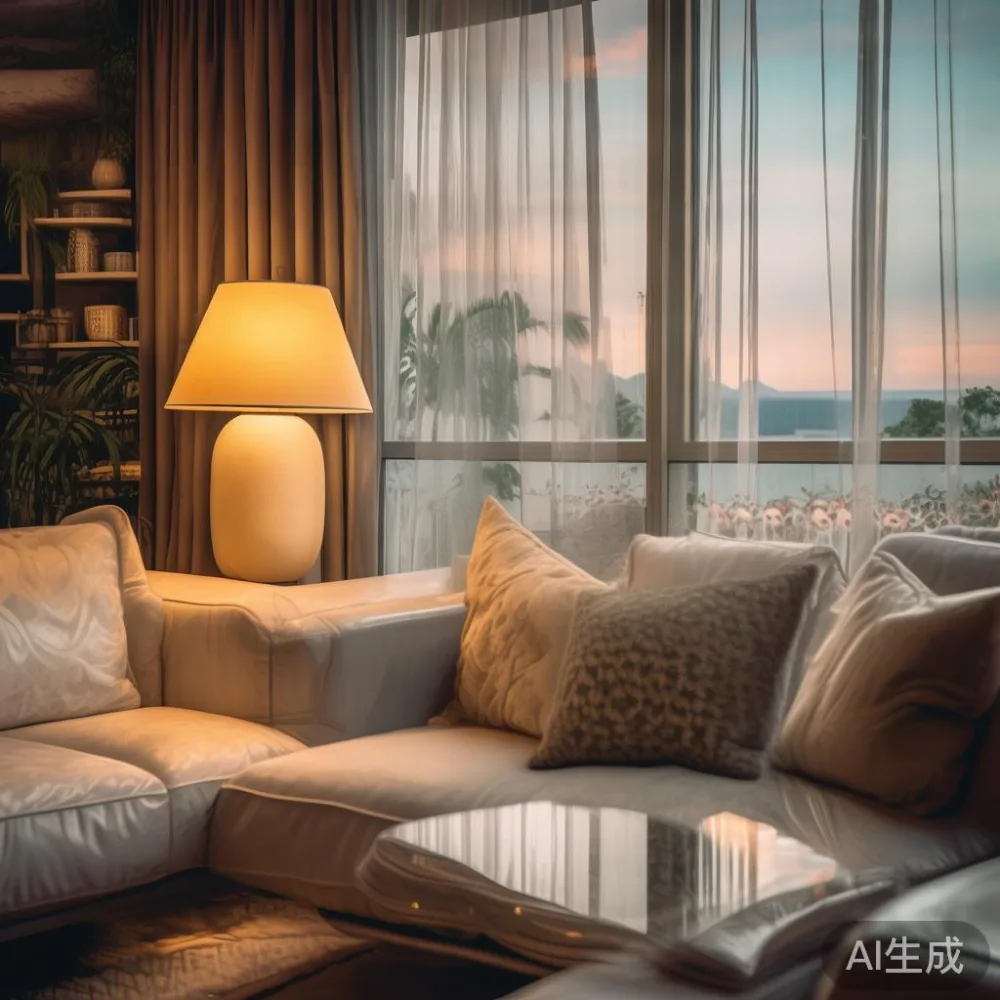
This guide is written from a workshop floor, not a marketing deck. I test finishes in a humidity cabinet set to 32 °C and 88 % relative humidity, and last month I visited a client in Bedok Reservoir whose American light luxury bedside table had developed a faint ring after a glass of cold chrysanthemum tea was placed directly on the lacquer. The fix took twenty minutes. The lesson behind it takes longer to write down, which is what this article does, in practical Singaporean terms — corridor widths in centimetres, delivery lead times in days, refinishing costs in SGD.
Why Tropical Air Attacks Lacquer Faster Than Anything Else
Lacquer is a finish, not a coating in the casual sense. It is built from layers of resin — nitrocellulose, acrylic, or in higher-end pieces a pre-catalysed conversion varnish — that cure into a hard, glassy film roughly 0.04 mm to 0.08 mm thick. On a coastal-style solid wood sofa frame or a Modern light luxury bed headboard, that film is doing two jobs at once: it has to look like still water under rattan light, and it has to stop water vapour from migrating into the timber underneath. In a Tampines three-room flat, the timber underneath might be white oak or ash; in a Punggol condo it might be rubberwood or nyatoh. All four species absorb and release moisture with the seasons, and every time they do, the lacquer flexes. After 200 to 400 flex cycles you start to see micro-cracks that the eye cannot catch but the finger can feel.
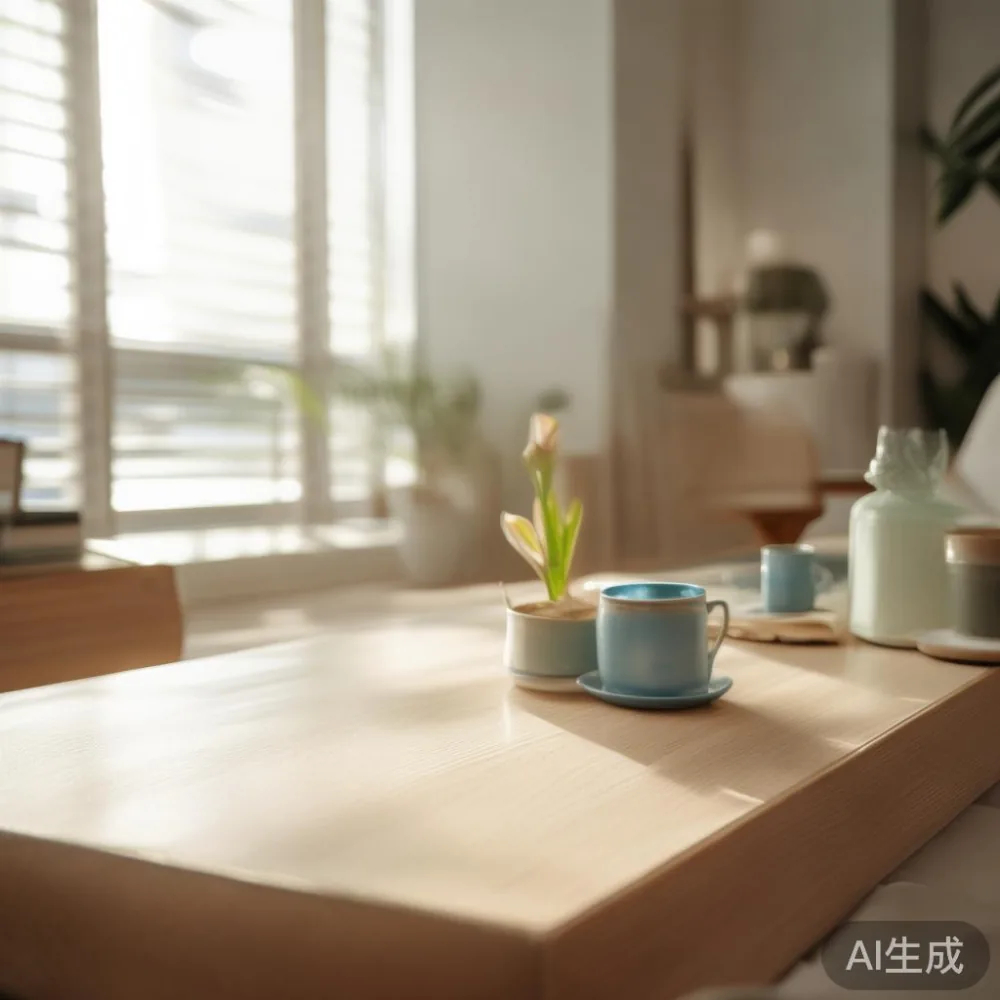
Three local conditions accelerate that cycle. First, the diurnal swing: outdoor relative humidity in Singapore moves from roughly 95 % at 5 a.m. to 60 % at 2 p.m. on a clear day, an 18-kilogram swing of water in every cubic metre of air. Second, the air-conditioning paradox: when you drop a room from 32 °C / 80 % RH to 24 °C / 55 % RH, the wood loses moisture faster than the lacquer can relax, and the finish goes into tension. Third, salt-laden breezes from the East Coast stretch that find their way through corridor windows; sodium chloride is hygroscopic, meaning it pulls moisture from the air and holds it against the lacquer, which is why coastal-style marble tables and lacquered dining tables near Pasir Ris show a fine white bloom that refuses to wipe off.
What Is the Best Daily Routine for a Lacquered Coastal Style Surface?
The honest answer is the dull answer: a thirty-second wipe, every other day, with the right cloth. Microfibre of 220 to 280 gsm is the sweet spot — heavy enough to lift dust without dragging it across the surface, light enough to use one-handed while holding a kopi in the other. Dampen the cloth with distilled water, never tap. Singapore tap water carries roughly 30 mg/L of total dissolved solids; after fifty wipes that residue builds into the haze you are trying to prevent. For a four-seater coastal-style dining table (180 cm × 90 cm is the typical MIDHILL export size for this market), one microfibre pass front-to-back, one side-to-side, then a dry pass with a second cloth, is enough.
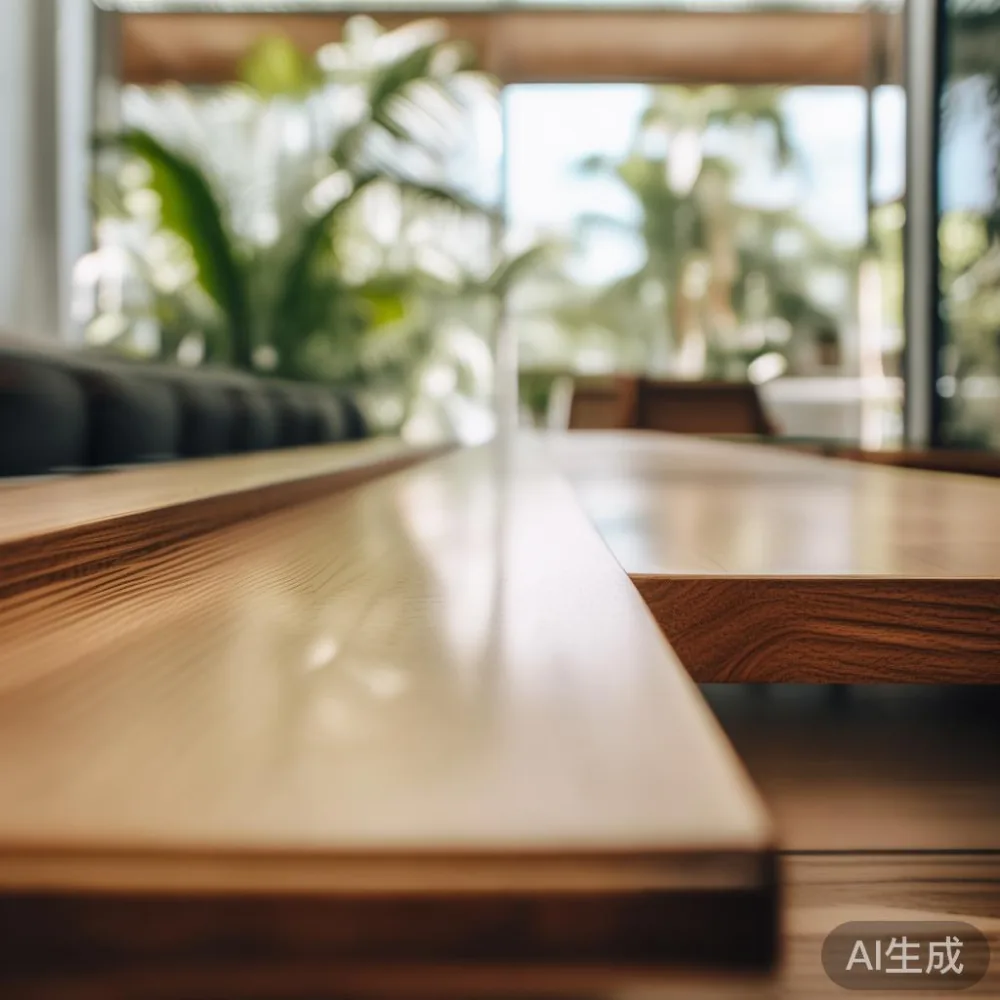
Skip the sprays. Skip the polishes. Skip anything that lists silicone within the first five ingredients, because silicone will give you a showroom shine for one afternoon and a permanent cloudy smear for the next five years. If you want a quarterly treatment, use a paste wax formulated for closed-pore finishes: a 250 g tin costs about SGD 18 at Tiong Bahru specialty hardware, and one tin covers a queen-size coastal-style bed frame plus two nightstands for roughly twelve months. Apply with a linen cloth the size of a postcard, buff with a fresh cloth, and walk away.
How Do I Deal With Rings, Sticky Fingerprints, and the Accidental Curry Splash?
Every household in Singapore has at least one of these three stains. The trick is matching the response to the aggressiveness of the mark, not to your panic level.
For a fresh water ring — say, the base of a glass of bandung left on a coastal-style marble table for under fifteen minutes — blot, do not wipe. Fold a microfibre to a pad 5 cm × 5 cm, press it onto the ring, lift. Repeat with a dry pad. The ring will be 80 % gone; the last 20 % disappears overnight as the lacquer equilibrates with the room. If you wipe, you spread the moisture sideways and push it under the finish, where it will lift a 2 cm to 3 cm blister within a week.
For sticky fingerprints on a coastal-style wardrobe door or a French light luxury bedside cabinet, mix 50 ml of distilled water with one drop of pH-neutral dish soap (the kind that costs SGD 4.50 at FairPrice, with a pH between 6 and 7). Dampen — never soak — a microfibre, wipe the print in a single pass, immediately dry with a second cloth. The single pass matters because dried soap film is the second most common cause of the haze I see on refinished pieces in the workshop, after silicone.
For a curry splash, act within twenty minutes. Curry contains turmeric, oil, and acetic acid; the acid is what scars lacquer permanently. Blot — never scrub — with a dry microfibre to lift the oil phase. Then use the soap-water mix above, single pass, dry immediately. If the splash sat overnight, the pigment will have bonded to the resin and the only fix is a localised scuff-sand with 1500-grit paper, a re-coat of matching lacquer, and a 24-hour cure under a tent of cling film taped to the surrounding surface. MIDHILL offers lifetime refinishing on its export pieces for a reason — because in our climate, even careful owners meet curry within the first year.
What About Air Conditioning, Dehumidifiers, and Corridor Logistics?
Singapore's HDB lift interior is 1.1 m wide × 1.4 m deep, the door is 0.9 m wide, and corridor turns at stairheads are typically 1.2 m to the inside wall. None of those numbers are a problem for a lacquered dining table, but they matter for a coastal-style wardrobe that arrives in two flat-pack cartons of 1.95 m × 0.55 m × 0.12 m each. Measure your corridor bend before you book delivery; we have seen more wardrobes damaged during a Bedok corridor pivot than during the sea freight from our Foshan workshop.
Once the piece is in the room, treat the air around it like a small museum. Set the air-conditioner to 24 °C, not 22 °C — every degree below 24 doubles the moisture gradient between the room and the timber core, and the lacquer pays the bill. Run a dehumidifier in the bedroom for two hours before bed, target 55 % RH, and let it cycle off automatically; a 12-litre Meaco or similar costs SGD 320 to SGD 420 and uses about SGD 3 of electricity per week at current rates. In the living room, a small desiccant tub near the sofa legs (not touching them) absorbs the overnight humidity spike without drying the wood too aggressively. Budget SGD 12 a month for replacement tubs.
If you have a French light luxury dining table near the service yard door, draw the blind whenever the yard door is open. The thirty seconds of salt air that drift in during a laundry cycle deposit chloride ions you cannot see; over six months they form the white bloom I mentioned earlier. For a coastal-style bed frame in the master bedroom, leave 20 cm of clearance behind the headboard against the wall — touching the wall traps moisture and creates the dark crescent stain you see on resale listings.
Can I Refinish a Lacquered Surface Myself, or Should I Call the Workshop?
Small yes, big no. A 2 cm scratch on a coastal-style nightstand is a Saturday afternoon job: 320-grit to flatten the scratch edges, 1500-grit to refine, two passes of aerosol lacquer matched to sheen (satin is roughly 25 % gloss, semi-gloss 55 %, gloss 85 %), 48 hours cure under a dust tent. Budget SGD 28 for a 400 ml can of pre-cat lacquer in matching sheen from a Bukit Merah supplier. Practise on the inside of a wardrobe door first — you will ruin one panel and learn what your spray distance (20 cm to 25 cm) and pass speed feel like, and that single ruined panel is cheaper than any workshop callout.
For anything larger than a dinner-plate area, or any spot where the lacquer has actually lifted from the wood (you will see it as a cloudy oval with darker edges), call a workshop. MIDHILL's refinishing service covers collection in Singapore within 7 to 10 working days, workshop turnaround of 14 to 21 days, and redelivery in protective blanket wrap. The cost is roughly SGD 18 per square foot of affected surface, with a SGD 90 minimum for collection and redelivery within the mainland. A full dining table refinish runs SGD 280 to SGD 420 depending on size; a coastal-style wardrobe full refinish is SGD 540 to SGD 780.
For homeowners exploring how to style French wardrobe in apartment settings, the most common mistake we see is a full-height French piece pushed against an exterior wall in a Punggol eco-corridor unit. The wall runs 4 °C cooler than the room air at night, condensation forms behind the wardrobe, and within a year the back panels show a black tide mark that no surface treatment can hide. Pull the wardrobe 8 cm to 10 cm off the wall and let air circulate behind it.
How Does Coastal Style Furniture Hold Up Compared to Other Aesthetics in This Climate?
Coastal style works well in Singapore because the palette is already honest — washed oak, off-white linen, soft sage — and a small amount of haze blends into the aesthetic instead of fighting it. A high-gloss modern piece shows every fingerprint and humidity micro-bubble; a coastal-style solid wood sofa with a satin finish forgives a missed wipe. The same is true for a coastal-style dining table with a wire-brushed, lime-washed surface: a small scuff looks like another brushstroke, not a defect.
For shoppers browsing for sale Japandi furniture or top 10 French provincial furniture pieces online, the same climate logic applies: ask what finish is on the timber, not just what wood species. Japanese-inspired pieces often use a thin oil finish that needs refreshing every 9 to 12 months in our climate; French provincial pieces almost always use a closed-pore lacquer that is closer to what we have discussed here. A light luxury accent chair in oak or ash with a satin lacquer will outlast a comparable upholstered armchair in a faux-leather finish by 6 to 8 years under the same household conditions.
If you are researching how to choose Italian light luxury sofa options for a condo, narrow the question to two finish tests before you buy. Run your thumb across a sample panel at 45° under the showroom's downlight — a satin lacquer will read as soft and slightly diffused, a gloss will mirror the bulb sharply. Then breathe on the panel for three seconds; the faster the fog clears, the tighter the cure, and the longer the piece will last in a Tampines living room.
What Should I Do Before a Coastal Style Piece Arrives From Overseas?
Lead times matter. A flat-pack coastal-style bed frame from Foshan to a Singapore HDB takes roughly 35 to 45 sea-freight days, plus 7 to 14 days for customs clearance and last-mile delivery. During peak season (June to September), add another 10 days. Allow the piece to sit in its packaging in the receiving room for 72 hours before opening; this lets the timber equilibrate to your indoor climate without a sudden RH jump. Open the cartons, lift the panels out vertically (never drag them — lacquer scratches from cardboard edges in a single pass), and assemble on a clean cotton sheet rather than directly on tile, which can scuff the underside.
Keep the paperwork. MIDHILL's 10-year structural warranty is honoured on a per-piece basis, and our Singapore refinishing partners can match our sheen and colour codes within a 5 % tolerance as long as the original order reference is provided. The 14-day return window starts on the day of delivery, not the day of order; if a panel arrives with a transit scuff, photograph it on the blanket before you sign the delivery acknowledgement, and email the photos within 24 hours. After the 14-day mark, refinishing is a paid service — fair terms, but worth noting on a piece you intend to keep for a decade.
Free shipping in our export programme applies at orders above US$350, which most Singapore households clear with a single coastal-style dining table or a coastal-style wardrobe plus nightstand combination. GST is calculated on the landed cost and collected at the door; budget 9 % on top of the listed SGD price, and you will not be surprised at handover.
Common Questions From Customers in Singapore
Will my lacquered dining table survive a balcony dinner? Only if you bring it back inside within ninety minutes. The drop in temperature after sundown combined with the salt on the breeze is the single most aggressive combination for closed-pore finishes. Use a teak or powder-coated aluminium table for the balcony, and keep the lacquered piece for the dining room.
My nightstand has a faint tide mark two months after delivery. Is this a defect? Unlikely. Tide marks that appear in the first 90 days are almost always moisture interaction with the air in a new home — fresh paint, new screed, or simply an HDB flat that has been aired out after months empty. Wipe with a barely damp microfibre, dry with a second cloth, repeat weekly for a month. If the mark grows or changes colour, photograph it under daylight and email the image to the workshop.
Is the coastal style sheen going to dull over time even with perfect care? A satin lacquer at 25 % gloss will read at roughly 18 % to 20 % after ten years of careful household use. That is not dulling — it is the natural loss of the top 0.01 mm of finish, and it is what gives a piece its lived-in honesty. If you want the showroom sheen back, one workshop buff and recoat restores it in a single day.
Living with lacquer in Singapore is not difficult; it just asks for thirty seconds of attention every other day and one honest workshop call every five to seven years. The pieces you bring into a Tampines flat or a Punggol penthouse will reward that attention with the kind of patina that no factory finish can fake, and the room will look like the coast you wanted even when the window is closed against the rain.