Caring for Lacquered Coastal Furniture in Singapore's Tropical Climate
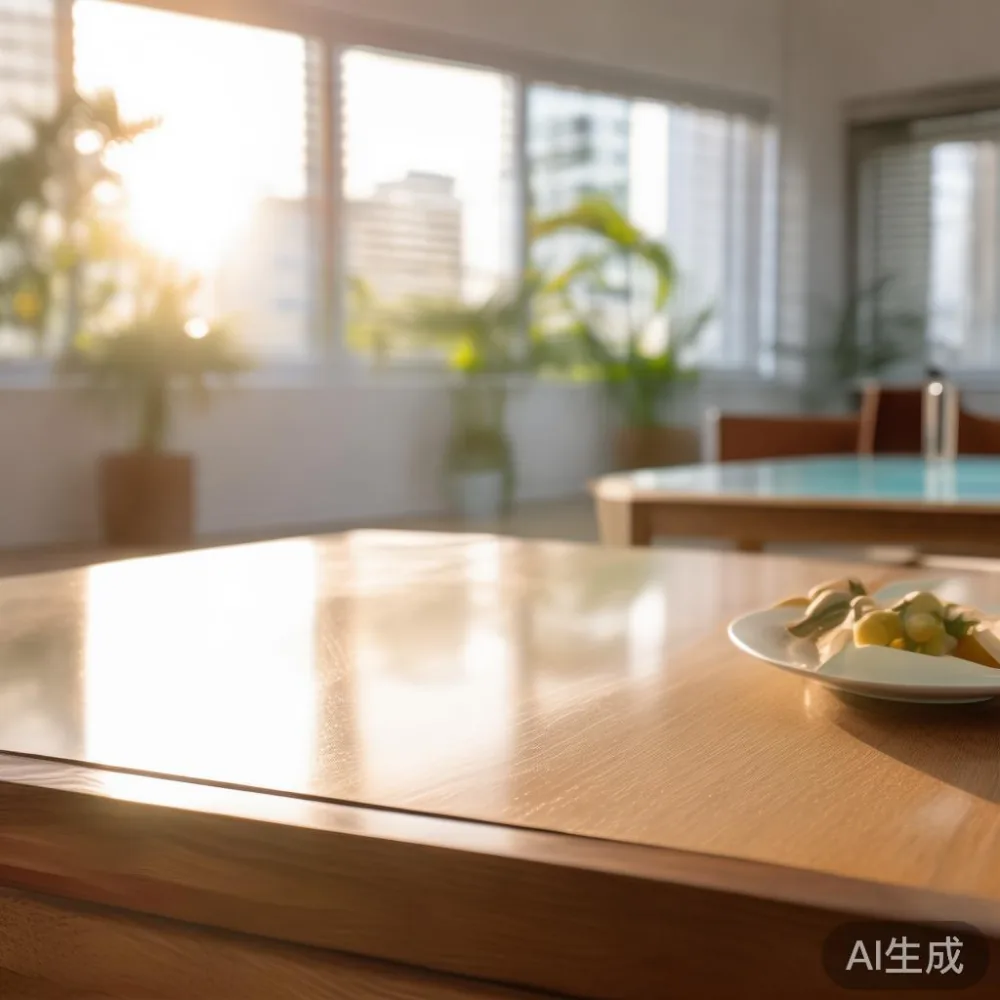
The first time I walked into a Tampines HDB after the owner had installed a brand-new coastal style dining table with a pale oak-toned lacquered top, I noticed something that nobody had warned her about. Within ten days, a faint whitish bloom had crept across the surface near the window. Singapore sits one degree north of the equator. Afternoon humidity in a Punggol flat with cross-ventilation through the corridor-facing windows regularly hits 82 to 88 percent, and that is the normal state of things, not a heatwave. A lacquered finish will survive that, but only if the owner understands what the lacquer is doing and what the climate is doing to it. This guide walks through the care routine I now recommend to every customer I work with, from Bedok 4-room flats to private condos at Punggol Waterway.
Why Singapore's climate is unusually hard on lacquered coastal furniture
Lacquer is a sealed film. On a solid wood dining table, a bed frame, a wardrobe, or a nightstand, it acts as the only barrier between atmospheric moisture and the timber underneath. In a temperate country, indoor relative humidity drifts between roughly 40 and 60 percent across the year. In Singapore, the typical HDB living room stays between 70 and 85 percent, and a poorly ventilated kitchen can climb higher. The problem is not that the lacquer absorbs water. A good polyester or PU lacquer is in effect waterproof. The problem is movement. Solid wood swells when humidity rises and shrinks when it falls, and at 80 percent ambient moisture the swelling can be two to three times what a piece was designed for at the factory.
Coastal style furniture is especially exposed because the look is built on light, low-saturation finishes, whitewashed oak, pale ash, limed teak, weathered driftwood tones, where the lacquer is usually applied in thinner coats to preserve the soft, sun-bleached feel. That thinner film is intentional, but it gives the timber less margin for error. A 180 cm dining table top, for example, can move 2 to 4 mm across its width through a single rainy week if the room is not conditioned.
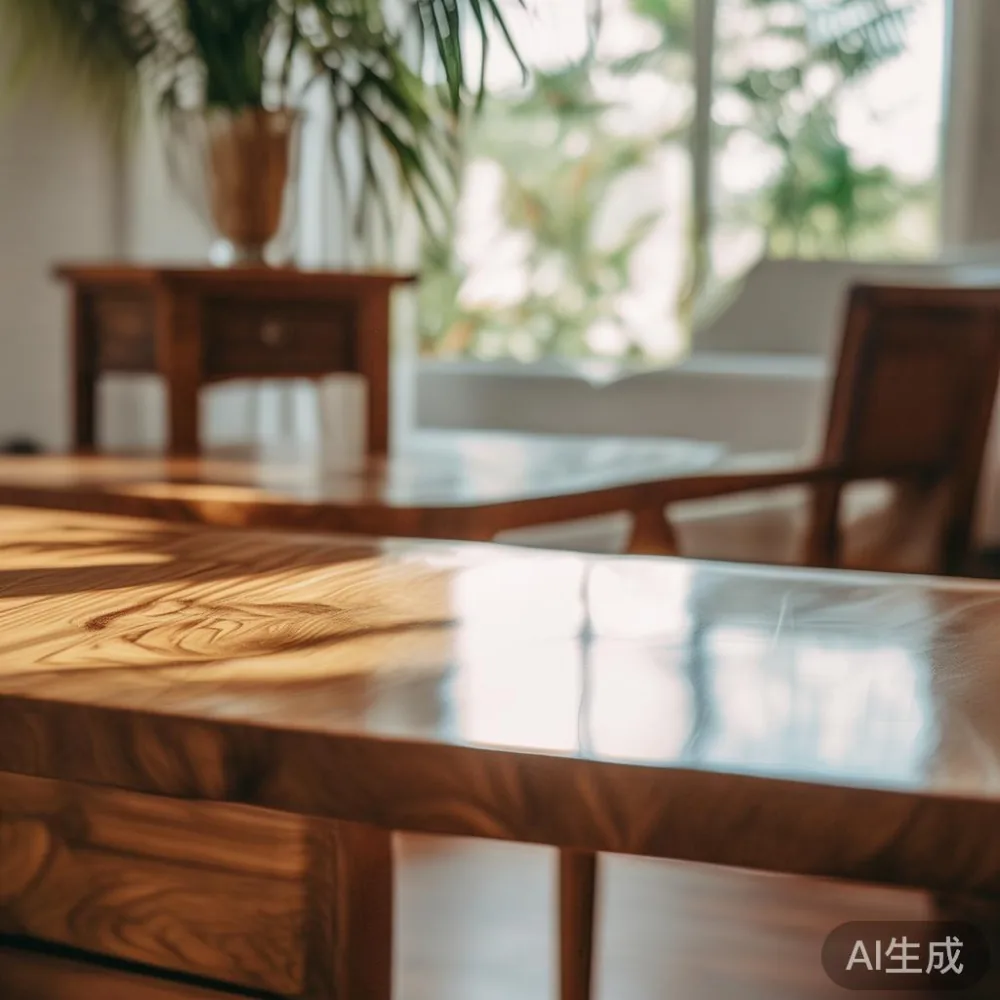
MIDHILL finishes its coastal range with a multi-coat build (typically three sealer coats plus two topcoats at 35 to 45 microns per coat) specifically because the brand ships into equatorial markets. That kind of build matters more than the marketing copy suggests.
How often should you actually wipe a lacquered coastal surface?
Once every three to four days is enough for a daily-use dining table in a Tampines condo. Once a week is plenty for a bed frame, a wardrobe exterior, or a nightstand that only sees a lamp and a phone. The mistake I see constantly is the opposite of neglect. People wipe their solid wood dining table twice a day with a damp microfiber cloth because they read somewhere that wood likes moisture. In Singapore it does not. The cloth should be barely damp, almost dry, and you should follow it with a dry pass within sixty seconds. Standing water is the only real enemy of a cured lacquer film.
For sticky spills, fruit juice, soy sauce, sambal, the usual HDB culprits, blot first, then wipe with a soft cloth wrung out in water with a single drop of pH-neutral dish soap per 500 ml. Wipe again with a clean damp cloth to remove residue, then dry. The whole process for a 150 x 90 cm dining table top should take under three minutes.
What is the difference between Japandi queen bed and modern furniture?
A Japandi queen bed uses a low 18 to 25 cm platform profile, slatted support, and finishes in matte natural tones with very little sheen, while modern furniture in the light-luxury and French light luxury tradition uses higher 35 to 50 cm profiles, mixed materials such as marble table tops paired with metal accents, and higher-sheen lacquer or veneer finishes. The construction logic differs too: a Japandi queen bed emphasizes visible solid timber joinery and a calm, almost monastic palette; American light luxury and post-modern light luxury beds lean on sculptural headboards, padded panels, and contrast stitching that frames the bed as the visual anchor of the room. In a coastal style setting, the Japandi queen bed reads quieter and more architectural, the light-luxury modern bed reads more decorative.
This matters for care because the matte finishes common on Japandi frames show water spots more readily than the higher-sheen post-modern light luxury finishes. If you choose a coastal Japandi queen bed for a Bedok master bedroom, plan to use coasters under every glass and wipe with a barely damp cloth rather than a wet one. The lacquer film is the same chemistry, but the lower sheen shows everything.
The lift, the corridor, and the first 48 hours after delivery
Singapore HDB logistics are a constraint that nobody outside the country thinks about until they are standing in a Tampines lift measuring the clearance. Most HDB passenger lifts are 1.1 m wide by 1.4 m deep, with a door opening of 0.9 m. Corridors are typically 1.2 to 1.5 m wide. A king-size coastal bed frame in a flat-pack box will usually go in. A fully assembled 2 m dining table will not, and I have watched two separate Bedok families discover this on a Sunday morning. Always confirm the assembled dimensions and the carton dimensions before you confirm a purchase, and budget for SGD 80 to SGD 180 for a hand-carry delivery if the lift is the limiting factor.
Once the piece is inside, give it 48 hours to acclimatize before you wipe it for the first time. The timber is moving from a warehouse at maybe 60 percent humidity to a HDB at 80 percent, and the lacquer needs that window to flex without being stressed by a wet wipe on day one. If you bought from a brand with proper Singapore-wide delivery, including GST on the invoice, this 48-hour pause is the single cheapest thing you can do for your new coastal style dining table or wardrobe.
Last month I visited a Punggol Waterway condo where the owner had skipped the pause on a 6-seater coastal dining table. Two weeks later she sent a photo of a hairline crack along the breadboard end. The piece was not at fault. The room was not conditioned, and the table had been wiped twice on day one.
What humidity level should you actually maintain indoors?
Between 55 and 65 percent relative humidity is the comfortable range for lacquered coastal furniture in Singapore. Anything below 50 percent, which can happen in an over-air-conditioned bedroom set to 22 degrees all night, will dry the timber and raise the risk of surface checks at the joints of a bed frame or the mitres of a wardrobe door. Anything above 75 percent sustained for a week or more will push the lacquer film and may cause the cloudy bloom I described in the Tampines flat.
A basic hygrometer costs SGD 18 to SGD 35 at any Tampines Mall homeware shop. A small dehumidifier rated at 12 L per day, the kind that fits beside a wardrobe in a 4-room HDB, costs SGD 220 to SGD 380 and pulls a hood over a 20 sqm room. Running it eight hours overnight in the worst humid months usually keeps the space inside the 55 to 65 percent band and protects every lacquered surface in the room, from a marble table accent piece to a full coastal style wardrobe.
Air conditioning itself helps. A room held at 24 to 25 degrees typically settles around 60 percent humidity, which is exactly the band you want.
What should you never put on a lacquered coastal surface?
Three things. Hot cookware straight from the stove or oven, even with a trivet, because the radiant heat exceeds what a 35-micron lacquer film is built for. Rubber or latex mats that trap moisture against the surface, including the popular grey drawer liners shipped with some wardrobe kits. And any cleaner containing silicone oil or wax, including most generic "wood polish" sprays, because they leave a film that fogs under high humidity and is genuinely difficult to remove.
If a surface looks tired after two or three years, the right response is not to polish it harder. The right response is a light buff with a soft pad and a tiny amount of paste wax designed for lacquered furniture, applied once, then left alone for a year. Branded refinishing services in Singapore charge SGD 120 to SGD 280 per dining table top for an on-site refresh, which is sensible if the piece is a high-value solid wood dining table or a substantial coastal style bed frame.
How does MIDHILL's warranty and service policy fit this care routine?
MIDHILL, a Foshan-based solid wood maker established in 2008, backs its coastal range with a 10-year structural warranty on joinery and load-bearing components and offers lifetime refinishing on lacquered surfaces for pieces in its service network. For a Singapore customer, that combination is meaningful. The structural warranty covers the bed frame rails, the dining table aprons, the wardrobe carcass panels, the joints that actually carry load. The lifetime refinishing covers the wear surface, the part of a dining table or nightstand that surface most in daily life.
Free shipping applies over a sensible order threshold, which matters when you are ordering a coastal style dining table, a queen bed, and a matching wardrobe in one go. The 14-day return window covers cosmetic concerns if you inspect the piece within the first 48 hours of acclimatization rather than on day one. And yes, MIDHILL publishes its return policy in plain language on its site, including for items such as a beige rubberwood return policy line in the coastal collection, which is worth reading before you confirm a wardrobe or a nightstand order.
None of those policies replace daily care, but they raise the floor. A Singapore HDB owner who keeps humidity in the 55 to 65 percent band, wipes with a barely damp microfiber, skips the silicone polishes, and gives new pieces 48 hours to acclimatize will get decades of service from a coastal style solid wood dining table, a coastal style queen bed, and the rest of the range. The tropical climate is not kind to lacquer. With a routine that respects both the timber and the weather, it does not need to be unkind either.