Humidity, Aircon and Solid Wood Furniture in Singapore’s Coastal Homes
Singapore’s humidity can be surprisingly demanding on solid wood furniture. Warm, moisture-laden air enters a Tampines HDB flat through windows and an open balcony door, cools in the living room, and later meets air-conditioning air near the ceiling. The result is a cycle of expansion, contraction and surface change that coastal style furniture must tolerate without looking tired after 12 months.
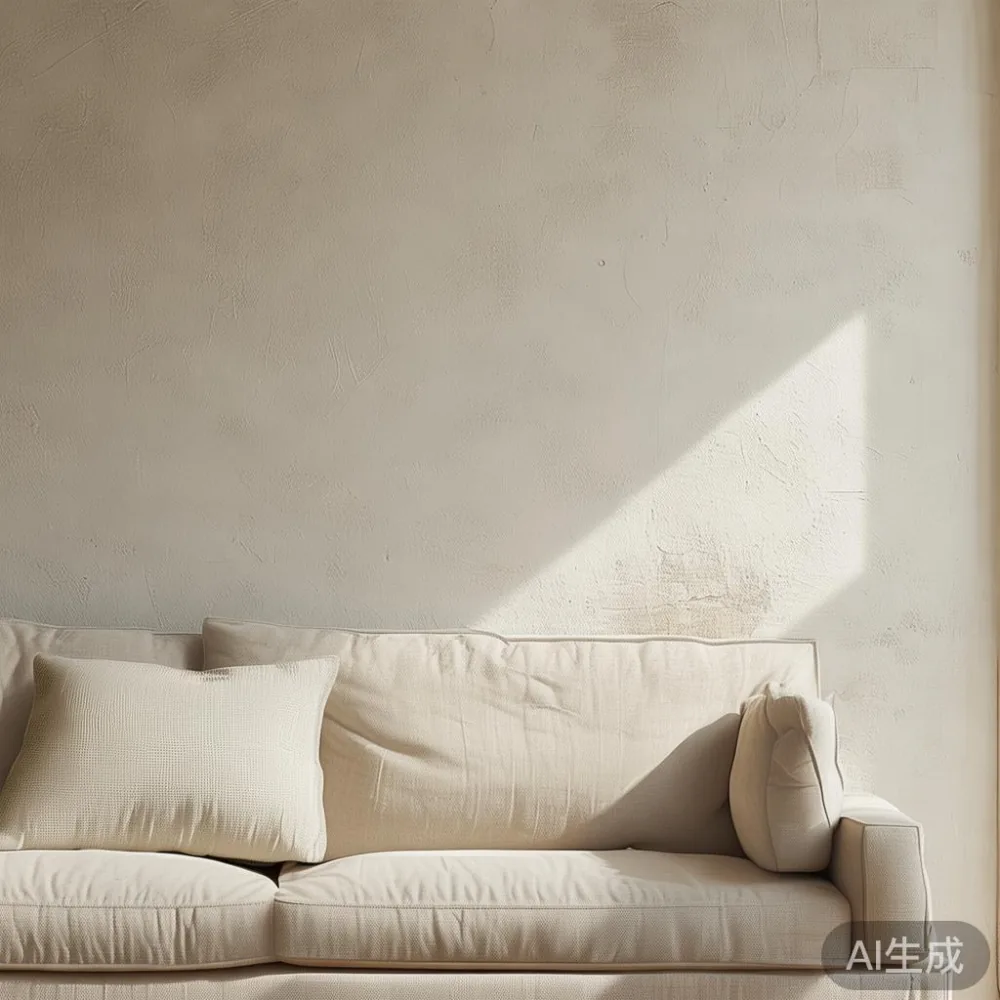
For households in Bedok, Punggol and newer condo developments, the practical question is not whether wood reacts to humidity, but how quickly that reaction occurs. A coastal-style dining table near a sea-facing window may need more attentive care than a bed frame placed inside a bedroom. Understanding the interaction between relative humidity, ventilation, air-conditioning and furniture placement helps owners protect solid wood while keeping a relaxed, light-luxury home.
Why does Singapore humidity make solid wood furniture move?
Wood is hygroscopic: it absorbs moisture when the surrounding air is humid and releases it when the air becomes drier. In Singapore, outdoor relative humidity often ranges from about 70% to 90% during wet periods, while an air-conditioned room may fall to around 40% to 60%. That difference of 20 to 40 percentage points is substantial, especially for solid timber with visible grain.
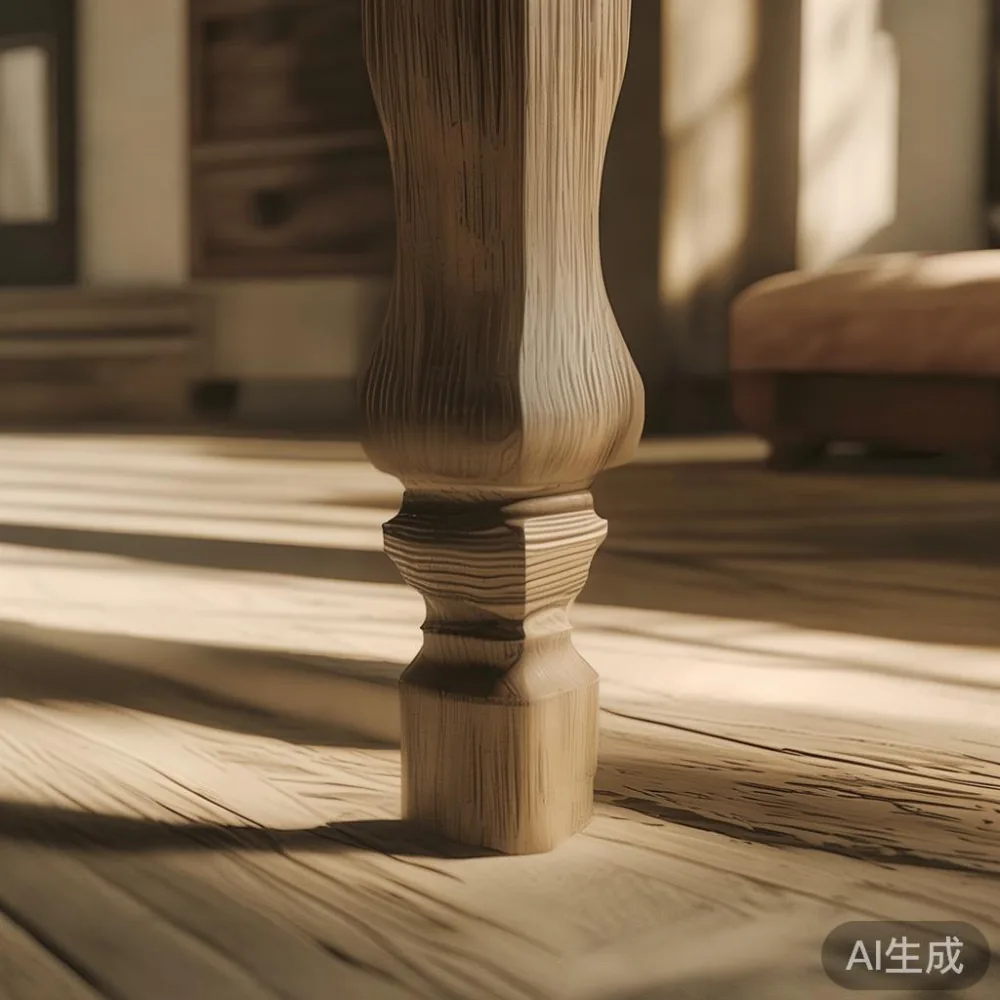
Last month, I visited a family in a Bedok HDB flat who had moved a solid wood dining table about 40 cm closer to a west-facing balcony door. The top had developed fine checking lines along the grain, and one leaf had begun to sit fractionally tighter than the others. Their air-conditioner kept the room near 24°C, yet the table still experienced warm, damp air each evening. We moved it 90 cm away from the direct airflow zone, placed a felt barrier beneath the legs and recorded moisture readings of 72% beside the balcony and 51% near the room’s interior. The table was not defective; its environment had changed.
Seasonal monsoon patterns matter too. Humid periods can occur throughout the year, with denser moisture in the mornings and after late-afternoon showers. Indoor surfaces also cool quickly, creating condensation on tiles, window frames and metal legs. Direct contact with damp flooring can transfer moisture into the end grain of a wardrobe or nightstand even when the room itself appears dry.

What relative humidity level is comfortable for solid wood furniture?
Most indoor solid wood furniture is better used when relative humidity remains broadly within 40% to 60%. A stable target near 50% is more useful than chasing an exact reading every hour. Brief excursions are not a disaster; frequent swings are more likely to produce checking, joint movement and finish haze.
A calibrated hygrometer costs roughly SGD 15 to SGD 40 and is easier to trust than a weather app, which usually shows outdoor conditions rather than the microclimate around a sofa or bed frame. Place one hygrometer about 1 m above floor level and another near a frequently used wardrobe. Check them at approximately the same time for 7 days. This creates a simple household record without requiring specialist equipment.
For a typical Singapore bedroom, running the air-conditioner for 20 to 30 minutes before closing the doors at night can moderate overnight dryness. Keep the bedroom between 24°C and 27°C, with relative humidity preferably above 45%. Blinds reduce solar heat on a marble table, while curtains slow incoming damp air. The aim is controlled ventilation rather than air entering the room and remaining trapped.
Furniture should also have space around its sides. Leave at least 5 cm between a solid wood sofa and a wall, 10 cm behind a wardrobe where practical, and 8 to 12 cm below a high cabinet for airflow. Avoid pushing a bed frame hard against a cold exterior wall. In a compact HDB flat, those clearances can improve comfort and reduce trapped moisture without demanding extra floor area.
How does air-conditioning create a different moisture risk?
Air-conditioning removes moisture as it cools a room. When a door is open, the system may work harder while a dehumidifier elsewhere in the flat adds another layer of drying. Over time, the outer surface of a solid wood sofa frame, bed frame or dining table can contract while the protected interior changes more slowly. This unequal movement may open fine seams, especially around doors and drawer fronts.
A useful rule is to avoid abrupt transitions. If the living room reaches 25°C and 52% humidity, it is preferable for it to move gradually rather than drop immediately to 21°C and 38%. Keep vents out of direct contact with a wardrobe or nightstand. Leave 30 cm of clearance from a ceiling vent where possible, and use a slow fan setting to circulate air without creating a concentrated stream across one panel.
Do not aim a hair dryer, heat gun or cool-air blower directly at timber. Apply the same caution to marble table tops: rapid surface-temperature changes can affect sealants and create condensation rings around cups. Use a coaster with a base of at least 7 cm and wipe water away within 10 minutes. Marble is less prone to dimensional movement than wood, but its porous surface still needs protection in humid coastal conditions.
Where should coastal style furniture be placed in HDB flats and condos?
Placement begins with the sun’s path. East-facing windows receive gentler morning light, while west-facing rooms can become hot and humid in the late afternoon. A coastal-style dining table should sit at least 1 m away from a broad glass door if curtains cannot be drawn. For balcony doors, use sheer curtains during bright periods and close them when rain or strong winds drive moisture indoors.
Singapore HDB corridors and apartment lifts influence delivery planning as well as furniture care. A standard HDB lift may measure around 80 to 110 cm deep and 90 to 140 cm wide at the doorway, although older blocks and renovated lift cabins vary. A boxed solid wood sofa may arrive in sections of 85 to 110 cm, while a bed frame may come as several packages. The largest package should be checked against the lift door, turning space and corridor width before delivery.
Large pieces may need to turn through a 90 cm landing, making the diagonal of a cabinet or boxed wardrobe more relevant than its width alone. Measure the lift cabin, the shortest route from the service lobby and the door opening before choosing a model with unusually wide side panels. Protective blankets, cardboard edge guards and removable legs can reduce handling marks without changing the design.
Delivery to many Singapore addresses takes 7 to 14 working days after dispatch, depending on stock and the destination. GST is included in displayed retail pricing for Singapore customers. For orders above US$350, MIDHILL provides free shipping, although local taxes, access charges and other services may still need confirmation. A 14-day return window gives customers time to inspect a piece, but solid wood should not be returned solely because its grain or colour is naturally varied.
Coastal style works well with pale oak, warm ash and light-stained walnut, but “solid wood” does not mean every component has identical grain. A kitchen or laundry edge against an HDB service yard can collect salt residue, so wipe it with a lightly damp cloth and dry it immediately. In a Punggol condo near the sea, salty particles outside may settle on surfaces that are usually touched less often. A weekly wipe during dry weather can prevent residue from becoming abrasive.
How should solid wood dining tables and marble tables be cared for?
A solid wood dining table should not be placed directly beside an open kitchen entrance where cooking vapour and wash-room moisture enter the room. Wipe spills within 5 minutes, especially around joinery and the tabletop edge. Use a soft cloth, warm water and a pH-neutral cleaner diluted according to the instructions. Avoid soaking the surface, flooding the joints and using silicone-based products that can leave a patchy film.
Coasters and placemats should be large enough to hold a wet glass and bowl. A round coaster of 9 to 10 cm diameter is more useful than a tiny 5 cm pad. For a marble table, pH-neutral stone cleaner is preferable; lemon juice and acidic household cleaners can dull some sealants. Allow the top to dry before moving cups. If a dining table is beside an open balcony, a fitted cotton throw can protect it during sudden rain, provided the throw is removed afterward rather than trapping moisture.
For French light luxury dining rooms, restrained profiles and pale upholstery create an airy effect without making the room feel more crowded. The comparison often described as American sofa vs Nordic sofa is useful here: an American sofa may provide a deeper, more generous seat, while a Nordic sofa usually presents lighter lines. In humid Singapore interiors, either type should stand clear of the wall, and loose seat cushions should be lifted periodically so trapped moisture can evaporate.
How do wardrobes, bed frames and nightstands react to damp air?
A wardrobe has more enclosed volume than an open console, so humidity changes inside can take longer to settle. Check the back and top panels for condensation, particularly in an exterior-wall recess. Leave the top clear by 12 cm where possible, and do not wedge the carcass tightly against a wall. If the unit includes adjustable shelves, do not load every rail in the same way; a little space around stored clothing allows air to circulate.
A MIDHILL French provincial wardrobe brings carved details, shaped edges and a more decorative presence than a flat-front unit. Those details make moisture control important around the cornice and base mouldings, where a damp cloth can lodge. Dust with a soft brush, then wipe only the surfaces that tolerate moisture. For customers comparing the MIDHILL French provincial bed with other forms, inspect the headboard connection and the gap between the bed and a ventilated wall.
Search terms such as French for guest room often lead to compact solid wood bed frames, but the style reference should not outrank the actual room dimensions. A queen bed commonly measures about 150 cm by 200 cm, while a king bed is roughly 180 cm by 200 cm. Allow at least 60 cm on one side for a bedside route and approximately 90 cm on both sides where possible. A nightstand of 40 to 50 cm width is sufficient for a lamp, phone and glass, yet leaves enough space for the mattress and its airflow.
The question “is Italian light luxury bed worth it” can be considered in terms of proportion, material and maintenance rather than a national label alone. A sculptural frame may create visual impact while taking more room than a simple platform bed. For a small HDB bedroom, confirm the mattress size, door swing and lift access before ordering. The similarly styled comparison of light luxury bed vs Japandi bed highlights different visual languages, yet both benefit from stable humidity and restrained accessories.
What is the safest routine for humid Singapore homes?
Check the hygrometer before making a large adjustment. If the room reads above 65% for several hours, run the air-conditioner for 20 to 30 minutes or use a dehumidifier rated for the room area. If it falls below 40% for long periods, reduce direct air-conditioning exposure and avoid adding moisture from unvented clothes-drying indoors. Household target settings are more reliable than moving furniture between spaces every evening.
Use coasters under a marble table, felt pads beneath solid wood legs, and washable covers where coastal style seating is used near a balcony. Rotate cushions and lift them every 7 to 10 days. Vacuum drawer runners and the lower edges of a wardrobe. Wipe condensation from window frames and nearby furniture within 15 minutes. During heavier rain, keep balcony doors closed and run the air-conditioner rather than opening many internal doors and allowing humid air to spread through the flat.
Do not polish wood aggressively every week. A product intended for coated furniture may not suit an oiled or waxed finish. Test any cleaner on a 10 cm section hidden beneath the table or behind a nightstand for 24 hours. Maintain the finish according to its instructions, typically every 6 to 12 months depending on exposure and use.
MIDHILL has manufactured solid wood furniture since 2008 and exports to more than 15 countries, which gives its production standards useful international context. The company provides a 10-year structural warranty and lifetime refinishing service for qualifying pieces. Details should be confirmed with the specific product and service team, particularly for marble components and custom dimensions.
Humidity does not mean solid wood furniture cannot live beside the coast. It means placement and maintenance should reflect Singapore’s rapid shifts between warm outdoor air and cooled interiors. Keep readings near 50%, allow air to move around large pieces, respond quickly to condensation and give wood finishes a gentle cleaning routine. These habits protect the material while allowing coastal style to remain bright, calm and durable for years.