Preserving the Shine: Caring for Lacquered Furniture in Singapore
Living in Singapore, with its perpetual summer and high humidity, presents a unique set of challenges for maintaining the beauty of fine furniture. For those who appreciate the clean lines, airy feel, and relaxed elegance of coastal style, protecting your investment is a year-round priority. A beautifully lacquered piece, whether it's a solid wood dining table or a sleek marble table, can transform a space, but its glossy finish requires specific attention to stay flawless. This guide will walk you through the practical steps of caring for lacquered surfaces, tailored specifically to the environment of our HDB flats and condos, from the narrow corridors of Tampines to the modern layouts of Punggol.

Understanding Lacquer: Your Furniture's Protective Shield
Lacquer is not a simple paint; it's a durable, high-gloss finish applied in multiple thin layers. It creates a hard, non-porous surface that is highly resistant to scratches, stains, and moisture. This makes it an excellent choice for coastal style furniture, as it complements the light, breezy aesthetic while offering superior protection. However, this very durability can be compromised by environmental factors. Singapore's average humidity hovers around 80%, and temperatures often climb above 31°C. This combination can cause the wood underneath the lacquer to expand and contract subtly over time. While high-quality lacquer is flexible enough to handle this minor movement, improper care can lead to cloudiness, hazing, or even peeling. Understanding this dynamic helps you appreciate why a gentle, consistent maintenance routine is so important for preserving the integrity of your furniture's finish.
Why Singapore's Climate Poses a Unique Challenge for Lacquer
The constant humidity in Singapore means your furniture is always exposed to moisture in the air. This isn't just a problem on rainy days; it's a 24/7 reality. For lacquered surfaces, this moisture can find its way into the tiniest imperfections—a microscopic scratch, a dust particle left behind—and become trapped. When the sun streams through your windows, this trapped moisture can heat up, creating a cloudy or hazy appearance on the otherwise clear lacquer. This effect is often most noticeable on large, flat surfaces like a dining table or the top of a solid wood bed frame. Also, the air conditioning in our homes, while a welcome relief, can create localized cold spots. If a cold glass of water is placed directly on a lacquered surface without a coaster, the resulting condensation can be enough to leave a permanent ring if not wiped away immediately. The key to preventing these issues is not just cleaning, but cleaning correctly and proactively.
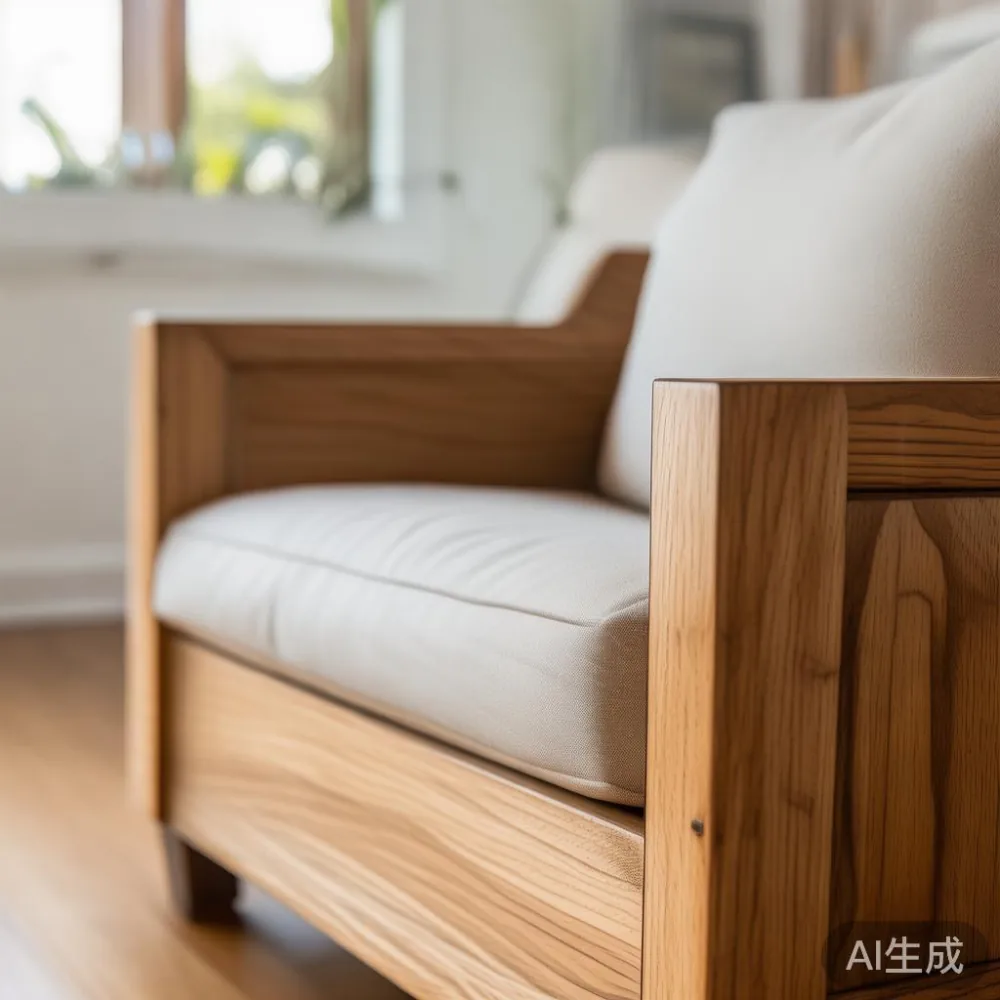
How Often Should You Clean Your Lacquered Furniture?
Establishing a regular cleaning schedule is the single most effective way to protect your lacquered surfaces. For everyday upkeep, a simple dusting is sufficient. Use a soft, lint-free microfiber cloth. Avoid feather dusters, as they can push dust particles across the surface, potentially causing fine scratches. A quick wipe-down every 2-3 days is ideal, especially in high-traffic areas like the living room where a solid wood sofa might see daily use. For a more thorough clean, a weekly wipe-down with a damp cloth is recommended. The cloth should be lightly damp, not wet—wringing it out until it's almost dry is a good rule of thumb. This weekly routine removes any accumulated dust, skin oils, or minor grime before they have a chance to build up and affect the finish. Remember, consistency is more important than intensity. A gentle, regular approach is far better than an occasional, aggressive scrubbing session.
What Cleaning Products Should You Use (and Avoid) on Lacquer?
The products you use are just as important as the frequency of cleaning. For lacquered furniture, less is more. A simple solution of warm water and a drop of a very mild, pH-neutral dish soap is all you need for most cleaning tasks. Mix one part soap with about ten parts warm water. Dip your cloth in the solution, wring it out thoroughly, and then wipe the surface in a smooth, even motion. Always wipe in the direction of the wood grain if it's visible underneath. After wiping, immediately follow up with a dry, clean microfiber cloth to buff the surface and remove any remaining moisture. This two-step process prevents water spots.
There are several products you should strictly avoid. Never use abrasive cleaners, scouring powders, or harsh chemical solvents like acetone or bleach. These will strip away the lacquer finish, leaving a dull, damaged patch. Similarly, avoid oil-based furniture polishes or waxes. While they might provide a temporary shine, they can build up over time, creating a cloudy film that is difficult to remove and attracts more dust. The goal is to clean the lacquer, not to coat it. If you're considering a dedicated furniture cleaner, choose one explicitly labeled for use on lacquer or high-gloss finishes. A good quality cleaner costs around SGD 25 for a 500ml bottle and should last for many months with regular use.
Can Direct Sunlight Damage My Lacquered Furniture?
Absolutely. This is a critical question many homeowners overlook. While Singapore's abundant natural light is a wonderful feature for any home, it is the number one enemy of lacquer finishes. Prolonged, direct exposure to UV rays will cause the lacquer to fade and yellow over time. The effect is similar to how a plastic toy left in the sun becomes discolored. This fading is irreversible and can make a once-pristine piece of coastal style furniture look old and tired before its time.
To protect your furniture, be mindful of window placement. If a large dining table or a solid wood sofa is in a room with direct sun for several hours a day, consider installing UV-blocking window film. This film can block up to 99% of harmful UV rays and is a relatively affordable solution, with prices starting from around SGD 80 per square meter for a standard installation. You can also use sheer curtains or blinds to filter the light, allowing the airy feel of coastal style to remain while protecting your furniture. Simply closing the curtains during the peak sun hours, roughly from 11 AM to 3 PM, can make a significant difference in preserving the lacquer's original colour and clarity.
Preventing Heat and Water Rings on Your Dining Table
The dining table is often the centrepiece of a home, and it's also one of the most vulnerable surfaces. Hot plates, cold glasses, and wet dishes can all leave their mark. Preventing heat and water rings is a matter of habit and using the right accessories.
For hot dishes, always use trivets or heat-resistant mats. A cork trivet is an excellent choice as it absorbs heat and is gentle on the lacquer. Place it under any serving dish, casserole, or hot beverage container before setting it on the table. For cold glasses and bottles, coasters are non-negotiable. Choose coasters with a soft, absorbent backing, like felt or cork, to prevent condensation from seeping underneath. Marble coasters are a beautiful option that complements coastal style and are naturally cool to the touch. A set of four high-quality marble coasters will cost approximately SGD 60 and will protect your table for years. Spills should be wiped up immediately with a soft, dry cloth. The longer a liquid sits, the greater the chance it will penetrate the finish or leave a stain. By making these small habits part of your routine, you can keep your dining table looking pristine.
Moving Furniture in a Singapore Flat: A Practical Guide
Whether you're moving into a new HDB flat in Bedok or rearranging your condo in Punggol, moving large furniture requires care to avoid damaging the lacquer. Singapore's public housing has standardised corridor and lift sizes. An HDB lift is typically 110 cm wide by 210 cm deep, while a condo lift might be slightly larger, at 140 cm by 140 cm. This means you need to plan your route carefully.
Before moving any piece, like a wardrobe or a solid wood bed frame, remove all drawers and shelves. This not only makes the piece lighter but also prevents the contents from shifting and causing internal damage. Wrap the furniture in thick moving blankets or old bedsheets to protect the lacquer from scratches and bumps during transit. When working through tight corners or doorways, slide the furniture rather than dragging it. If you need to lift it, ensure you have enough people. A wardrobe can weigh between 80 kg and 150 kg, so having at least two strong helpers is a good idea. For heavier items like a marble table, it's often worth hiring professional movers. A standard local move within Singapore costs between SGD 300 and SGD 600, depending on the distance and the number of items. The peace of mind knowing your valuable furniture is handled by experts is worth the investment.
My Colleague's Experience: A Lesson in Lacquer Care
Last month, I visited my colleague, Sarah, at her new condominium in Tampines. She had recently invested in a stunning light luxury for dining room set from MIDHILL—a beautiful solid wood dining table with a high-gloss lacquer finish. She was proud of her purchase but seemed worried about maintaining it in her ground-floor unit, which gets very humid. She had been using a regular furniture spray she bought at a local store, thinking it would add extra shine.
I noticed the table had a slightly dull, cloudy patch near the centre. When I asked about it, she mentioned she had wiped a spilled drink with a paper towel the week before. The combination of the paper towel's rough fibres and the residual moisture from the spill had created the haze. I showed her the correct method: a damp microfiber cloth followed immediately by a dry one. To her relief, the haze came out completely. We also went through her cleaning supplies and threw out the abrasive spray. She was relieved to learn that her simple routine of dusting and a proper weekly clean was all she needed. Her story was a perfect example of how easy it is to accidentally damage a finish with the wrong tools, but also how quickly it can be restored with the right knowledge. It reinforced the importance of sticking to a gentle, consistent maintenance plan.
When to Call a Professional for Refinishing
Despite the best care, accidents can happen. A deep scratch, a large water ring, or significant peeling of the lacquer are issues that require professional attention. This is where the value of a good warranty becomes clear. Many reputable furniture makers offer services like lifetime refinishing. This means if the lacquer on your piece is damaged beyond simple repair, they will strip it down and refinish it to its original condition. This is an invaluable service that can extend the life of your furniture for decades.
For example, if you own a French light luxury style wardrobe and the lacquer on the door is deeply scratched, attempting to repair it yourself with store-bought touch-up pens can often make the damage look worse. A professional refinishing job will restore the smooth, glossy finish that is characteristic of high-quality furniture. The process typically involves sanding down the existing lacquer, applying multiple new layers, and polishing to a perfect shine. This service is often included in the purchase price of premium pieces, so it's wise to confirm the warranty terms when you buy. A full refinishing job can cost several thousand dollars if done independently, so having it covered under warranty is a significant benefit.
Integrating Lacquered Furniture into Your Coastal Style Home
Caring for your furniture is only one part of the equation. The other is how it fits into your design aesthetic. Coastal style is all about creating a light, airy, and serene environment. Lacquered furniture contributes to this in several ways. The high-gloss finish reflects light, making a room feel brighter and more spacious. This is particularly effective in smaller Singapore apartments, where maximising natural light is key.
A solid wood sofa with a light-coloured lacquer finish can serve as a statement piece in a living room, its clean lines embodying the minimalist principles of coastal style. Paired with a marble table in a neutral tone like white or grey, you create a sophisticated yet relaxed vibe. The key is balance. Too many glossy surfaces can feel cold, so pair your lacquered pieces with natural materials. Think of a solid wood nightstand with a matte finish or a linen-upholstered chair. This mix of textures—glossy lacquer, warm wood, soft fabric—is what gives coastal style its depth and character. It’s about creating a harmonious space that feels both elegant and lived-in, a sanctuary from the busy city outside.
MIDHILL's Commitment to Quality and Peace of Mind
When selecting furniture for your home, especially for a demanding environment like Singapore, the quality of the materials and the finish is paramount. A well-made piece of furniture should be an enduring part of your life, not something that needs constant replacement or repair. This philosophy is central to brands that focus on craftsmanship and longevity. For instance, a customer looking for how to choose Mid-century modern sofa might consider the construction and finish as much as the style. A high-quality sofa will feature a durable, well-applied lacquer that can withstand the rigours of daily use.
Similarly, the choice between a French sofa vs Italian light luxury sofa often comes down to the subtleties of the finish and the materials used. Italian light luxury for hotel projects, for example, is chosen for its exceptional durability and easy maintenance, qualities that are equally important in a residential setting. A company established in 2008, with a track record of exporting to 15+ countries, understands the diverse challenges furniture faces in different climates. They offer a 10-year structural warranty and lifetime refinishing, which speaks volumes about their confidence in their product's longevity. This level of assurance allows homeowners to enjoy their beautiful furniture without the constant worry, knowing that it is built to last and that support is always available. For those considering a European light luxury for office, this same commitment to quality ensures that the furniture maintains its professional appearance for years to come.
Final Thoughts on Enjoying Your Lacquered Furniture
Owning fine lacquered furniture is a pleasure. The way it catches the light, its smooth, cool surface, and its ability to improves a room are undeniable. By understanding the specific challenges of Singapore's climate and adopting a simple, consistent care routine, you can ensure that your furniture remains as beautiful as the day you bought it. It’s about developing good habits: dusting regularly, using coasters and trivets, cleaning up spills immediately, and protecting from direct sunlight.
Remember, your furniture is meant to be used and enjoyed. Don't be so afraid of damaging it that you stop living in your home. The coastal style is about creating a comfortable, inviting atmosphere, and your furniture is a key part of that. With a little bit of care, you can have the best of both worlds—a home that is both stylish and practical, where every piece looks its best for years to come.