How Southeast Asian Humidity Affects Solid Wood Furniture
Humidity is rarely discussed when Singaporeans shop for furniture, yet it has a direct effect on how a solid wood sofa, bed frame, dining table, wardrobe, or nightstand behaves inside a home. Warm, moist air can cause timber to swell, shrink, cup, or develop small surface marks. The movement is not automatically a defect: stable, properly made solid wood furniture is designed to respond to its surroundings. Problems begin when moisture changes are rapid, ventilation is poor, or low-quality joinery and finishing cannot accommodate normal seasonal movement.
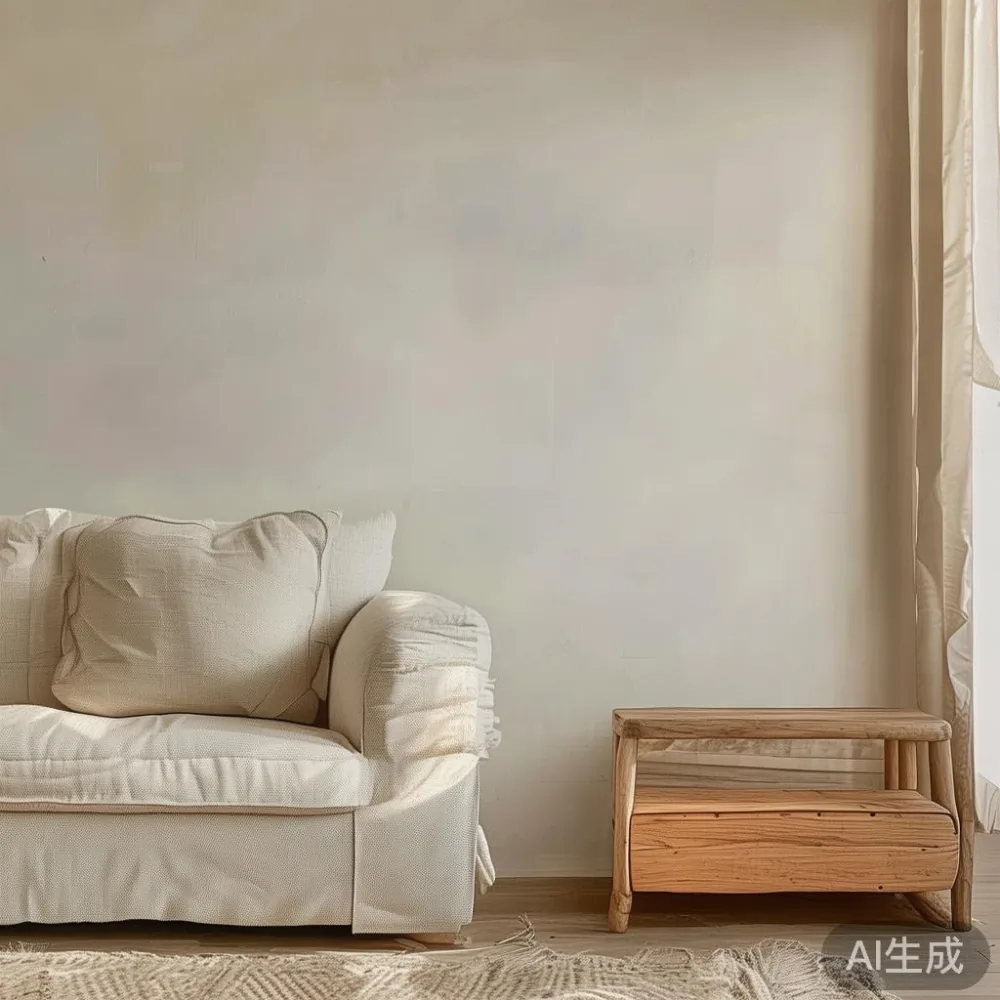
For households in Tampines, Bedok, and Punggol, this is a practical concern rather than an abstract one. A unit facing the afternoon sun may become noticeably warmer than a corridor apartment exposed to cross-ventilation. Air-conditioning lowers humidity indoors, but the transition from a dry conditioned room to a humid balcony can still affect furniture placed near doors and windows.
MIDHILL makes coastal style furniture for these lived environments, with solid wood construction, a 10-year structural warranty, and lifetime refinishing support. The aim is not to deny that humidity exists. It is to make careful material selection, responsible care, and realistic expectations part of buying a solid wood piece.
Why Singapore’s Humidity Changes Solid Wood
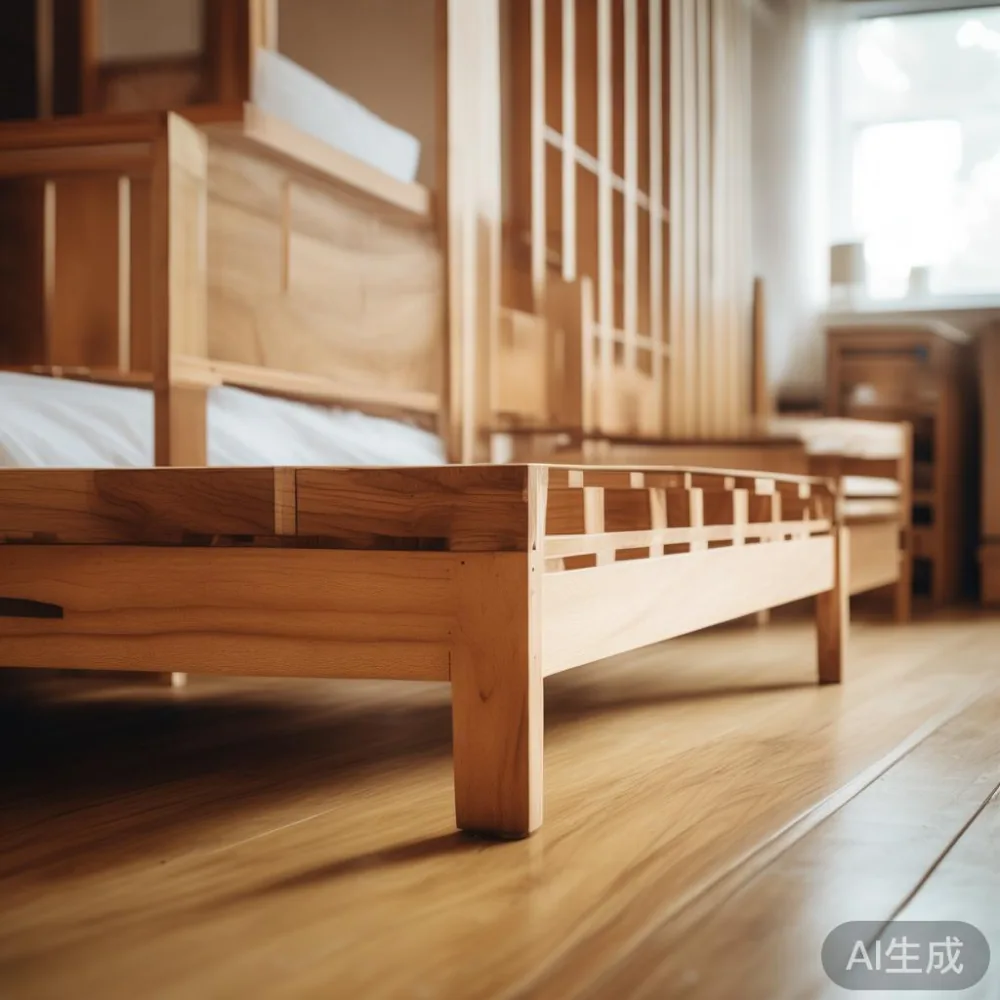
Singapore’s year-round climate creates repeated movement cycles in timber. Relative humidity commonly ranges from roughly 60% to 90%, while indoor air-conditioned spaces may sit closer to 45% to 60%. Solid wood is hygroscopic: it absorbs moisture when surrounding humidity rises and loses moisture when the air becomes drier.
Movement is measurable. For example, a 180 cm wide solid oak dining table may change by approximately 2 mm to 6 mm across its width across a strong humidity cycle, depending on the species, panel construction, and finish. A 200 cm solid wood bed frame can develop a similarly small change in width. These figures illustrate why a well-fitted joint matters and why an excessively rigid frame may crack over time.

The effect is more visible in solid wood surfaces than in many manufactured panels, because solid timber shows grain movement rather than hiding it behind a thin printed layer. Furniture built with mortise-and-tenon joints, sound mechanical connections, and appropriately spaced panels can tolerate normal expansion. Cheap fasteners, particleboard cores, and overly tight screws offer much less control.
Humidity alone does not rot well-made indoor furniture. A more common route to damage involves several factors together: 80% to 90% relative humidity, restricted airflow, a cold drink glass leaving moisture trapped beneath it, and a finish that has already worn thin. Coastal style placement should therefore account for airflow, sunlight, distance from walls, and the number of people using the piece.
How Should Humidity Affect My Furniture?
Furniture should move slightly with the room, and owners should distinguish normal timber movement from a defect. A dining table may show a hairline opening of less than 1 mm during a dry period, then close as humidity rises. A bedroom door may need a minor adjustment after several months of air-conditioning use. Surface marks on a nightstand can often be addressed through refinishing rather than replacement.
Use a reliable hygrometer and aim for indoor relative humidity around 45% to 65% where practical. Place the display at sofa or table height, about 80 cm to 100 cm above the floor, and away from direct air-conditioning vents. If a reading remains above 70% for many hours, improve circulation or use a modest dehumidifier rather than waiting for mould to appear.
Keep solid wood furniture at least 10 cm from an exterior wall when space allows. This reduces condensation risk and makes cleaning easier. In an HDB flat, avoid positioning a wardrobe directly beside a bathroom or kitchen wall where warm, damp air may collect. In a condo, check balcony doors regularly for gaps that admit rain-laden air during monsoon periods.
Do not wipe solid wood with a soaked cloth. A lightly damp cloth followed by immediate drying is usually more suitable. Coasters should be used even in humid weather because a chilled glass can collect condensation. In a household with young children, place protective mats beneath drinks and keep damp items off the marble table surface, where moisture may linger if the protective barrier becomes worn.
What Changes in HDB Flats, Condos, and Lift Access?
The building itself influences how furniture handles moisture. Older HDB blocks in Bedok may have narrower corridors, around 90 cm to 120 cm in some passages, while newer lift lobbies can provide wider turning areas of about 150 cm to 180 cm. Condo corridors vary similarly by development. Delivery measurements should include the lift car, lift door, landing, stair corners, and the narrowest turn inside the home.
A 210 cm long dining table can be difficult to turn through a 90 cm corridor even if its narrowest dimension is only 90 cm. Carry-in angles matter more than the total width alone. MIDHILL can check product dimensions against the customer’s access route before dispatch, including the lift opening, internal lift dimensions, corridor width, and turning space.
Singapore delivery timing should also account for the item’s size and the building’s booking rules. A compact nightstand may arrive within 3 to 7 working days after dispatch, while a solid wood bed frame or wardrobe may need 7 to 14 days and an allocated service slot. A dining table requiring a hoisted move or careful turning can take 10 to 18 days, particularly when a loading-area permit must be arranged. These are practical planning ranges rather than guarantees for every address.
For shoppers comparing products listed for sale light luxury furniture, delivery access deserves the same attention as finish and proportion. A visually appealing bed frame can still cause problems if its assembled carton cannot clear the lift. Ask for the packaged dimensions and weight, not only the furniture dimensions. A 120 kg wardrobe on castors may need 2 delivery workers, whereas a 45 kg dining table may require 3 people if the route includes narrow stairs.
Can Coastal Style Furniture Handle Singapore’s Climate?
Yes, if material, finish, placement, and care are handled as one system. Coastal style often combines pale oak, warm white, natural fibres, and visually light proportions, but the palette does not determine moisture performance. A solid teak dining table with a well-applied oil or lacquer finish can suit a humid coastal home. A pale solid wood bed frame can do the same when its movement is engineered and the room’s humidity is kept reasonable.
Light colours reveal dirt and water marks more readily than deep finishes, so maintenance becomes more visible. Wipe spills promptly and use coasters measuring at least 5 cm wider than the drink’s base. Avoid leaving folded laundry, damp towels, or packaged clothing against a wardrobe for several days. For a marble table, wipe both the stone and the edge of its protective treatment, while remembering that marble is not intended to absorb moisture.
For a bedroom, the practical answer to how to style French bed in bedroom in Singapore is to balance decorative character with ventilation. Keep a French-inspired bed frame away from an exterior corner with persistent condensation, use washable bedding, and maintain a gap of about 10 cm behind the headboard if the wall is cool or damp. French provincial furniture can work well in coastal style interiors, provided the finish can be maintained and movement is not mistaken for a fault.
Light-luxury positioning is not only about visual grandeur. A carefully proportioned solid wood sofa, bed frame, or dining table should remain stable through humid and dry periods. That reflects the American light luxury emphasis on comfort and relaxed formality, adapted to the realities of local interiors and lift access.
How Do I Compare Solid Wood and Other Furniture Materials?
Compare moisture behaviour, construction, and repairability rather than relying on a broad label. Solid wood expands and contracts at a visible rate. High-quality plywood can also perform well, but it is useful to know whether the panel has a veneer face, a plywood core, or a particleboard core. A 16 mm particleboard wardrobe may cost less, yet its service life and response to repeated humidity exposure can differ from a 18 mm to 25 mm solid wood construction.
Weight offers a rough clue, not proof. A solid oak dining table may weigh 65 kg to 95 kg, while a similarly sized MDF table might weigh 35 kg to 60 kg. Species matter: teak and mahogany have different stability characteristics from oak, maple, or pine. Ask for the exact species, panel thickness, joinery method, finish type, and expected movement range.
Japanese sofa vs Italian light luxury sofa is a comparison shaped partly by climate management. A low-profile Japanese-inspired sofa with a removable timber base may be easier to air beneath, provided it is raised on suitable feet and not pushed into a permanently damp corner. A panelled Italian-inspired sofa may offer a more formal silhouette and deeper seating, but its timber frame still requires stable indoor humidity.
Those considering how to choose Japandi sofa should check seat height, removable covers, solid wood frame details, and cleaning access before focusing only on the visual style. For coastal style homes, a washable loose cover can be more convenient than fixed upholstery exposed to high humidity. Allow around 5 cm clearance behind the sofa for airflow where the wall is cool or shows condensation.
Which Finishes and Care Methods Work Best?
The finish should suit the household’s habits. A hard-wax oil preserves the open texture of solid wood and can be renewed as the surface wears. Lacquer creates a more sealed surface and is convenient for families, but scratches can still expose the timber. Water-based finishes are generally less solvent-heavy, yet they still need protection from standing moisture. Ask the supplier for the exact finish and recommended maintenance interval.
For coastal style furniture, a controlled maintenance schedule is useful. During especially wet weeks, check a hygrometer every 2 to 3 days. Clean dust with a dry microfibre cloth, keep gaps behind wardrobes ventilated, and address condensation around windows immediately. Every 12 to 24 months, inspect the dining table for finish wear and the bed frame for loose joints. Minor surface work can be handled through a refinishing service.
MIDHILL’s lifetime refinishing commitment is relevant here because humidity-related marks do not always justify disposal. A well-constructed solid wood piece can be maintained for decades when its joints, panels, and surfaces receive attention. The company’s 10-year structural warranty provides a separate layer of confidence, with normal household use and the stated care conditions understood.
Marine environments also require restraint with aromatic or plant-based treatments. Teak is naturally resistant in outdoor applications, but indoor teak furniture should still be kept away from persistent dampness. Do not assume that a “marine-grade” label makes any piece suitable for an uncovered balcony. For interiors in Punggol, Bedok, or Tampines, stable humidity and sensible placement matter more than dramatic treatment claims.
What Should I Ask Before Buying Solid Wood Furniture?
Ask how the piece is built, how it should acclimatise, and what support is available after delivery. Confirm the species, dimensions, weight, finish, panel thickness, joint type, and expected movement. For a dining table, request photos of the underside and ask how seasonal expansion is accommodated. For a wardrobe, check wall fixing, door clearance, and ventilation behind the carcass. For a bed frame, confirm the centre support arrangement and slat spacing.
Access questions should be answered before payment is finalised. Provide the lift width, lift depth, lift door height, corridor width, landing dimensions, and number of turns. If a product is larger than the lift, ask whether it can be disassembled. A bed frame that fits only after removing both side rails may require an extra 30 to 60 minutes of assembly time on site.
Singapore’s 9% GST is normally included in displayed consumer prices, but shoppers should verify the quotation rather than assume. A solid wood sofa might range from SGD 2,800 to SGD 6,500 depending on size and detailing. A solid oak dining table may fall between SGD 2,200 and SGD 5,800, while a solid wood wardrobe with adjustable shelving may range from SGD 2,600 to SGD 6,900. These ranges illustrate the investment involved without treating price as the only measure of quality.
European light luxury for dining room can be evaluated through proportion, grain continuity, joinery, and finish consistency. Look at the table from 2 metres and again at 60 cm away. Check whether doors align, drawer runners operate smoothly, and surfaces feel even under oblique lighting. A compact 140 cm dining table may suit a smaller HDB dining zone more comfortably than a 220 cm model with wide end seats.
Buyers searching for the best French provincial furniture should examine the real materials rather than accept a style label as proof of solid timber. Confirm whether the visible frame, drawer fronts, and panels use the stated wood, and identify any mixed materials used for stability. European light luxury for dining room can suit coastal style homes when pale tones, curved details, and practical finishes are handled with restraint.
Finally, compare service terms with the product category and supplier capability. MIDHILL was established in 2008 and exports to more than 15 countries, providing a useful record of manufacturing and delivery experience. Its 14-day return policy, free shipping above US$350, and lifetime refinishing support should be read alongside the care guidance so expectations remain clear.
Humidity will always shape solid wood furniture in Southeast Asia. The practical response is not to eliminate every small seasonal movement, but to buy sound construction, provide stable indoor conditions, respect expansion allowances, and maintain the finish. With those measures, a coastal style dining table, bed frame, wardrobe, nightstand, or marble table can remain comfortable, functional, and visually refined in Singapore homes for many years.