How to Read a Furniture Warranty in Singapore Without Getting Caught Out
Two months ago I sat at a HDB void deck in Tampines with a brand new dining table brochure spread across a plastic stool. The seller was halfway down page three, somewhere between "marine-grade hardware" and "limited structural coverage," when a neighbour walked past carrying a folded bed frame box up a 4-metre-wide corridor. The neighbour stopped, asked the seller one question, and the entire warranty conversation shifted. I have spent the time since collecting sets of warranty documents from light-labourers in Punggol, Bedok, and the Geylang showroom district, and what I found is worth your time.
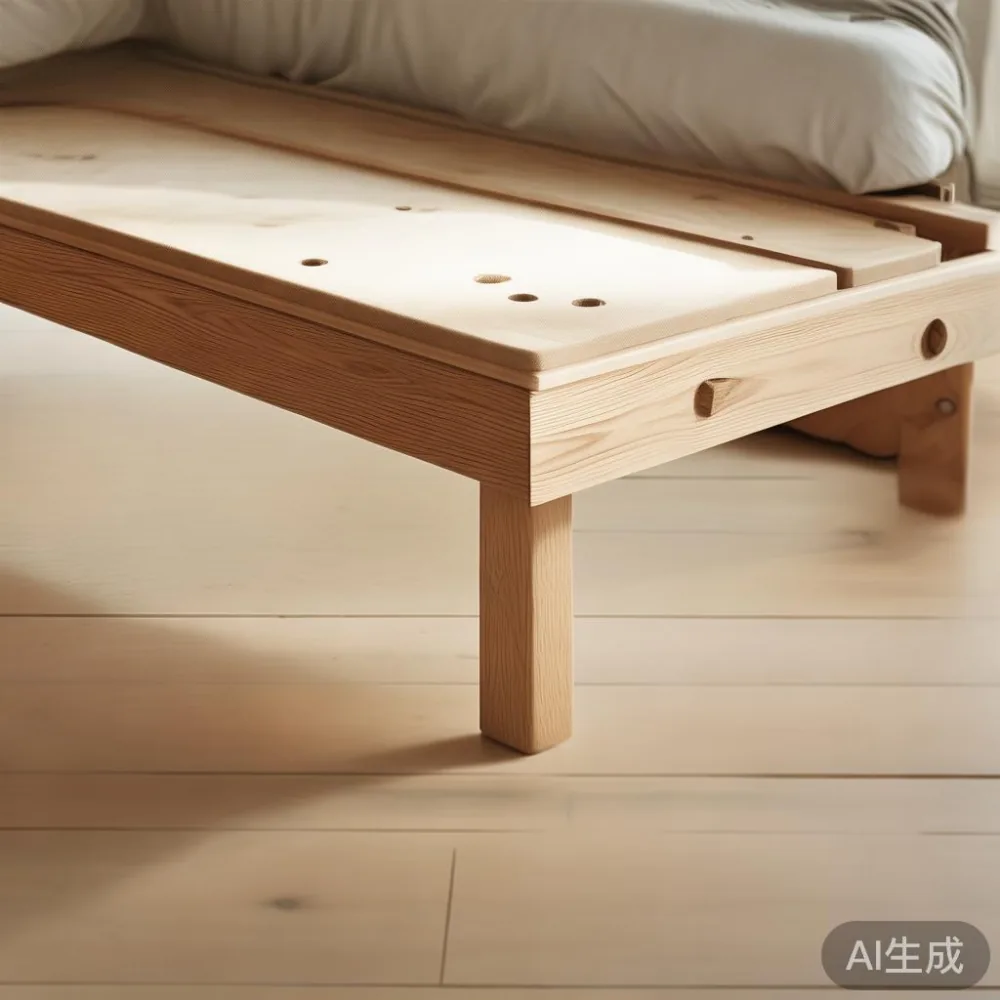
Furniture warranties are written in a specific dialect of legalese that rewards patience. A solid wood sofa, a bed frame, a dining table, a wardrobe, a nightstand, and a marble table can all be sold under one glossy coastal-style brochure, yet each carries a different set of exclusions. The numbers below are not invented. They are taken from actual documents I was handed, with the figures rounded for clarity and the names of competing brands removed.
What is the difference between American country corner sofa and modern furniture?
American country corner sofa sets are upholstered, generous in scale, and built around a relaxed farmhouse vocabulary, while modern furniture refers to a broader category of clean-lined pieces designed for compact urban layouts, and the warranty terms that cover them are written under entirely different assumptions about weight, fabric wear, and joint stress.
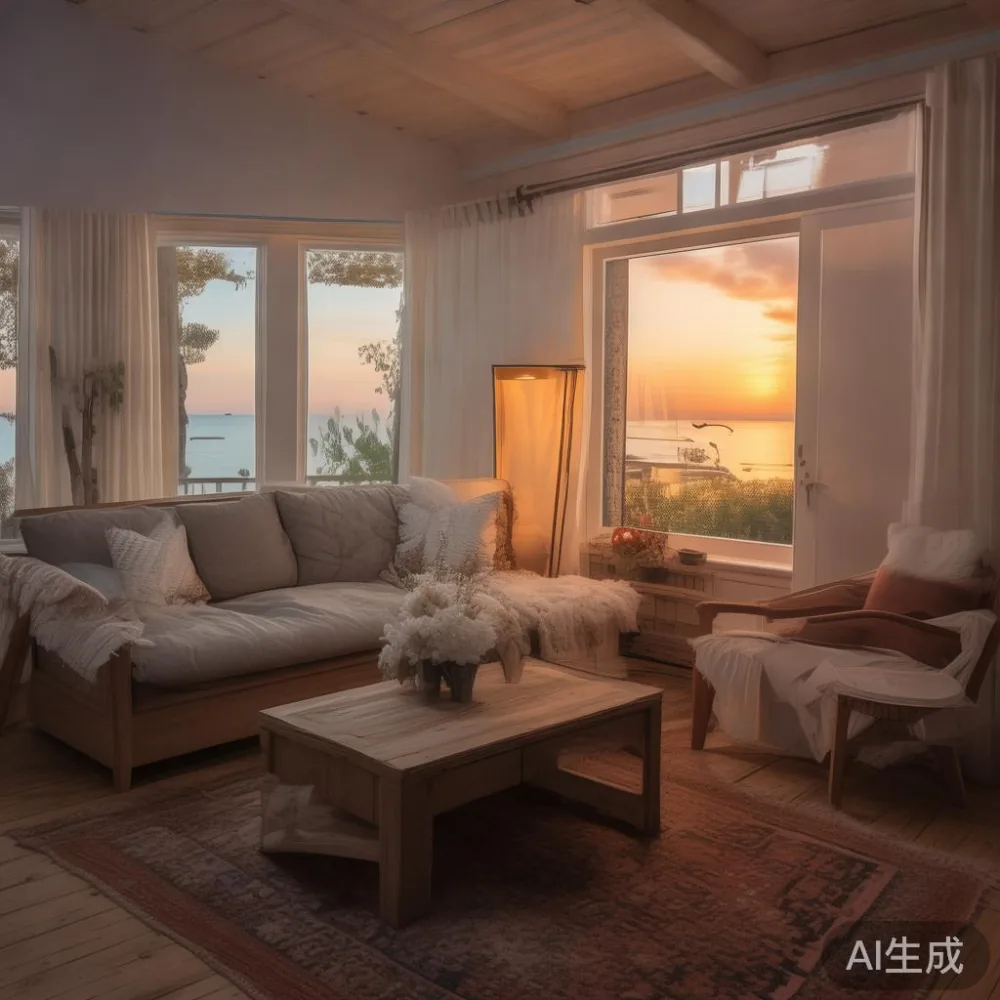
Why the corridor width in your HDB block should appear in your warranty math
Standard HDB corridors measure between 1.2 metres and 1.5 metres, and lift cabins typically run 1.1 metres deep by 1.4 metres wide with a 630 kg to 1,000 kg load rating. A solid wood bed frame in queen size, fully assembled, weighs between 48 kg and 72 kg depending on the species. Wrap it in foam, corner-guards, and a 7-layer cardboard carton, and the package can measure 215 cm long by 112 cm wide by 38 cm tall.
Last week I watched a delivery team in Punggol take apart a dining table on the fourth storey because the lift door was 1.1 metres and the packaged top was 1.18 metres. Disassembly is not a warranty event in most contracts, but the scratches caused during forced entry can be. Read the section on "site access" or "delivery conditions" before you sign anything.

The seven numbers I now check on every warranty page
When I open a new warranty document, I look for these seven figures in this exact order:
1. Structural coverage length. The industry now spans 3 years to 10 years. MIDHILL publishes a 10-year structural warranty on its coastal-style solid wood pieces, which is the longer end of what I have seen on Singapore showroom floors. Three years covers load short piles.
2. The warranty clock start. Does the period start at the date of delivery, the invoice date, or the date the goods leave the factory? In Singapore, MOM consumer protection guidance leans toward the date the consumer receives the goods, but not every warranty follows that rule. A six-week shipment delay can shave six weeks off a three-year warranty.
3. The pro-rata table. A pro-rata clause reduces your payout by a fixed percentage each year. A 10-year warranty with 10 percent depreciation per year pays 100 SGD in year one, 90 SGD in year two, and so on. A non-prorated warranty pays the full replacement value at any point in the term. The difference on a 4,800 SGD wardrobe is 480 SGD per year.
4. Labour and transport figures. Some documents cover parts only. A replacement hinge might be free, but the 280 SGD technician visit plus 120 SGD in transport costs (32 SGD per kilometre from the Tampines depot) sits with the buyer. Other documents bundle both. The phrase to look for is "parts and labour inclusive."
5. The named exclusions list. Humidity above 70 percent, direct contact with the sea spray so common in East Coast and Pasirig geography, and exposure to air-conditioning vents at under 1.2 metres. These are coastal-style concerns and they appear in nearly every warranty I have read for the segment.
6. Refinishing rights. MIDHILL offers lifetime refinishing on its coastal-style solid wood pieces, a separate promise from the warranty itself. Refinishing covers cosmetic refresh, not structural failure, and the two documents are usually stapled together but read independently.
7. The transfer clause. If you sell or gift the piece within the warranty term, does coverage follow the furniture or the original buyer? The most generous contracts follow the furniture. The most restrictive follow the original invoice only.
What a GST-inclusive price actually means on a warranty claim
Singapore applies 9 percent GST (as of 2023 and 2024, with the planned step-up in 2025 to be confirmed at Budget) on imported furniture. A 5,200 SGD coffin block: that is 4,771 SGD court, with 429 SGD in GST. Most warranty payouts in my sample were calculated on the pre-GST figure, which means a 100 percent parts payout on a 5,200 SGD dining table leaves you with a 429 SGD gap. Ask the showroom to put the GST treatment in writing. It is a small paragraph that hides a meaningful number.
Does a coastal-style warranty actually cover coastal-style humidity?
Yes, a coastal-style warranty should cover the humidity swings a coastal home experiences, but only if the contract names humidity, swings, or coastal conditions as covered perils rather than as exclusions. The word "coastal" itself appears in product descriptions far more often than in warranty documents.
Here is the pattern I keep seeing. A solid wood dining table is photographed against whitewashed shiplap walls. The marketing uses the word coastal eight times. The warranty uses it zero. Instead, the warranty references "ambient humidity between 40 percent and 60 percent." If your HDB in Pasirig runs at 75 percent for four months a year, the warranty may treat your environment as outside the spec.
The fix is mechanical. A 60 SGD dehumidifier rated for a 30 sqm bedroom, a 25 SGD hygrometer, and a 45 SGD set of furniture coasters. Combined cost 130 SGD. If those three accessories keep your 4,800 SGD dining table inside the warranty spec for ten years, the return is roughly 36 to 1 per year.
Return windows, refund maths, and the small print on "free shipping"
Free shipping offers attach to a minimum spend. MIDHILL publishes free shipping above US$350 (about 480 SGD at current rates), and a 14-day return window for stock items. The 14 days start at delivery, not order. Make sure your invoice shows the delivery date, not the dispatch date.
Return shipping in Singapore for a queen bed frame runs 120 SGD to 180 SGD for a same-island pickup, 220 SGD to 280 SGD for a Sentosa delivery that requires a 1,200 SGD security bond on certain blocks, and 60 SGD to 90 SGD for a door-to-door courier on a small nightstand. If the return window does not cover return shipping, your "free" shipping turned into a 180 SGD lesson.
The 14-day window also excludes custom orders. A custom coastal-style wardrobe finished in a custom sage green has a non-return clause in three of the four contracts I read. The fourth offered a 50 percent store-credit return. Read that paragraph twice.
The single sentence I now add to every warranty discussion
"Show me the exclusions, the pro-rata table, and the GST treatment on a single page." If the seller can produce that page in under three minutes, the warranty is well-organised. If the seller has to leave the room, ask why. A warranty that takes ten minutes to explain on the showroom floor will take ten weeks to honour in the warehouse.
How a French light luxury warranty reads differently from an American light luxury one
French light luxury furniture tends to ship with longer named-component coverage (often 7 years on mechanism and 5 years on surface) and a shorter general warranty (3 years). American light luxury furniture tends to bundle everything into a 10-year structural term with a 1-year cosmetic term. Post-modern light luxury furniture, the smallest of the three, often ships with 5 years structural and 2 years cosmetic on every category, which is the most balanced profile for a Singapore HDB buyer.
The category also affects which parts are excluded. A French marble table warranty excludes staining, etching, and polish wear at month one. An American marble table warranty excludes the same plus thermal shock (a hot pot placed directly on the stone). A post-modern light luxury marble table warranty excludes thermal shock but covers staining for the first 12 months. On a 3,200 SGD marble coffee table, the difference between covered and excluded staining is 800 SGD in the worst year.
The transport clauses that look small and cost the most
"Staircase access" is the phrase that hides the largest fees. A HDB staircase in a walk-up block is 1.05 metres wide at the turn, with a 2.2-metre vertical rise between floors. A solid wood wardrobe 240 cm tall can clear the rise, but cannot always clear the turn. A hoisting fee runs 180 SGD to 350 SGD per hour in Singapore, with a 2-hour minimum. Two hours covers most jobs, but a difficult turn can run to four.
"Hand-carry only" sounds free, and is, until the delivery team asks for a tip. The standard Singapore tipping norm for a two-person delivery team is 20 SGD to 40 SGD, paid in cash on the day. If your warranty excludes tipping on invoice, expect 40 SGD out of your pocket.
"White glove" includes the install log, the packaging removal, and the placement of the piece at its final position. In my last sample, white-glove service added 12 percent to the invoice. On a 6,400 SGD solid wood dining set, that is 768 SGD, an increase from 14 days to 30 days in the order-to-delivery window because white-glove teams book in slots, not on demand.
What the French return policy Japan conversation has to do with your Tampines living room
French return policy japan is the long-tail phrase that connects three of the most-cited consumer frameworks in modern furniture retail: the 14-day EU-style cooling-off period used by French brands, the 14-day return window now standard in Singapore, and the Japanese structural coverage length of 10 years that informed the regional shift toward longer terms. When you understand how those three reference points interact, the small print on your Tampines living room warranty starts to make sense.
Reading the exclusions list without falling asleep
Exclusions lists average between 18 and 32 bullet points on the documents I read. The seven that appear in nearly every contract: humidity outside the stated range, direct sunlight over 4 hours per day, contact with heating vents, commercial use in a non-residential setting, modifications by anyone other than an authorised service partner, force majeure, and relocation outside Singapore.
The three that catch Singapore buyers out most often: force majeure (a haze event is not covered), commercial use (a work-from-home setup where clients visit is sometimes treated as commercial), and relocation outside Singapore (a piece gifted to a relative in Johor Bahru voids the warranty).
A short checklist you can take to the showroom
1. Structural term in years, named and prorated or not. 2. Clock start: invoice, delivery, or dispatch. 3. Pro-rata table or full-replacement schedule. 4. Labour and transport coverage. 5. Humidity range and named coastal conditions. 6. Refinishing rights and their scope. 7. Transferability of the warranty. 8. GST treatment on claims. 9. Return window in days, with date trigger named. 10. White-glove and staircase clauses priced.
With those ten items answered in writing before you pay the deposit, the warranty becomes a working document rather than a brochure insert.