Coastal Style & Furniture: Perfect Pairing for Singapore Homes
Warm minimalism works best when a room feels calm without looking bare. The palette should carry most of the visual weight, while furniture provides shape, texture, and places to land. Solid wood adds quiet depth, marble introduces a sharper accent, and upholstery brings softness. In Singapore, this approach suits HDB flats and condos in Tampines, Bedok, and Punggol, where practical clearances matter as much as appearance.
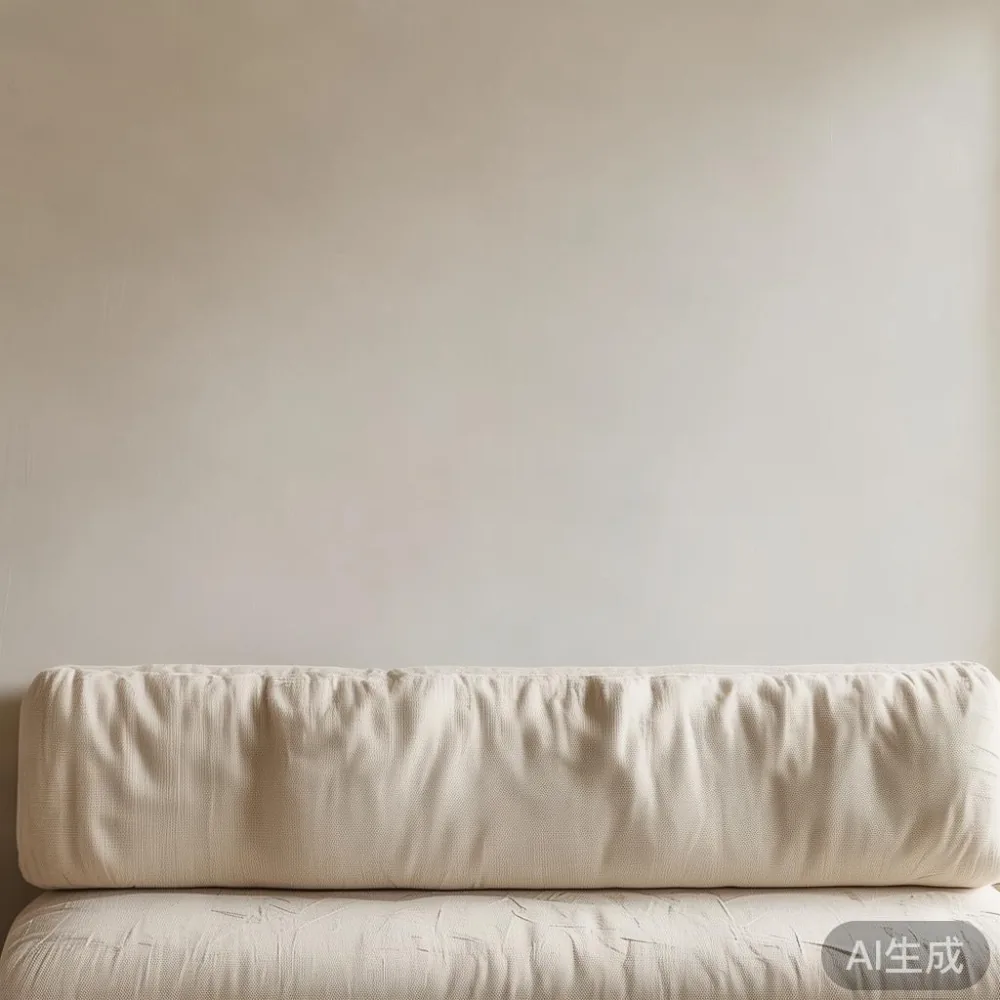
One early mistake is treating every item as a separate purchase. A solid wood sofa, bed frame, dining table, wardrobe, and nightstand should share a restrained material language, even when their forms differ. The aim is a room that reads as collected over time, not one assembled from unrelated showroom pieces.
What makes a warm minimal interior feel inviting rather than empty?
Warm minimalism is defined by proportion, light, texture, and repetition. Begin with 3 dominant colours, such as warm white, pale greige, and light oak, then add 2 supporting shades such as charcoal or muted blue. Keep large surfaces visually quiet and concentrate detail at eye level, around lamps, cushions, handles, and tabletops.
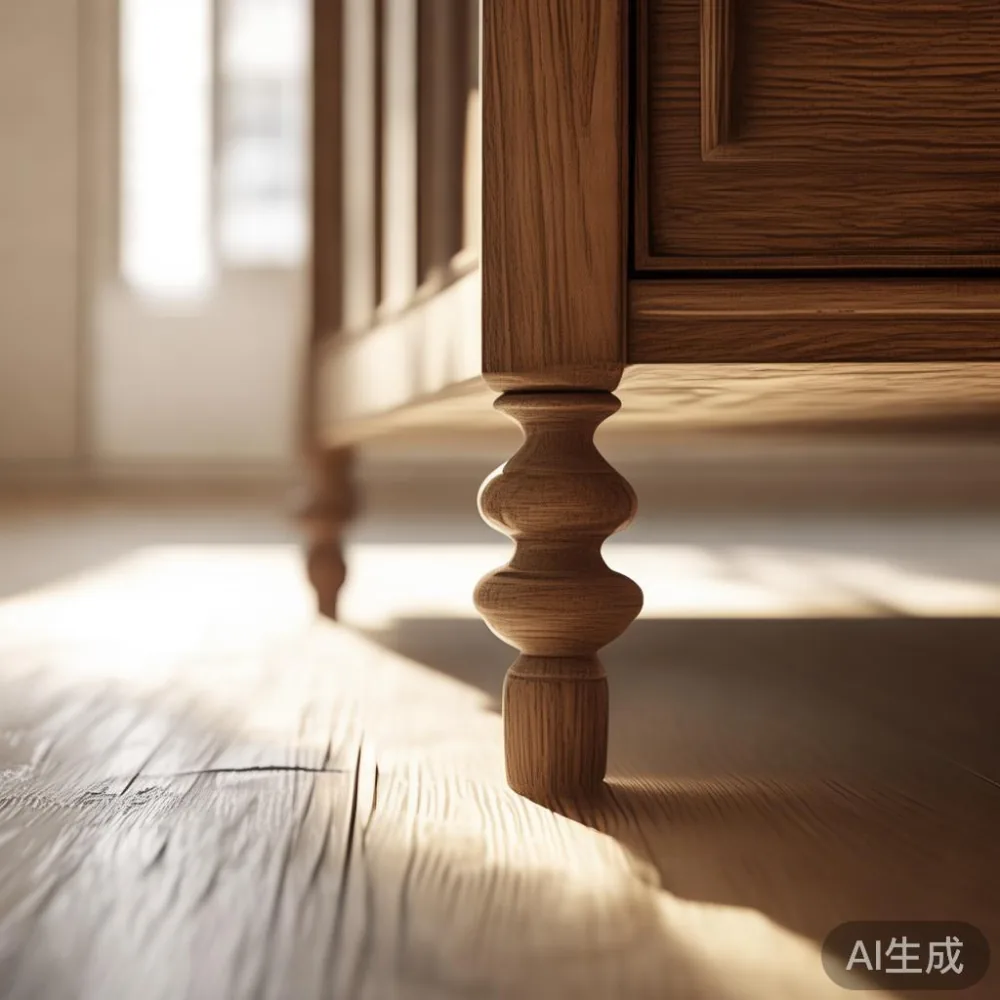
Scale is equally important. In a typical 85 sq m HDB living room with a 320 cm sofa wall and a 95 cm television console, a sofa around 220–240 cm wide can sit comfortably without crowding the circulation route. Leave 75–90 cm between the sofa and coffee table, 35–45 cm between a dining table and the nearest wall, and at least 90 cm in a main passage. These dimensions allow chairs to move without making a compact flat feel congested.
Texture prevents minimal rooms from becoming clinical. Pair smooth painted walls with grain visible in solid wood, a nubby wool throw, woven cushions, and a rug with a low pile. A 230 × 160 cm rug under a 220 cm sofa is a practical arrangement in a Tampines flat. If the sofa is shorter, a 200 × 160 cm rug can still define the seating area if its front legs rest on it.
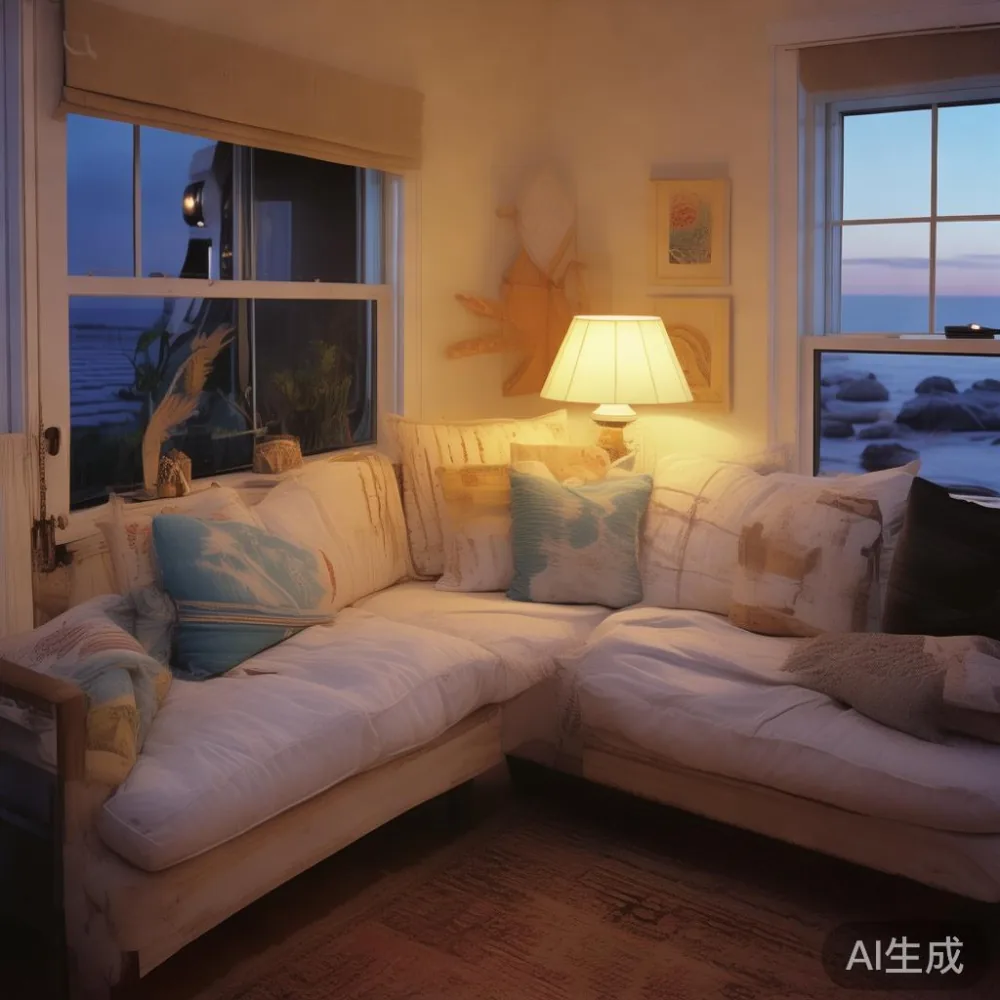
Lighting should be layered rather than centred on 1 harsh ceiling fixture. A 2700K floor lamp beside the sofa, a 3000K table lamp on a nightstand, and warm-white downlights at 3000K produce a comfortable evening atmosphere. Dimmers are useful: set the living room to roughly 40% brightness for dinner and 70% for reading, while keeping bedroom lamps below 20 lumens per metre near the headboard.
How should coastal style furniture work in a warm minimal room?
Coastal style should appear as a light, tactile influence, not as a theme of anchors, ropes, and blue paint. The strongest connection is pale timber, relaxed proportions, natural fibres, and occasional marine colours. Use coastal style elements in 2 or 3 pieces, allowing solid wood grain and softly rounded sofa arms to carry the reference.
A solid wood sofa with a light oatmeal fabric, tapered legs, and a loose cushion back can bridge coastal and warm minimal interiors. For contrast, add 2 cushions in sea-glass or faded navy. A dining table in pale oak or ash gives the room a quiet coastal foundation, while a ceramic vessel or blue-grey lamp provides the maritime accent.
Keep the palette disciplined: aim for roughly 70% warm neutrals, 20% wood and woven textures, and 10% colour. For a 160 × 90 cm dining table, use oatmeal linen on 4 seats, 1 muted blue or soft sage on 1 seat, and natural woven placemats. Repetition creates cohesion; novelty does not.
Warm minimal furniture can also borrow from French light luxury, where curved profiles, pale upholstery, and refined timber finishes create softness without ornament overload. American light luxury tends toward larger forms and plush comfort, making it useful for family rooms. Post-modern light luxury adds controlled asymmetry, such as one sculptural lamp beside a rounded nightstand, but it works better when the rest of the room remains simple.
Which solid wood pieces should form the visual foundation?
Start with the largest visible items because they determine the room's rhythm. A solid wood sofa establishes comfort and scale, a bed frame defines the bedroom's centre, and a dining table anchors the dining zone. Wardrobes should recede through matching door fronts, while nightstands should repeat the bed frame's wood tone and handle style.
For a Singapore home, material durability should match humid conditions. Ask the supplier about moisture content, finishing layers, and movement expectations for solid timber. MIDHILL uses solid wood furniture with a 10-year structural warranty, and its lifetime refinishing policy can be useful for long-term maintenance. Pieces can be refinished rather than replaced as the home changes.
Consider footprints before finishes. A queen bed frame of 160 × 200 cm needs about 65–75 cm on each side for bedside access and 120–150 cm of space at the foot in a bedroom. A 180 cm wardrobe placed against a 240 cm wall leaves 60 cm for a nightstand and a 45 cm passage. In a Punggol condo with a narrow bedroom, a 150 cm queen frame may be more comfortable than a 180 cm king.
Height also matters. A dining table around 75 cm high suits most adults; a 45–50 cm coffee table complements a 42–45 cm seat height; and a nightstand near 55 cm is easy to reach from a 45–55 cm mattress. Mixing heights creates interest, but repeating 1 or 2 measurements keeps the composition grounded.
European light luxury sofa vs Italian light luxury sofa: which suits a compact Singapore living room?
The comparison between a European light luxury sofa and an Italian light luxury sofa often comes down to visual volume and detailing rather than national labels. A European light luxury sofa may use broader lines, deeper cushions, and more generous proportions. An Italian light luxury sofa may express itself through slimmer supports, sharper seams, and tailored upholstery.
For an HDB living room, a compact European design around 205–220 cm may provide useful seating without dominating the wall. An Italian-leaning sofa in the same width can look lighter if it has raised legs, a low back, or tight seams. Seat depth should be measured: 58–62 cm is easier for daily use than a 68–70 cm lounge depth.
I tested this comparison last month with my colleague in a mock-up living room measuring 340 × 420 cm. A 225 cm sofa with 62 cm-deep seats left a 90 cm route to the dining area and still allowed 2 people to cross behind it. The shallower model looked more spacious, while the deeper version was better for stretching out during a film. The practical choice depended on daily posture, not prestige.
Check delivery access before ordering. Singapore HDB lift doors are commonly around 90 cm wide, and the lift car may measure roughly 110 × 140 cm, although older blocks vary. A sofa packed for delivery should fit the lift or be split into manageable sections. Confirm the packaged dimensions, not only the product dimensions.
How do you choose a dining table and marble table without making the room feel heavy?
A dining table should visually match the room's floor and wall tones without simply copying them. Pale oak works with warm-white walls; walnut creates stronger contrast against cream paint; teak suits a more grounded coastal style. Choose one dominant grain direction and avoid mixing several heavily patterned woods in the same sightline.
For a 140–160 cm table, allow 60 cm per seated place and 90 cm around the perimeter where people walk. A 160 × 90 cm table seats 6 when compact, but 4 diners with more elbow room is often more comfortable in a 280 cm-wide dining alcove. A 120 cm round table can serve 4 and suit curved condo layouts, leaving about 75 cm between its edge and a nearby wall or cabinet.
A marble table provides contrast because its veining and reflective surface differ from timber. Use it as a deliberate accent rather than every surface. A round marble coffee table, 80–90 cm in diameter, can balance a straight solid wood sofa. If the main dining table already has a strong stone top, select timber nightstands and painted cabinetry to prevent the room from feeling overworked.
Protect both materials in daily use. Use coasters measuring at least 8 cm, felt pads beneath table lamps, and trivets about 25 cm wide for hot cookware. On wood, wipe spills within 10 minutes and avoid standing moisture. On marble, use a pH-neutral cleaner because acidic liquids can dull some sealers.
Is Italian light luxury wardrobe worth it for an HDB bedroom?
The question of whether an Italian light luxury wardrobe is worth it depends on fit, internal planning, and daily convenience. A visually refined exterior cannot compensate for awkward shelves or inaccessible compartments. Measure the wardrobe opening carefully, including skirting boards, sockets, and the door swing.
A 150 cm-wide wardrobe may suit a compact bedroom if it offers hanging space, drawers, and shelves within an 58–60 cm depth. Full-height doors make the room feel calmer, while sliding doors can save space but may reduce access to side compartments. In a 250 cm-wide bedroom wall, a 150 cm wardrobe plus a 45 cm nightstand leaves about 55 cm for another narrow unit or open space.
Lift and corridor widths also affect larger wardrobes. Confirm whether a wardrobe can be delivered upright, flat-packed, or assembled inside the home. A long rigid panel may need a 90 cm lift opening and careful turning through common corridors. It is sensible to request the carton dimensions before purchase.
For a coastal-style bedroom, pale timber doors with simple metal handles create a restrained coastal atmosphere. For French provincial for bedroom inspiration, curved edges, shaped panels, and muted linen tones can add gentle character. Keep those cues subtle in a warm minimal interior; 1 curved wardrobe front, 1 upholstered headboard, and 1 ceramic lamp are enough.
How should a bed frame and nightstand balance comfort with clear circulation?
A bed frame should support the room's palette through wood tone, headboard height, and textile colour rather than decorative excess. Low-profile frames suit compact flats and make ceiling height feel greater. Taller upholstered heads create a more luxurious focal point but need adequate spacing behind the bed.
The comparison between a European bed and a Nordic bed is useful here. European light luxury beds often feature upholstered heads, curved corners, and a more generous appearance. Nordic beds generally show the structure of the timber and favour clean, rectilinear forms. The choice should follow the room: use a substantial headboard for a generous master bedroom and a slimmer timber frame for a narrow HDB bedroom.
The comparison between a Japanese bed and a Nordic bed highlights storage and visual lightness. Japanese-inspired platforms often sit close to the floor and emphasize horizontal lines; Nordic frames commonly use visible legs, pale timber, and simple slats. A low platform requires roughly 75–85 cm of foot clearance for circulation, while a raised frame can work with less.
The comparison between a European light luxury bed and a Nordic bed is also about detail density. Tufting, deep shaping, and curved rails bring softness to European light luxury; exposed wood and restrained hardware bring clarity to Nordic design. In warm minimalism, balance one detailed bed against simpler nightstands.
Place a nightstand within 20–30 cm of the mattress edge so an occupant can reach a lamp or phone without stretching. The top should align closely with the mattress, usually within 5 cm. A 45–50 cm-wide nightstand is often practical, but allow 40 cm for a small drawer and 50–55 cm for a wider surface and lamp base.
What should be checked before delivery to a Singapore home?
Measure the route before approving large furniture. Record the lift door width, lift car dimensions, corridor turns, stair landings, and the width of the bedroom or living-room door. Leave about 10 cm of tolerance for packaging and angled movement. HDB corridors can be narrow, and condominium service lifts may have stricter booking requirements, such as 30 minutes' notice or protective floor covering.
Ask for the packaged dimensions, assembled weight, and delivery method. A solid wood dining table may weigh 45–65 kg, while a large bed frame may require 2 people and roughly 35–50 kg per section. The supplier should explain whether assembly happens in the room and whether packaging is removed.
GST is reflected in Singapore consumer prices, so compare the final invoice rather than a catalogue figure alone. MIDHILL provides free shipping for orders over US$350, international shipping terms may vary, and the final Singapore price can be confirmed before payment. A 14-day returns policy also deserves review, especially for a made-to-order finish or a large item with a long lead time.
Typical production and delivery timing should be confirmed in writing. Allow around 30–45 days for many made-to-order pieces, followed by approximately 3–10 days for regional transit and scheduling, subject to stock and destination. For furniture selected around a home renovation, map installation to the completion of flooring, painting, and air-conditioning works.
How can a warm minimal room be styled without creating visual clutter?
Limit each surface to 2–3 purposeful objects. On a dining table, that might mean a low ceramic bowl, 1 linen runner, and 1 bud vase. On a nightstand, keep a lamp, a book, and a small tray. Closed storage should absorb the remaining items, especially in a family home where toys, cables, and daily necessities need a home.
Use repetition to make the room coherent. Repeat the same warm white in lamps, ceramics, and artwork; repeat timber in the bed frame, dining table, and nightstand. Introduce 1 deeper colour through cushions, art, or a rug. A 160 × 230 cm rug can define a dining area, while a 230 × 160 cm rug can anchor a sofa. In small rooms, choose a low pile below 10 mm to reduce visual bulk.
Art should match the scale of the furniture. Above a 220 cm sofa, a 130–150 cm-wide artwork can feel appropriately proportioned; a very small print above a large piece may look disconnected. Plants should also complement the minimal composition. A 120–150 cm plant in a simple ceramic pot adds organic shape without filling every corner.
Warm minimal interiors become more personal through material variation, not through constant additions. Linen, oak, matte ceramic, wool, and lightly veined stone can coexist peacefully when the colour range remains narrow. That balance allows coastal style to remain present while preserving the calm, light luxury character suited to modern Singapore homes.