Coastal Warmth: How to Match Furniture to a Warm Minimal Interior
A warm minimal interior does not need to feel sparse. In a Singapore HDB flat or condo, the right coastal style furniture can make a compact room feel calm, open and naturally layered without filling every centimetre with objects. The practical challenge is balance: clear surfaces, measured proportions, tactile materials and just enough contrast to stop the space reading as an empty showroom.
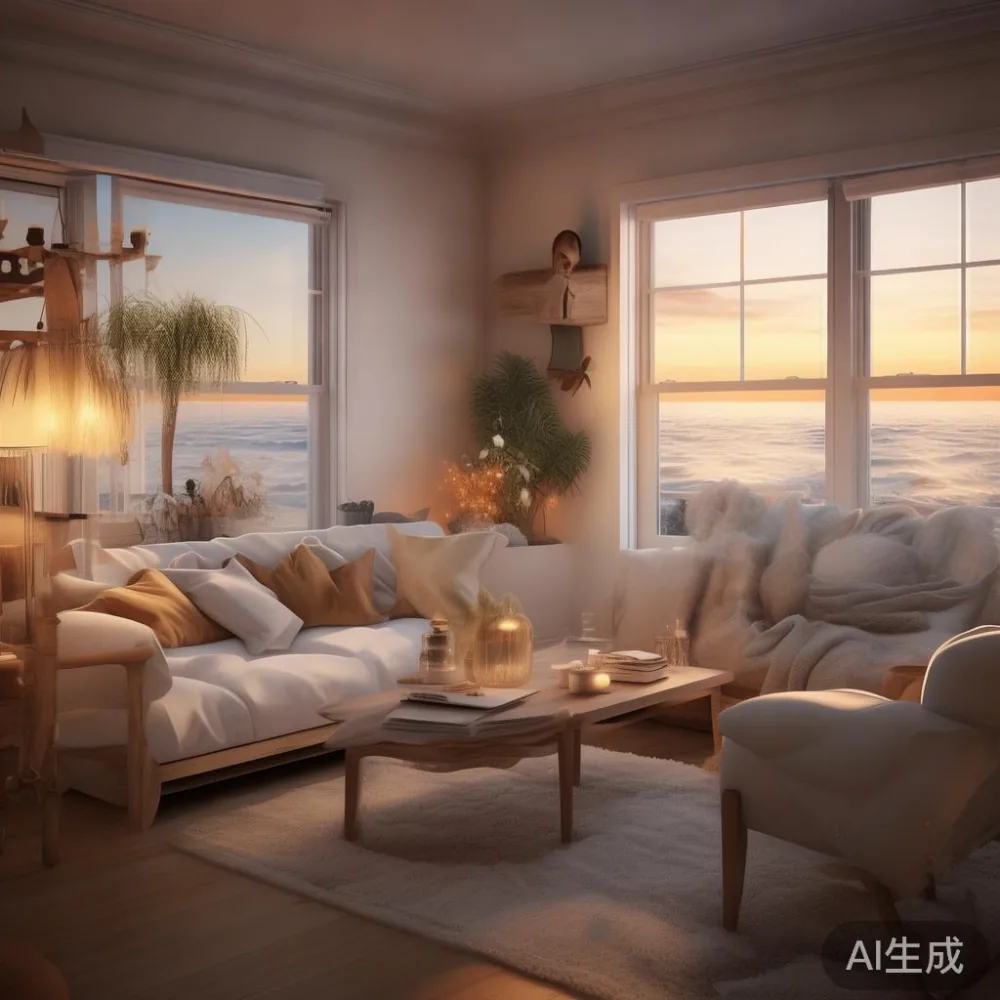
For residents of Tampines, Bedok and Punggol, furniture must also work with real constraints. A 3-room HDB corridor may measure only about 110–140 cm wide, while many condo lift cars provide roughly 200–240 cm of door width and only 140–170 cm of internal depth. A dining table may fit beautifully in the living area yet be difficult to move through the corridor or into the lift. Singapore’s warm, humid climate also makes solid wood care, ventilation and restrained styling especially relevant.
MIDHILL approaches this brief with solid wood furniture designed for long-term use, including a 10-year structural warranty and lifetime refinishing. Its coastal style pieces can sit comfortably within warm minimalism because pale grain, softened edges and honest construction create warmth without visual heaviness.
What makes a warm minimal interior different from a plain one?
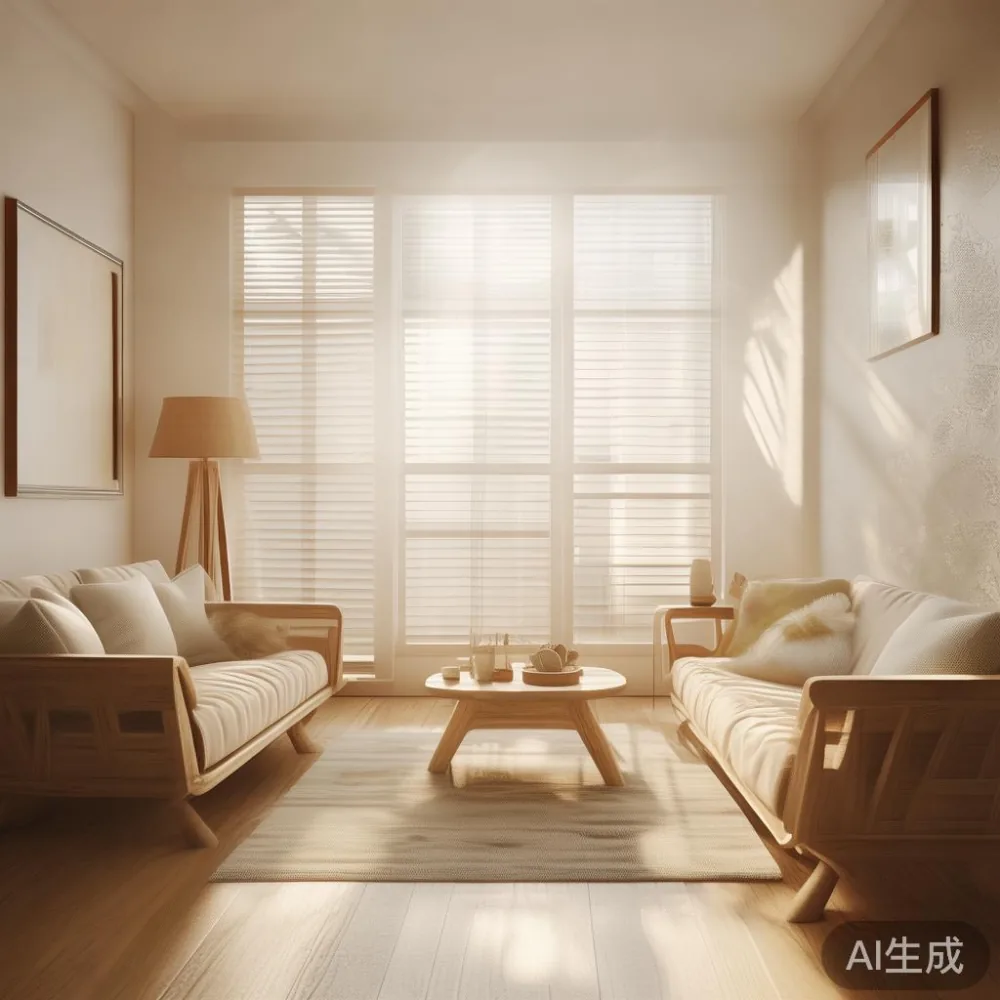
Minimalism is a method of editing, not a demand for a particular colour palette. A warm minimal interior usually combines 3 main finishes, 2 dominant tones and several repeating shapes. Warm white or greige walls can form the background, light oak or ash can carry the main furniture, and one muted textile colour can add depth.
Try limiting the palette to 4–5 colours: warm white, pale timber, sand, charcoal and perhaps a dusty blue or sea-green accent. Keep the largest surfaces quiet. A solid wood sofa in oatmeal fabric, a light oak dining table and a slim bed frame will occupy less visual space than furniture with high contrast or oversized carving.
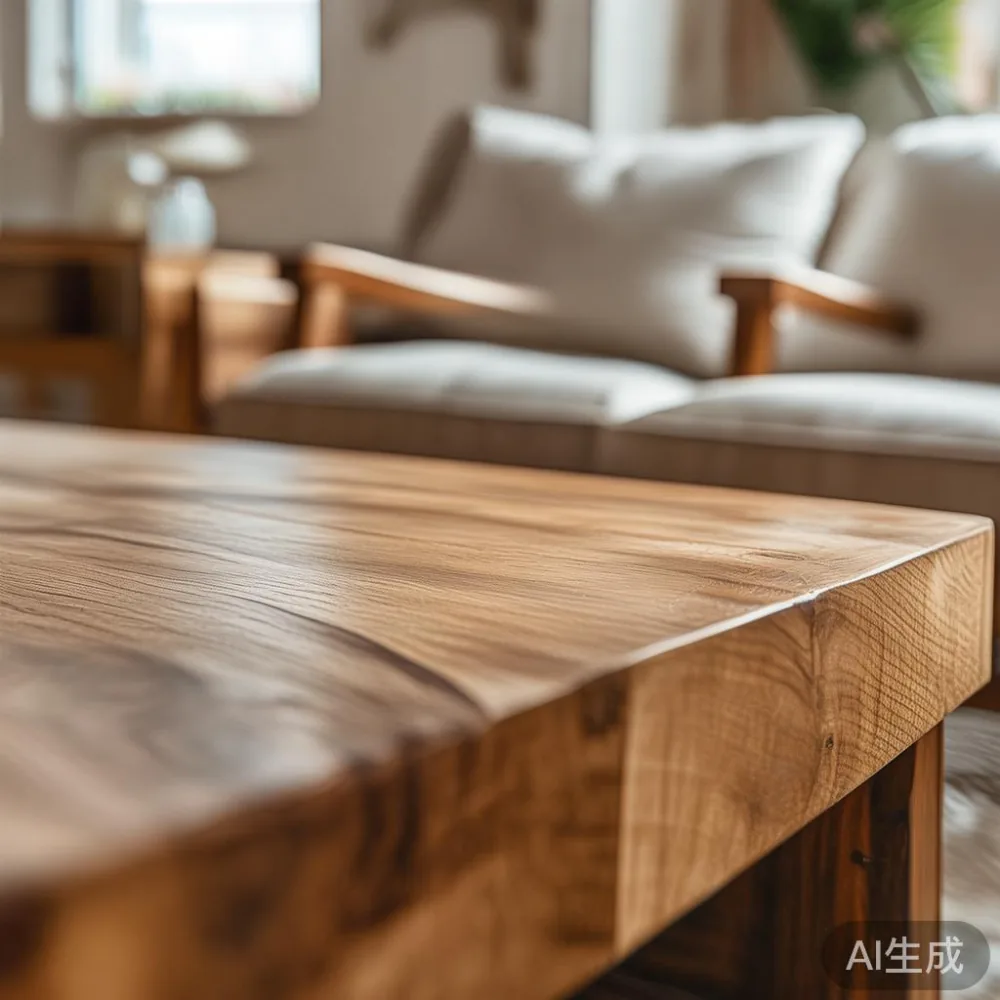
Texture does much of the work. A linen-look cushion, a wool throw, a ceramic vessel and a lightly grained timber top create variation while preserving a restrained appearance. Avoid placing every textured object on display at once. In a 90–110 cm console, leave 30–40 cm visibly empty so the arrangement still feels composed.
How do I know which pieces will suit Singapore’s compact layouts?
Begin with circulation rather than a catalogue image. In a typical HDB living room, allow approximately 90 cm for a main walkway, 75–90 cm between a sofa and coffee table, and at least 60 cm around a dining chair when it is being used. These are working dimensions, not decorative intentions, and they make a warm minimal room easier to live in.
Measure the route from the lift to the front door before ordering a large item. Check the lift door, lift car and corridor turns rather than relying on nominal building dimensions. For a solid wood bed frame, the master bed in most HDB flats may be a king at 180 × 200 cm, a queen at 152 × 190 cm or a super queen at 167 × 191 cm. A 190–210 cm frame can look impressive but leave little space beside it in a 3.0–3.3 m-wide bedroom.
For a dining table, compare the tabletop length with the usable wall. A 140 × 80 cm table seats 4 people comfortably; 160–180 × 85–90 cm seats 6 but needs more elbow and chair clearance. If space is tight, consider an oval or rectangular table with rounded corners rather than squeezing a square one against the wall.
Budget for delivery as part of the planning process. Standard furniture delivery may take 7–14 days after production, while made-to-order pieces can require 4–8 weeks. GST is already reflected in Singapore retail prices, and MIDHILL offers free shipping for orders over US$350, equivalent to about SGD 465 before any bank or card conversion differences. Confirm the final SGD amount, delivery window and lift-access fee before checkout.
Which solid wood pieces should anchor a coastal-style room?
The anchor piece should establish the room’s proportions and material language. A solid wood sofa with a low or gently raised frame provides a strong horizontal line, while a pale fabric finish prevents the weight of the timber from becoming too dark. Choose a width that relates to the room rather than the wall alone: a 180–220 cm sofa works in many family living rooms, while a 150–170 cm two-seater can suit a compact flat or study area.
If you are considering how to style light luxury sofa in apartment, look for controlled seams, slender arms and a pale finish rather than dense tufting or excessive shine. French light luxury often favours curved profiles, padded details and cream upholstery. American light luxury is more architectural, with straight lines, low profiles and tailored cushions. Both can work in coastal style when the underlying timber remains light and the styling stays restrained.
For the bedroom, a solid wood bed frame should visually connect with the bedside furniture. A 40–50 cm wide nightstand is enough for a lamp, book and glass of water, provided there is at least 45–60 cm of clear access beside the mattress. A slatted headboard adds texture and ventilation, but avoid placing the bed directly under a window if condensation and rain are a concern.
A dining table should balance the shape of the living area. Rounded corners help people move around it, while an 18–22 cm apron can support the visual calm of warm minimalism. A marble table can serve as a side or console surface, yet its cool surface needs warmer lighting and timber nearby. A marble top paired with pale solid wood works when the marble has soft veining rather than sharp black contrast.
Wardrobes need equal attention to depth. A typical sliding-door option projects about 55–60 cm into the room, while hinged doors require more space to open: allow roughly 90 cm beyond the closed door face. Choose flat fronts, pale timber or warm off-white panels, and use internal zones instead of filling the exterior with decoration.
How do I match a bed frame and dining table to warm minimalism?
Match tone and grain, not every visible detail. If the bed frame is made from warm oak, the dining table can use a related pale tone but does not need identical grain. Mixing 2 wood species with very different colours creates unnecessary contrast. Warm minimalism is calmer when both pieces sit within 2–3 tonal steps of each other.
Customers often compare a European bed vs Mid-century modern bed when planning a compact bedroom. A European bed usually leans towards padded upholstery, gentle curves and a softer silhouette; a Mid-century modern bed relies more on tapered legs and clean geometry. For warm minimalism, a lightly upholstered European frame can feel softer, while a plain timber Mid-century frame creates more space around the mattress. Check the frame’s external dimensions, not only the mattress size.
Likewise, a light luxury bed vs Nordic bed comparison can clarify the right atmosphere. Nordic design favours pale timber, simple joins and functional restraint. Light luxury adds comfort, detailing and a more finished appearance without necessarily becoming ornate. If the rest of the flat is already warm and textured, a Nordic-style bed may keep the room balanced; if the bed is the main feature, a lightly tailored light luxury frame can become the focus.
The dining table follows the same logic. A French light luxury table might use a shaped pedestal or softened edge, while an American light luxury table may present a crisp rectangular top. In a coastal-style home, choose pale timber and matte or honed surfaces rather than high-gloss lacquer. Add one woven runner, 2–3 simple place settings and a low centrepiece no more than 25 cm tall.
What is the right way to layer a solid wood sofa?
Begin with the sofa’s own proportions. A 200 cm sofa usually supports 3 large cushions, 2 medium cushions and a throw without looking overloaded. Keep at least 2 of each cushion type in the same neutral family, then introduce 1–2 accent colours. A 45 × 45 cm cushion is common, but 40 × 40 cm may look more disciplined in a compact room.
For practical coastal style styling, use a light cotton or linen-look throw with a 140 × 180 cm drape. Add a ceramic lamp on a side table rather than several small objects on the sofa table. If there is a coffee table, allow 35–45 cm between it and the seat; a table top 100–120 cm long will usually feel more balanced with a 180–200 cm sofa.
The question of how to style light luxury sofa in room comes down to editing. One sculptural cushion, 1 tray and 1 plant are often enough. Too many accessories can create a styled showroom rather than a warm, restful interior. Choose containers in sand, chalk or soft clay, and avoid the common mistake of matching every object to the wall colour.
Lighting changes the perception of texture. A floor lamp around 150–165 cm tall can balance a 200–220 cm sofa, while a table lamp around 40–50 cm is appropriate for a 50–60 cm side table. Use warm white light at approximately 2700–3000K. In the evening, 3 low light sources distributed around the room usually feel more relaxed than a single bright ceiling fitting.
How can I make a small bedroom feel larger without replacing the layout?
Keep tall furniture on one or two walls rather than surrounding the bed on every side. A full-height wardrobe opposite the bed can feel more balanced than 2 low wardrobes that project into the room. Use sliding or pocket doors where a 90 cm swing zone is unavailable. A mirror mounted on the wardrobe door can reflect daylight, but a large mirror facing a television can create glare and visual distraction.
Choose a nightstand with closed storage and slim legs. A 40 cm cube may be adequate in a tight HDB bedroom, while 45–50 cm gives more usable surface. Keep the top to 3 objects: lamp, book and tray. A wall-mounted shelf at 110–130 cm above floor level can add storage without taking floor area, provided the shelf is secured and does not interfere with head movement.
For European light luxury for apartment, focus on proportion, upholstery and tactile layering rather than period decoration. Curtains hung close to the ceiling can make a window appear taller, but leave the fabric clear of the air-conditioner outlet and allow the curtain stack to sit beside the opening rather than in front of it. A 260–280 cm drop may suit a 240–260 cm curtain track.
Paint and timber tones should also agree with the local light. Singapore homes can receive strong sun near east- and west-facing windows, and warm minimal finishes can look yellower in late afternoon. Ask for physical finish samples and view them at several times of day before approving a large order.
What should I check before ordering solid wood furniture?
Check construction, dimensions, delivery access and care requirements before paying. For a solid wood dining table, ask whether the top is solid timber or veneer, how it is joined, and whether a slight seasonal movement is expected in Singapore’s humidity. For a bed frame, confirm the mattress size, inner dimensions, centre support arrangement and whether the headboard requires wall fixing.
Inspect the packaging plan with the supplier. A wardrobe assembled at home is much easier to move than a fully assembled unit through a 140 cm corridor turn. Confirm whether the furniture is delivered curbside, room-of-choice or installed at the intended position. Add 2–3 cm tolerance when checking narrow passages and do not assume that a wide corridor guarantees a clear lift route.
For protection, ask about the finish’s care interval. Dust with a soft cloth, clean spills promptly and avoid standing moisture on timber. If a surface can be refinished, the long-term care process is simpler than replacing the whole piece. MIDHILL’s lifetime refinishing service supports this approach, while its 10-year structural warranty addresses the underlying frame.
Returns are another practical checkpoint. MIDHILL provides a 14-day return window, but confirm whether a piece must be unused, whether custom dimensions are excluded and how the return is collected. This is particularly important for a made-to-order dining table or bed frame, where a 2 cm measurement error can affect the entire room.
How do I create a coastal-style home that still feels grounded?
Ground the room with natural texture and 1 clear visual anchor. Coastal style is often reduced to blue-and-white stripes, but a convincing interior uses proportion, light timber, woven fibres and a restrained reference to the coast. Keep the anchor to one element: a pale blue cushion, a striped rug, a ceramic lamp or framed artwork.
Rugs need careful sizing. A 160 × 230 cm rug can define a 180–200 cm sofa, while a 200 × 300 cm rug suits a larger seating arrangement and can sit fully beneath the front legs. Leave about 8–12 cm between the rug edge and the sofa’s front edge for a more relaxed relationship. In humid conditions, choose a washable flatweave and avoid a thick pile that is difficult to maintain.
Window treatments should remain simple. Linen-look sheers with a light blackout layer provide privacy and softness; 2 layers are useful in a bedroom facing nearby blocks. For curtains, hang the pole 8–12 cm beyond the frame and use 1.5–2 times the window width for a gathered fabric look.
Storage is where many compact homes lose visual calm. Use closed cabinets for visible clutter, baskets inside open shelves and 1 tray for items used daily. A wardrobe with 1 long hanging section, 1 double hanging section and drawers at different heights often serves a family more efficiently than matching compartments in every door.
For inspiration, searching for top 10 Industrial furniture can be useful as a contrast exercise, even if none of the pieces belong in the final room. Raw steel, riveted frames and dark surfaces show how much visual weight furniture can carry. The warmer coastal-style answer is usually the reverse: pale timber, soft upholstery, rounded edges and a smaller number of substantial pieces.
Last month I visited a renovated 3-room HDB flat in Tampines with a family who had started with a very pale, nearly empty living room. The existing solid wood sofa looked thin until we replaced 2 oversized side tables with 1 45 cm round nightstand and moved the sofa 20 cm away from the wall. A 140 × 80 cm dining table was placed near the kitchen opening rather than in the main lounge, freeing a clear 90 cm passage from the front door.
The bed frame had also been ordered with external dimensions checked against the narrow bedroom. The result was not crowded: the sofa, bed frame and dining table shared a similar light timber tone, while sand textiles and a single blue-grey cushion connected the rooms. The most noticeable improvement came from removing pieces rather than adding them. That is the central lesson of warm minimalism and coastal style: use fewer, better-proportioned furniture pieces, allow clear movement, and let material texture provide the character.