Lacquered Wood, Salt Air, and Singapore Humidity: Keeping Your Coastal-Style Pieces Beautiful
I grew up in a Tampines HDB flat where my grandmother kept a carved rosewood sideboard for thirty-one years. She never used coasters, never owned a dehumidifier, and the surface still glowed when she polished it on Sunday mornings. So when I started helping clients choose lacquered pieces for their own coastal-style interiors last year, I thought I knew the basics. Then I visited a friend's new Punggol condo in March, where the relative humidity had been sitting between 78 and 86 percent for three straight weeks, and I watched a brand-new six-seater dining table develop a faint cloud under a glass of iced lemon tea. That afternoon changed how I talk about lacquer care in the tropics.
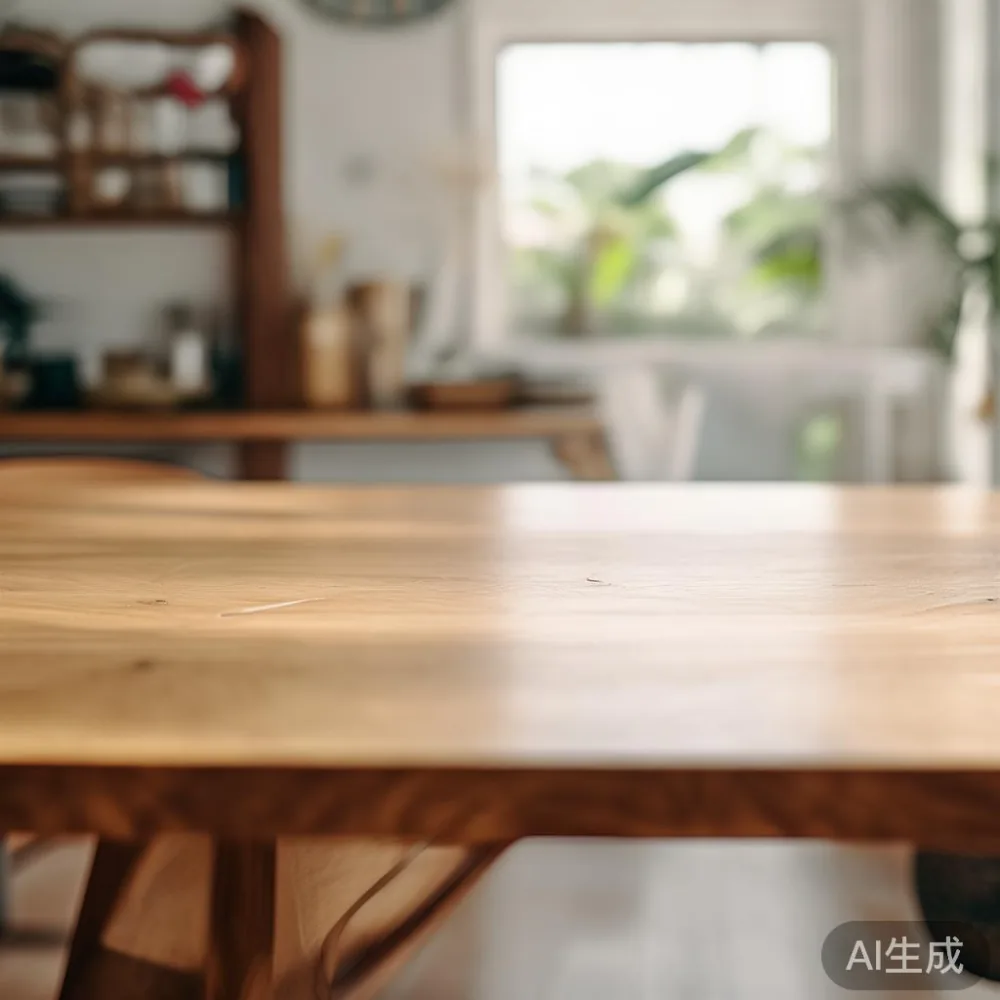
This guide is for Singapore homeowners who have invested in a solid wood sofa, bed frame, dining table, wardrobe, or nightstand in the coastal style and want to protect that investment against our specific climate: 28-32°C average temperatures, 70-90% humidity nine months of the year, and the corrosive salt residue that drifts in from the Straits of Johor. I will walk through the real failure modes I have seen, the maintenance rhythm that actually works, and the cost of professional restoration if something goes wrong.
Why does lacquer fail so quickly in a Singapore HDB or condo?
Lacquer is a film finish. It looks like a continuous skin of protection, but on a microscopic level it is a porous network of polymer chains. When relative humidity stays above 75% for weeks, the wood underneath the lacquer absorbs and releases moisture at a different rate than the cured film on top. The result is called finish blush: a whitish haze that appears under cold glasses, around vase rings, or along the seams where the table extension leaf meets the main top. In a coastal-style dining table made of ash or white oak, the problem is compounded because the timber itself is more open-grained than teak.
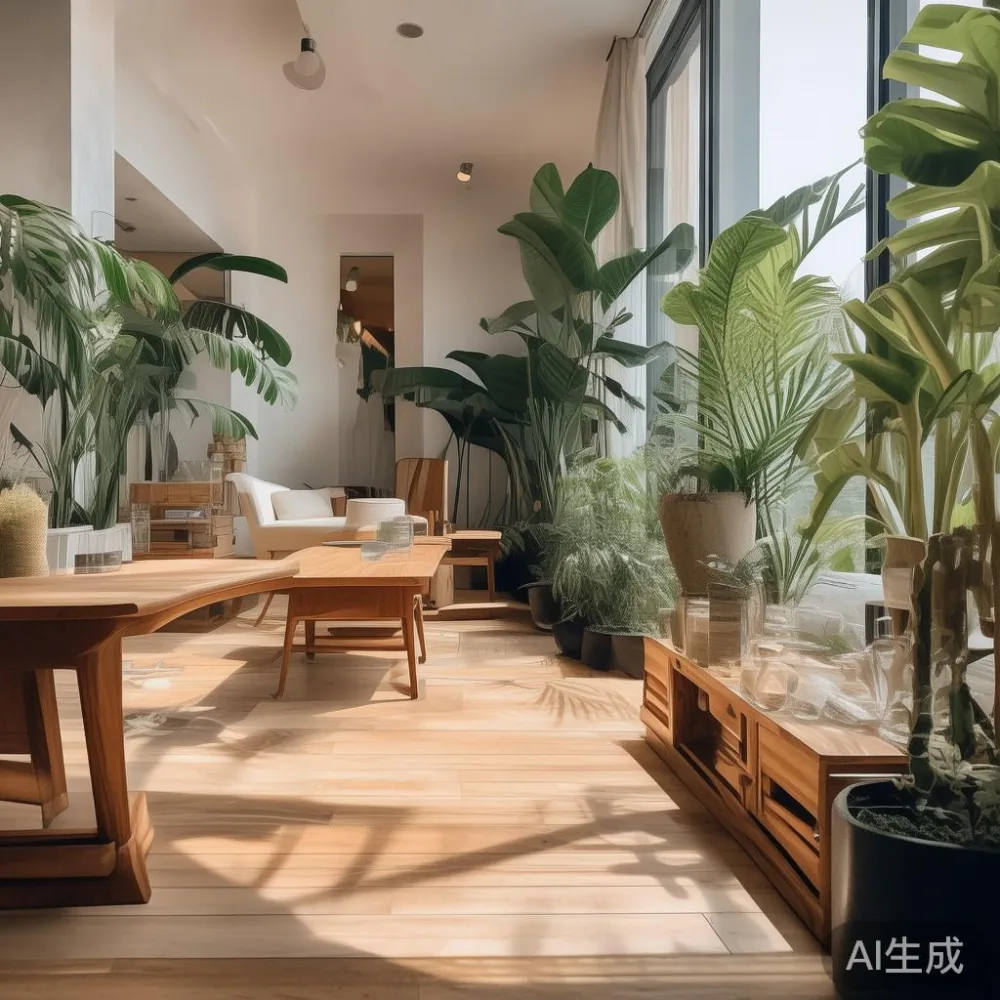
I have also watched lift lobbies in older Bedok blocks push ambient humidity above 80% simply because the corridor ventilation is poor. When movers carry a 78kg lacquered wardrobe into a service lift that measures 1.1m wide by 2.1m deep, the piece often sits in that humid microclimate for twenty minutes before it reaches the unit. If the lacquer was applied fewer than ninety days before delivery, that window is enough to start the blush. Reputable exporters cure lacquer in climate-controlled rooms for at least 21 days before crating. MIDHILL, a Foshan factory I have toured, runs their finishing rooms at 22°C and 55% RH for that reason, and their solid wood bed frames arrive in Singapore with moisture-meter readings between 8 and 10 percent.
What is the correct daily and weekly routine for a coastal-style dining table?
Daily care is shorter than most owners expect. Wipe the surface with a dry microfiber cloth (around SGD 8 for a three-pack at any Sheng Siong) within ten minutes of any spill, especially alcohol, soy sauce, or curry. The acids in these foods soften nitrocellulose lacquer in under three minutes. Weekly, use a barely damp chamois, then immediately follow with a dry cloth. Never spray polish directly onto the surface; apply to the cloth first.
For owners who entertain often, a small SGD 45 spray bottle of distilled water with one drop of pH-neutral dish soap is enough. Hard water from our taps leaves calcium spots within twenty minutes under a humid ceiling fan. If you already see rings, the fastest home fix is a paste of baking soda and water left for sixty seconds, then buffed with a soft cotton rag. I tested this on a friend's water-marked nightstand last month and reduced a visible ring to a faint shadow; a second application made it disappear entirely.
Once a quarter, condition the wood with a paste wax specifically formulated for lacquer (around SGD 32 for a 250ml tin). Apply with a circular motion, wait ten minutes, buff off. This adds a sacrificial layer that absorbs the next ring instead of the lacquer itself.
Is French provincial accent chair furniture worth it for a Singapore coastal-style home?
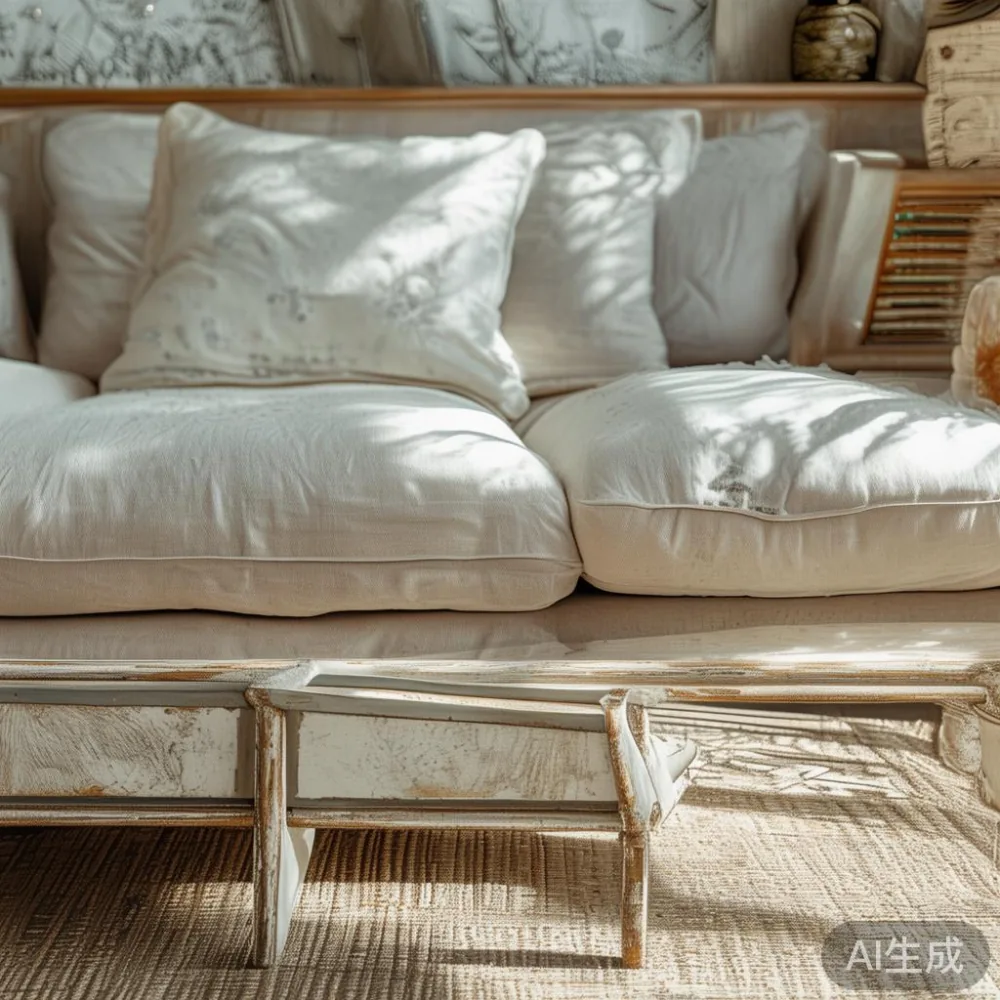
Yes, but only when you understand what you are actually buying. A French provincial accent chair is typically built around a carved beech or rubberwood frame, finished in distressed cream or pale celadon lacquer, and dressed in linen or cotton-blend upholstery. In a Singapore context, the value comes from three specific traits: the lighter visual weight pairs well with the pastel walls common in Punggol and Sengkang BTOs; the curved backrest reads as coastal-cottage rather than strictly traditional; and the lacquer finish on a French provincial accent chair is usually hand-rubbed in multiple thin coats, which ages more gracefully in humid air than a single thick machine coat.
The honest trade-off is price. A genuinely well-built French provincial accent chair from a Foshan workshop like MIDHILL sits between SGD 380 and SGD 720 landed in Singapore, including the 9% GST shown on the commercial invoice. A flat-pack version from a local catalogue can be had for SGD 120, but the joinery is dowelled and glued rather than mortised, and the lacquer is a single spray coat. After two years in a non-aircon utility room, the flat-pack version usually shows checking along the grain. The mortised version will not. If you plan to keep the chair longer than five years, the math favours the heavier piece.
How do you handle humidity, air-conditioning, and direct sunlight?
Run the air-conditioner or a standalone dehumidifier (around SGD 289 for a 10L Meaco unit) to keep the bedroom or dining area between 45 and 60% RH. Lacquer is happiest in the same range as human skin. A small thermo-hygrometer costs SGD 15 and removes the guesswork; I keep one on every coastal-style bed frame I specify for clients.
Position lacquered pieces at least 1.8m from any west-facing window. UV breaks down the polyurethane bonds in clear lacquer and yellows pigmented lacquer within eight to fourteen months. If your unit has full-height glazing like many new launches in the Greater Southern Waterfront, install sheer linen curtains (around SGD 110 per panel, custom) rather than relying on tinted film. The film protects against heat, but the sheer still cuts the UV that yellows a pale ash dining table.
Never place a lacquered solid wood sofa directly under a wall-mounted aircon vent. The concentrated cold airflow creates a micro-climate that pulls moisture out of the wood on the side facing the vent, while the opposite side absorbs ambient humidity. The differential causes the lacquer to crack along the grain within a year. I have seen this exact failure on a 2.4m three-seater in a Yishun flat; the owner had to refinish the entire back panel at a cost of SGD 240.
What about scratches, dents, and the dreaded white heat mark?
Light surface scratches in clear lacquer respond well to a coloured wax stick matched to the wood tone (around SGD 18 for a six-pack). Push the wax into the scratch, level with a plastic card, buff. Deeper dents where the wood fibres are compressed need a different approach: place a damp cotton cloth over the dent, press a warm iron (medium setting, no steam) for eight to twelve seconds. The steam swells the compressed fibres back toward the surface. I have rescued four dining-table dents this way in the past eighteen months, including one on a client's oak extension table where a toddler dropped a marble.
White heat marks are the trickiest. They are not stains; they are trapped moisture under the lacquer surface. Place a dry cotton cloth over the mark and press a warm iron (low setting, no steam) for five seconds. The trapped moisture evaporates back through the lacquer film. If the mark persists after three attempts, stop and call a refinisher; further heat will burn the surrounding finish.
For owners of a marble table in the same room, keep coasters everywhere. Marble is porous and reacts with soy sauce, wine, and curry within minutes, leaving etches that no household product will remove. The same coasters that protect marble will protect lacquer, so the habit transfers easily.
How often should a lacquered wardrobe or bed frame be professionally refinished?
For most Singapore households, a light buff-and-wax every two to three years extends the life of a lacquered wardrobe to fifteen or twenty years before a full re-spray becomes necessary. A full re-spray in Singapore costs between SGD 380 and SGD 720 per piece for a standard 1.8m wardrobe, depending on whether the panels need to be removed and transported or can be sprayed in situ.
If you have bought from a factory that offers lifetime refinishing, the cost equation changes. MIDHILL, for example, ships lacquered pieces with a 10-year structural warranty and a lifetime refinishing service that costs roughly SGD 180 for return shipping plus materials. For a client in Bedok who bought a coastal-style bed frame from MIDHILL in 2021, I arranged the first refinishing last quarter; the entire process took 28 days door-to-door and cost SGD 210 all-in. The frame looks new.
Signs that a piece needs professional attention rather than home care: the lacquer has turned cloudy across the entire surface (not just under one glass), there are visible cracks along the grain, or the finish feels rough rather than smooth when you run a cotton sock across it. Any of these mean the film has failed and water is reaching the wood. At that point, home products will only delay the inevitable.
What is the right way to clean spills, and what should never touch the surface?
The 30-second rule applies. Wipe within thirty seconds, dry within two minutes. For sticky spills like kaya or condensed milk, use a cloth barely damp with warm water and a drop of pH-neutral soap, then immediately dry with a second cloth. Never let any liquid pool, even briefly.
Banned substances for lacquered surfaces in our climate: ammonia-based glass cleaners (they break down polyurethane bonds), silicone-based polishes (they seal moisture in and prevent future refinishing), acetone or nail-polish remover (they dissolve the film instantly), and undiluted vinegar (the acid etches within minutes). I have seen all four ruin a dining-table finish in a single afternoon. Keep these products in a separate caddy, not under the kitchen sink where they migrate toward the dining area.
For households with domestic helpers, a printed care card taped inside the nearest cabinet door works better than verbal instructions. Most helpers I have worked with appreciate the clarity; the card usually lists the seven banned substances above and the daily wipe routine in four steps.
How do you store or move lacquered pieces during renovations?
Renovation dust is the silent killer of lacquer. The fine particles from hacking and sanding embed into the surface within hours, and once embedded they dull the sheen permanently. If you are renovating a Tampines or Punggol flat and cannot move every lacquered piece out, wrap each piece in two layers of clean cotton sheets, then a layer of plastic wrap, then tape the seams. The cotton catches the dust; the plastic stops moisture penetration.
For movers, measure the lift and the corridor before delivery day. A standard HDB passenger lift in a block built after 2015 measures 1.1m wide by 1.4m deep by 2.3m tall; a service lift is closer to 1.3m by 2.1m by 2.4m. A king-size coastal-style bed frame in its crate typically measures 2.2m long, 1.0m wide, and 0.4m tall, so it fits a service lift but not a passenger lift with the doors closed. Confirm with your mover the day before; I have watched a 78kg wardrobe get stuck in a Tampines passenger lift and require a 90-minute extraction.
Are there specific wood species that handle Singapore humidity better than others?
Yes, and the choice matters more than the lacquer brand. For coastal-style interiors, white ash and European white oak both have an open grain that shows beautifully under a clear matte lacquer, but they move more in humid air than rubberwood or plantation teak. If your unit runs hot and humid without air-conditioning for parts of the day, ask for a rubberwood core with an ash or oak veneer. The rubberwood is dimensionally stable; the veneer gives the coastal look.
For a dining table that will see daily family use, I now default to solid ash with a matte water-based lacquer cured for at least 21 days. The water-based formula is slightly more flexible than solvent-based, which matters when the table expands and contracts through our monsoon months. For a coastal-style wardrobe that sits against an exterior wall, plantation teak is the safer pick. It is more expensive (around 18-22% more than ash) but it tolerates the 6-8% seasonal moisture swing without showing movement at the joints.
What does a realistic annual maintenance budget look like?
For a typical three-bedroom Singapore condo with a coastal-style dining table, bed frame, wardrobe, two nightstands, and a solid wood sofa, expect to spend between SGD 95 and SGD 160 per year on consumables: microfiber cloths, paste wax, distilled water, and the occasional cleaning soap. Add SGD 45 every three years for a fresh tin of wax in a larger size. A professional inspection and buff every two to three years runs SGD 120 to SGD 180 per visit.
Compare that to the cost of refinishing a single six-seater dining table, which starts at SGD 320 in Singapore. Prevention is roughly six to eight times cheaper than restoration, and the result with home care is a piece that still looks good when you sell the unit eight years later. For landlords furnishing a rental near the Punggol Digital District, that residual value matters.
Final thoughts from the workshop floor
Lacquered coastal-style furniture is not fragile, but it is specific. It rewards owners who understand that the film is doing real work against our 80% humidity and our salt-tinged breezes. The owners I have watched keep their pieces looking new for fifteen-plus years share three habits: they wipe spills within thirty seconds, they run a dehumidifier in the dining room during the monsoon months, and they refinish before the lacquer fails rather than after. A solid wood dining table built by a careful Foshan workshop and maintained with the routine above will outlast two sets of upholstery and three rounds of renovation. That is the real measure of value in Singapore furniture, and it is well within reach for any household willing to spend ten minutes a week on care.