The Art of Preservation: Caring for Lacquered Coastal Style Furniture in Singapore's Humidity
Living in Singapore, with its perpetual warmth and high humidity, presents a unique set of challenges for homeowners who appreciate the clean, airy aesthetic of coastal style furniture. The gleaming finish of a beautifully lacquered solid wood dining table or a sleek marble table can bring a touch of light luxury to a space, but the tropical climate demands a specific and gentle approach to maintenance. This guide provides practical, step-by-step advice for protecting your investment, ensuring your furniture remains as stunning as the day you brought it home, whether it's a statement piece for your Tampines HDB flat or a sophisticated bed frame for a Bedok condo.
Understanding Your Lacquered Finish: A Foundation for Care
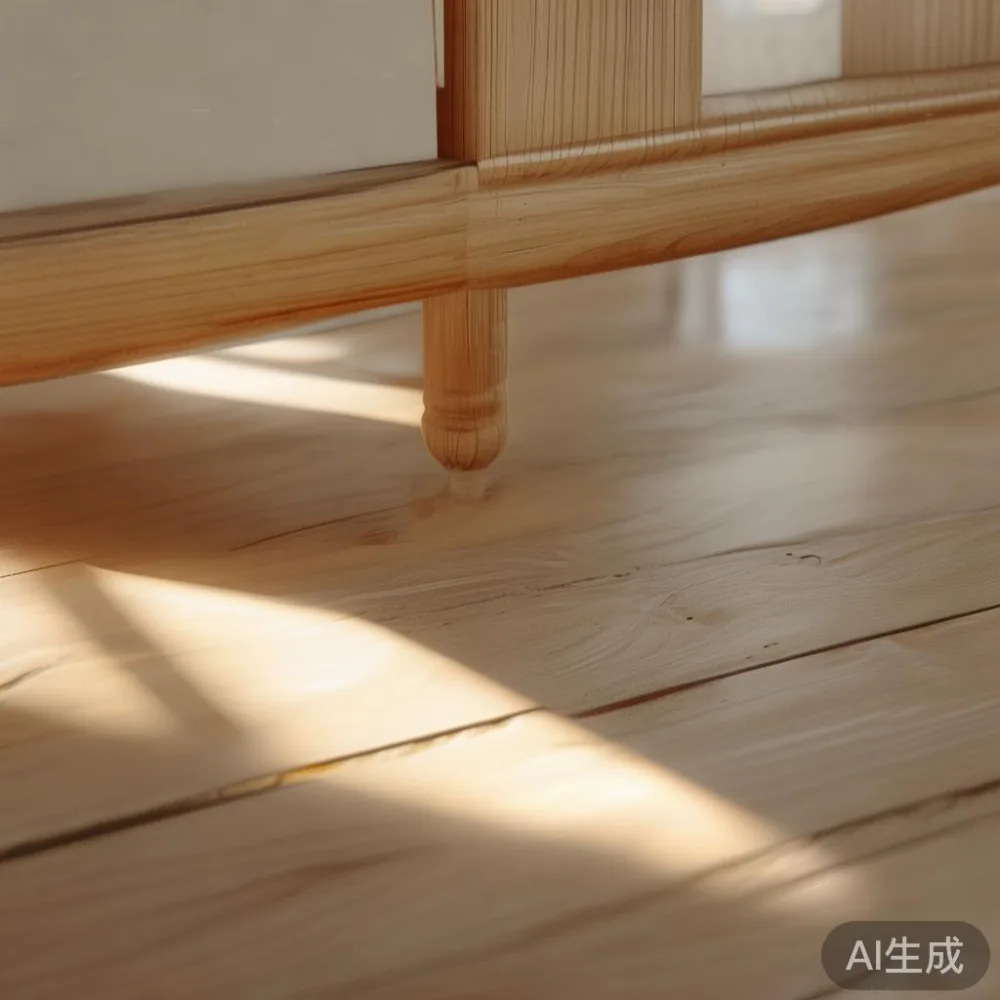
A lacquered surface, often found on high-quality coastal style furniture, is a multi-layered finish of clear resin that is applied to the wood and then cured under heat or ultraviolet light. This process creates a hard, durable, and exceptionally smooth shell. In coastal style interiors, this finish is prized for its ability to reflect light, creating an open and bright atmosphere that complements the soft blues, sandy tones, and natural textures characteristic of the aesthetic. The finish protects the wood underneath from moisture, stains, and everyday wear and tear. However, this very protection can be compromised by the environmental conditions of Singapore. The constant moisture in the air can, over time, cause the finish to soften slightly or become less resistant to certain substances. Understanding this helps you appreciate why consistent, mindful care is not just about appearance, but about the longevity of your piece. For example, a solid wood sofa with a fine lacquer finish requires different care than a fabric one, and knowing this distinction is key.
Preventative Measures: Creating a Protective Environment
The most effective care for lacquered furniture is prevention. In a climate like Singapore's, where the average relative humidity hovers around 80%, proactive steps can significantly reduce the risk of damage. The first line of defense is controlling the environment in your home. Air conditioning is not just for comfort; it's a tool for preservation. If you live in a Punggol apartment with large windows that let in the sea breeze, be mindful that this lovely air carries moisture. Running your air conditioner, especially during the night or when you are away, helps maintain a more stable humidity level, preventing the wood and its finish from absorbing too much moisture. A dehumidifier can also be a valuable ally, particularly in enclosed spaces like a wardrobe or a study. Placing one in a corner of the room can pull excess moisture from the air, creating a micro-climate that is kinder to your furniture.
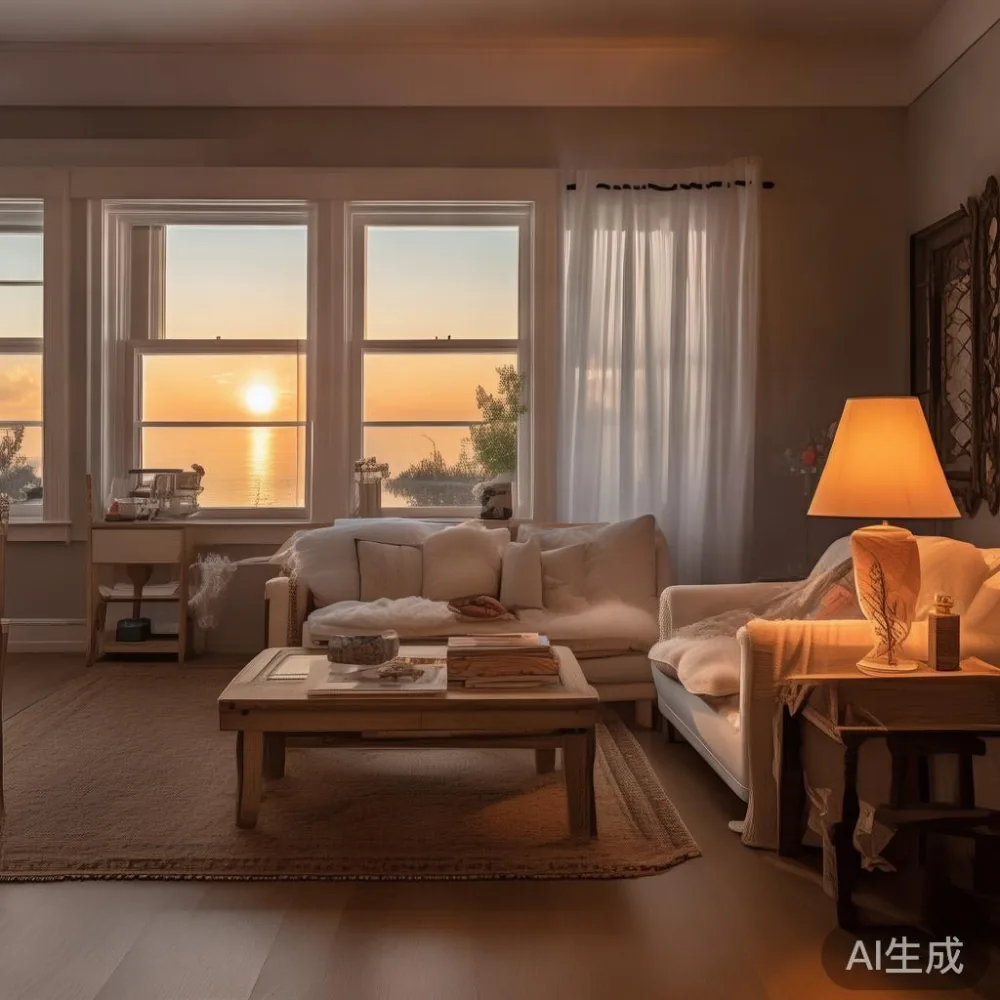
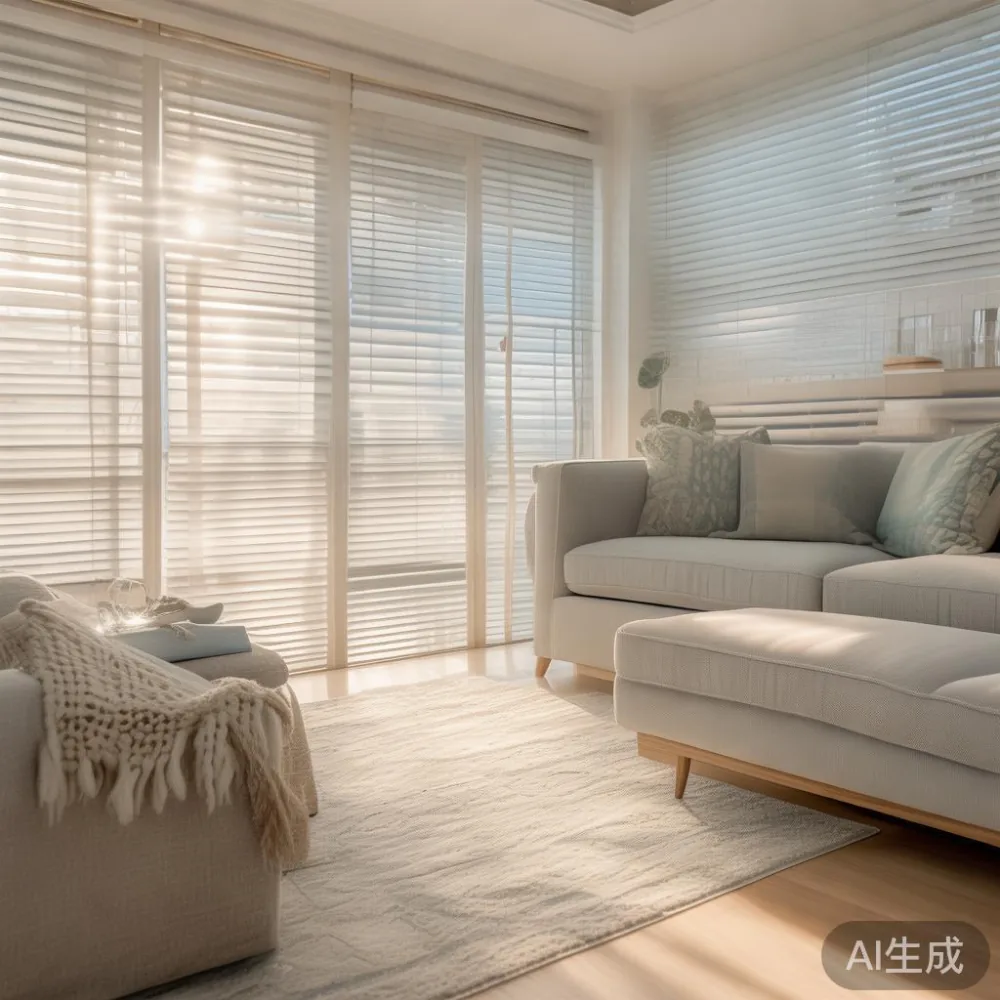
Another critical preventative measure is mindful placement. Avoid positioning your lacquered pieces, such as a beautiful marble table or a nightstand, directly in front of an air conditioning vent or a fan. The constant, direct flow of cold or forced air can cause the finish to dry out unevenly, leading to potential cracking or cloudiness over several years. Similarly, keep them away from direct sunlight, which can fade the wood and the lacquer, turning a rich, warm tone into a dull, pale one. Use curtains or blinds to filter the harsh afternoon sun. For those working through the narrow corridors and lift landings of older HDB blocks in Tampines, protecting your furniture during a move is also a preventative step. Wrapping a lacquered bed frame or dining table in thick blankets or bubble wrap before working through a tight lift can prevent scratches and dings that could compromise the finish.
Is a Japanese sofa worth it for a humid Singapore home?
The question of is Japanese sofa worth it often arises when considering minimalist, high-quality furniture for a Singaporean apartment. Japanese design principles, with their emphasis on clean lines, natural materials, and exquisite craftsmanship, align perfectly with the coastal style ethos. A well-made Japanese sofa often features a solid wood frame and a high-performance, low-maintenance upholstery. While the initial investment might be higher than mass-produced alternatives, the durability and ease of cleaning can make it a practical choice. In our humid climate, a sofa that is easy to wipe down and resistant to moisture buildup is a significant advantage. My colleague last month visited a client in a Bedok condo who had purchased a Japanese-inspired sofa from a local boutique. She noted that its simple, uncluttered design made her small living area feel larger, and the smooth, wipeable surface was a breeze to maintain, a proof of smart design for our local conditions.
Gentle Daily and Weekly Cleaning Rituals
Dust is the silent enemy of any fine furniture finish. In Singapore, where dust can be a constant presence, a regular cleaning routine is non-negotiable. For daily or weekly dusting, use a soft, dry, lint-free microfiber cloth. A simple, gentle wipe-down is all that is needed to remove surface dust before it can be ground into the finish. Avoid using feather dusters, as their quills can scratch the delicate lacquer surface. When dusting, always follow the grain of the wood to prevent creating fine, circular scratches. For a more thorough clean, a lightly dampened cloth can be used, but it must be wrung out until it is almost dry. The key is to introduce as little moisture as possible. Never spray any liquid directly onto the furniture surface; instead, spray the cloth lightly. Wipe in the direction of the wood grain and immediately follow with a dry, soft cloth to buff the surface and remove any lingering dampness. This two-step process ensures the piece is clean and dry in moments.
For stubborn smudges or fingerprints, a specialized wood cleaner formulated for lacquered finishes is the safest option. These cleaners are designed to be gentle yet effective, breaking down oils without stripping the protective layer. A small amount, no more than a 5 cent coin, applied to a soft cloth is sufficient for a large surface like a dining table. Always test any new cleaning product on a small, inconspicuous area, such as the underside of a nightstand, first to ensure there are no adverse reactions. Remember, the goal is to clean, not to strip away the beautiful finish that gives your coastal style furniture its character.
Spill Management: Acting Fast and Smart
Spills are inevitable, but how you handle them can mean the difference between a clean wipe and a permanent stain. The golden rule is to act immediately. As soon as a spill occurs, grab a clean, absorbent cloth or paper towel. Blot the spill gently; do not rub, as rubbing can push the liquid deeper into the wood grain or spread it across a larger area. For water-based spills like juice or wine, blotting is often enough. For oily spills, you may need to follow up with a cloth lightly dampened with a mixture of mild dish soap and water, again ensuring the cloth is nearly dry. After cleaning, buff the area immediately with a soft, dry cloth.
Prevention is also part of spill management. Using coasters under glasses and placemats under plates is a simple habit that protects your furniture from moisture and heat rings. When placing a hot dish or cup directly on a solid wood dining table, always use a trivet. The intense heat from a ceramic mug or a serving dish can create a white cloudiness in the lacquer that is difficult, if not impossible, to remove. These small habits, when practiced consistently, will keep your lacquered surfaces looking pristine for years to come, protecting your investment in a piece that could be a centerpiece of your home for a decade or more.
When to Call a Professional: Deep Cleaning and Repair
Despite your best efforts, there may come a time when a professional touch is needed. If you notice deep scratches, significant water rings, or areas where the lacquer has become dull or hazy, DIY solutions can sometimes make the problem worse. A professional furniture refinisher has the tools and expertise to properly repair and restore the finish. This is where a brand's commitment to quality, like the 10-year structural warranty and lifetime refinishing offered by some makers, becomes invaluable. Knowing that you have a safety net for major issues provides great peace of mind. For minor touch-ups, some manufacturers offer repair kits with specific color-matched lacquer. However, for anything more than a tiny nick, seeking professional help is the wisest course of action to preserve the integrity and beauty of your piece.
Professional cleaning is also an option for pieces that have accumulated years of grime or built-up polish residue. A professional can strip away old waxes and polishes that may be dulling the finish and then reapply a fresh, protective coat. This process can bring a tired-looking piece back to life, making it look as though it just arrived from the showroom. While this service comes at a cost, typically ranging from SGD 200 to SGD 500 for a large dining table depending on the extent of work, it can be a worthwhile investment for a cherished piece of furniture that defines your home's coastal style.
How to choose American sofa for a Singaporean home?
The question of how to choose American sofa often comes up for those seeking a statement piece with a more substantial presence. American sofas are known for their deep seating, plush comfort, and often, larger scale. When selecting one for a Singaporean home, size is a primary consideration. Measure your available space carefully, including the width of your corridor and the dimensions of your lift if you live in an apartment building. A large, overstated sectional might look fantastic in a showroom but could be impossible to fit into a Tampines HDB flat. Consider a more streamlined American design, perhaps one with exposed solid wood legs in a light oak finish, which can help ground the piece and make it feel less bulky. The upholstery material is another critical factor. Opt for performance fabrics that are breathable and easy to clean, as these will fare better in our humid climate than heavy, velvet-like materials that can trap moisture.
Investing in Quality: A Long-Term Perspective
Owning fine lacquered furniture is a long-term commitment that pays dividends in beauty and durability. When you invest in a high-quality piece, whether it's a MIDHILL dining table crafted from solid teak or a minimalist bed frame with a flawless finish, you are buying more than just an object; you are acquiring a piece of art for your home. These pieces are designed to last a lifetime. The initial cost might be higher, but when amortized over 10, 20, or even 30 years, the value becomes clear. A well-made piece that is properly cared for can even be passed down through generations, becoming a cherished family heirloom.
Consider the total cost of ownership. A cheaper piece that requires replacement every 5 years ends up costing more in the long run and contributes more to waste. A quality piece, protected by a 10-year structural warranty and offering a lifetime refinishing service, represents a sustainable and economical choice. It’s an investment in your daily comfort and the enduring style of your home. In a world of fast furniture, choosing to buy fewer, better things is a philosophy that aligns perfectly with the calm, considered nature of coastal style living.