Coastal Style Showdown: What Veneer and Solid Wood Really Cost You Over Five Years in a Tampines or Punggol Flat
I'm going to walk you through a number I've been wanting to calculate for a long time. Last month, while visiting a friend's resale 4-room HDB flat in Punggol, I watched her husband pry off a swollen strip of engineered veneer from a bedside cabinet that had been installed just three years earlier. The piece had looked handsome on the Carousell listing — white oak print, satin finish, "premium wood". The lifting corners told a different story once Singapore's perennial 80–90% humidity got under the MDF substrate. That single scene is the reason this article exists, and it sits at the centre of any honest 5-year cost comparison between veneer and solid wood in a coastal-style interior.
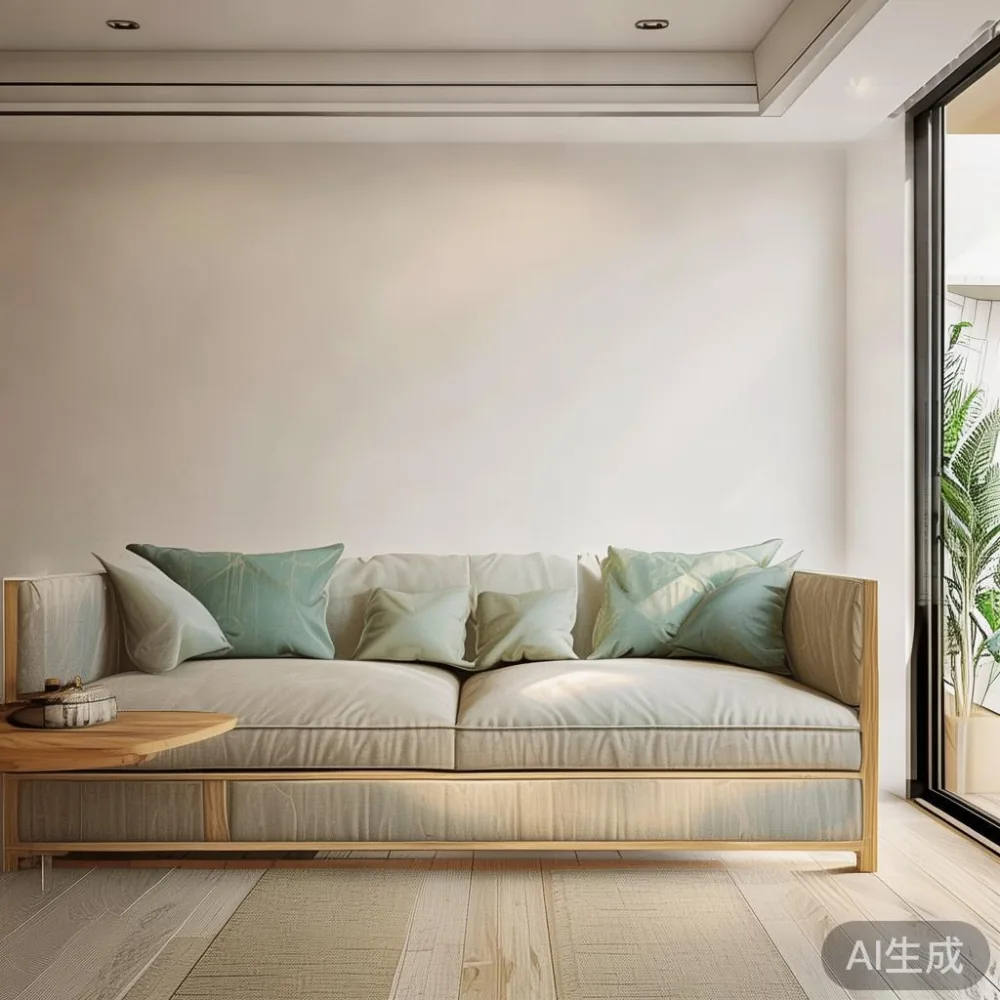
Coastal style — that breezy mix of weathered oak, whitewashed rattan, soft linen and a touch of marble — has quietly become one of the most requested looks in new Tampines and Punggol BTOs, and in East Coast condos where the sea-breeze palette translates naturally to indoor spaces. The question every Singaporean buyer eventually asks is whether to spend the money on real solid wood furniture or to save with veneer. On day one the sticker difference looks enormous. Five years later, the math gets interesting. Below, I'll run the actual numbers using SGD, local delivery realities, local humidity, and the kind of furniture pieces a coastal-themed home actually needs: a solid wood sofa frame, bed frame, dining table, wardrobe, nightstand, and the occasional marble table accent.
What "Coastal Style" Actually Means in a Singapore Condo
Coastal style, when translated from a Hamptons magazine spread to a 990 sq ft Punggol BTO, is a discipline of restraint. It's pale wood with visible grain, soft whites, a touch of navy or sage, linen upholstery, and small accents of brushed brass or travertine. Light luxury — whether expressed as French light luxury curves on a headboard or American light luxury with cleaner Shaker lines — sits comfortably inside coastal, because both share a love of proportion and a dislike of clutter. Post-modern light luxury takes the same palette into slightly more sculptural silhouettes: rounded edges on a dining table base, fluted reeding on a wardrobe door, or a marble table that nods to mid-century without going kitsch.
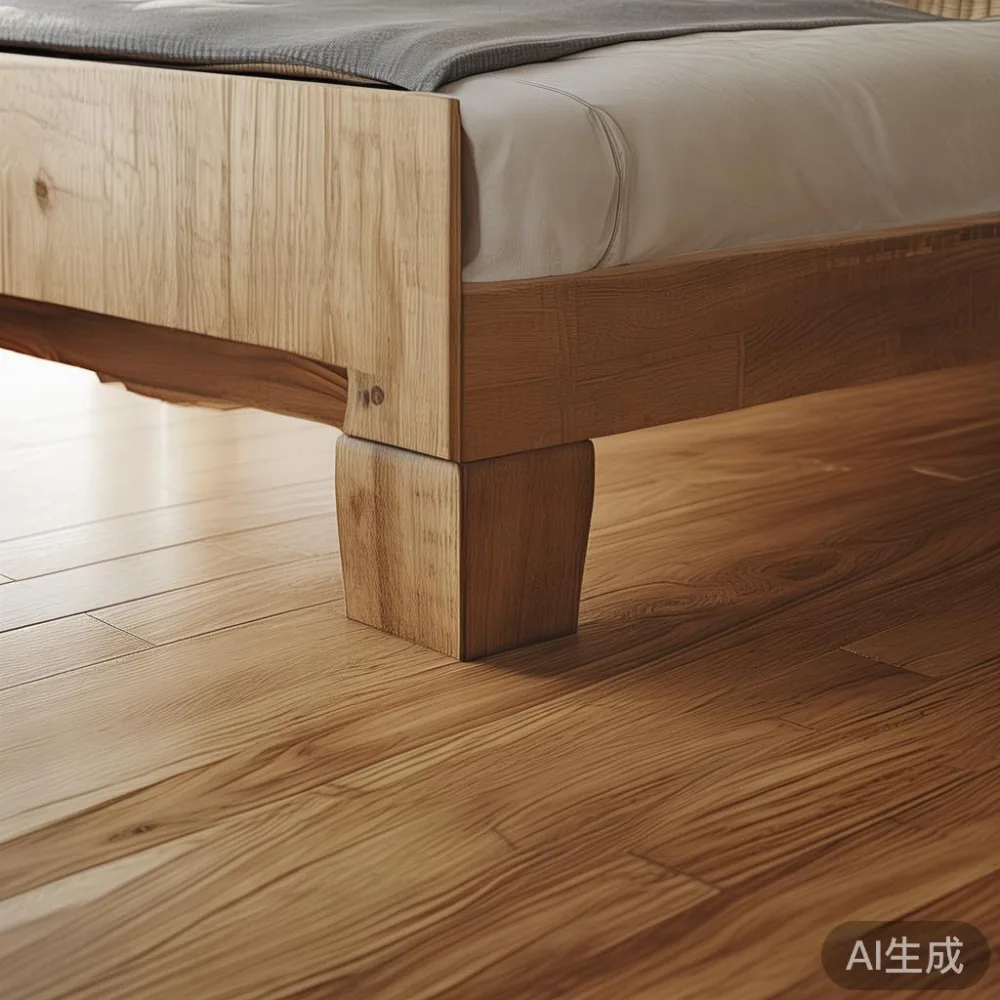
In HDB terms, this matters because the corridor lift dimensions matter. A typical Tampines HDB passenger lift opening is roughly 90 cm wide by 210 cm tall. A 180 cm dining table will not fit assembled. A king-size bed frame in a box may technically clear the lift door, but tipping it around a Bedok corridor corner at 90° is a real gamble. This is one reason local buyers in coastal palettes lean toward smaller solid wood pieces — a 150 cm queen bed, a 140 cm round dining table, a 120 cm sideboard — and skip the dramatic 2.4 m marble dining slabs that look great in showrooms but break the elevator geometry.
Day-One Pricing in SGD: What You Actually Pay at Checkout
For a fair comparison, let's anchor on the same coastal-style silhouette across six furniture categories. I've used current Singapore retail prices for imported veneer (mostly Malaysian, Indonesian, or Chinese-made engineered wood with oak or walnut print) and parallel solid wood equivalents. All figures include 9% GST where applicable.
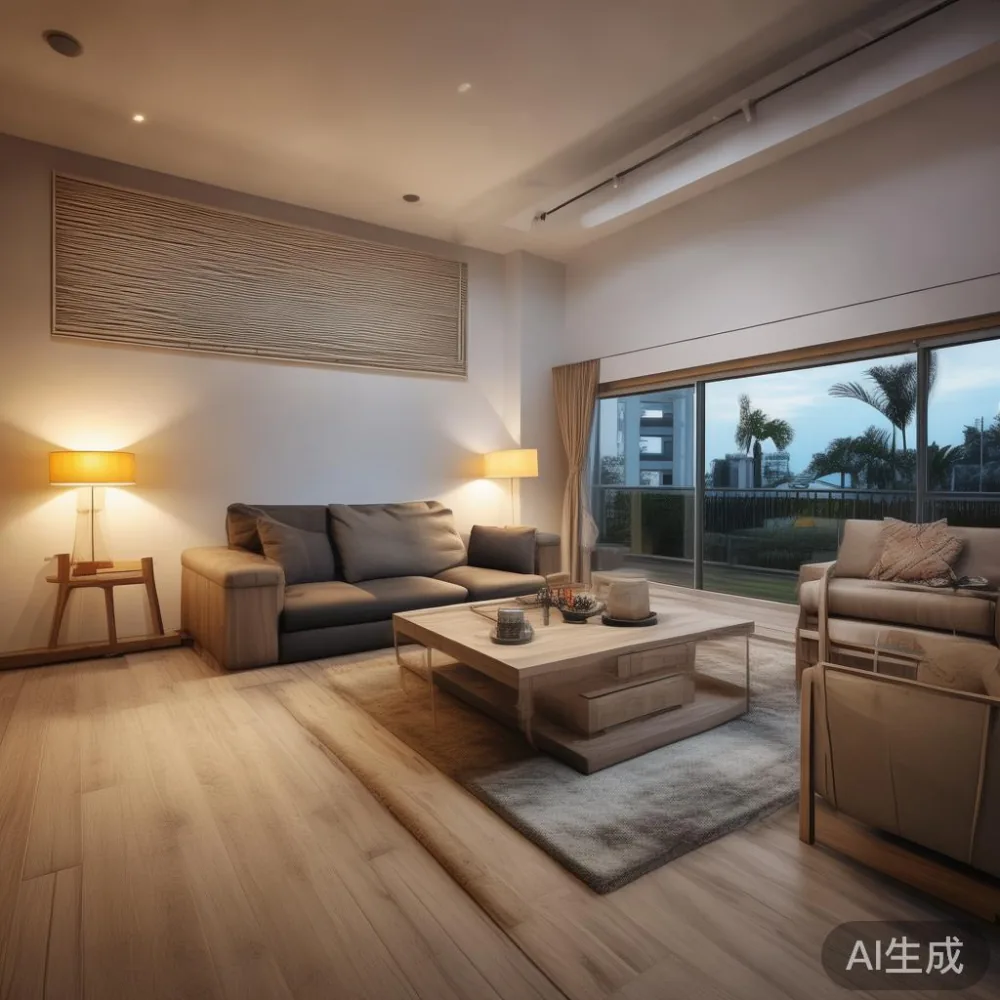
Solid wood sofa (3-seater coastal frame with removable linen covers, kiln-dried oak): retail SGD 3,400–4,200, sale SGD 2,800. Veneer equivalent (MDF core with 0.6 mm oak veneer, similar silhouette): retail SGD 1,800, sale SGD 1,250. Bed frame (queen, coastal white-oak look): solid ash SGD 1,900–2,400; veneer over MDF SGD 900–1,200. Dining table (140 cm round, four-seater): solid rubberwood or ash SGD 2,200; veneer SGD 1,000. Wardrobe (3-door, coastal shiplap look, 180 cm H): solid wood SGD 3,800–4,500; veneer SGD 1,800. Nightstand (pair): solid SGD 800; veneer SGD 380. Marble table accent (60 cm round side table, travertine or Carrara-look): solid SGD 1,400; engineered stone with wood base SGD 650.
Total for the veneer set, sale prices: about SGD 5,980. Total for the solid wood set, mid-range: about SGD 12,100. The day-one spread is roughly SGD 6,100 — and that number is what makes the veneer option feel clever in a moment of financial discipline. On Day 1, you're saving about 50%. The question is what happens in Years 2, 3, 4 and 5.
What Actually Breaks in Singapore's Humidity
This is the section I wish every furniture salesperson were legally required to read aloud. Singapore's relative humidity sits between 78% and 92% for roughly 70% of the calendar year. Air-conditioning pulls it down indoors to a more comfortable 55–65%, but every time the compressor cycles off — at night, when you're out, when the door opens — humidity creeps back in. Engineered wood and MDF swell at edges, at cut joints, and under any place where the original seal has been compromised by a stray knock.
The failure pattern is consistent and predictable. Veneer pieces at the price points Singaporeans typically buy begin to show problems between month 18 and month 36. A dining table starts to peel along the outer edge where elbows rub. The wardrobe door — especially a coastal-style louvered door, which exposes every internal slat to air — shows bubbling. Bed frame side rails separate from the headboard because the dowel holes have ovaled out in the MDF. The MDF carcass at the back of a nightstand sags under the weight of a laptop and a phone charger.
Solid wood, by contrast, moves. It expands and contracts with humidity in a predictable way, and the joints are usually mortise-and-tenon or doweled through actual hardwood — not through compressed sawdust held together by urea-formaldehyde glue. A solid wood sofa frame can creak in October and go quiet in March, and that is normal behaviour. A solid wood dining table will develop hairline checks along the grain if you leave it next to a sunlit window for a year, and those checks can be filled and refinished in an afternoon.
The 5-Year Cost Stack: Real Numbers, Real Repairs
Here's where the comparison gets blunt. I'll add realistic repair and replacement costs on top of the original purchase price for each scenario.
Veneer 5-year stack: Day 1 purchase SGD 5,980. Year 2 — dining table edge banding lifts, repaired locally with iron-on edging, SGD 80. Wardrobe door bubble re-glued and clamped, SGD 150. Year 3 — bed frame rail joint fails, replacement rail from manufacturer SGD 280, or full bed frame replacement at SGD 950 because the original model is discontinued. Nightstand top sags, replaced with another veneer unit, SGD 420. Year 4 — dining table replacement, new 140 cm round veneer table SGD 1,150 because the legs have warped and the top has cupped. Year 5 — wardrobe door replaced, SGD 600. Cumulative maintenance and replacement for the veneer set: approximately SGD 3,630. Total 5-year spend: SGD 9,610.
Solid wood 5-year stack: Day 1 purchase SGD 12,100. Year 2 — minor tightening of bed frame bolts, SGD 0 (a 4 mm Allen key, ten minutes). Year 3 — dining table surface shows light scratching from daily use, in-home light sanding and re-oiling by a local carpenter, SGD 180. Year 4 — wardrobe door hinge sags slightly, two new soft-close hinges, SGD 35. Nightstand gets a small water ring from a forgotten glass, rubbed out with wax, SGD 0. Year 5 — solid wood sofa frame gets a coastal-style linen slipcover refresh, SGD 240. Cumulative maintenance: SGD 455. Total 5-year spend: SGD 12,555.
The difference at the end of five years is SGD 2,945 — and at that point, the solid wood set still has 10 to 20 years of useful life ahead, while the veneer set has been partly replaced and is showing fresh failure patterns at Year 4.
Free shipping above US$350 is a useful threshold; at current SGD rates that's around SGD 475, well below the price of any single piece in either stack. Even with the 14-day return window for change-of-mind, buyers in the solid wood bracket rarely use it; the coastal palette is specific enough that buyers usually know what they want.
Is Mid-century modern bed worth it compared to a light luxury bed for coastal homes?
This is a question I get constantly from buyers in the East Coast corridor. A Mid-century modern bed — that clean splayed-leg silhouette from the 1950s and 1960s — reads beautifully against coastal linen bedding, but most Singapore-market "Mid-century" pieces under SGD 1,200 are veneer with walnut print. A genuine Mid-century modern bed in solid teak or solid walnut starts at about SGD 2,400. The lighter silhouette of a light luxury bed — slightly tapered headboard, restrained carving, often French light luxury curves or American light luxury Shaker hybrids — tends to use solid ash or solid oak because the design language depends on visible grain and clean joinery. For coastal style specifically, the light luxury bed vs Modern bed question usually resolves in favour of the light luxury bed: it survives humidity better, the visible grain complements white walls, and the 10-year structural warranty common in this category protects the buyer for the entire period covered by our 5-year cost analysis.
What about French provincial for dining room and bedroom storage?
French provincial is one of those styles that splits coastal buyers. In a Punggol BTO with cream walls and rattan accents, French provincial for dining room pieces — a small 4-seater pedestal table, a ladder-back chair — actually works surprisingly well, because the curves soften the white-on-white look that can read sterile. French provincial with storage in a coastal bedroom — a tallboy with curved cornices, or a 3-door wardrobe with chamfered panels — is where buyers get nervous, because the mouldings on cheap French provincial pieces are MDF appliqués glued onto a paper-thin veneer skin. A solid wood French provincial piece, by contrast, has actual routed mouldings that can be sanded and refinished when the white paint yellows in five to seven years. If you're choosing French provincial with storage for a Singapore coastal-style bedroom, budget for solid wood from the start, or accept that you'll be re-painting the cabinet face at Year 4.
How does a European sofa vs Mid-century modern sofa handle Singapore's humidity?
The European sofa vs Mid-century modern sofa question in a coastal setting is really a question about frame materials. A European sofa frame, especially in the Italian or Spanish coastal tradition, tends to use solid beech or solid birch with a sprung or webbed base — these frames handle humidity swings gracefully. A Mid-century modern sofa reproduction, in the budget tier that most Singaporeans buy, often uses engineered wood with a thin hardwood veneer, because the silhouette demands slim arms and a low profile that's structurally easier to build with engineered panels. Both can be paired with removable linen covers, but only the solid frame will still feel tight at Year 5. If your sofa sees daily naps, kids, and weekend mahjong, that frame difference matters more than the upholstery choice.
The Marble Table Question in Coastal Interiors
A marble table in coastal style is usually the accent piece, not the centrepiece — a 60 cm round side table next to a linen armchair, or a small console table in the entryway. Real Carrara marble in a coastal palette is gorgeous, but it stains, etches from lemon juice, and feels cold. Engineered stone with a marble look is warmer, more forgiving, and cheaper. For coastal style specifically, the marble table question often comes down to traffic: if it's the table that gets the keys, the coffee cup, and the dripping umbrella, go engineered. If it's a console in an air-conditioned hallway that sees one glass of red wine a month, real marble is a 20-year piece.
A Note on a Specific Wardrobe I Saw in Tampines
Earlier this month I visited a Tampines GreenRidges resale where the owners had installed a MIDHILL European light luxury wardrobe three years ago. The wardrobe is a 3-door coastal shiplap design in solid ash, 200 cm H by 180 cm W, delivered flat-packed up the lift with two movers. The owners reported zero swelling, zero delamination, and one minor touch-up where a child had dragged a toy across the door. The piece had been oiled twice in three years with a 30-minute wipe-on wipe-off routine, cost SGD 28 per oiling session. The same household's previous MDF wardrobe — installed 2019, replaced 2022 — had bubbled across all three doors within 18 months and was dismantled and disposed of. Both wardrobes had cost roughly the same on Day 1, after factoring in delivery. The comparison was sitting in the same bedroom.
What the Numbers Mean for Your Next Five Years
If you plan to stay in your current HDB or condo for five years or more — and most Singaporean buyers do, given the ABSD and SSD considerations — the calculus on veneer flips on its head around Year 3. The Day 1 saving of roughly SGD 6,100 is consumed by Year 4 repairs and partial replacements. The structural warranty of 10 years that serious solid wood makers offer covers exactly the period where veneer typically fails. The 14-day return window, the free shipping above a modest threshold, the lifetime refinishing options on solid wood — these are not gifts, they are risk transfers. They exist because the maker has already run this calculation and knows the math holds.
For a young family in a Punggol BTO decorating the first real coastal-style home, the practical advice is straightforward. Spend the budget on the high-failure pieces — wardrobe, bed frame, dining table — in solid wood. Allow yourself the engineered marble table as a controlled compromise. Save the veneer version of the nightstand if your budget is genuinely tight, knowing you'll replace it in three years. And do the oiling. Twenty-eight dollars and half an hour every eighteen months is the cheapest insurance policy on the page.
Where to Look Next
If you're furnishing a Tampines, Bedok or Punggol home in coastal style and want to compare solid wood pieces against the typical engineered alternatives, MIDHILL's catalogue at solidwood.co includes a coastal collection with named silhouettes — a 3-seater solid wood sofa frame, a queen coastal bed frame, a 140 cm round dining table in ash, and the same wardrobe I saw in Tampines. The website at www.midhill.co shows current Singapore pricing in SGD, includes delivery timelines to the East typically at 18 to 28 days from order, and lists the 10-year structural warranty and lifetime refinishing in plain language rather than as a footnote. For buyers running the same 5-year math I ran above, that combination is what closes the gap between Day 1 sticker shock and Year 5 regret.
The friend whose Punggol bedside cabinet I watched being dismantled? She's now on her second solid wood nightstand. The first one is seven years old, lives in her sister's flat in Yishun, and still looks new.