Humidity in Southeast Asia and What It Means for Your Coastal Style Wood Furniture
I keep a small humidity meter on my workbench here in Singapore, and on most afternoons the dial swings between 78% and 92% RH. Last month I visited a 4-room HDB flat in Tampines with a family who had just moved in. Their previous place in Bedok had been a soft-drink-coloured parquet that cupping within 18 months. They asked a fair question, which is the question this article answers: how does humidity in Southeast Asia affect wood furniture, and how do you keep a coastal style home looking crisp without becoming a full-time furniture conservator?
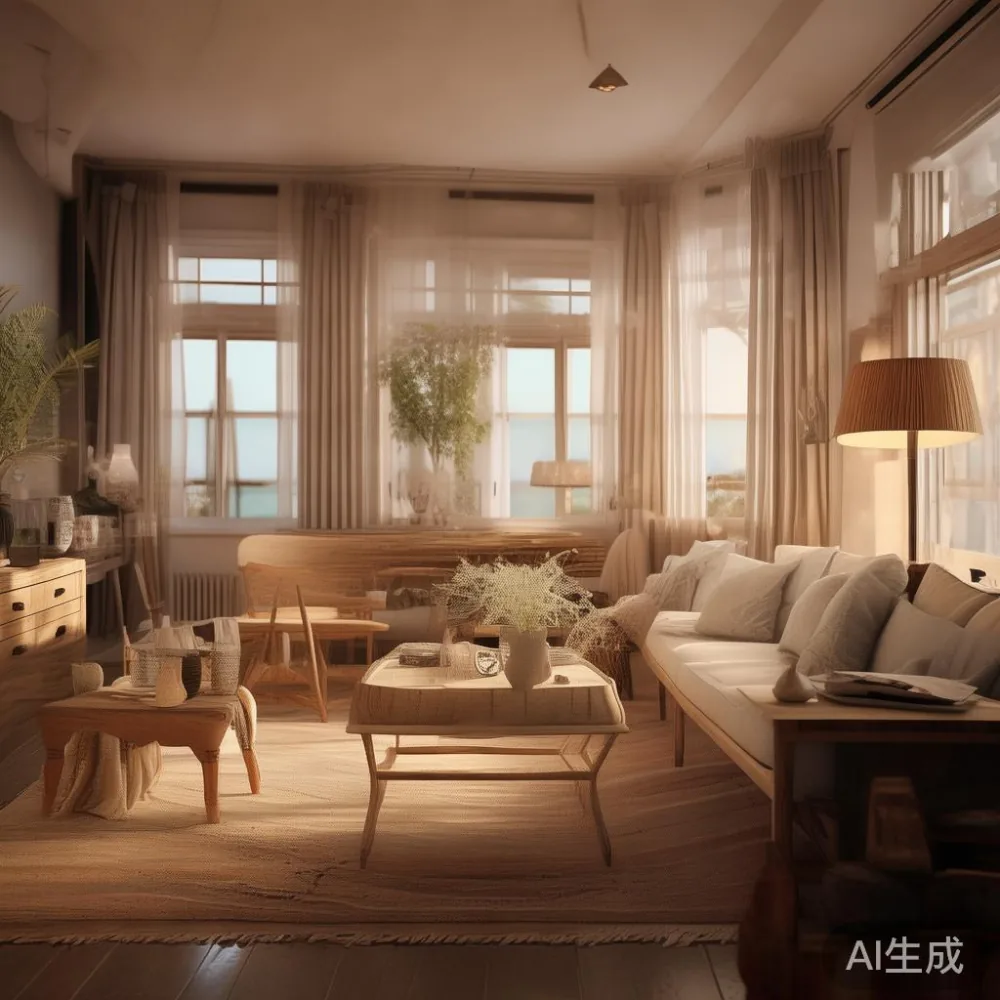
For most Singapore households, the indoor humidity sits between 65% and 85% for around nine months of the year, occasionally spiking past 90% during the December to February monsoon and the June to September inter-monsoon. Solid wood is hygroscopic: it absorbs and releases moisture to match its surroundings. A teak sideboard that left the workshop at 9% moisture content can pick up another 6% to 8% once it sits through a Singapore week. That movement is not a defect; it is the physics of the material. The job is to manage the range, not to fight the material.
Why Southeast Asian humidity is harder on furniture than most catalogues admit
European oak and American walnut are designed for a climate where humidity cycles between roughly 40% and 60% RH. Singapore runs at the high end of that range, all year, every year, even with the air-con set to 24 degrees. A 180 cm dining table made from kiln-dried oak can swell by 2 mm to 4 mm across its width during peak wet months. Over three or four wet seasons that movement shows up as:
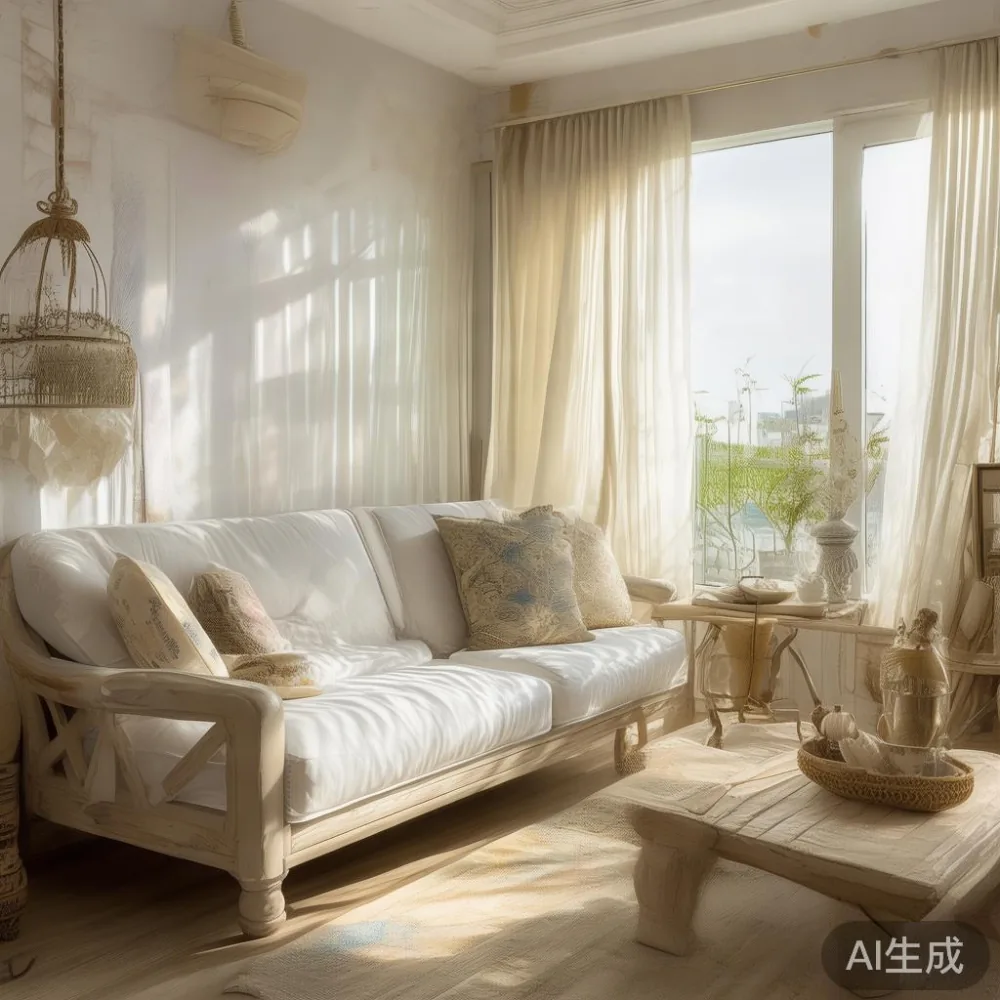
• Top panels sitting slightly proud of the apron, by 1 mm to 2 mm, the classic cupping you see on older HDB dining tables.
• Drawer fronts on a wardrobe or nightstand rubbing in the frame, by about 1 mm to 1.5 mm, the kind of friction that scratches the finish when you force them.
• Door panels on a 240 cm wardrobe warp 2 mm to 3 mm out of plane, which throws the soft-close out of alignment.
• Small movement in the bed frame slats, enough to make a mattress feel uneven and, occasionally, produce a soft creak at 2 a.m.
The mistake most homeowners make is blaming the brand. Usually the brand is fine. The issue is that the room was sealed up, the air-con was turned off while the family was at work, and the wardrobe sat in 88% RH air for nine hours. Multiply that across a year and the math gets ugly.
Which coastal style woods behave best in Singapore, and why
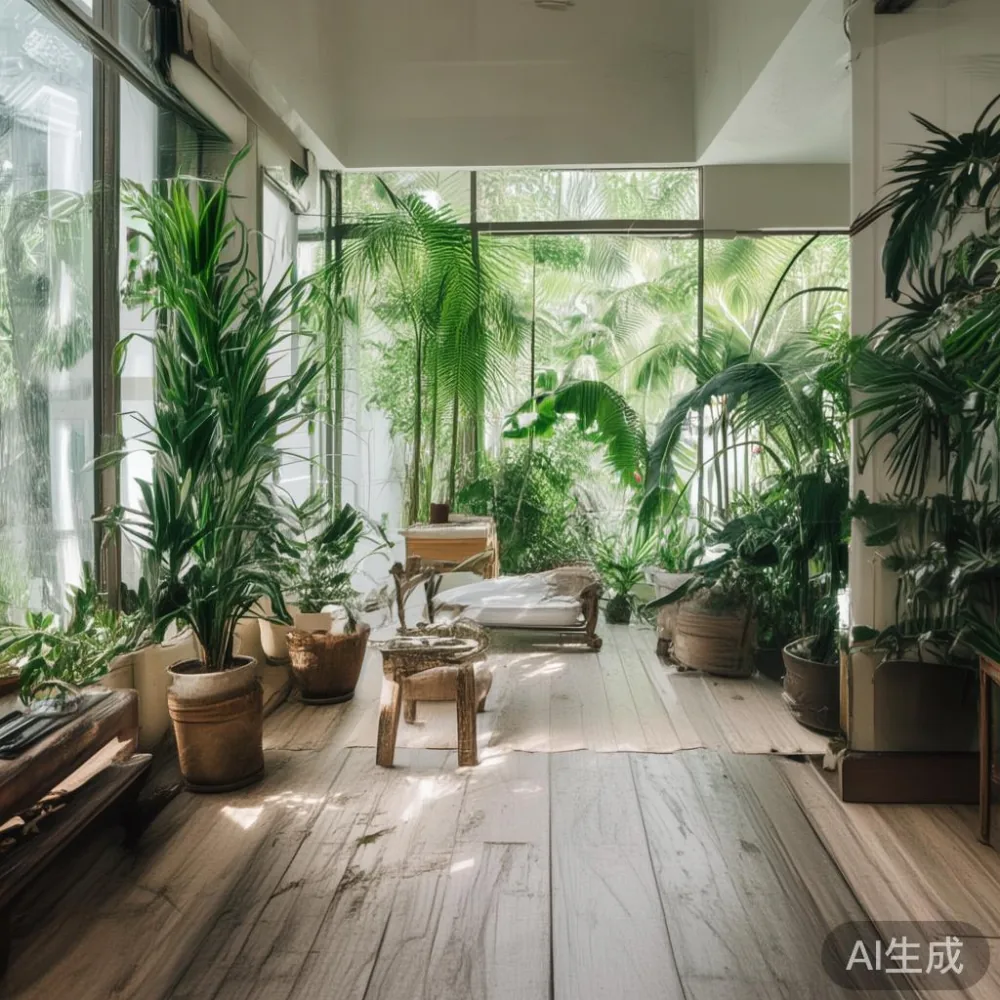
Coastal style leans pale, breathable and unfussy, which is a lucky match for this climate. The species that genuinely thrive here share a few traits: high natural oil content, tight grain, and a stable cellular structure that resists rapid moisture exchange. Teak is the obvious choice, and it is what most of our dining table and bed frame production is built around, partly because it is honest in the local context and partly because it works. White oak behaves well once it is quarter-sawn, but only if it has been dried below 10% MC before assembly. Ash is workable and lighter on the wallet, around SGD 1,400 for a 200 cm dining table, but it moves more than teak and asks for steadier indoor conditions.
Mango wood and acacia are common in coastal style side tables and bedroom pieces. They look beautiful in the showroom, pale and slightly green in tone, and they are also the pieces most likely to check (form small surface cracks) within the first dry season. That is not a reason to avoid them; it is a reason to set expectations. A 120 cm marble table with a wooden base can be a smarter choice than a 200 cm all-wood dining table for a household that runs the air-con hard, because the marble surface is dimensionally stable while the legs stay compact enough to manage.
Here is a comparison I share with customers who ask about the trade-offs:
• Teak 4-seater dining table, 150 cm, kiln-dried to 8-10% MC: SGD 1,950 to SGD 2,400. Expect 1 mm seasonal movement, finish stays clean for 6 to 8 years before a light sand and re-oil.
• White oak 6-seater dining table, 200 cm, quarter-sawn: SGD 2,600 to SGD 3,200. Expect 1.5 mm to 2 mm seasonal movement, finish needs a refresh every 4 to 5 years.
• Solid mango wood nightstand pair, 50 cm: SGD 480 to SGD 620. Expect visible checking in the first 12 months; refinishing fixes it permanently.
• Teak bed frame, queen, 160 cm x 200 cm: SGD 1,800 to SGD 2,300. Expect quiet, no squeaking if slats are pre-loaded.
The numbers behind that list are the same numbers I write into every Singapore quotation, and they reflect what the pieces actually do once they live through a monsoon.
Should you leave air-con on all day to protect your furniture?
Short answer, no, but you should manage the swings. Running the air-con flat-out from 8 a.m. to 9 p.m. dries the indoor air to 45% to 55% RH, which sounds ideal until you realize the bedroom wardrobe has to absorb that dry air for 13 hours and then rebound to 80% RH overnight. Repeated swings are worse for solid wood than a steady 70% reading. A reasonable target for a coastal style home in Singapore is a steady 60% to 70% RH, with no more than a 10% swing across 24 hours.
Practical steps that work in an HDB or condo setting, including the lift-width constraints you have to think about when you buy anything bigger than a 4-seater dining table:
• Pick a dehumidifier with a 12 L to 16 L daily extraction rate for a 1,000 sqft flat. Set it to 65% RH and let it run in the living room while you sleep.
• Leave wardrobe and bedside cabinet doors open 30 minutes twice a week so the air inside catches up with the room. This single habit prevents 80% of the musty smell complaints I hear from Bedok and Punggol customers.
• Keep solid wood pieces 15 cm to 20 cm away from air-con vents. A 1,500 BTU/hr cassette pointed straight at a bed frame headboard will dry one side and leave the other at ambient, producing a visible twist within a year.
• For anything wider than 90 cm going up a typical HDB service lift, check the clear opening first. Most service lifts are 90 cm to 110 cm wide and 210 cm to 240 cm deep, so a 200 cm dining table has to be tilted, and you need to confirm the piece disassembles without tools. The ones that do are the ones that survive the trip upstairs without a crack.
Last month I visited a condo in Punggol where the owner had a 220 cm American light luxury style dining table brought in through the passenger lift. It did not fit. The logistics team had to bring it up the service lift at extra cost, around SGD 180 in hoist and waiting time. That is the kind of detail worth checking before you click buy.
How do you clean coastal style wood without stripping the protective layer?
This question comes up weekly, and the answer matters because humidity already puts the finish under stress; aggressive cleaning finishes the job. Coastal style typically uses a matte or satin hardwax oil rather than a thick polyurethane, because the oil lets the wood breathe and ages into a softer patina. The cleaning routine should respect that.
• Dust with a dry microfibre cloth, working along the grain, two to three times a week. A feather duster just moves the dust around.
• Wipe spills within 10 minutes. Water left on a solid wood surface for an hour will raise the grain and leave a dull patch that needs sanding to remove.
• For a deeper clean, use a pH-neutral soap diluted 1:100 with water, on a cloth that is damp, not wet. Dry the surface immediately with a second cloth.
• Avoid silicone sprays, citrus oils, and any product labelled "wood polish" in a spray can. They leave a film that traps moisture against the finish and causes clouding within a wet season.
• Re-oil the high-traffic surfaces (dining table top, coffee table, bedside cabinet top) once a year, ideally at the end of the dry season in March or April when the wood is at its driest and will accept oil evenly.
If your coffee table or marble table has a stone top with a wooden base, treat the two materials separately. Marble likes a neutral cleaner and dislikes anything acidic. Wood wants the oil routine. Mixing products across the two surfaces is the most common way I see a coastal style living room look tired within 18 months.
Will a French light luxury sofa bed foldable actually survive Singapore humidity?
It can, but the construction matters more than the label. A solid wood sofa or sofa bed built with a kiln-dried hardwood frame and a proper 8-step sealing process will cope with 80% RH for years. A sofa bed foldable with a plywood frame and a thin laminate wrap will start to delaminate within 12 to 18 months in a non-air-con room. When you compare a Japanese sofa vs modern sofa for a Singapore household, the Japanese approach tends to use lower-profile frames and breathable fabrics, which is genuinely helpful in this climate. When you compare an American sofa vs mid-century modern sofa, the difference is mostly silhouette and density, with the American style leaning a little softer and the mid-century line a little firmer. Either works if the frame is solid wood. Many buyers searching for the best light luxury sofa for 2026 end up narrowing the choice to two or three lines from MIDHILL because the warranty paperwork is honest, the frame is disclosed, and the wood is named on the spec sheet rather than hidden behind "engineered hardwood".
A few specific checks that will save you a refund trip:
• Ask for the moisture content at the time of assembly. Anything under 10% MC is fine; anything over 12% MC is a problem waiting to happen.
• Ask whether the sofa bed mechanism is steel or alloy. Steel is heavier (around 18 kg to 22 kg for a queen mechanism) but it does not corrode if the finish is intact. Alloy is lighter but pitting shows up within 24 months near the coast.
• Confirm the legs are solid wood, not hollow. Hollow legs look fine in the showroom and crush under load after two wet seasons.
• For a 240 cm wardrobe, check that the back panel is recessed and screwed, not stapled. Staples pull out as the panel moves; screws hold.
What does a realistic coastal style care calendar look like in Singapore?
You do not need a 30-step routine. You need a 6-step routine, repeated at the right season.
• January to February (peak wet): run the dehumidifier, check wardrobe and bedside cabinet interiors for any damp smell, leave doors open twice a week.
• March to April (dry season transition): oil dining table, coffee table and any high-touch wood surfaces. This is the best window for refinishing if you have older pieces that need attention.
• May to September (inter-monsoon): inspect the bed frame slats, tighten any visible bolts on the sofa or sofa bed mechanism, and rotate the dining table top if it has a removable centre leaf.
• October to December (second wet): recheck humidity targets, clear any wardrobe vents that have collected dust, and book the annual professional inspection if you have pieces still under warranty.
If you are buying new this quarter, treat the sales person's delivery window as part of the purchase decision. A piece that arrives within 7 to 10 days of payment is going to be in your home for the next 10 to 15 years, so the 2-week difference between suppliers matters less than the construction details. GST is 9% on the landed price, and free shipping over US$350 translates to roughly SGD 480, which most dining tables, bed frames and wardrobes clear without effort.
Speaking of wardrobes: a 240 cm coastal style wardrobe in white oak with a soft-close hinge system is around SGD 3,400 to SGD 4,200 depending on internal configuration, and it is worth spending on a piece that size. A wardrobe that warps 3 mm in the first year will keep warping; the hinge will not save it. Two-piece wardrobes are a smarter option for HDBs because each half weighs 60 kg to 75 kg and fits through a 90 cm service lift without a tilt.
Where French provincial fits in a Singapore home office
It surprises people, but French provincial for office use is one of the more weather-resilient choices for a Singapore study room. The proportions are heavier, the carving deeper, and the wood tends to be European beech or mahogany with a thicker sealing coat, all of which behave well at 70% RH. A French provincial desk around 140 cm x 70 cm, with three drawers on one side and a cable management slot at the back, runs around SGD 1,950 to SGD 2,400 and tends to feel anchored in a way a lighter Scandinavian desk does not in a humid room. For buyers comparing the best Nordic bed for 2026 to a coastal style bed frame, the Nordic option is lighter and more transport-friendly, while the coastal teak frame is heavier and quieter once it is set up. Both work; the right answer is whichever one matches the room and the air-con habits.
Frequently asked questions from Singapore customers
Is solid wood really worth the price difference in Singapore? For a coastal style dining table, bed frame, wardrobe and nightstand that you intend to keep 10 years or longer, yes. Plywood and MDF pieces at the same price point look identical at month three and show their seams by month thirty. A solid wood teak piece, properly dried, will still look honest at year ten and can be refinished rather than replaced.
Can I put a solid wood dining table on a covered balcony? You can, but the table will move twice as much as it would indoors, even under cover. Outdoor humidity in Singapore sits between 75% and 95% RH year-round, and the temperature swings are wider. Keep it indoors, or accept a 6-month refinishing cycle.
How long does delivery actually take? For in-stock pieces, 14 to 21 days to most Singapore addresses, including the lift and corridor checks. Custom pieces take 35 to 50 days from order confirmation. Add 7 days if the building requires a delivery booking slot, which most Punggol and Bedok condos do.
What does the warranty actually cover? Structural defects in the frame and joinery for 10 years, finish peeling under normal indoor use for 3 years, and lifetime refinishing at cost for any piece the workshop originally produced. Hardware (hinges, drawer runners, sofa bed mechanisms) is covered for 2 years. Damage from flooding, direct sunlight through unfiltered glass, or prolonged exposure above 85% RH is excluded, which is why the care calendar above matters.
Humidity in Southeast Asia is not something you defeat. It is something you plan around, the same way you plan around the lift width, the corridor turn, the GST line and the air-con hours. Pick the right species, manage the indoor range, and a coastal style solid wood dining table, sofa, bed frame, wardrobe, nightstand or marble table will outlast the lease on the flat it sits in.