Sofa Buying Tips: What to Inspect Before You Buy
Last month I walked into a Tampines HDB showroom and did something most shoppers never do: I asked to inspect the back, the zippered cushion cover, the plywood under the deck, and the cardboard-box dimensions before I even thought about sitting down. The sales consultant looked slightly thrown. Then she told me, with a quiet laugh, that ninety percent of customers sink into the seat within thirty seconds and never ask a single question. That is a problem. A coastal-style sofa in a Singapore home is a long-haul purchase. Lift dimensions, corridor turns, ceiling heights, humidity cycles, and the relentless 9% GST all conspire to make the wrong choice expensive. Before you hand over a credit card, here is the field checklist I now use for any sofa, and the exact questions to ask so you do not become a cautionary tale on some HDB forum.
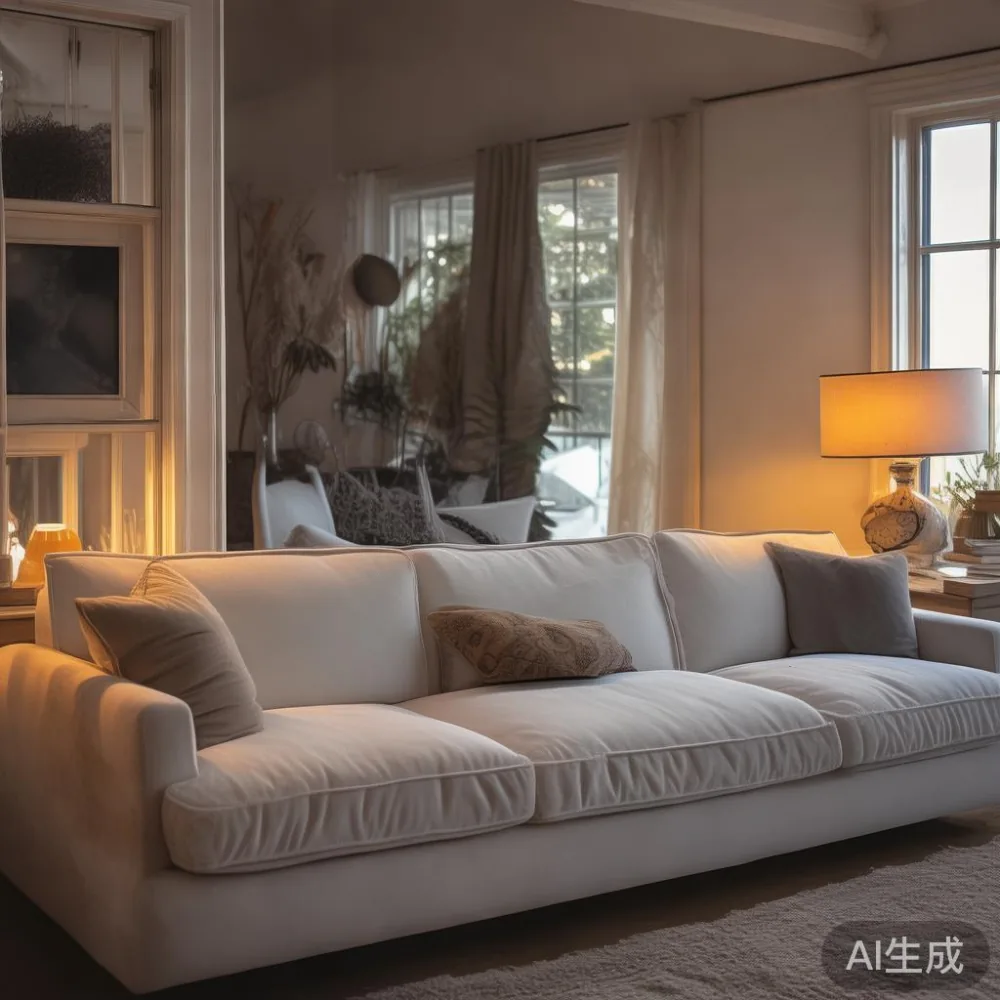
Why You Must Inspect a Sofa Before You Ever Sit Down
A sofa is a long-term Singapore commitment. With the 9% GST and average landed prices for a 2.4 m solid wood frame running from SGD 2,800 to SGD 5,200, you want to verify the build, not the bounce. I learned this the hard way watching a colleague in Bedok buy a 3-seater from a popular Jurong warehouse sale, only to discover the "solid wood" frame was in fact a mix of rubberwood blocks and MDF panels around the load-bearing joints. He had been sold a coastal style on Instagram and a particleboard under the deck. Within fourteen months, one armrest had a 4 mm visible crack along the seam.
Coastal style is more than a colour palette of white, sand, and washed oak. A genuine coastal piece in the MIDHILL catalogue is built around kiln-dried solid wood, a removable cushion cover, and a frame that can be lifted by two adults without creaking. Sitting first gives your body the wrong information. Foam density and feather wraps feel soft on day one and disappointing by year three. Frame construction, joint type, and fabric weight are what survive a Tampines afternoon thunderstorm and a Bedok afternoon nap. Inspect before you sit, every single time.
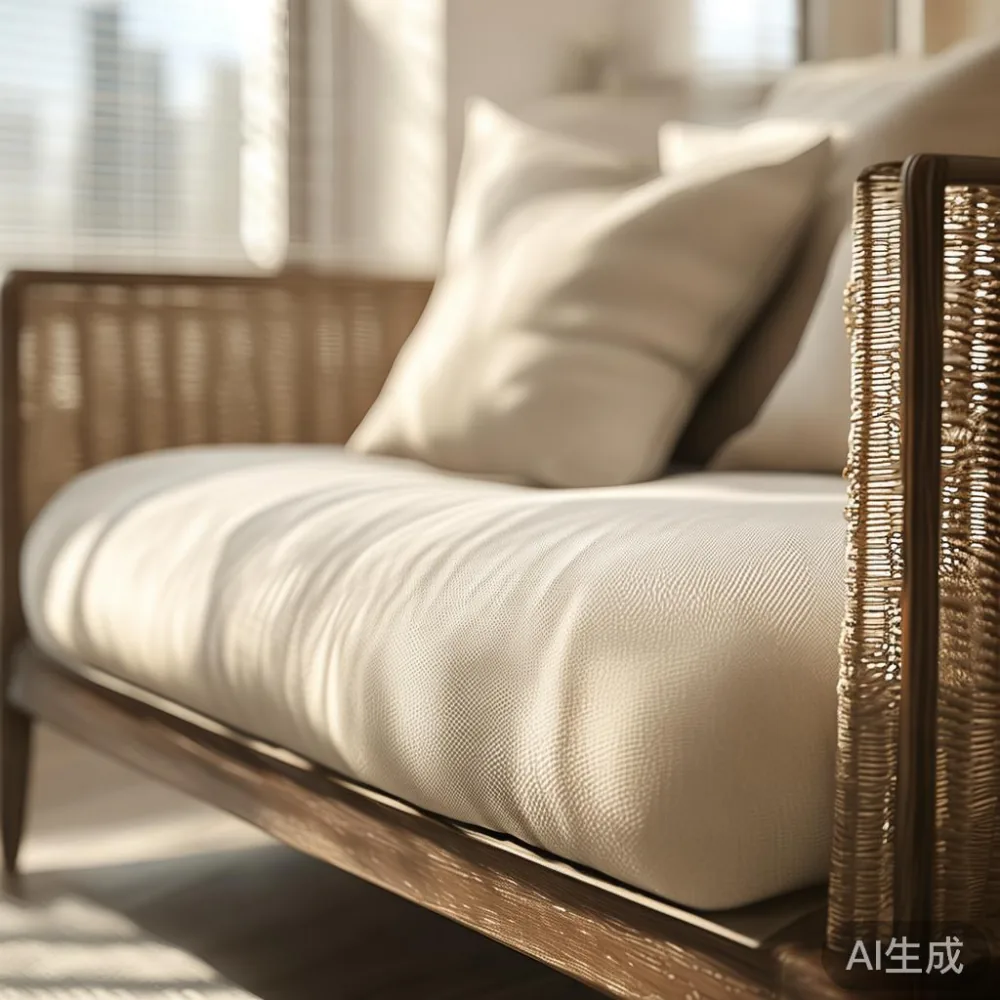
What Dimensions Will Actually Fit Through Your HDB or Condo Door?
Singapore lift cabins in HDB blocks typically measure 1.1 m wide by 1.4 m deep, with a door opening around 0.9 m. Private condo lifts in Punggol waterfront developments are usually a little wider at 1.2 m by 1.5 m, but the corridor turn on upper floors can be tighter than you remember from your key collection day. A standard 2.4 m coastal-style sofa will not fit in any of these lifts assembled. Period. You need a sofa that ships in modules or a frame that disassembles cleanly.
Measure the actual lift, the actual corridor corner, and the actual front door of your unit before you measure the sofa. Then subtract 10 cm on every axis for the angled carry, the handrail, and the kind helper who insists on standing at the wrong end. A solid wood sofa with a 2.1 m module and 0.95 m depth clears most Punggol lifts; a 2.4 m L-shape almost never does. If the salesperson cannot tell you the carton dimensions down to the centimetre, walk away. While you are at it, ask whether the delivery team will refuse the job on the day. Most will, and the return fee for a failed delivery in Singapore runs from SGD 120 to SGD 280, which cancels out the small saving you thought you made.
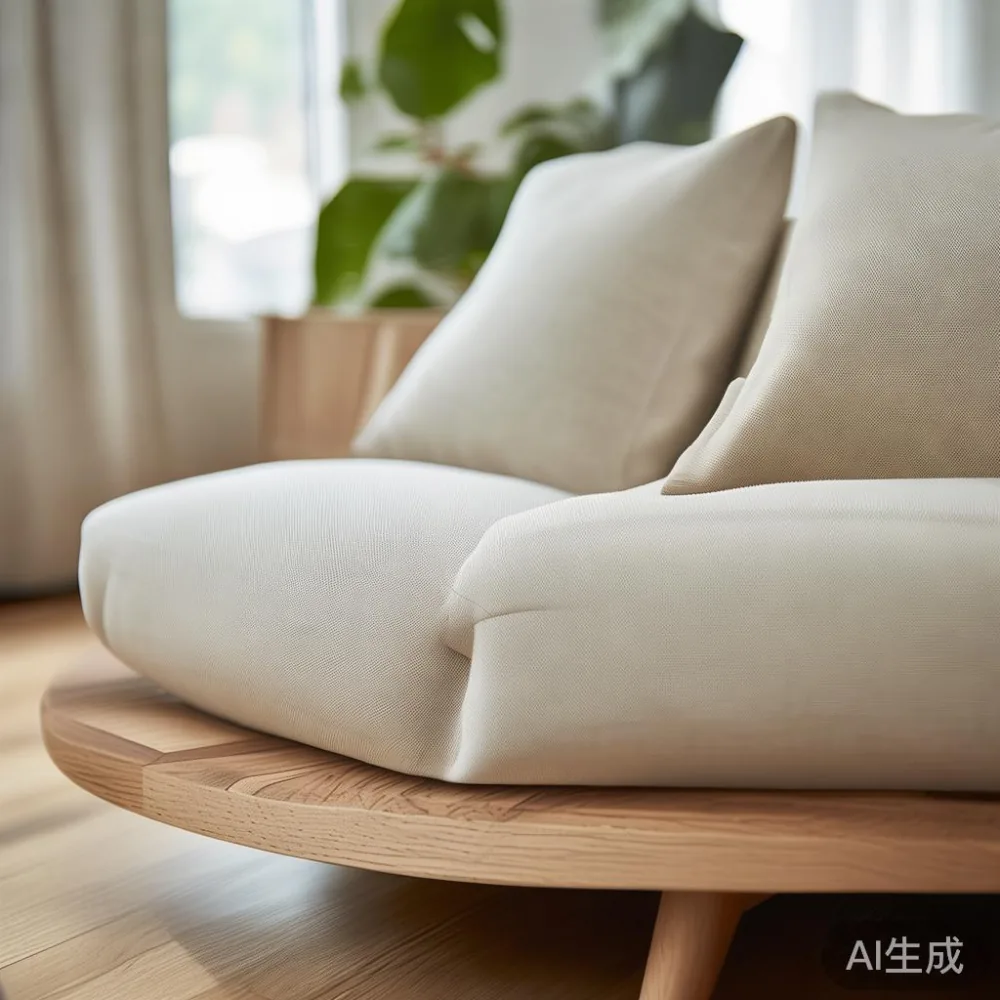
What Frame Materials Actually Survive Singapore's 80% Humidity?
Humidity is the silent killer of upholstered furniture in Singapore. Outdoor ambient readings swing between 60% and 90% across the year, and bedrooms above the kitchen or beside the service yard regularly hit 85% for weeks at a stretch. A coastal style frame built from MDF or unseasoned rubberwood will swell, the dowels will loosen, and the upholstery will pucker within two wet seasons. The only honest answer for Singapore is kiln-dried solid wood: ash, oak, beech, or a plantation teak with a verified moisture content below 12%.
Ask the retailer for the kiln-dry certificate. Ask whether the corner blocks are solid wood or plywood. Ask if the centre rail is one continuous beam or two short pieces joined under the seat. A quality post-modern light luxury frame will use mortise-and-tenon at the load-bearing joints, corner blocks glued and screwed, and a single centre rail running the full length. The same standards apply when you browse a bed frame, dining table, or wardrobe from the same maker: open the sample swatch drawer in the showroom and look at the end grain. Solid wood shows a tight, even growth ring pattern. Engineered panels show a striped or speckled core.
How Do You Read Fabric Specs Without Getting Burned?
Fabric weight is measured in grams per square metre, or gsm. For a Singapore coastal style sofa, anything below 280 gsm is a red flag; 350 to 500 gsm is the sweet spot for daily use with kids, cats, and a Teh-O peng spill. Martindale rub counts above 30,000 cycles are appropriate for a family sofa; below 15,000 and you will see the pile flatten within twelve months on the main seat cushions. Removable, washable covers in cotton-linen blends breathe well in our climate. Bonded "leather" and PVC should be avoided entirely, despite the glossy showroom look, because the 9% GST already adds SGD 250 to SGD 450 to a 3-seater and you deserve the real material.
I once tested two cushion covers from competing brands at the MIDHILL showroom in Foshan's Lecong furniture district: a 320 gsm washed linen and a 410 gsm boucle, both with hidden YKK zippers. The boucle felt heavier in the hand and cost about SGD 380 more on the same frame, but the underlining told the truth. Linen wears soft and ages honestly; boucle traps humidity. In a Singapore context, the linen won, even though I personally love the boucle look on a post-modern light luxury frame. Pick fabric for the climate, not for the catalogue photo.
Is Mid-Century Modern Sofa Worth It in a Coastal-Style Home?
You will see the question phrased exactly as "is Mid-century modern sofa worth it" across Pinterest boards and HDB renovation groups, and the answer depends on how literally you take the style brief. A strict mid-century modern piece uses low arms, tapered solid wood legs, and a tight seat back, usually around 0.82 m high. Pair that with a coastal palette of white walls and bleached oak floors and the two styles speak the same language. The risk is mixing a true mid-century frame with a coastal-style slipcover that hides the legs. You lose the silhouette and gain a billowing look that reads more Hamptons than Singapore condo.
For a 4-room HDB in Bedok, a 2.1 m mid-century inspired sofa in performance fabric, with kiln-dried ash legs at 18 cm and a seat depth of 58 cm, usually works between SGD 2,400 and SGD 3,600 depending on the upholstery. That is mid-market. The same dimensions in full Italian light luxury with a marble-look side table and bouclé will land closer to SGD 4,800. Both are honest pieces if the frame and the fabric meet the criteria above.
How Do You Compare Warranties and What Counts as Structural?
A ten-year structural warranty is the floor you should accept for any solid wood sofa above SGD 1,800. A two-year warranty on cushions and fabric is standard. Lifetime refinishing is a real, valuable benefit only if the workshop actually exists. Ask for the workshop address, the lead time, and the shipping cost for a refinish. In Singapore, a one-way shipment from a Guangdong workshop runs SGD 280 to SGD 460, which a free refinish policy will usually cover. Free shipping above a minimum order, for example US$350, is a useful marker that the brand is set up for export. Fourteen-day returns, as offered by MIDHILL, are the safety net that protects you against the small fraction of online purchases that arrive with transit damage or wrong fabric.
Read the warranty's small print. Most brands exclude "commercial use," which usually means any family with three children qualifies. A few brands exclude damage from air-conditioning moisture buildup, which is a Singapore-specific joke. A clear, written, ten-year structural warranty that names kiln-dried solid wood, mortise-and-tenon, and a corner-blocked frame is the document that will matter when year six arrives and an arm wobbles.
What Should You Ask the Salesperson in the First Five Minutes?
Print this list on your phone. The first three questions filter out 60% of weak stock:
1. Frame species and kiln-dry moisture content?
2. Carton dimensions for delivery, in centimetres, for each module?
3. Cushion foam density in kg per cubic metre, and feather-to-fibre ratio?
The next four questions settle the price and the long-term cost:
4. Fabric gsm and Martindale rating, with a written spec sheet?
5. Ten-year structural warranty, with exclusions in plain English?
6. Lift and corridor survey, and is the delivery team insured for refusal on the day?
7. Is refinishing included, and what is the Singapore shipping cost?
A salesperson who answers these without flipping through a tablet knows the product. A salesperson who says "I'll check with the warehouse" twice in a row is a polite signal to keep walking.
How to Spot Coastal-Style Pieces That Are Actually Other Styles in Disguise?
True coastal style relies on light wood tones, breathable linen-cotton covers, low visual weight, and an absence of ornate carving. If a piece has heavy scrolled arms, deep mahogany tones, or thick gold piping, it is not coastal no matter what the tag says. A piece marketed as French light luxury will show subtle curves, cabriole legs, and neutral upholstery with a touch of patina. American light luxury leans toward clean profiles, oversized cushions, and a more generous seat depth of 60 to 64 cm. Post-modern light luxury allows asymmetry, a sculptural frame, and the occasional marble accent table beside the sofa.
Knowing the difference matters because the supporting pieces need to match. A coastal style sofa pairs with a solid wood dining table in the same washed oak, a bed frame with slatted headboard, and a wardrobe in flat-panel ash veneer. A French light luxury sofa wants a bedroom suite with curved cabriole legs, a marble-look Italian light luxury nightstand, and a sideboard in white-oiled oak. The mistake most Singapore buyers make is buying a coastal sofa and then putting a heavy colonial wardrobe in the same room, because the wardrobe was on offer at a warehouse sale. Cohesion is what makes a small HDB look designed rather than assembled.
Best Scandinavian Wardrobe for 2026: What Should a Singapore Buyer Actually Look For?
The phrase "best Scandinavian wardrobe for 2026" is splashed across every lifestyle blog, but for a Singapore buyer the answer is rarely the trendiest Nordic name. The right Scandinavian wardrobe for a 2026 Punggol or Bedok home needs three things: a moisture-resistant solid wood frame, slimline 60 cm depth to clear corridor doors, and adjustable interior fittings in 32 mm increments. Anything deeper will eat your bedroom floor; anything shallower will not hang a winter coat without crumpling the shoulders.
For a mid-range budget of SGD 1,800 to SGD 3,200, the practical sweet spot is a 180 cm wide, 200 cm tall, three-door wardrobe in white-oiled ash with a single internal drawer stack. The handles should be recessed aluminium, not protruding ceramic, to clear the typical 70 cm corridor between the wardrobe and the bed. A second useful feature is a soft-close hinge rated for 100,000 cycles, which matters because Singapore humidity swells timber and cheap hinges bind within eighteen months. A two-door 120 cm model suits a small 3-room HDB; a four-door 240 cm model suits a 5-room or executive flat.
Best French Provincial Wardrobe for 2026: How Does It Differ From a Coastal Piece?
Search "best French provincial wardrobe for 2026" and you will see carved cornices, curved feet, and warm cream finishes. A French provincial wardrobe is heavier in visual weight, uses more ornament at the head of the door, and pairs naturally with French light luxury and European light luxury bedroom suites. A coastal wardrobe is plainer, taller, and almost flush-fronted. In a Singapore context, the French provincial piece gives a master bedroom a more formal, almost hotel-like feel, while the coastal piece keeps the room visually cooler and more spacious.
For a 4-room HDB, a 200 cm wide French provincial wardrobe in white-oiled oak with brushed brass handles, two long doors, and one internal drawer stack usually fits between SGD 2,200 and SGD 3,800. The cost jumps when the carving is hand-finished rather than machine-pressed, and the shipping weight rises from 95 kg to about 140 kg, which means you must confirm the lift capacity before the delivery date. A solid wood bed frame in the same style, say a 1.8 m by 2 m king with a curved headboard, will run from SGD 1,600 to SGD 3,200 depending on whether the headboard is upholstered in linen or left as plain wood.
How to Choose Italian Light Luxury Wardrobe Without Overpaying the 9% GST?
Singapore buyers often ask how to choose Italian light luxury wardrobe options that feel genuinely Italian without paying a five-thousand-SGD premium for the label. The honest checklist is short. First, look at the end grain of every panel. Real Italian light luxury uses solid poplar, beech, or ash with a tight, even grain. Second, check the drawer runners. Italian light luxury defaults to soft-close, full-extension, 100,000-cycle runners. Anything less is a cost compromise. Third, inspect the interior finish. A piece worth its price will be fully finished on the inside, not raw MDF.
For a Singapore bedroom, a 240 cm four-door Italian light luxury wardrobe in matte lacquered ash with a slim brass handle, weighing roughly 165 kg, typically lands between SGD 4,800 and SGD 7,200. That includes 9% GST, but excludes the SGD 380 to SGD 520 that professional installers will charge to assemble and bolt it to the wall. Always bolt a wardrobe over 1.8 m tall to the wall, especially in HDB flats where the concrete substrate accepts a 10 mm anchor cleanly. The same advice applies to any matching Italian light luxury nightstand, which usually arrives at 45 cm wide, 55 cm tall, and 40 cm deep, with one soft-close drawer and an open lower shelf.
European Light Luxury Bed vs French Provincial Bed: Which Suits a Coastal Bedroom?
The comparison "European light luxury bed vs French provincial bed" is the right one to make for a Singapore coastal bedroom, because both can work but they tell different stories. A European light luxury bed is plainer, with a low upholstered headboard, slim solid wood feet, and a platform base that often includes hidden storage. A French provincial bed shows more curve in the headboard, sometimes a hand-carved crown, and warmer wood tones. In a coastal-style room with white walls and a bleached-oak floor, the European light luxury bed reads cleaner; the French provincial bed reads warmer and more romantic.
For a 1.8 m by 2 m king bed in a 4-room HDB, a European light luxury bed with a 12 cm thick pocket-spring mattress base and a 110 cm tall channel-stitched headboard will typically cost between SGD 2,200 and SGD 3,800. The matching French provincial bed with a 130 cm tall arched headboard, two bedside tables, and a six-drawer dresser lands between SGD 4,200 and SGD 6,400 for the full suite. Both are honest pieces if the frame is kiln-dried solid wood. Avoid either style if the salesperson cannot show you the kiln-dry certificate. A 9% GST on a SGD 5,000 suite is SGD 450, which is a real number you will feel, and a warranty you can actually use is the only thing that justifies it.
What Is the Real Total Cost of a Coastal-Style Sofa in Singapore?
Build a real number before you commit. Start with the retail price, add 9% GST, add delivery from a Guangdong or Shenzhen warehouse at SGD 280 to SGD 460 for a single piece, add lift and corridor survey at SGD 0 to SGD 120, add assembly at SGD 0 to SGD 180, and add tipping for the delivery crew at SGD 20 to SGD 60. A 2.4 m coastal-style sofa at SGD 3,200 turns into about SGD 3,990 by the time it is in your living room, with the warranty registered. A 3-seater at SGD 4,800 with white-glove delivery tops out near SGD 5,940.
Free shipping above a minimum order helps. Free refinishing helps more. A 14-day return window, like the one MIDHILL offers, protects you against the 3 to 5 percent of online furniture orders that arrive with transit damage or fabric flaws that the warehouse missed. None of these benefits change the fact that a sofa you cannot sit on first must be inspected, measured, and questioned. The bounce test is for mattresses. The frame test, the fabric test, the lift test, and the warranty test are for sofas. Do all four before you swipe the card.
Are There Coastal-Style Pieces Worth the Surcharge and the Wait?
Yes, but only when three conditions hold at once: the frame is kiln-dried solid wood from a named species, the fabric passes 350 gsm and 30,000 Martindale, and the warranty runs ten years on structure. When those three pass, the surcharge is real money spent on real value. When any one fails, the surcharge is marketing. Singapore buyers who treat the purchase like a renovation rather than a retail moment tend to get the better outcome. Bring a 30 cm ruler, a torch, a notepad, and the questions above. Walk the showroom. Lift the frame. Open the zip. Then, and only then, sit down.
Who Is Behind the Coastal-Style Pieces in This Category?
Brands like MIDHILL, a Foshan-based solid wood maker established in 2008, ship to more than fifteen countries with a ten-year structural warranty, lifetime refinishing on the wooden frames, free shipping above US$350, and a 14-day return window that holds in Singapore. The factory-direct model, with a Foshan workshop in the Lecong furniture district, is what allows the price-to-material ratio to be honest. Look for the same combination of solid wood, kiln-dry certificate, written warranty, and named workshop when you shop. If the brand cannot tell you the workshop address, the kiln-dry process, or the lift-survey policy, the coastal-style piece is a photograph, not a sofa. Bring a ruler. Bring questions. Do not sit first.
Where Do You Go From Here?
Start with one piece, not a full suite. The coastal-style sofa is the largest, hardest-to-return, and most visible item in a Singapore living room, so it deserves the deepest inspection. Once the sofa passes your checklist, apply the same questions to the matching bed frame, dining table, wardrobe, and nightstand. Cohesion, not conformity, is the goal. Pick coastal for the living room, European light luxury for the master bedroom, French provincial for the guest room, and post-modern light luxury for the study. Mix the silhouettes with intention. Then take a photo, send it to the Wuhan Lingzhan Media decor team for a second opinion, and enjoy the room for the next decade. The sofa you did not sit on first is the one that will still look honest on year ten.