Veneer vs Solid Wood: A 5-Year Cost Comparison for Singapore Homes
Choosing furniture for a Singapore home is rarely a simple price comparison. A solid wood bed frame may look expensive at purchase, while a veneered wardrobe may appear affordable until joints loosen, veneer lifts, or a dining table needs resurfacing after five years. In HDB flats and condos across Tampines, Bedok, and Punggol, floor plans, lift dimensions, humidity, and storage needs all affect the practical cost of each material.
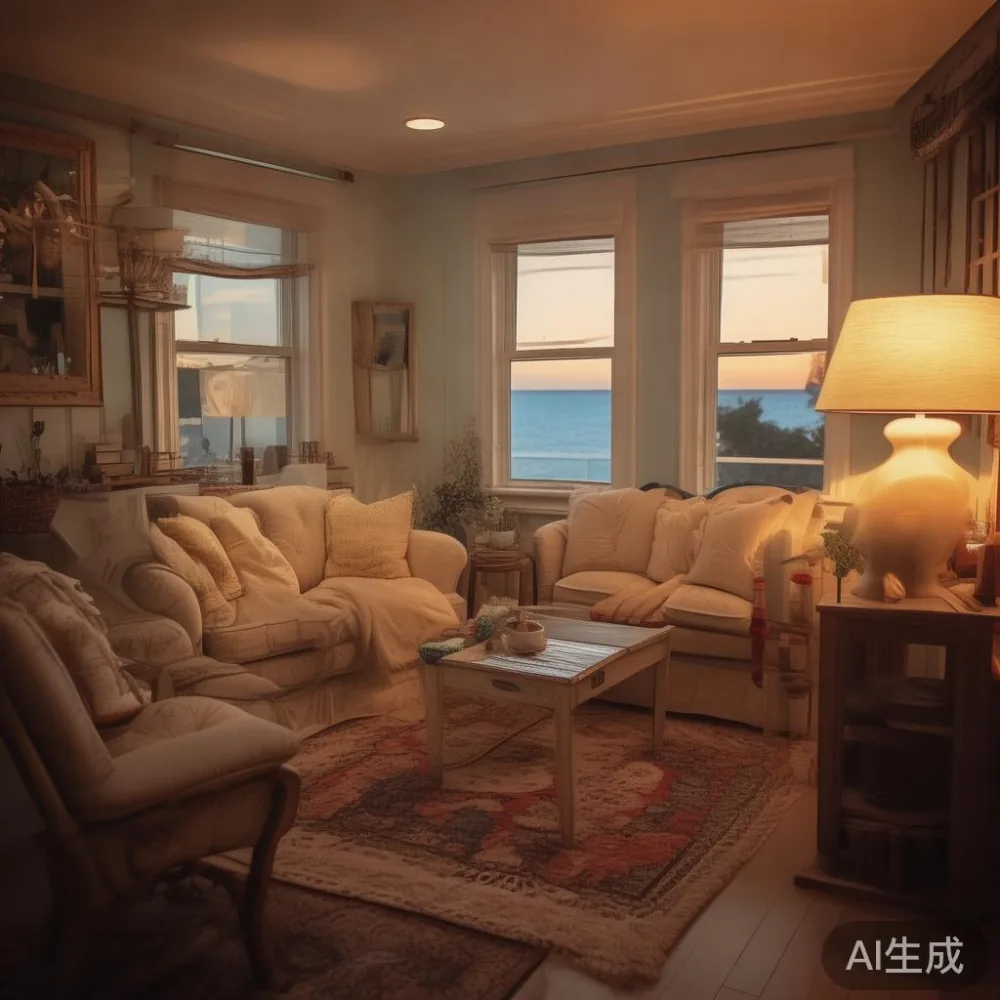
This comparison examines what a household could spend over 5 years on selected coastal style pieces: a solid wood sofa, bed frame, dining table, wardrobe, nightstand, and a marble table. Figures are planning estimates in SGD, including a standard 9% GST assumption where relevant. They are not quotations. Actual delivery, installation, access, and maintenance costs depend on the item, building, and chosen finish.
What is the real 5-year cost of veneer and solid wood furniture?
The real 5-year cost includes more than the invoice. Add delivery, installation, accessories, maintenance, repair, and the value of the time the furniture remains in use. A sound comparison keeps the product specification similar: dimensions, drawer or storage capacity, finish, hardware, and expected service life should not be confused with material alone.
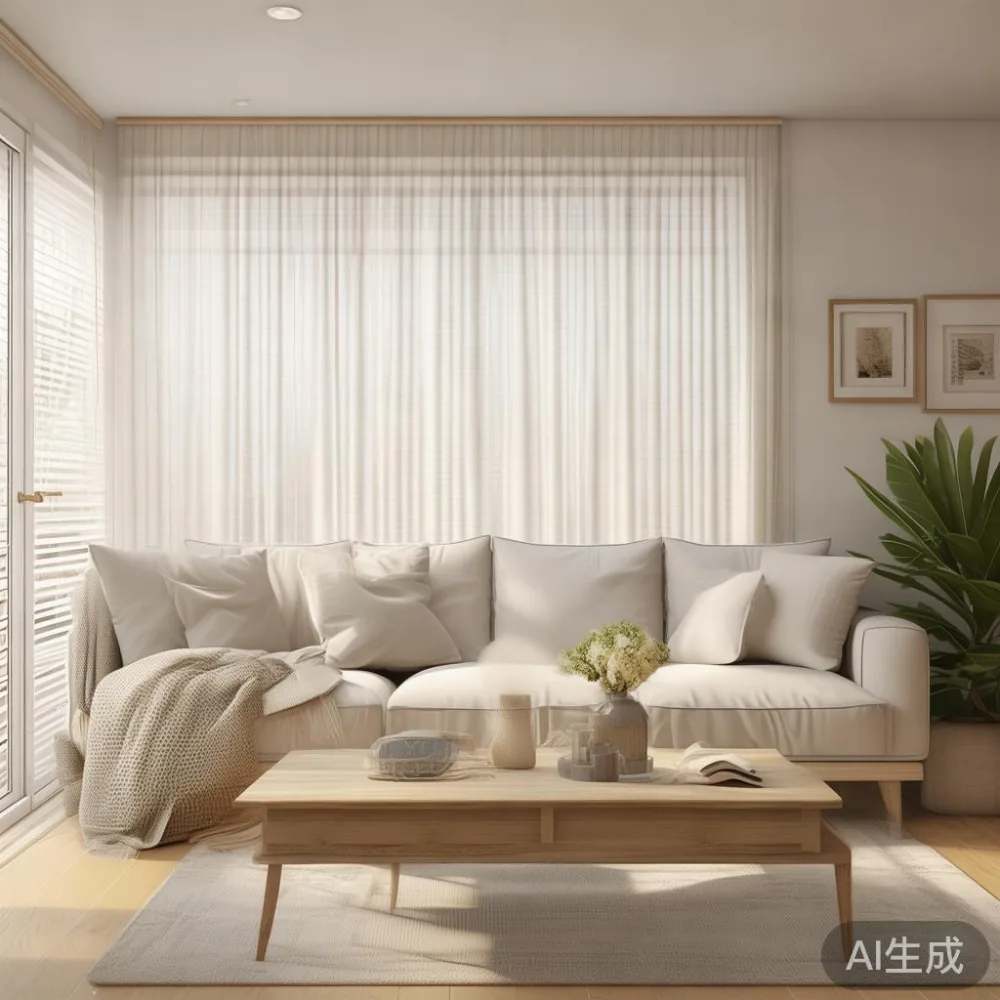
For a medium-sized HDB living room, a 3-seat solid wood sofa might cost SGD 3,200 before delivery and installation, compared with SGD 1,900 for a comparable veneered frame. That is an initial difference of SGD 1,300. A 180 cm solid wood bed frame might cost SGD 1,750, compared with SGD 1,080 for veneer. A 200 cm dining table might cost SGD 2,400 in solid wood and SGD 1,600 in veneer, while a 150 cm wardrobe might cost SGD 2,250 and SGD 1,450 respectively.
These figures exclude a marble table because marble is a surface material rather than a direct timber-frame substitute. A 120 cm marble table on a selected base may add SGD 900 to SGD 1,800. The table remains part of the coastal style dining setting, but it should be evaluated separately from the timber construction question.
Over 5 years, lower maintenance expense can narrow the purchase gap. If a veneered dining table needs SGD 250 in repairs and refinishing, while a solid wood table requires SGD 60, the SGD 190 difference matters. It does not automatically make solid wood the cheaper choice; ownership duration and local conditions still need to be considered.
How do I compare purchase, delivery, and installation costs in Singapore?
Delivery is often the first surprise. A compact nightstand may fit through a standard HDB corridor and lift, but a 220 cm wardrobe cannot always be turned through a 90 cm corridor corner or carried into a lift with a 110 cm door. A Punggol condo with a private lift may simplify handling, while a Bedok HDB flat with stairs can add labour charges.
Use the building measurements before ordering. Record the narrowest corridor width, lift door width, lift car depth, stair width, turning radius, and doorway width. Ask for an unpacked dimension, not only the packaged dimension. Allow 5 cm of clearance around large pieces when they need to pivot. Delivery in an urban area may cost SGD 80 to SGD 180 for one item and SGD 160 to SGD 320 for multiple items; installation may add SGD 80 to SGD 300 per wardrobe or dining set.
Products over US$350 qualify for MIDHILL’s free shipping offer, but the offer, delivery scope, and local arrangements should be confirmed before purchase. Singapore GST is normally 9%. A furniture quote should state whether tax is included, because comparing SGD 2,000 excluding GST with SGD 2,200 including GST gives a misleading result.
For lift access, ask the delivery team whether the item can be separated into modules. A wardrobe with two removable sides may enter a lift in 2 sections of about 55 kg each, while a one-piece carcass weighing 86 kg may require extra handling. A solid wood dining table delivered as a 3-piece set can also reduce the risk of damage during transport.
Which material needs less maintenance in Singapore humidity?
Singapore’s climate makes moisture control part of furniture ownership. Relative humidity commonly ranges from about 65% to 85% across different indoor and outdoor conditions, and air-conditioned rooms can experience repeated humidity changes. Neither veneer nor solid wood is moisture-proof, but they respond to moisture in different ways.
High-quality veneer uses thin layers of timber bonded to a stable core. It can provide consistent colour and grain at a lower weight. A 180 cm veneered bed frame may weigh 45 kg, compared with 72 kg for solid wood. That difference may matter when moving a bed within a flat or handling it through a corridor. Veneer can, however, chip at exposed edges or lift if glue and substrate quality are poor.
Solid wood can move slightly as it responds to humidity, but a properly sealed surface is easier to repair. Small scratches can be sanded and refinished; a veneered surface may need patching that matches the grain. A solid wood nightstand receiving SGD 80 of refinishing in year 3 may still look serviceable at year 5, whereas a lower-cost veneered unit with the same repair may show a visible patch.
My colleague in Bedok tested two 60 cm nightstands last month in a lived-in family bedroom. One had a sealed solid wood case; the other had veneer over particleboard. After 4 weeks near an open window, the veneer unit’s lower edge showed a 7 mm swelling line, while the solid wood unit had no visible swelling. This was a limited test, not a laboratory result, but it illustrates why edge sealing, ventilation, and finish quality deserve attention.
Maintenance budgets should be realistic. For the solid wood set, allow roughly SGD 420 over 5 years: SGD 150 for cleaning products and wax, SGD 120 for minor refinishing, and SGD 150 for hardware adjustment. For veneer, allow about SGD 570: SGD 120 for cleaning, SGD 300 for veneer or edge repair, and SGD 150 for hardware work. These are household estimates, not guarantees.
How long can each material last in a HDB flat or condo?
Material alone does not determine service life. A well-made solid wood dining table may last 20 years or more; a veneered table with poor joinery may fail in 7 years. For this 5-year model, both sets are assumed to remain in daily use if maintained. The comparison is about condition and expenditure at the end of 5 years, not a promise about decades.
A solid wood sofa with a kiln-dried frame may need no structural work in years 1 to 5, assuming its suspension and upholstery are serviced. Budget SGD 300 for cushions, fabric treatment, and small hinge adjustments. A veneered sofa may require SGD 400 to SGD 650 if its frame joints loosen or a veneer panel blisters. Upholstery replacement can dominate either option, so compare fabric grades and seat-frame construction, not only timber labels.
The same rule applies to a wardrobe. Quality hinges, runners, and carcass construction matter. A solid wood wardrobe may cost SGD 2,250 and need SGD 120 in runner adjustments by year 5. A veneered wardrobe may cost SGD 1,450 and need SGD 210 in repairs. If the wardrobe includes a mirror, LED strip, and fitted interior, those components should be quoted separately or consistently across both options.
Some shoppers searching for a best Minimalist wardrobe for 2026 focus on flat fronts and clean lines, but a minimal appearance does not confirm the internal construction. Check the panel thickness, back-board material, drawer boxes, and hardware brand. For coastal style storage, light oak tones can visually connect a bedroom and living area, while a compact 120 cm wardrobe may suit a studio or secondary bedroom better than a 150 cm unit.
Does a solid wood piece always cost less over 5 years?
No. If the furniture is moved often, stored for part of the period, or bought for a short tenancy, the higher solid wood purchase price may not be recovered. A student or temporary HDB tenant who expects to move within 18 months might spread SGD 1,300 across only 1.5 years, or about SGD 867 a year. The solid wood set may become less competitive under that pattern, although resale demand can vary by model and condition.
For the sample coastal style package, assume the furniture is purchased at the start of month 1 and used for 5 years. The solid wood set totals SGD 9,850 before delivery, installation, and maintenance. The veneered set totals SGD 6,530. After estimated access, delivery, installation, and maintenance, the solid wood package is about SGD 11,470 over 5 years, or SGD 229 a year. The veneered package is about SGD 8,290, or SGD 166 a year. The difference is SGD 3,180, with the solid wood option carrying the greater initial commitment.
Delivery for the 6-piece comparison may range from SGD 300 to SGD 600 after available shipping benefits. Installation of the wardrobe and dining set may add SGD 240 to SGD 480. Assume SGD 460 for the solid wood set and SGD 380 for the veneered set to cover separate deliveries and fit-out. The marble table adds a further SGD 900 to SGD 1,800 plus SGD 80 to SGD 160 for delivery and placement.
This result favours solid wood only when the buyer values repairability, retained condition, and longer use. For a 3-year arrangement, the veneer option may be financially sensible. For a home expected to remain for at least 5 years, solid wood offers more control over maintenance cost.
What should I check before ordering a coastal style furniture set?
Ask for timber species, moisture treatment, joinery, veneer thickness, finish type, hardware specifications, and the warranty terms in writing. “Solid wood” should refer to the relevant structural components, while the exact parts made from veneer should be disclosed. A mixed construction is not automatically poor, but its construction and care needs should be understood.
Check after-sales coverage, delivery timing, and return conditions. MIDHILL provides a 10-year structural warranty and lifetime refinishing, which can reduce uncertainty around future surface care, although the customer should confirm what the refinishing service includes and whether freight or collection is chargeable. A 14-day return period can help if the item is unsuitable, but returns usually involve inspection, packaging, and transport conditions.
For European-style planning, a guide on how to choose European bed should cover mattress clearance, slat spacing, centre support, and access to the HDB lift. A European bed with a 180 cm mattress may require a frame of 188 cm to 194 cm, leaving only 6 cm to 14 cm of clearance depending on the mattress and headboard. For the sofa, guidance on how to style French provincial sofa in room should consider seat height, loose cushions, pale textiles, and curved edges without crowding a 3.2 m HDB living room.
Buyers comparing french sofas for sale should compare frame material, cushion density, dimensions, and return terms rather than relying on a style label. A separate European sofa vs Nordic sofa comparison also involves proportions and function: European forms may use deeper seats and decorative shaping, while Nordic forms commonly favour simpler profiles. Neither label specifies timber quality.
For storage, readers looking for a best light luxury wardrobe for 2026 can evaluate a light oak coastal style wardrobe with fluted glass, brushed brass, or warm-white handles. French light luxury can include carved edges and curved profiles; American light luxury often uses generous proportions and restrained ornament; post-modern light luxury may combine simple forms with one distinctive detail. These directions can work in a Tampines or Punggol home when scale is controlled.
Which option is right for a Singapore home?
For a long-term HDB flat occupied by a family, solid wood often gives the clearer 5-year ownership profile. It costs more initially, but repairable surfaces and stable joinery can limit later expenditure. For a condo with controlled humidity, a fitted space, and frequent moves, a well-built veneer option may offer better flexibility. The highest price is not automatically the right choice; material quality and furniture design still need inspection.
A dining room should leave at least 90 cm around a table for chairs and circulation. In a compact HDB dining area, a 160 cm to 180 cm table can be more workable than a 220 cm model. A coastal style dining table with a solid wood top and a marble table may create visual contrast, but marble is porous and can stain if its seal is not maintained. Ask for the sealer instructions and use coasters rather than assuming the surface needs no care.
The practical decision comes down to expected tenure, humidity exposure, access restrictions, and willingness to maintain the furniture. A 5-year budget of roughly SGD 166 a year for the veneered package and SGD 229 a year for the solid wood package makes the trade-off concrete. Choose the option whose construction, dimensions, and after-sales support fit the home, then review its condition annually rather than treating a purchase as a one-time expense.