Veneer or Solid Wood? A 5-Year Cost Comparison for Coastal Homes in Singapore
Choosing a furniture finish for a Singapore home is rarely a simple comparison of the sticker price. A veneer dining table may look elegant beside a solid wood bed frame on day one, but the real difference appears over 5 years: cleaning routines, repair work, replacement parts, climate-related movement and the question of whether the piece can be refinished. In compact HDB flats and condos around Tampines, Bedok and Punggol, those costs can change quickly.

This comparison examines the likely 5-year cost of ownership for a coastal style dining table, wardrobe, nightstand and solid wood sofa. It also explains why dimensions, lift access and GST should be included before a purchase order is placed. Figures are working estimates in Singapore dollars for a household replacing furniture on a normal 5-year cycle, not quotations.
What are the main differences between veneer and solid wood furniture?
Veneer furniture uses a thin layer of real timber, generally 0.6 mm to 1.2 mm, bonded to a manufactured board such as MDF or plywood. The visible face may show oak, walnut or ash grain. Solid wood furniture uses the timber through the component rather than a surface layer. A 20 mm solid wood dining top is materially different from a 20 mm veneered top, even when both display a similar pattern.
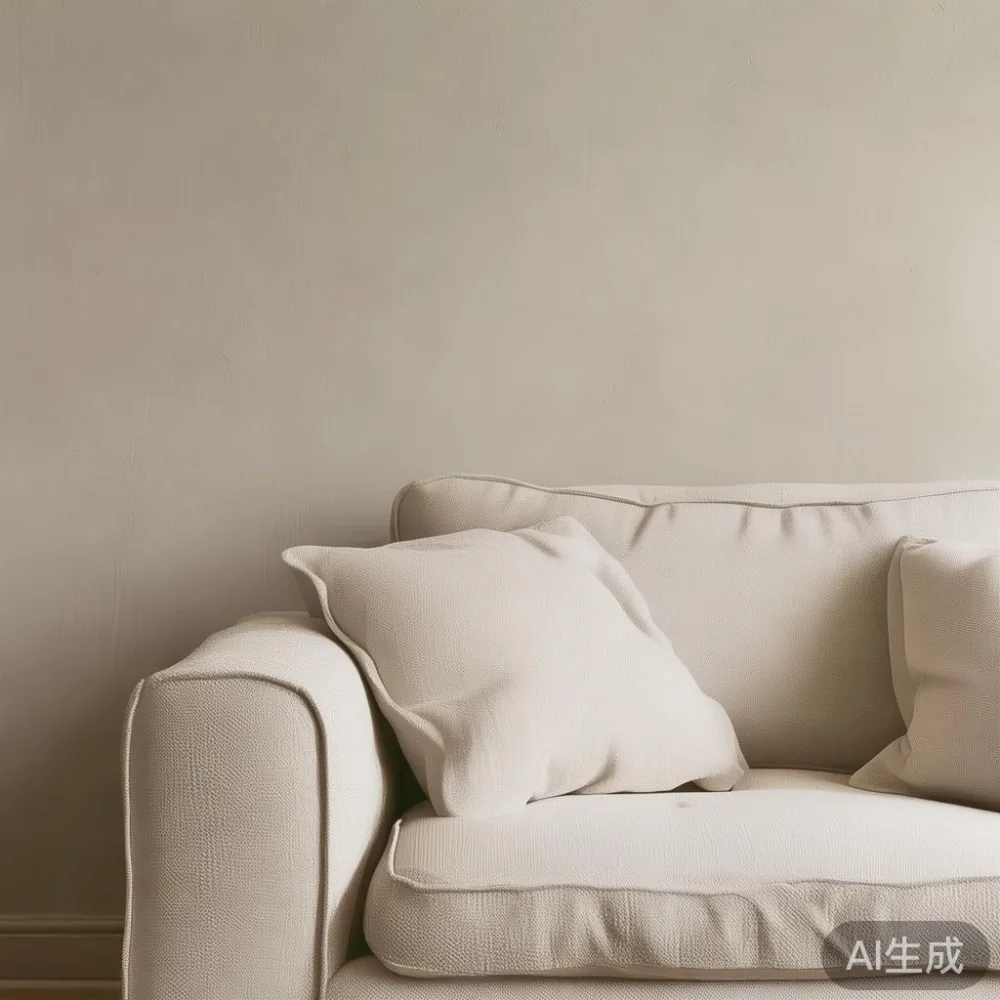
Cost depends on three areas: the purchase price, routine maintenance and eventual repair or replacement. A lower purchase price can be sensible when the item has a short expected life. Yet veneer is less forgiving of edge damage, deep scratches and prolonged moisture. A solid wood surface can usually be sanded and refinished, provided enough material remains.
For a coastal style interior, pale oak, ash and warm white finishes remain popular because they keep rooms visually open. In a Singapore HDB living room with a 280 cm sofa wall, a lighter finish can reduce the sense of crowding. A marble table may provide a cool contrast, while a solid wood dining table introduces warmth and a tactile grain. The material choice should still follow how the room is used, not only its colour palette.
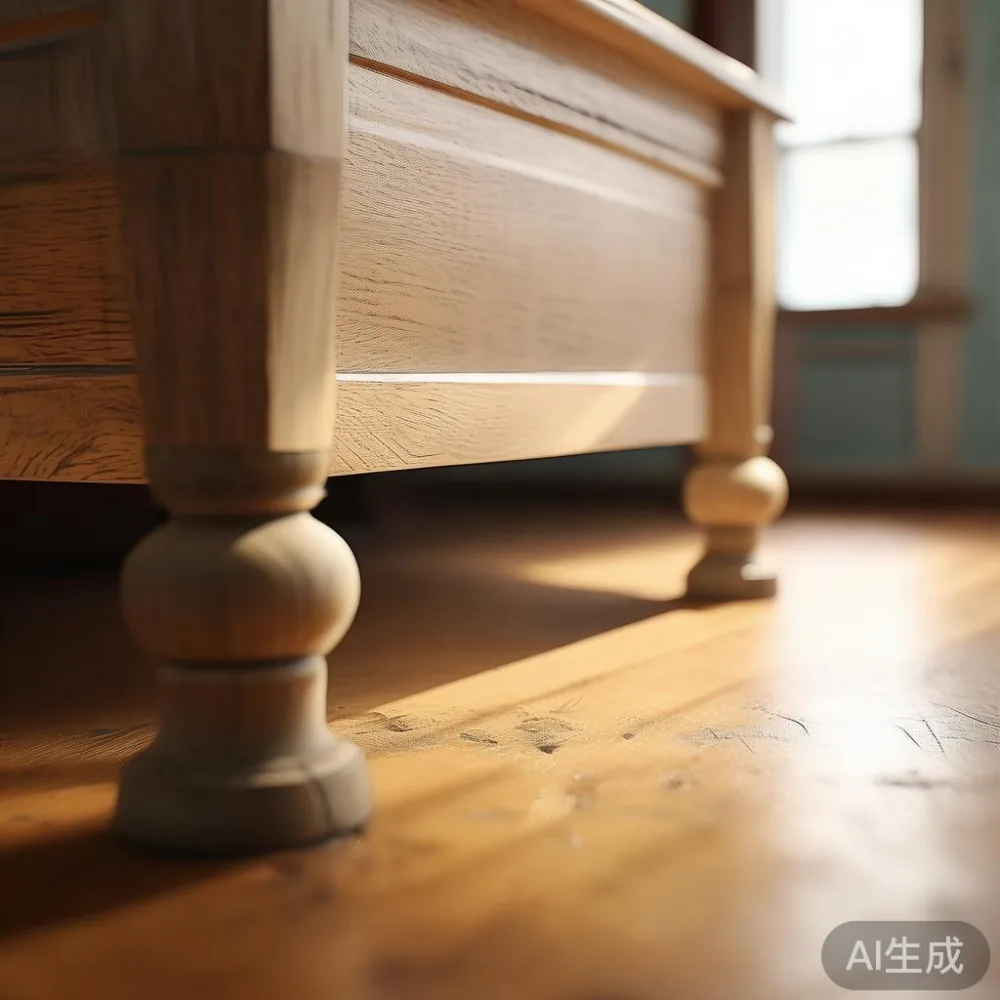
What would a veneer dining table cost over 5 years?
Consider a 180 cm by 90 cm veneer dining table with four solid wood legs and an engineered wood top. A representative Singapore retail range is SGD 620 to SGD 1,450, while delivery may add SGD 80 to SGD 180. After 9% GST, the model starting price is about SGD 676. Assume one 5-year ownership period, including cleaning products and one local repair.
Routine care might require wood-safe cleaner at SGD 18 per year, replacement coasters at SGD 8 per year and an occasional professional cleaning service costing SGD 120 once during the period. A minor edge repair might cost SGD 180. Estimated 5-year spending is approximately SGD 676 plus SGD 90 in cleaners and coasters, plus SGD 120 for cleaning, plus SGD 180 for repair, or about SGD 1,066. A table that cannot be refinished may then need another small repair near the end of year 5, so an owner could face a later bill of SGD 150 to SGD 300.
Now consider a comparable solid wood dining table in ash or oak, measuring 180 cm by 90 cm and 74 cm high. Its purchase range is approximately SGD 1,380 to SGD 3,200 before GST. At the lower end, the total after GST is about SGD 1,504. Annual cleaner and coaster costs of SGD 108, one SGD 120 cleaning service and a SGD 90 sanding-and-refinishing repair produce a 5-year total near SGD 1,822. If the table has already been protected with a hardwax oil finish, the repair may be much smaller.
The initial solid wood premium is about SGD 828 in this example. The advantage is not that it must be touched up less often; it is that substantial surfaces can be restored. That makes ownership cost less predictable. In an HDB dining area with a 210 cm opening and a lift door around 90 cm wide, the table should be checked for turning clearance. Even a 180 cm table can be difficult to manoeuvre through a narrower corridor if its corners are not protected.
How much does a veneer wardrobe cost over 5 years?
A common HDB bedroom needs a wardrobe no deeper than 55 cm to preserve circulation around a bed. Take a 120 cm wide, 210 cm high and 58 cm deep veneer wardrobe with sliding doors, priced at SGD 890 before GST. After 9% GST, it is SGD 970. Add SGD 36 per year for cleaner, SGD 60 for a door alignment service and SGD 140 for one damaged panel or runner repair. The estimated total is SGD 970 plus SGD 180 plus SGD 60 plus SGD 140, or SGD 1,350.
A solid wood wardrobe in the same outer dimensions may cost SGD 2,180 before GST, or SGD 2,376 after GST. Interior shelves and drawer components may not all be solid timber; a useful specification should identify each material separately. Cleaning may cost SGD 36 per year, drawer runners may need SGD 80 of servicing and a small surface restoration may cost SGD 120. This produces a 5-year total of roughly SGD 2,612.
Here, the solid wood wardrobe starts about SGD 1,406 higher. For a family expecting to keep the same bedroom layout for 5 years, that premium buys a repairable frame and visible surfaces. For a tenant who expects to move after 2 years, a lower-cost veneer unit may be more rational. Some HDB resale decisions also focus on practical condition, since a repaired wardrobe with working doors can be easier to explain than one with swollen panels.
Anyone searching for how to choose Japandi wardrobe should pay close attention to the carcass, door material, drawer construction and available depth. Japandi styling may use pale timber and restrained profiles, but it does not require every internal component to be solid wood. Checking the finish is equally important: a light oak veneer can be visually convincing while a solid ash frame can be refinished.
How does a solid wood sofa compare with a veneered frame?
A sofa has a different cost pattern because its visible surfaces may be upholstered rather than exposed timber. For a 220 cm three-seat model in a compact Tampines living room, a veneer-frame sofa with polyester upholstery may cost SGD 1,680 before GST, or SGD 1,831 after GST. Allow SGD 90 per year for upholstery cleaning, SGD 420 for one fabric deep-cleaning service and SGD 160 for minor frame or joint work. The total over 5 years is about SGD 2,861.
A solid wood sofa with a kiln-dried frame and the same 220 cm width may cost SGD 2,980 before GST, or SGD 3,248 after GST. Upholstery maintenance remains similar, while a frame repair may cost SGD 220 rather than SGD 160. The projected total is around SGD 3,938, a difference of about SGD 1,077.
The most useful comparison includes seat comfort, warranty and parts, not only timber. Fabric pilling and cushion compression can affect either construction. Ask whether the frame is kiln-dried to below 12% moisture content and whether replacement seat covers, cushions or legs are available locally. A 220 cm sofa may need to enter an HDB lift at an angle, and a boxed frame can remain easier to turn than a rigid solid wood frame. Corridor corners also affect delivery more often than the item's listed dimensions.
Curated listings for sale Modern light luxury furniture should state the frame, filling and cover composition clearly. Terms such as French light luxury or American light luxury describe a design direction, not proof of solid timber construction. A post-modern light luxury silhouette may include sculptural arms and tapered legs, but the material specification should identify whether those parts are solid wood, veneer or coated metal.
What is the 5-year cost of a veneer and solid wood nightstand?
A 45 cm wide by 40 cm deep nightstand is suitable beside many queen beds without blocking the walkway. A veneered model priced at SGD 260 before GST becomes SGD 283 after GST. With SGD 18 per year for cleaner, a SGD 40 drawer service and a SGD 90 repair, the 5-year total is approximately SGD 503.
A matching solid wood nightstand priced at SGD 480 before GST becomes SGD 523 after GST. Add SGD 90 in care products, SGD 40 for drawer maintenance and a possible SGD 60 refinishing job. Its projected total is about SGD 713. The difference is only around SGD 210 over 5 years, making this one of the clearest cases for solid wood when the piece is expected to remain in use.
Position matters. In a narrow Bedok bedroom, a nightstand with a depth above 40 cm may collide with a wardrobe door. Round the external dimensions up by 2 cm when checking access, and measure the bed rather than assuming a standard 90 cm width. A European light luxury dressing table can also need a small footprint, but its drawers must open without striking a wardrobe or wall.
How should veneer and solid wood be compared after GST, delivery and access?
Use a simple worksheet with four columns: purchase price, GST, delivery and expected service. For a typical HDB flat, a small parcel delivery might cost SGD 60 to SGD 120, while a wardrobe delivered by a dedicated vehicle may cost SGD 180 to SGD 350. A lift surcharge of SGD 20 to SGD 50 is possible. White-glove assembly can add SGD 90 to SGD 220.
For a Tampines resale condo, a single-item delivery may fall between SGD 120 and SGD 260, but loading restrictions can change the rate. At least 3 business days is common for a stock order, while a made-to-order item may take 6 to 10 weeks. A replacement part such as a wardrobe runner may take 5 to 14 days to arrive locally. Add that time to the financial calculation if the household cannot use an alternative drawer or storage box.
Access should be recorded in centimetres. Typical internal HDB lift openings are about 80 cm to 90 cm wide and 210 cm to 220 cm high, while corridor widths vary by block. Lift depth and the diagonal at the door are more useful than lift area alone. A 220 cm solid wood sofa may fit diagonally, but a rigid frame could still be difficult to rotate. A knock-down wardrobe with bolted panels may enter more easily than a fully assembled carcass.
For offshore delivery, furniture can be sea-freighted for larger pieces, but a local Singapore purchase usually avoids export packing, documentation and long transit periods. MIDHILL gives a 10-year structural warranty on eligible solid wood furniture and lifetime refinishing for qualifying pieces. Those services can reduce future repair exposure, but the buyer should retain the order documents and confirm which surfaces and components are covered.
Is French light luxury or coastal style better for a Singapore home?
Neither style is inherently more durable. Coastal style suits light woods, woven textures, pale upholstery and blue-grey accents. French light luxury often introduces curved profiles, layered upholstery and warmer timber tones. American light luxury is commonly associated with generous proportions and cleaner architectural lines. Post-modern light luxury can use mixed materials, including marble table tops and metal accents.
In a Punggol studio measuring about 35 square metres, scale should guide the specification. A 200 cm dining table may leave too little space for six chairs, whereas a 140 cm round table can provide a better circulation zone. A 180 cm sofa can dominate a 300 cm wall, so a 170 cm model may preserve a 65 cm passage. Exact measurements should be taken before ordering; visual proportions are less reliable than floor-plan arithmetic.
People asking how to choose French sofa should test seat height, depth and arm clearance. A useful target is a seat height around 43 cm to 46 cm and a seat depth around 50 cm to 56 cm for many adults. Check that the sofa clears the lift and that its legs can be removed. Anyone considering European for small living room furniture should compare each piece with the actual circulation path rather than an empty showroom.
Material and style must work together. A solid wood bed frame with a pale oak finish can sit comfortably in a coastal style bedroom. A marble table may pair well with a solid wood dining table if the proportions remain restrained. European light luxury dressing table designs can also use solid ash frames, provided drawer movement has been tested.
Which finish offers the lower total cost after 5 years?
For the dining table model, the calculated veneer cost was about SGD 1,066 and the solid wood cost about SGD 1,822, including GST, care and one repair. For the wardrobe, the totals were about SGD 1,350 and SGD 2,612. For the sofa, they were approximately SGD 2,861 and SGD 3,938. For the nightstand, they were around SGD 503 and SGD 713.
Across these four example products, the combined veneer total is about SGD 5,780, while the solid wood total is roughly SGD 9,084. Solid wood therefore costs about SGD 3,304 more in this model. That figure can narrow when furniture is used gently, refinishing replaces replacement, and no major repair is required. It can widen if veneer edges split, panels swell or parts become difficult to source.
The decision is clearer for pieces expected to remain for at least 5 years, especially wardrobes, dining tables and nightstands that are easy to scratch. A solid wood sofa needs a broader comparison because upholstery and cushion quality can outweigh the frame difference. Buyers should ask for the timber species, board composition, moisture treatment, joinery and finish details before deciding.
My colleague visited a Punggol flat last month with a 55 cm wide corridor and a 90 cm lift opening. A solid wood bed frame labelled 160 cm by 200 cm would fit, but a fixed headboard made the turn impossible without removing it. The bed was delivered in 7 days after the detachable headboard was specified. That practical 15-minute modification showed why dimensions and construction should be settled before production, not after delivery.
For a coastal style home, solid wood generally offers the stronger long-term value when the household plans to stay and maintain the furniture. Veneer can make sense for temporary, low-touch or budget-controlled purchases. In either case, compare the invoice price with GST, delivery, realistic service costs and the ability to repair the item rather than treating veneer as “fake” wood or solid timber as maintenance-free.
Request a material schedule, check the access route in centimetres and keep the warranty paperwork for the next inspection. Solid wood furniture is easier to preserve when the owner understands its grain, finish and movement, while good veneer can remain attractive when it is protected from moisture and impact. The right choice is the one that suits the room, the household and the full 5-year plan.