The Ultimate Guide to Buying a Sofa Without Sitting on It
In the vibrant urban landscape of Singapore, where space is a premium and style is paramount, choosing the right sofa is a significant decision. For residents in Tampines, Bedok, or Punggol, working through the showrooms can be a challenge. What happens when you find a coastal-style sofa you love online, but the physical store is too far, or the model is out of stock? Buying a piece of furniture you cannot physically test requires a different approach, one built on meticulous research and a clear understanding of your own needs. This guide will walk you through the critical factors to evaluate, ensuring your new sofa is a perfect fit for your home and lifestyle.
How do I know a sofa will fit in my Singapore HDB or condo?
The most common mistake is falling in love with a sofa's appearance only to discover it's physically impossible to get it into the living room. Singapore's HDB flats and condominiums, especially older estates like Tampines or Bedok, often feature narrow corridors and standard lift dimensions. A sofa that is 220cm long might seem fine on paper, but if your building's lift is only 110cm wide, it simply won't fit. You must measure three key areas: the sofa itself, the path to its final destination, and the lift.
Start by measuring the width, height, and depth of your apartment door, hallway, and any turns. The standard door width in Singapore HDBs is approximately 80cm. A sofa that is 90cm wide will not pass through, no matter how you angle it. Next, measure the interior dimensions of your building's lift. A typical residential lift in a Singapore condo is about 110cm wide by 210cm deep. If your chosen sofa is longer than 210cm, it may not fit diagonally. Always add a 10cm buffer to your measurements for maneuvering space. When I visited a client in Punggol last month, we had to return a beautiful solid wood sofa because its 240cm length was 5cm too long to fit through the building's service lift. A simple pre-purchase measurement would have saved everyone time and trouble.

What materials should I look for in a coastal-style sofa?
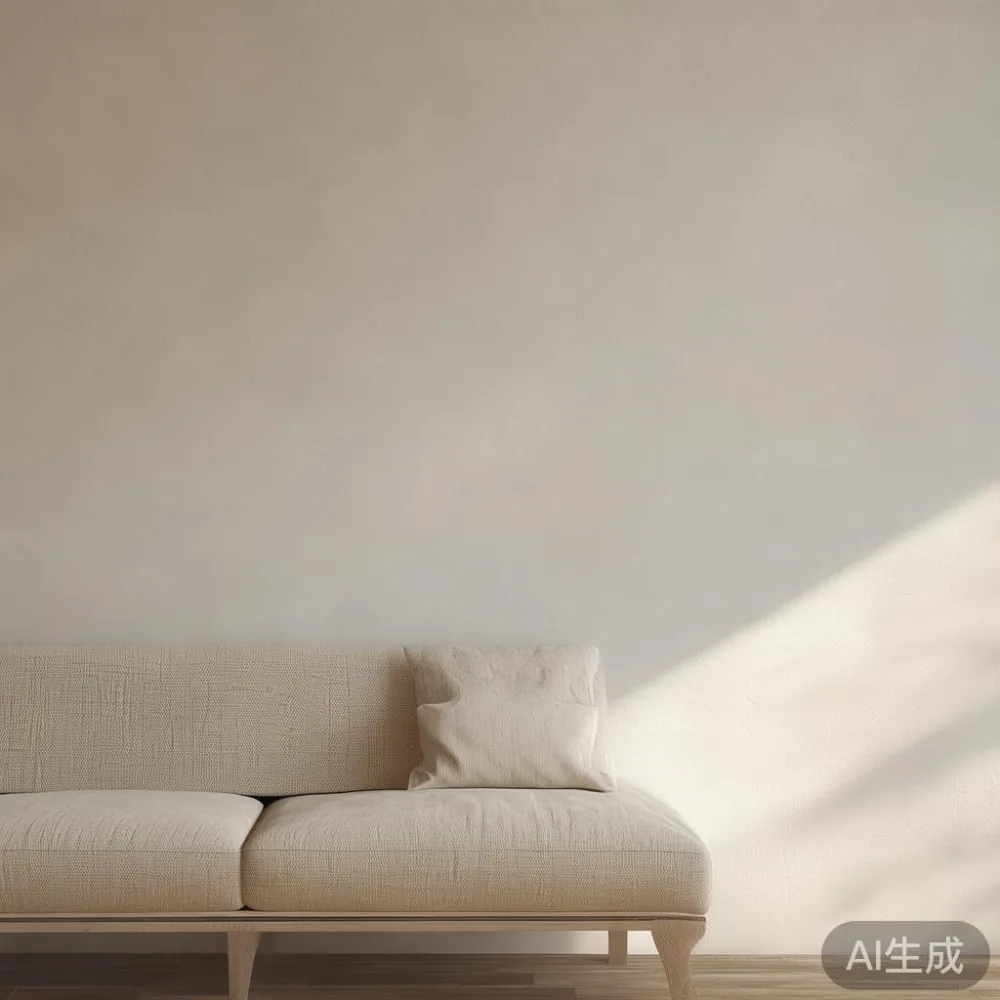
A true coastal-style sofa is defined by its materials as much as its design. It should evoke a sense of light, airy, and natural textures. When shopping online, pay close attention to the upholstery fabric and the frame construction. For upholstery, look for natural fibers like linen, cotton, or blends that offer a relaxed, breathable feel. These materials are perfect for the Singapore climate, allowing air to circulate and preventing that sticky, trapped heat sensation. Avoid heavy, synthetic velvets or thick, mix-like fabrics that can feel oppressive in a tropical home.
The frame is the skeleton of your sofa and dictates its longevity. A high-quality coastal-style sofa will have a solid wood frame, typically made from kiln-dried hardwood like oak or beech. This prevents the wood from warping over time due to Singapore's humidity. The frame should be reinforced with corner blocks and dowel joints, not just staples. For a touch of light luxury, consider a sofa with a base or legs made from light oak or a whitewashed finish, which complements the coastal aesthetic beautifully. My colleague recently sourced a stunning American light luxury sofa for a condo in Sentosa; its frame was constructed from solid maple, and the cushions were filled with a high-resilience foam wrapped in a feather-down blend, offering both support and a cloud-like softness.
How can I assess sofa comfort without sitting on it?
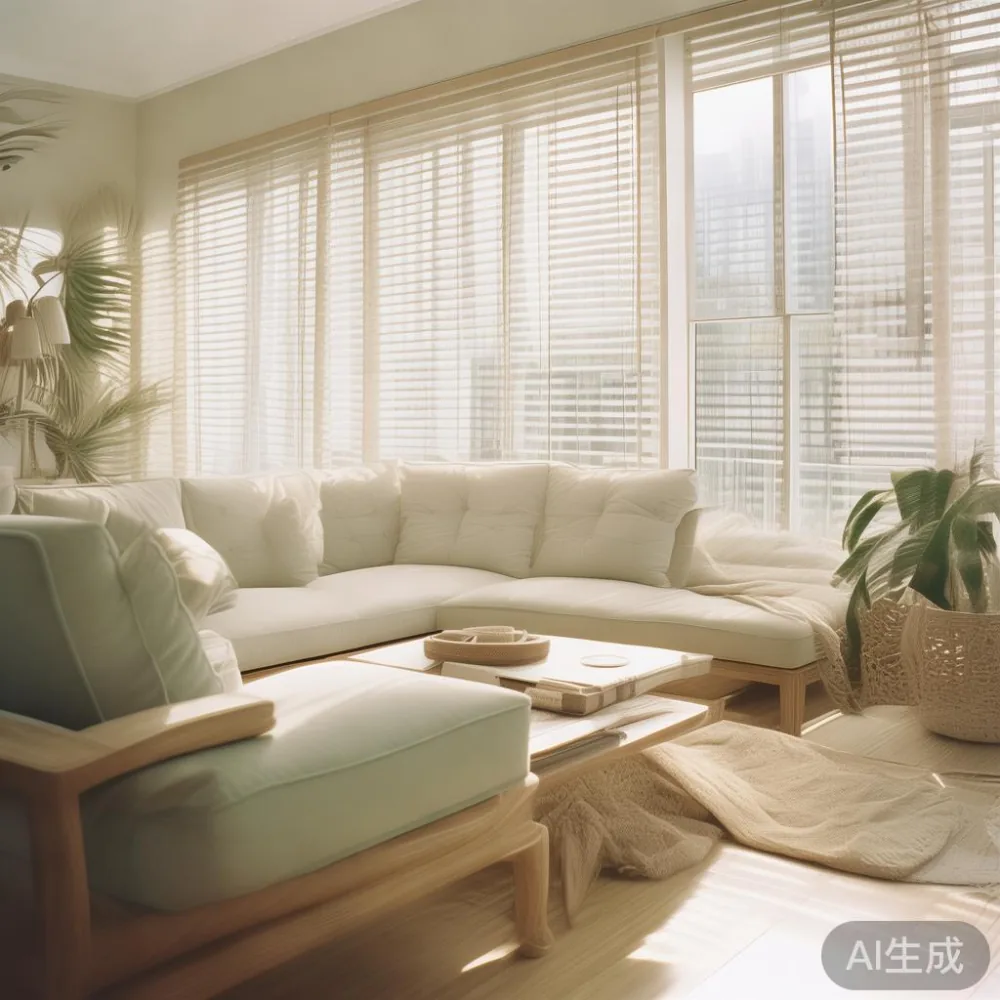
While you can't physically test the sofa, you can deduce a great deal about its comfort from its specifications. The key lies in understanding the cushion construction. A sofa's comfort is determined by the density of its foam and the quality of its filling. Look for descriptions that mention high-density foam, with a rating of 30kg/m³ or higher. This indicates a firmer, more supportive cushion that will hold its shape over years of use. For a softer, more luxurious feel, some cushions combine high-density foam cores with a top layer of down or a feather-down blend.
The depth of the seat is another critical comfort factor. A standard seat depth is around 55-60cm, which is ideal for most people. A deeper seat, say 65cm or more, is great for lounging but can be uncomfortable for shorter individuals as their feet may not touch the floor. The back height also matters for lounging. A low, tight back offers a more formal, upright posture, while a deep, cushioned back encourages a relaxed, reclined position. If you are considering a European light luxury sofa, look for one with a modular design. This allows you to configure the seating to your exact preference, creating a perfect nook for reading or socialising.
What should I look for in terms of build quality and warranty?
The build quality of a sofa is what separates a short-term purchase from a long-term investment. When examining product details, look for specific construction methods. A well-made sofa will feature webbed suspension, either with elasticated straps or a sinuous spring system. This provides the necessary bounce and support across the entire seat. The cushions should be reversible, allowing you to rotate them for even wear. The stitching on the seams should be tight and even, with no loose threads.
A warranty is the manufacturer's promise of quality. For a piece of furniture as significant as a sofa, a comprehensive warranty is non-negotiable. Look for a structural warranty that covers the frame for at least 5-10 years. A lifetime refinishing warranty is a fantastic bonus, indicating confidence in the durability of the materials. These warranties protect your investment against defects in materials and workmanship. A brand that has been established for over a decade, like one founded in 2008 and exporting to 15+ countries, often has the experience and infrastructure to honour such commitments. This peace of mind is invaluable, knowing that if a joint fails or a cushion sags, you have recourse.
Are there hidden costs like delivery and GST I should be aware of?
Always factor in the total cost of ownership, which includes delivery charges and taxes. In Singapore, the Goods and Services Tax (GST) is applied to all furniture purchases at the standard rate of 9%. This means a sofa listed at SGD 2,000 will actually cost SGD 2,180 at checkout. Ensure you calculate this into your budget to avoid any surprises. Delivery is another potential expense. Many reputable brands offer free shipping for orders over a certain value, such as SGD 350. This is a significant benefit, especially for larger items. Always check the delivery terms, including the estimated number of days. A typical delivery window within Singapore is 7-14 business days, but this can vary based on stock and location.
Ask about the delivery process itself. Will the sofa be delivered to your door, or just to the building lobby? For residents in HDB flats with narrow lifts, you may need to coordinate with the delivery team to use the service lift. Some companies offer a white-glove service, where they assemble the sofa in your room and remove all packaging. This service often comes at an additional cost but can be well worth the convenience. For example, a company might charge SGD 50 for this service, saving you the hassle of assembly. Always confirm the exact delivery charges and what the service includes before finalising your purchase.
What is the return policy if the sofa isn't right?
Even with the most meticulous measurements and research, there's always a small chance the sofa won't feel right in your space. A flexible return policy is your safety net. A 14-day return period is standard and gives you ample time to evaluate the piece in your own home. However, return policies can have conditions. Read the fine print carefully. Some companies may only accept returns if the item is in its original, unopened packaging, which is impractical for a sofa.
More often, returns are accepted only if the item is in 'as-new' condition, meaning no stains, tears, or damage. You will also likely be responsible for the return shipping costs, which can be substantial for a large, heavy item like a sofa. A better option is to choose a company that offers an exchange or store credit policy. This allows you to swap the sofa for a different model without the logistical nightmare of a return. Always keep the original packaging and receipt until you are certain you are keeping the sofa. This foresight can save you a significant amount of money and stress if you need to make a return.
How can I style a coastal-style sofa to match my existing decor?
A coastal-style sofa is a versatile centerpiece that can be adapted to various interior aesthetics. The key is to complement its light, natural textures with the right accessories. Think of elements that evoke the sea and shore: a large jute rug, a few ceramic vases in sandy or seafoam green, and cushions in linen with subtle wave-like patterns. The goal is to create a space that feels serene, uncluttered, and open.
If your living room features other furniture pieces, ensure they align with the coastal theme. A solid wood coffee table with a light oak finish or a marble table with soft, veined grey can beautifully anchor the space. For the bedroom, a coastal-style aesthetic can be extended to other pieces. You might ask yourself, 'how to style European light luxury sofa in apartment?' The answer lies in pairing it with minimalist side tables and sheer curtains. Similarly, when considering a bedroom upgrade, you might research 'how to style French bed in room' or 'how to style Japandi bed in room' to create a cohesive look. For storage, a 'best Post-modern wardrobe for 2026' with clean lines and matte finishes would complement the theme without overwhelming it. The same principle applies to a 'best French bed for 2026'; look for one with a linen upholstered headboard to maintain the relaxed, airy feel. Remember, the coastal style is about creating a harmonious and peaceful environment.
Is it better to buy a sofa online or from a physical store?
The choice between online and in-store purchasing depends on your priorities. Buying from a physical store in Singapore allows you to see the true color and texture of the fabric, feel the density of the cushions, and assess the build quality. You can sit on it and get an immediate sense of its comfort and scale. This is ideal if you are unsure about your preferences or need a sofa very soon. However, physical stores often have a limited selection and higher prices due to overhead costs.
Online shopping offers a vast selection, often at more competitive prices. You can easily compare different brands, styles, and price points from the comfort of your home in Bedok or Tampines. Online retailers frequently offer detailed specifications, 360-degree views, and customer reviews, which can be very helpful in making an informed decision. The main drawback is the inability to physically test the product. To mitigate this, rely on detailed product descriptions, high-resolution images, and comprehensive warranties. A brand that provides clear information on materials, dimensions, and construction is often more trustworthy. For example, you might find a beautiful 'French for dining room' set online, and the detailed product listing would specify the type of marble used for the table top and the solid wood construction of the chairs, giving you confidence in the purchase.
What questions should I ask the seller before buying?
Before committing to a purchase, prepare a list of specific questions for the seller. This will help you gather all the necessary information to make a confident decision. Ask about the frame construction: Is it solid wood or a combination of wood and engineered materials? What type of wood is used and is it kiln-dried? Inquire about the cushion details: What is the foam density? Is there a feather-down blend? Can the cushions be flipped? These questions reveal the quality and comfort of the sofa.
Practical questions are just as important. Ask for the exact dimensions, including the height of the arms and back, as these can affect the feel of the space. Confirm the delivery details: What is the exact cost? Is assembly included? What is the estimated delivery time to your specific address in Singapore? Finally, ask about the warranty in detail. What does it cover? For how long? What is the process for making a claim? A reputable seller will be transparent and happy to provide this information. You might even ask if they have a showroom where you can see a sample, or if they can put you in touch with a previous customer in your area. For international brands, you could ask for a contact number like +86 188 2788 2512 for direct inquiries. Clear communication is the key to a successful online furniture purchase.