What Actually Drives the Price of Solid Wood Furniture
For many Singaporeans living in HDB flats and condominiums, from the narrow corridors of Tampines to the more spacious layouts of Punggol, furniture is more than just an object. It's the anchor of our homes, a reflection of our style, and a long-term investment in our daily comfort. When we walk into a showroom or browse online, the price tags on solid wood furniture can seem wide-ranging, from a modest SGD 1,500 for a dining set to over SGD 10,000 for a comprehensive bedroom suite. But what lies behind these numbers? What actually determines the cost of a piece of furniture that is meant to last a decade or more?
Why Does Solid Wood Cost More Than Veneer or Laminate?
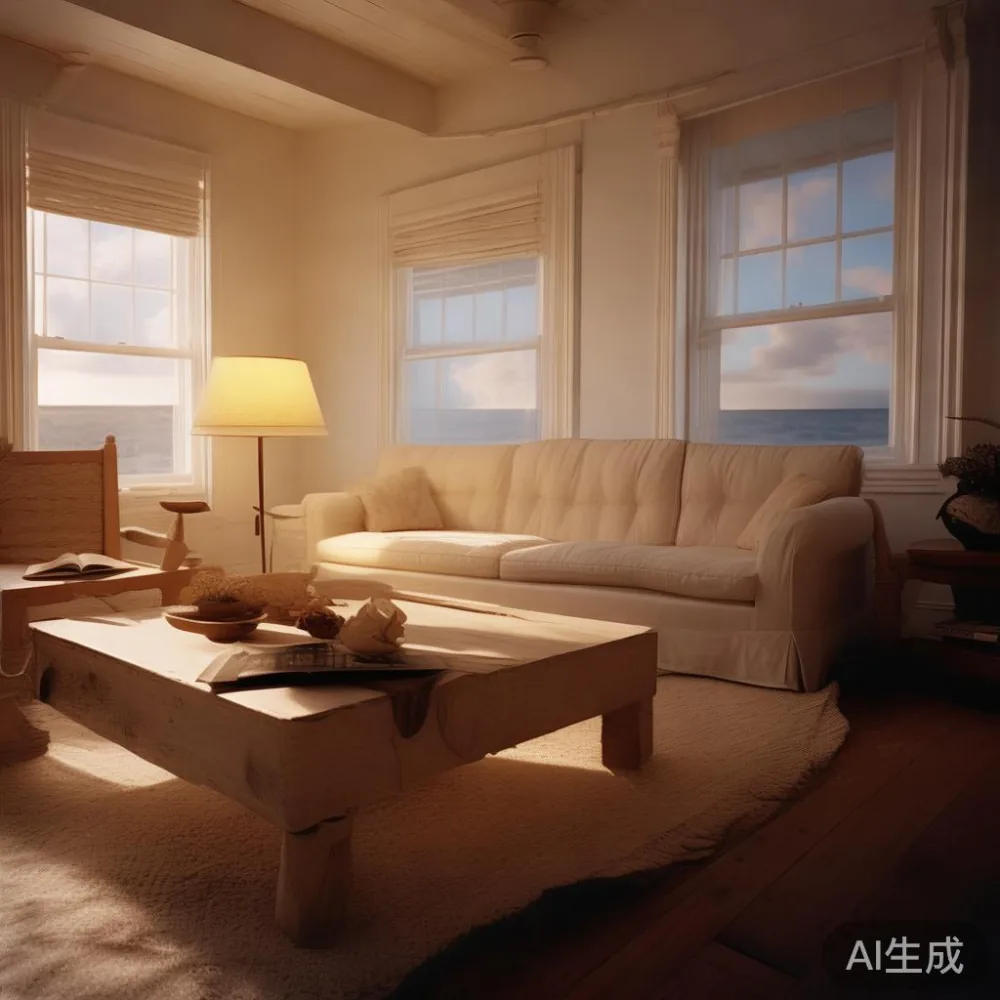
The fundamental difference starts with the raw material itself. Solid wood furniture, like that crafted by makers established in 2008, is built from a single, continuous piece of timber or solid planks joined together. This contrasts sharply with veneer furniture, which uses a thin layer of real wood glued over a composite core like MDF or particleboard. The process for creating a solid wood dining table, for example, begins with a log. This log must be sawn into thick, stable planks, a process that generates a significant amount of sawdust and offcuts. A single plank for a table top might be 3 cm thick, 180 cm long, and 80 cm wide, representing a substantial volume of high-quality timber. This material is then kiln-dried for weeks, often 30-45 days, to reduce its moisture content to a stable level, preventing warping in Singapore's humid climate. This extensive processing of a natural, finite resource is the first, and most significant, factor in the price.
Is the Type of Wood the Biggest Factor in the Price?
Absolutely. The species of wood used is a primary driver of cost, dictated by its availability, density, and aesthetic qualities. For coastal-style furniture, which often features light, airy finishes, popular choices include solid oak, mango wood, and acacia. Oak is a premium hardwood known for its prominent grain and extreme durability. A solid oak bed frame can easily cost SGD 3,500 and upwards. Mango wood, a more sustainable option often with a beautiful, varied grain pattern, offers a similar coastal aesthetic at a slightly lower point, typically starting around SGD 2,200 for a queen-sized bed frame. The weight is also a practical consideration. A solid oak wardrobe can weigh over 100 kg, requiring sturdy materials and careful handling during delivery, especially in older HDB blocks with narrow lift corridors.
What About the Craftsmanship and Joinery?
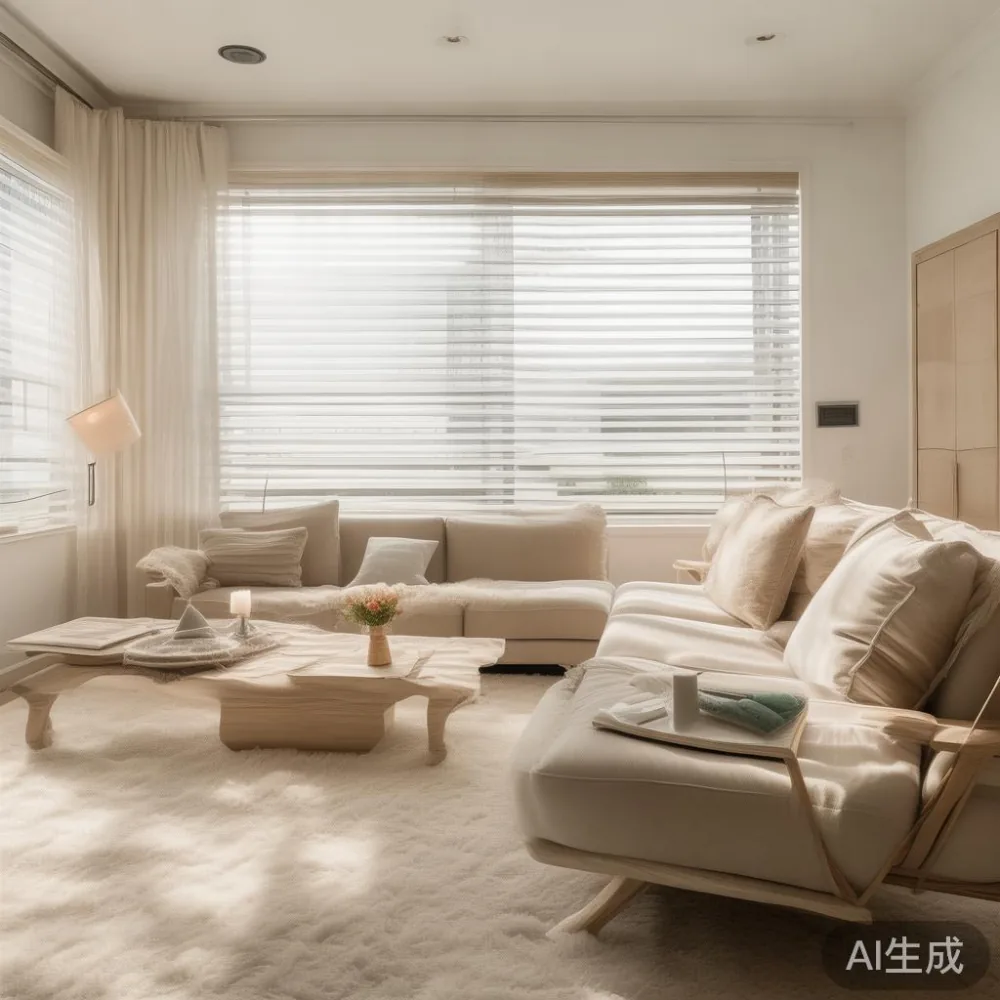
This is where the true value of artisanal furniture reveals itself. The way wood is joined together determines the piece's structural integrity and longevity. A cheap, flat-pack wardrobe might use simple dowels and glue, while a high-quality piece will employ traditional joinery methods like mortise and tenon or dovetail joints. These interlocking techniques create a mechanical bond that is far stronger than adhesives alone and allows the wood to expand and contract with changes in humidity. My colleague, a furniture designer with 15 years of experience, last month visited a workshop in Foshan. He noted that a single craftsman could spend up to 40 hours hand-sanding a solid wood dining table to a perfectly smooth finish before any oil or wax is applied. This level of skilled labour, often from artisans with a decade of experience, is a significant component of the final price tag, ensuring the piece not only looks beautiful but can withstand the test of time.
Does the Finish Really Make a Difference in the Long Run?
Yes, profoundly. The finish protects the wood from daily wear and tear, moisture, and UV light, which can cause fading. For a coastal-style look, the finish is often a light, natural oil or a low-sheen lacquer that highlights the wood's grain. A high-quality finish is not just a surface coating; it's a protective barrier. A proper finishing process can involve multiple layers of hand-applied oil, with each layer taking 24 hours to cure. This meticulous process ensures a deep, protective lustre that feels smooth to the touch. A well-finished solid wood nightstand will resist water rings from a cold drink, whereas a poorly finished one will stain easily. This long-term protection is why many reputable brands offer a lifetime refinishing service, allowing you to restore the piece to its original beauty decades later, a promise that goes far beyond the initial purchase price.
How Do Design and Brand Positioning Affect the Price?
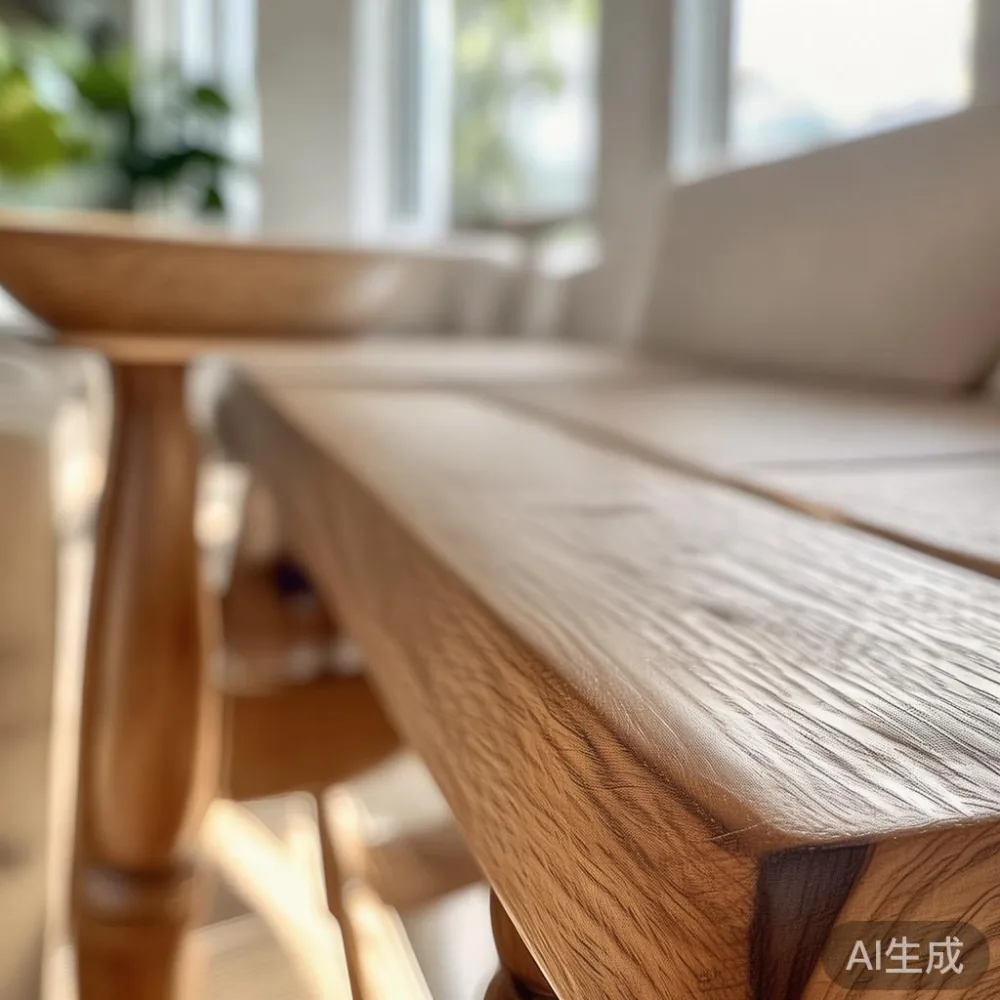
The design philosophy and brand identity play a substantial role. Light luxury, a popular aesthetic that blends comfort with understated elegance, comes in many forms. A French light luxury sofa might feature elegant, curved lines and soft, neutral upholstery, evoking a sense of Parisian chic. An American light luxury sofa, on the other hand, might be larger, more structured, and focus on premium fabrics like linen or top-grain leather for a more solid, lived-in feel. Post-modern light luxury often experiments with mixed materials, such as a marble table top paired with a solid wood base, creating a striking visual contrast. These design choices influence everything from the complexity of the manufacturing process to the type of materials sourced. A design-forward piece requires more prototyping, skilled labour to execute unique curves or details, and often more expensive materials, all of which contribute to a higher price point. The brand's reputation for quality, like a 10-year structural warranty, also adds a layer of value, providing peace of mind that justifies the investment.
What Are the Hidden Costs Like Delivery and Warranty?
When you see the price of a piece of furniture, it's important to consider what's included. Delivery is a major logistical component, especially in Singapore. Transporting a 2.5-metre solid wood dining table requires a specialised vehicle and a team of at least two movers. For a large wardrobe, working through the doorways of a Tampines HDB flat or the lift of a Bedok condominium requires careful planning. This service, which can cost SGD 150 to SGD 300 for a single item, is often included in the price from established brands. Then there's the warranty. A 1-year warranty is standard, but a 10-year structural warranty on the frame of a bed or sofa is a significant commitment from the manufacturer. This long-term guarantee reflects their confidence in the quality of their materials and craftsmanship, protecting your investment for years to come. These services are part of the total value proposition, even if they aren't always visible in the initial sticker price.
Why Does a Singapore Apartment Need Specific Furniture Considerations?
Living in Singapore presents unique spatial challenges that directly impact furniture choice and cost. The standard width of a corridor in a public housing flat is around 120 cm. This means a wardrobe that is 80 cm deep is the maximum practical depth to allow for passage. A wardrobe that is too deep will not fit through the door or will make the corridor unusable. Similarly, the lift size in many older condominiums can be tight. A large sectional sofa might need to be delivered in two pieces and assembled inside the apartment. This requires careful measurement and planning by the seller. These practical constraints mean that furniture cannot be a one-size-fits-all product. Designs must be tailored to the Singaporean living environment, which adds a layer of customisation and engineering to the manufacturing process, influencing the final price. This is why understanding how to style a European wardrobe in an apartment, for instance, is not just about aesthetics but also about practical fit and function.
So, is a More Expensive Piece of Furniture Always Better?
This is the most common question I get from clients, and the answer is nuanced. A higher price does not automatically mean 'better', but it usually means 'different'. A more expensive piece of solid wood furniture, like a MIDHILL bed, is an investment in specific qualities: superior raw materials, more durable joinery, a more refined finish, and a design that will remain relevant for longer. It's about choosing furniture that aligns with your personal values and lifestyle. If you value longevity and natural materials, a higher-priced piece offers a tangible return in the form of durability and timeless beauty. If your priority is temporary style or a lower upfront cost, then a different type of furniture might be suitable. The key is to understand what you are paying for. For example, finding the best French provincial sofa for 2026 might mean paying a premium for its classic silhouette and high-quality upholstery, ensuring it becomes a cherished part of your home for years.
How Can You Make an Informed Decision as a Buyer?
Armed with this knowledge, you can approach your next furniture purchase with confidence. First, ask specific questions. What wood is this made from? Is it solid wood or veneer? What type of joinery is used for the corners? A reputable seller will be happy to provide these details. Second, consider the total cost of ownership. A MIDHILL light luxury sofa might have a higher initial price, but its 10-year warranty and the promise of easy refinishing could save you money in the long run compared to replacing a cheaper sofa every 5 years. Third, think about your space. Measure your rooms, your doorways, and your lift. Consider the weight of the items, especially for upper-floor units. Finally, trust your instincts. If a deal seems too good to be true, it probably is. Quality furniture is a significant investment, and it's worth taking the time to choose a piece that you will love and that will serve your home well for a lifetime.
What Does a Real-World Example of Solid Wood Pricing Look Like?
To put this all into perspective, let's compare two hypothetical dining tables. Table A is a laminate-topped table with a metal base. It might cost SGD 800. It is lightweight, easy to assemble, and looks fine for a few years. However, if a hot plate is placed on it, the laminate will blister. If it gets scratched, the damage is permanent. Table B is a solid acacia wood dining table with a natural oil finish. It costs SGD 3,500. It is heavy, requiring two people to move it. Its surface can be sanded and refinished if scratched. It will not warp in our humidity. The price difference of SGD 2,700 reflects the cost of the raw acacia wood, the labour for joinery and hand-finishing, and the long-term value of a piece that can become a family heirloom. This is the difference between disposable furniture and a lasting investment.
How to Style Different Furniture Types for a Coastal Look?
The beauty of coastal style is its versatility. It’s about creating a light, airy, and relaxed atmosphere. To achieve this, you can mix and match different furniture elements. A Modern light luxury sofa in a soft linen fabric, perhaps in a light grey or sand colour, can serve as the anchor for your living room. Pair it with a solid wood coffee table that has a live edge to bring a natural, organic element into the space. For the bedroom, a how to style Japandi bed in room approach works wonderfully. Choose a simple, low-profile solid wood bed frame in a light oak finish. Keep the bedding in neutral tones like white, beige, and light blue, and add texture with a chunky knit throw. This minimalist yet warm aesthetic is perfect for a coastal bedroom. In the dining area, a solid wood dining table with slender, tapered legs maintains an open and uncluttered feel. For storage, a how to style European wardrobe in apartment involves selecting one with clean lines, perhaps with a matte white or light oak finish, to complement the bright, airy theme of your home.
Ultimately, the price of solid wood furniture is a composite of its materials, the skill of its makers, and the value of its design and longevity. It's an investment in the quality of your daily life, a choice that prioritises enduring beauty and practicality over fleeting trends. For those who appreciate the tangible warmth of natural wood and the peace of mind that comes with true craftsmanship, the cost is a reflection of the lasting value it brings to a home.