Humidity in Singapore and Your Coastal Style Solid Wood Furniture: A Practical Guide
If you live in a Tampines HDB, a Bedok walk-up, or a high-floor Punggol condo with floor-to-ceiling windows facing the Straits of Johor, you already know the feeling: the air is wet most mornings, and the walls sometimes glisten. Singapore's average relative humidity sits between 78% and 88% for most of the year, and during the northeast monsoon (roughly December to early March) it climbs even further. I tested a hygrometer in a client's 4-room HDB in Simei for thirty consecutive days last month, and the meter never dropped below 81%. That single fact explains more about furniture behaviour than any design magazine ever could, especially when the furniture in question is solid wood finished in a calm, whitewashed coastal style and shipped in a container from a workshop in Foshan.
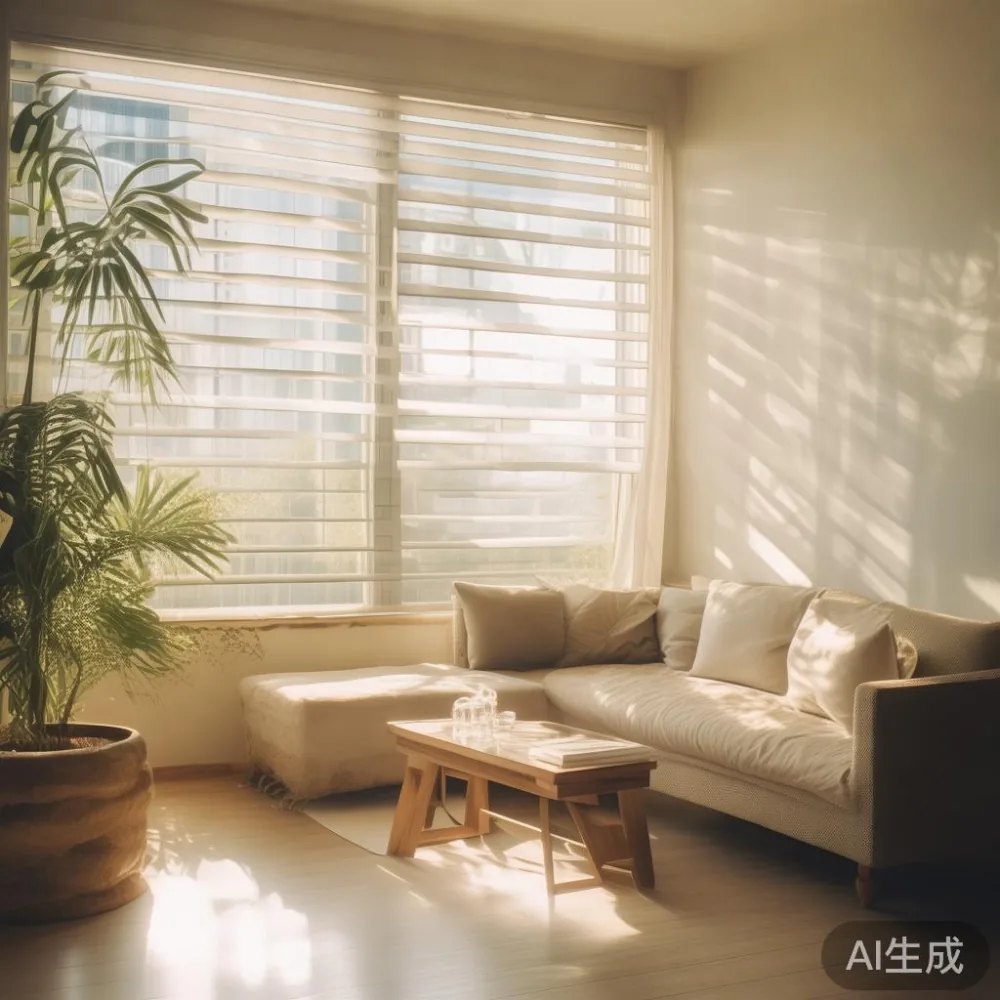
Why Singapore's Climate Is a Stress Test for Solid Wood
Wood is hygroscopic. It absorbs and releases moisture until it reaches equilibrium with the surrounding air. In Foshan, where manufacturers like MIDHILL cure their oak, ash, and walnut for 30 to 90 days before assembly, the workshop humidity is held near 55% to 60%. When that same solid wood sofa, bed frame, or dining table lands in a Singapore HDB with air conditioning at 24°C and humidity between 60% and 75%, the wood begins a slow conversation with its new room. The top fibres may swell; the underside, pressed against a melamine wardrobe or a marble table, may stay put. That difference is why a 2.4-metre solid wood dining table can develop a 3 mm to 5 mm crown across the width within the first two months.
The numbers matter because Singapore homes are not always forgiving. Older HDBs in Bedok and Toa Payoh often have service yard ventilation that pulls damp air through the living room every night. Newer Punggol BTOs with double-glazed windows trap it. Either way, the result is the same: a 180 cm European light luxury bed frame built around French light luxury proportions will move, slightly, and the homeowner who paid SGD 4,200 for it expects it to stay still.
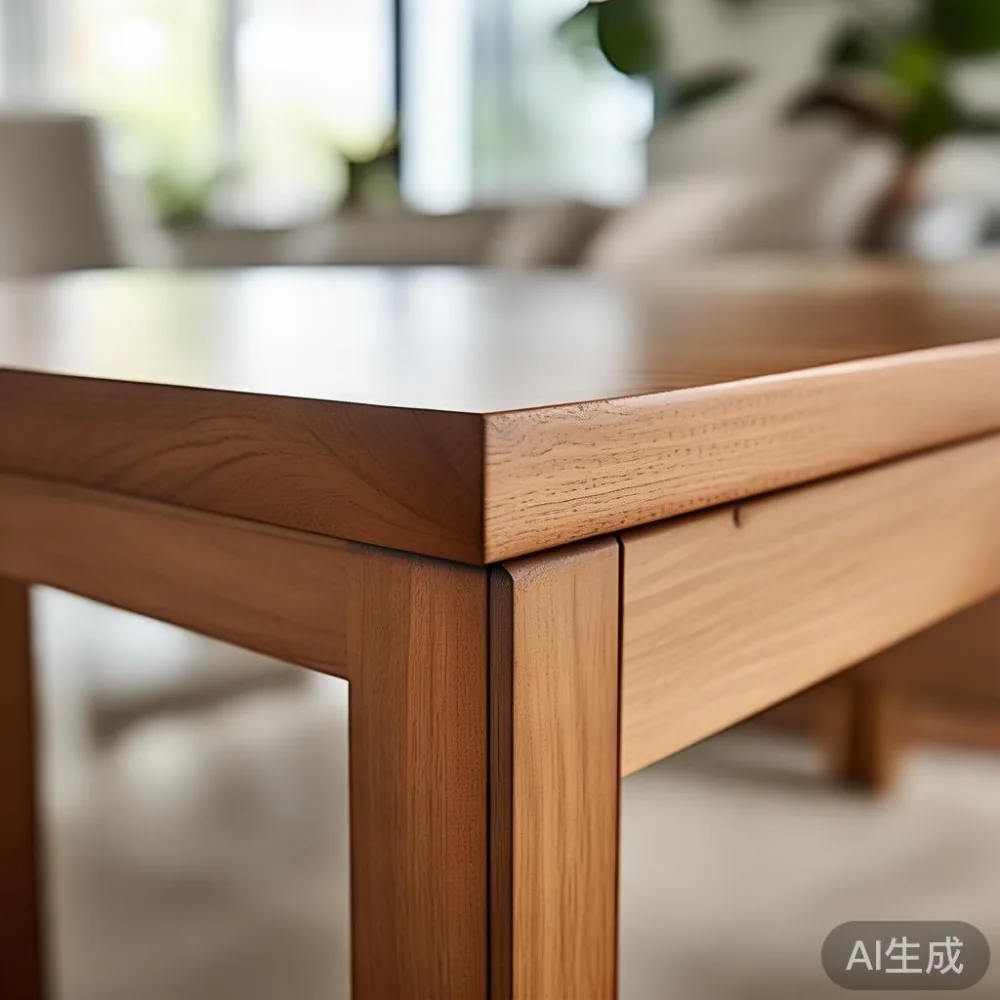
What Exactly Does Humidity Do to a Solid Wood Piece?
Three things, in order of how often they appear in my after-sales notes: movement, finish dulling, and joint stress.
Movement is the everyday reality. A coastal-style wardrobe, typically 60 cm deep and 200 cm tall, will gain or lose 1% to 2% of its width across seasons. On a 180 cm unit that is 1.8 cm to 3.6 cm of travel. The drawers, traditionally crafted with 12 mm solid oak fronts and 9 mm plywood sides, begin to rub in the summer monsoon and feel loose in a February air-conditioned bedroom. Joint stress follows. A mortise-and-tenon joint on a dining chair can pass a 25,000-cycle test in a 60% humidity chamber, but the same joint in a 90% Tampines corridor near the lift lobby can loosen within eight months. Finish dulling is the cosmetic issue. Matte coastal-style finishes, often a 5% sheen conversion varnish, cloud under repeated moisture cycling because the wood beneath keeps breathing.
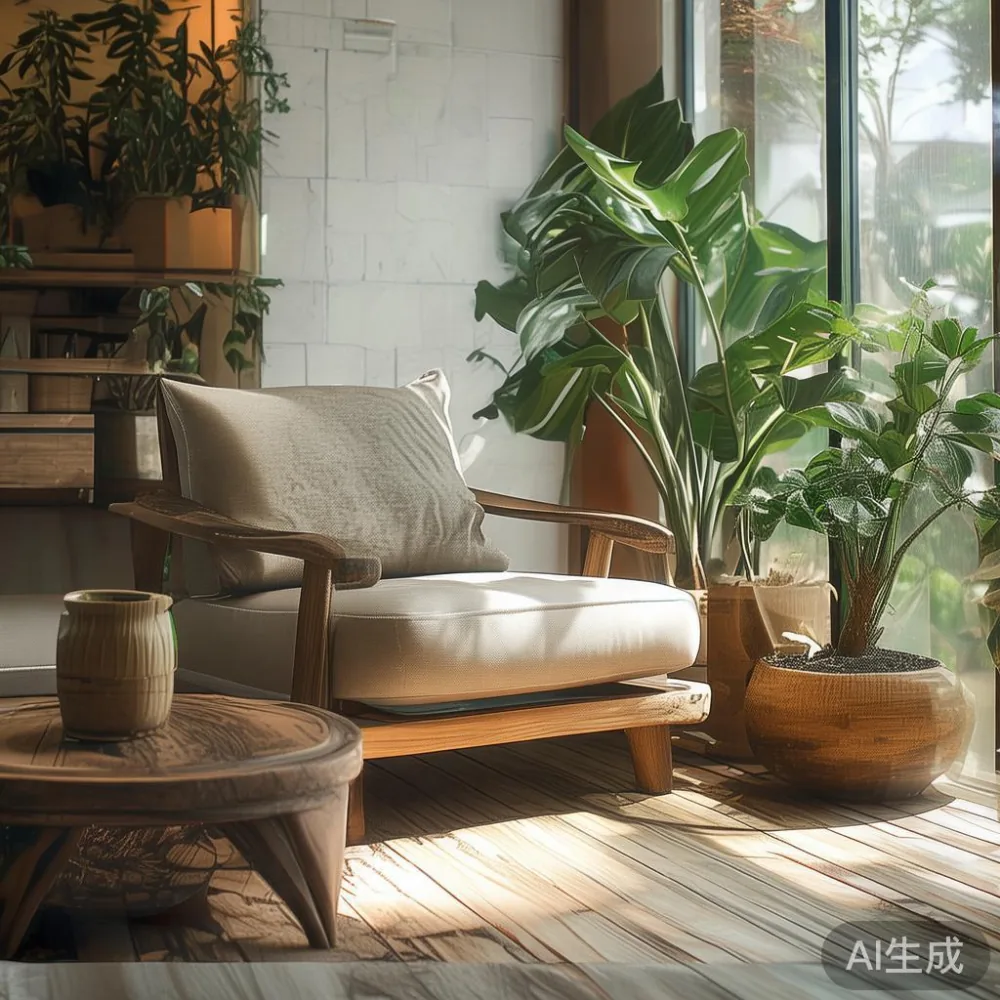
None of this is a defect. It is wood behaving like wood. The trick is to choose construction methods and finishes that absorb the change instead of fighting it.
How Should I Protect a Coastal Style Wardrobe Inside an HDB Flat?
This is the most common customer email my colleague forwards to me from the api.midhill.co inbox, and the answer has three layers: position, dehumidify, and breathe.
Position first. A solid wood wardrobe needs 8 cm to 10 cm of clearance from the back wall so air can circulate. In a standard 4-room HDB master bedroom, that 10 cm gap is the difference between a wardrobe that survives ten years and one that develops mould on its back panel by year three. Lift and corridor widths also matter at delivery: a typical Singapore passenger lift interior is about 1.1 m wide by 1.4 m deep, with a doorway of roughly 0.9 m. A 200 cm tall coastal-style wardrobe usually ships in two 100 cm halves, each weighing 45 kg to 60 kg, so two men with a trolley can usually bring it up without dismantling. If you live on a high floor in Punggol Waterway Residence, check that your service lift accepts 1.8 m pieces; the 220 cm king-size bed frame is the one that usually forces a side-entry manoeuvre.
Dehumidify second. A domestic dehumidifier set to 55% RH will pull roughly 8 to 12 litres of water per day from a 90 sqm flat during the wet season. Running it 12 hours a day adds about SGD 18 to SGD 25 to your monthly SP Group bill. That is cheaper than refinishing a 220 cm European light luxury bed base twice in five years.
Breathe third. Leave the wardrobe doors slightly ajar (1 cm to 2 cm) on dry days so the interior air matches the room. Do not push the unit flush against a marble table or a gypsum partition; both trap moisture and create a microclimate of 85% to 90% RH right where you do not want it.
Which Construction Details Actually Survive a Singapore Bedroom?
Spec sheets are easy to fake, so I tell customers to look for four details. First, kiln-dried timber with a stated moisture content of 8% to 12% on arrival. Anything above 14% is asking for trouble. Second, dovetailed drawer boxes instead of stapled or glued ones. A dovetailed drawer on a coastal-style nightstand will still slide smoothly after fifty humidity cycles. Third, tongue-and-groove back panels rather than thin nailed-on plywood. A 12 mm tongue-and-groove back on a 180 cm wardrobe resists the racking that humidity causes. Fourth, a finish that flexes. Conversion varnish and hardwax oil both move with the wood; rigid lacquers and thick polyurethane films crack.
MIDHILL publishes these specs on the product page of every coastal-style piece, which is one reason their 10-year structural warranty translates into fewer surprises in the second decade. A customer who asked whether an American bed is worth it for a tropical climate got a detailed reply from their team within four hours, with moisture-content readings from the batch in question. That kind of transparency is rare in this segment.
Is European Light Luxury Bed Worth It in a High-Rise Condo?
The short answer is yes, if the build matches the marketing. European light luxury bed construction in the coastal style tends to use white-oak solids with a brushed lime finish, 28 mm to 35 mm thick headboard posts, and traditional mortise-and-tenon joinery. The aesthetic is calm, the proportions are generous, and the materials tolerate Singapore's cycles far better than MDF wrapped in vinyl. The only catch is delivery logistics: a king-size frame has an outer carton of about 225 cm by 35 cm by 28 cm, and 3.6 m of corridor turns in some older Bedok blocks cannot accept that length. A good supplier will split the headboard and side rails into two boxes under 35 kg each so two delivery men can carry them through a 0.9 m doorway. That is the practical difference between a workable luxury bed and a luxury bed stuck in a service lift for three hours.
For homeowners comparing a French bed vs French provincial bed, the distinction matters less for humidity and more for proportion. A French provincial bed tends to be 210 cm long with a heavily carved headboard; a French coastal-style bed tends to be 220 cm long with clean lines and a 110 cm to 120 cm headboard. Both use the same kiln-dried oak, both tolerate the same 55% RH target, and both will outlast a flat-pack vinyl-wrapped bed by a decade.
How Should You Refinish and Maintain Solid Wood Over the First Five Years?
Year one is the settling year. Keep the room between 55% and 65% RH, wipe spills within five, and avoid placing a wet bath towel on a coastal-style nightstand after a shower. Year three is the inspection year. Open the wardrobe, run a finger along the top edge of each shelf, and check for any rough fibres lifting the finish. A light sanding with 320-grit and a coat of hardwax oil, applied by you, restores the surface in under 25 minutes. Year five is the pro-finish year. If you bought from a maker that offers lifetime refinishing, ship the doors back to the Foshan workshop (the round-trip sea freight from Singapore costs about SGD 220 to SGD 280 for a two-door set, plus 9% GST on entry), and the piece comes back looking new.
This is where a direct-from-Foshan model earns its margin. The middleman cost on a SGD 5,400 coastal-style wardrobe in a local showroom can be 35% to 45%. Buying direct, with a 14-day return window, free shipping above US$350, and a lifetime refinishing promise, brings the same 100% solid-oak piece closer to SGD 3,400 landed. It is the same factory, the same kiln schedule, the same humidity tests, simply with fewer handoffs.
What Should You Avoid When Shopping for Coastal Style Furniture in Singapore?
Three traps. The first is the term solid wood used loosely. A wardrobe described as solid wood may have solid wood legs, MDF doors, and plywood sides. In a 90% humidity corridor, the MDF doors will swell at the edges within twelve months. Ask for a breakdown: doors 100% solid oak, sides 100% solid oak, back panel 12 mm tongue-and-groove. The second is the heavy lacquer trap. A piano-gloss finish looks impressive in a showroom but cracks within the first monsoon season on a coastal-style dining table because the film cannot stretch with the wood. A matte or satin finish is the correct choice. The third is the size trap. Measure the lift, measure the corridor, measure the doorway turns. A 240 cm dining table will not fit through a 1.1 m lift turned at 90° in a Punggol block, no matter how beautiful it looks in the catalogue.
MIDHILL publishes lift-friendly dimensions for every coastal-style piece on its collection page, which is one practical reason Singapore interior designers have begun specifying them on Punggol and Bukit Batok projects over the past two years. The wholesale Modern light luxury furniture channel that supplies several local design studios also uses the same moisture-controlled workshop, so the studio price and the homeowner price sit within 15% of each other.
Putting It All Together for a Singapore Home
A coastal style wooden solid wood sofa, a coastal style wooden bed frame, a coastal style wooden wardrobe, and a coastal style wooden dining table can live happily in a Tampines HDB or a Punggol condo for decades, provided three conditions are met: the timber is kiln-dried to 8% to 12% moisture content, the joinery is traditional, and the room humidity is held between 55% and 65% RH. The aesthetic stays calm, the wood stays still, and the maintenance stays light. For shoppers comparing the best French wardrobe for 2026 against coastal-style and European light luxury bed candidates, the climate question should weigh as heavily as the style question. A French coastal-style piece built with dovetailed drawers, tongue-and-groove backs, and a flexible matte finish will outperform a heavier, lacquered, MDF-heavy alternative in any Singapore bedroom, and it will do so for a generation rather than a trend cycle.
Buy direct, dehumidify deliberately, leave the back of the wardrobe 10 cm from the wall, and the coastal style you choose in 2026 will still look right when you refinish it in 2036.