The Anatomy of a Price Tag: What You're Really Paying For in Solid Wood Furniture
Walking through a furniture showroom in Singapore, the price difference between two seemingly similar pieces can be staggering. A solid wood dining table might cost SGD 2,500, while another, of comparable size, could be priced at SGD 5,000 or more. As a furniture specialist with over a decade of experience, I often get the question: 'What justifies this difference?' It's a fair question, especially for homeowners in Singapore working through the unique challenges of HDB flats and condominiums, where space is a premium and every dollar counts. The answer isn't a single factor but a complex interplay of materials, craftsmanship, design, and logistics, all of which contribute to the final number you see on the price tag.

Why Does Solid Wood Cost More Than Engineered Wood?
The most fundamental reason for the price difference lies in the raw material itself. Solid wood furniture is, as the name implies, crafted from a single, continuous piece of lumber. This contrasts sharply with engineered wood, such as MDF (Medium-Density Fiberboard) or particleboard, which are made by binding wood fibers, particles, or veneers together with adhesives under high pressure and temperature.
The cost of solid wood is driven by its nature. A single plank of oak, teak, or walnut requires a mature tree to be harvested, processed, and kiln-dried to a specific moisture content—typically between 8-10% for Singapore's humid climate. This process can take weeks to months. The wood must then be carefully selected for its grain, color, and structural integrity. A large, knot-free plank suitable for a dining table top is a finite resource. In contrast, a sheet of MDF is a manufactured product. Its raw materials are often wood scraps and byproducts, making it significantly cheaper to produce on a large scale.
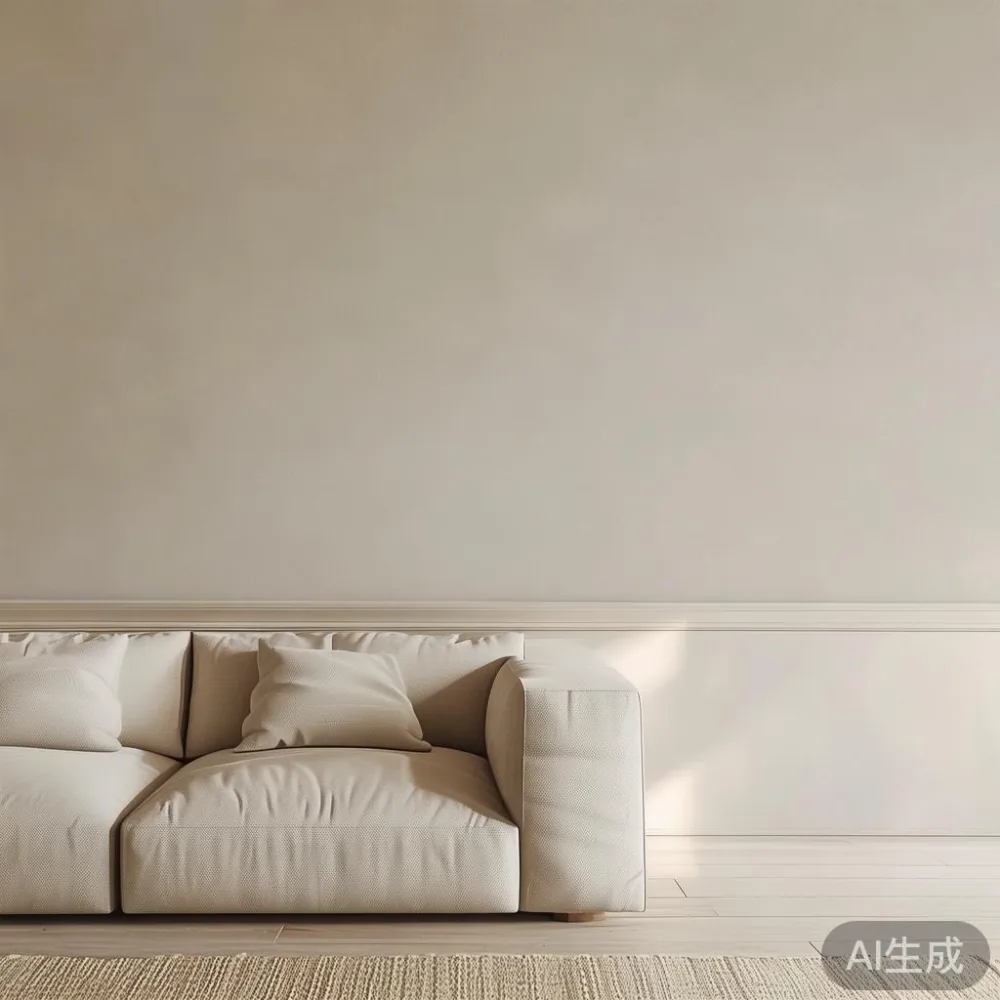
For Singaporean homes, the choice has practical implications. Solid wood is more durable and can withstand refinishing over its lifetime. A solid wood wardrobe from a maker like MIDHILL, established in 2008, can be sanded down and refinished completely, in effect giving it a new look decades later. Engineered wood, on the other hand, is prone to swelling in our high humidity, and once the surface veneer is damaged, it cannot be restored. The long-term value of solid wood is an investment in longevity, a concept that resonates with many Singaporeans who plan to live in their HDB flats for extended periods.
How Craftsmanship and Joinery Define a Piece's Value
Once you have the raw material, the way it's assembled is the next major determinant of price. The difference between a piece of furniture assembled with staples and glue and one built using traditional joinery techniques is like the difference between a mass-produced suit and a tailored one. The latter is simply built to last a lifetime.
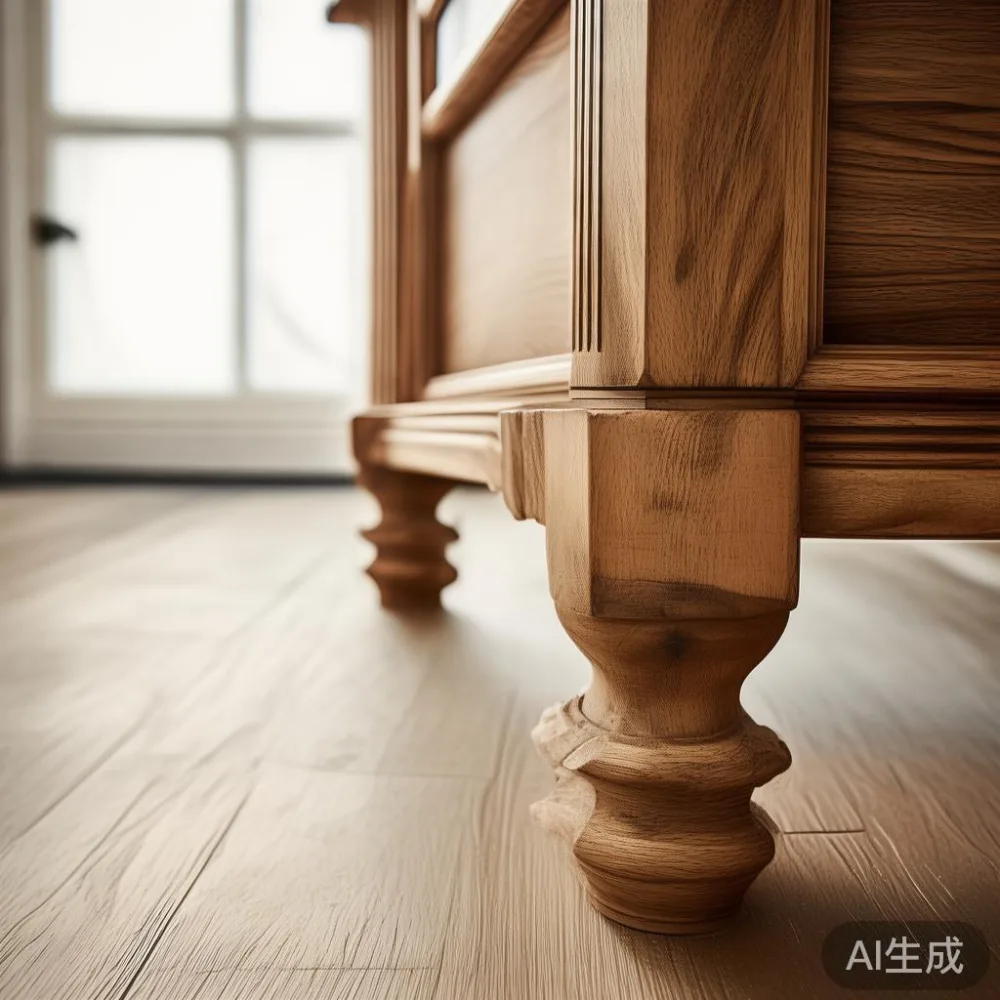
Look for terms like 'dovetail joints,' 'mortise and tenon,' and 'finger joints.' These methods interlock the pieces of wood without relying on fasteners, creating a bond that is stronger than the wood itself. A dovetail joint on a drawer, for example, is not just decorative; it prevents the drawer from pulling apart over time as the wood expands and contracts. I visited a workshop in Foshan Lingzhan last month to observe their process firsthand. Watching a master craftsman hand-cut dovetail joints for a solid wood nightstand was a revelation. The precision and skill involved are not easily replicated by machines, and this labor-intensive process directly impacts the final cost.
Conversely, furniture made with staples, nails, and simple butt joints may look fine initially, but it is far less durable. The fasteners can loosen, and the joints can weaken, especially under the stress of daily use. For a heavy piece like a solid wood bed frame, the quality of the joinery is paramount. A poorly constructed bed frame can start to creak and wobble within a few years, while a well-crafted one will remain sturdy for decades. This is why a 10-year structural warranty, offered by reputable makers, is a key indicator of the quality of the craftsmanship you are paying for.
Is a Designer Brand Name Justifying the Price?
This is a question I hear constantly from clients in Tampines and Bedok, who are often balancing aesthetic desires with a strict budget. The short answer is that a brand name can contribute to the price, but it's not always just for the name itself. A reputable brand name often signifies a commitment to quality, consistency, and design.
Brands that invest in design, like those offering French light luxury or American light luxury styles, employ designers who create pieces that are both beautiful and functional. The design process involves prototyping, testing for comfort, and ensuring the proportions are right for modern living spaces. A post-modern light luxury sofa, for example, might feature unique, clean lines and a specific type of high-density foam that has been tested for thousands of hours to ensure it retains its shape. This R&D cost is factored into the price.
Also, a brand with a long history, like one established in 2008, has built a reputation over time. This reputation is based on consistent quality and customer service. When you buy from such a brand, you are paying for the assurance that the product will meet a certain standard. This peace of mind is a significant part of the value proposition. You are not just buying a piece of furniture; you are buying a product from a company that has proven its reliability over 15 years of exports to 10+ countries.
The Hidden Costs of Shipping, Duties, and Local Logistics
Many consumers in Singapore focus on the retail price but rarely consider the journey the furniture has taken to reach the showroom floor. For a piece of solid wood furniture, this journey can be long and complex, adding a significant amount to the final cost.
Most high-quality solid wood furniture is manufactured in countries like China. A container from Foshan to Singapore takes approximately 7-10 days. The furniture must be carefully packed to prevent damage during transit. This involves using protective materials like foam, corner guards, and custom wooden crates, all of which add to the shipping cost. Then there are import duties and Goods and Services Tax (GST). In Singapore, GST is currently 9%. This 9% is applied to the cost of the goods plus the shipping and insurance, meaning a significant portion of the price you see is tax.
Once the furniture arrives in Singapore, the local logistics begin. A large item like a solid wood dining table or wardrobe needs to be delivered to your home. In an HDB flat, this means working through narrow corridors and lift landings. The width of a standard HDB lift is about 110cm by 210cm. A wardrobe that is 60cm deep might fit, but one that is 80cm deep will be a tight squeeze. Delivery teams need to be skilled in maneuvering bulky items through tight spaces without damaging the walls or the furniture itself. This specialized labor, along with the cost of the delivery vehicle and fuel, is another component of the price. The free shipping offer for orders over SGD 350 from some makers is a reflection of how they absorb these logistical costs to provide a better customer experience.
What Actually Drives the Price of Solid Wood Furniture?
After breaking down all the components, the price of a piece of solid wood furniture is the sum of its parts: the value of the raw material, the skill of the artisan, the cost of design and branding, and the expenses of a global supply chain. It's not a single factor but a cumulative effect.
When you see a price tag, you should be thinking about the story behind it. Is the wood sustainably sourced? Has it been properly kiln-dried for Singapore's climate? Are the joints hand-cut or machine-made? Is the design from a reputable studio? Does the company stand behind its product with a long-term warranty? These are the questions that reveal the true value. For instance, when considering a minimalist for dining room, the price reflects the simplicity of the design, which often requires even greater precision in joinery to maintain clean lines.
Ultimately, buying solid wood furniture is an investment. It's an investment in quality, in longevity, and in the creation of a home that reflects your personal style. The higher price of a well-made piece is a hedge against the need to replace it in five or ten years. It’s about choosing a piece that will not only serve its function but also become a part of your home's story, developing a beautiful patina over the years that tells a tale of life lived.
How to Choose Between Different Styles and Materials
With so many options available, making the right choice can feel overwhelming. The key is to align the furniture's characteristics with your specific needs and the environment of your home. For example, the question of Japanese bed vs Italian light luxury bed often comes up. A Japanese bed typically features low platforms, clean lines, and a focus on natural wood, making it ideal for smaller Singaporean bedrooms where a low-profile bed creates an illusion of more space. An Italian light luxury bed, on the other hand, might feature more ornate details, luxurious upholstery, and a higher frame, offering a more opulent, statement-making look.
Similarly, when choosing a sofa, the debate can be intense. Is Mid-century modern sofa worth it for your living room? A mid-century modern sofa is characterized by its sleek, organic forms, tapered legs, and often, a mix of materials like wood and leather. It's a timeless design that works well in both contemporary and more traditional settings. The price reflects its iconic design and the quality of materials used. On the other hand, the choice between a French sofa vs French provincial sofa involves understanding the level of ornamentation and the type of upholstery. A French provincial sofa is typically more ornate with carved details and rich fabrics, while a simpler French-style sofa might be more understated.
For those who appreciate a blend of styles, the comparison between European sofa vs Mid-century modern sofa can be a matter of personal taste. A European sofa might emphasize plush comfort, deep seating, and luxurious fabrics, while a mid-century modern sofa prioritizes form, function, and a lighter, airier aesthetic. The right choice depends on how you use your living space. Finally, the practical question of how to choose Japanese bed often comes down to space, aesthetic preference, and the need for storage, as many platform beds come with built-in drawers, a feature highly valued in Singaporean homes where storage is always at a premium.
When making your decision, consider the entire package. A 14-day return policy offers peace of mind, allowing you to live with the piece for a short while to ensure it fits your space and lifestyle perfectly. A lifetime refinishing guarantee means you can pass the piece down to the next generation, confident that it can be restored to its former glory. These services are part of the value you receive, ensuring that your investment is protected for years to come.