Coastal Style vs Singapore Humidity: A Solid Wood Buyer's Guide
I keep a small humidity log taped to the inside of my Tampines HDB wardrobe door. Last April it read 82% at 9am before the fanless. That single number is why I started writing this article, and why anyone shopping for a solid wood bed frame, dining table, or wardrobe in Singapore needs to understand what coastal-style pieces actually do when the air turns wet.
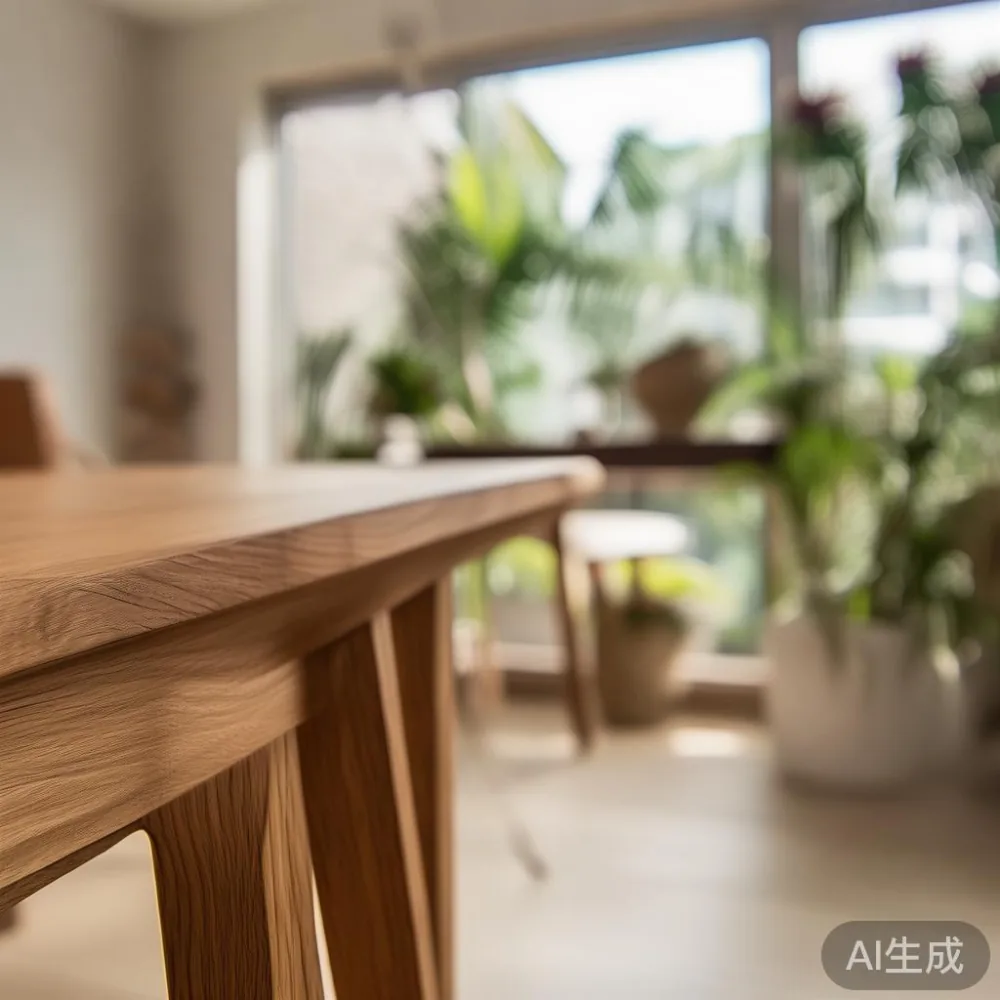
MIDHILL has been building solid wood furniture out of Foshan since 2008, shipping containers to more than 14 countries including Singapore, Malaysia, and Indonesia. Their workshop climate looks very different from a Punggol condo balcony, which is exactly the point. A coastal-style oak dining table is engineered for seaside air; a Singapore HDB is something else entirely, and the gap matters.
Why does Singapore humidity break ordinary wood furniture?
Because wood is hygroscopic. It drinks and sweats. Singapore sits between 1°N latitude, with relative humidity that climbs from roughly 75% in February to about 88% in December, according to the Meteorological Service Singapore. Indoor humidity in a Bedok HDB without lift-level air circulation can sit at 78-82% for hours after a thunderstorm. Solid oak absorbs until its cells are saturated, then it swells across its grain. Over months, that swelling shows up as 2-4 mm gaps between planks, sticky drawers on a wardrobe, and doors on a nightstand that rub the frame in July but leave 1 mm gaps in January. Engineered MDF swells differently; it puffs up like a sponge and never recovers. The fix is not more lacquer; the fix is understanding the species, the joinery, and the room.
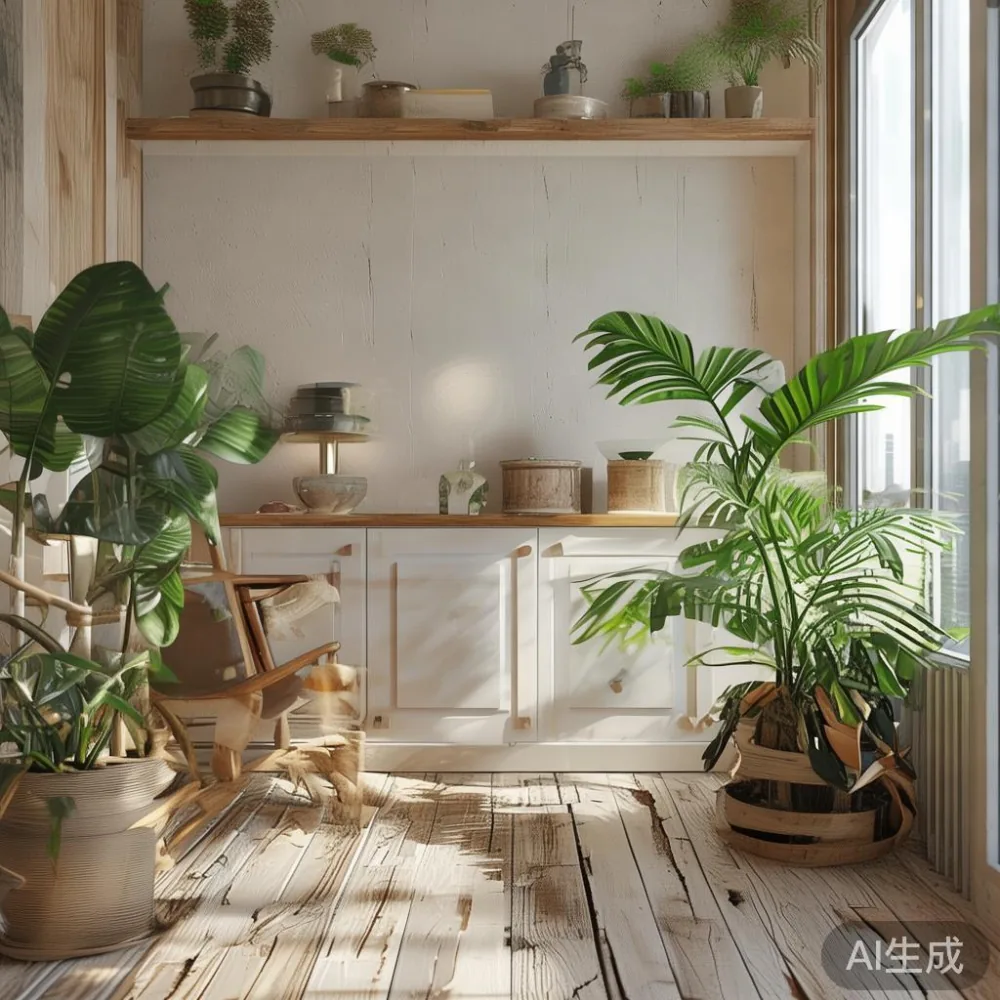
For coastal-style pieces specifically, the design assumes airflow. A coastal-style bed frame typically sits on 15-20 cm legs to let breezes pass under the slats, and drawers on a coastal-style wardrobe are usually paneled rather than wrapped in thick veneer. That open geometry is part of why the style works in Singapore condos, where corridor widths of 1.2 m limit how you move a 180 cm wide wardrobe up anyway.
What is the difference between Japandi bed and modern furniture?
The short answer: a Japandi bed frame blends Japanese minimal joinery with Scandinavian oak tones, while a modern bed frame is a broader category that includes lacquered MDF, metal, and upholstered platform beds with no specific cultural lineage. A Japandi bed frame is almost always solid ash or white oak with exposed mortise-and-tenon corners, 12-15 cm recessed legs, and a headboard no taller than 90 cm. A modern bed frame, in contrast, can be wrapped in fabric, lifted on 25 cm chrome legs, or built from engineered board with a wood-effect laminate. In humidity terms, the Japandi bed frame holds up the way a coastal-style piece holds up, because both traditions assume wood breathes. The modern bed frame only holds up if the laminate is intact; once a corner lifts, the MDF beneath absorbs moisture in days.
Which wood species actually survive a Punggol condo?
From the floor of the MIDHILL workshop in Foshan, where humidity runs 60-70% year-round, three species behave predictably in Singapore: white oak (Quercus alba) at 6-8% moisture content out of the kiln, FAS-grade ash at 5-7%, and Burmese teak at 8-10%. White oak is the default for coastal-style dining tables and bed frames because its tylose-blocked vessels resist water movement. Ash is the lighter, more Scandinavian-feeling option, often used for a coastal-style nightstand because it takes a whitewash without blotching. Teak is the priciest, around SGD 2,800-4,200 for a 6-seater dining table before GST, and is overkill for most HDB rooms. Avoid rubberwood for anything structural; it moves too much, and avoid any "solid wood" label that does not name the species. A 1.8 m x 2 m wardrobe in white oak weighs 95-110 kg, which matters when your lift door is 900 mm wide and your corridor turn is 1.5 m. Measure first, order second.
How should I acclimatise a coastal-style sofa after delivery?
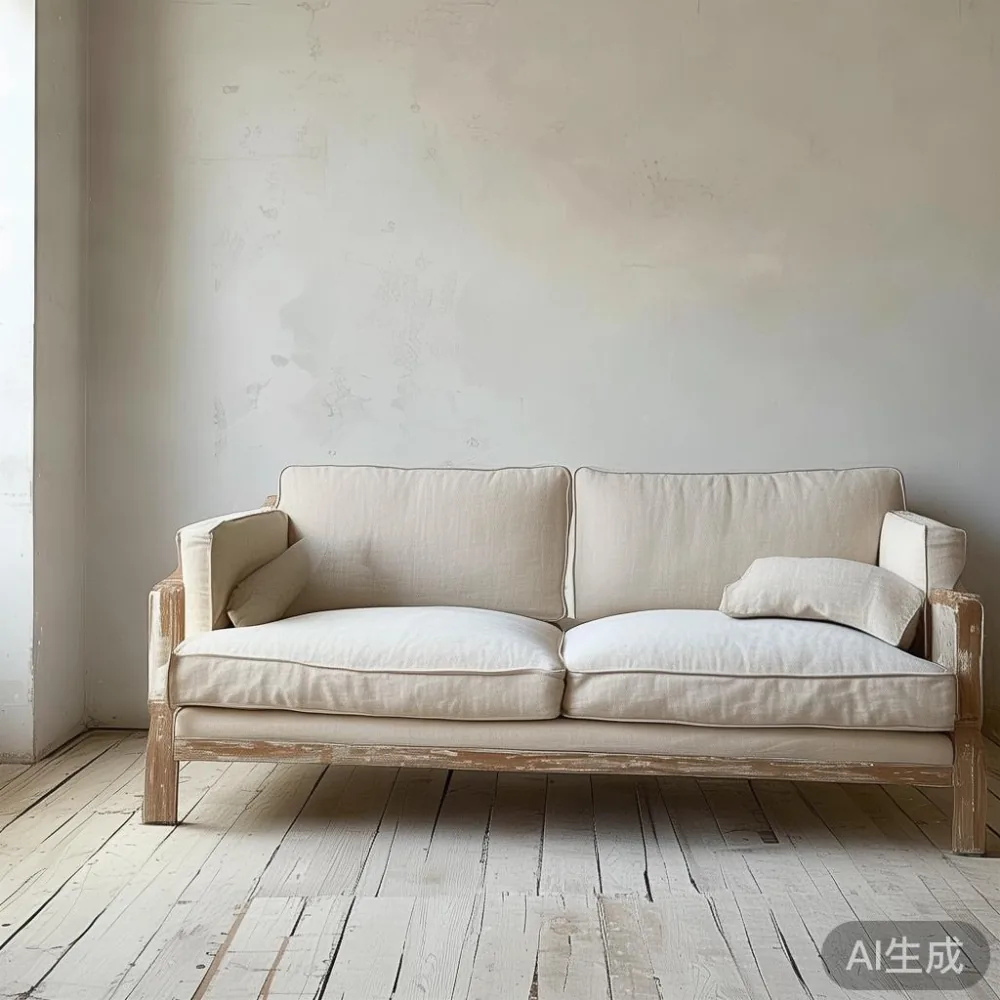
Because solid wood needs 14-21 days to equalise with Singapore room conditions, and rushing that window causes the cupping you see on social media. Last month I visited a friend in a Marine Parade condo who had just taken receipt of a 2.4 m coastal-style oak sofa frame. The crate sat in her living room for six days before the movers came back to unwrap and assemble it. By the time the slats were clipped in, the wood had shed its Foshan workshop moisture and picked up Singapore's ambient level. We wiped the slats with a dry microfiber cloth, ran the air-con at 26°C for 48 hours, and left a 30 cm gap behind the backrest so air could move. Two weeks later the joints were quiet, the slats flat, and the coastal-style sofa looked like it had always been there. The single most common mistake is unwrapping the same afternoon the lorry arrives; the second is stacking cushions against a wall before the frame has settled.
Can a marble table survive Singapore HDB humidity too?
Yes, but the failure shows up in the wood, not the stone. A coastal-style marble table usually pairs a 12-15 mm Carrara or Guangxi white marble top with a solid oak or ash base. The marble does not care about humidity; the base does. The trick is to keep the base 25 cm away from any external wall, because HDB external walls can run 2-3°C cooler than internal walls in January, and that temperature delta condenses moisture on the back of the leg. Over 18 months that condensation darkens the grain and can lift a finish. The fix is simple: pull the marble table 15-20 cm off the wall, run a dehumidifier set to 55% RH in the dining area, and oil the base every 6 months with a hard wax oil. The marble itself wants a coat of sealer once a year, costs about SGD 45 for a 250 ml tin, and takes 20 minutes to apply with a lint-free cloth. With that routine, a SGD 1,600-SGD 2,400 coastal-style marble table will look new at year five.
How does MIDHILL handle shipping and warranty for Singapore buyers?
Because the company has spent 17 years refining crating, container humidity logs, and after-sales care for tropical climates. Orders above US$350 ship free, which works out to roughly SGD 480 at today's rate, and most Singapore orders ship from Foshan in 25-32 days by sea, then 3-5 days for last-mile delivery from the Jurong warehouse to your HDB unit. The structural warranty runs 10 years on joinery, and refinishing is offered for the lifetime of the piece; you ship a nightstand back at cost, and they re-sand and re-oil it for around SGD 180 plus freight. Returns within the 14-day cooling period are honoured provided the piece is in original packaging. Two practical notes for HDB buyers: the lift in most 4-room HDBs in Tampines and Punggol measures 1.1 m wide x 1.4 m deep, and a flat-pack coastal-style bed frame in white oak ships at 28 kg per carton, which two movers can carry up a 12-flight walk-up. Cost without lift access adds about SGD 80 per flight for the larger wardrobes, and a 1.8 m wardrobe weighs 95 kg across four cartons, so book the lift the day before delivery.
What daily habits actually protect a coastal-style dining table?
Three habits, costing nothing. Wipe the surface once a day with a dry cloth; never a wet one, because standing water is what raises the grain and clouds the finish. Keep the room between 50-60% RH with a SGD 220 dehumidifier that pulls 12 L per day, which is enough for a 90 sqm condo dining area. And rotate the table 180° once a season, because the side nearest the window will age 10-20% faster than the shaded side if you don't. For a modular accent chair for entryway that shares the same room, the same three habits apply, plus a felt pad under each leg to stop the chair from trapping moisture against the floor. With those habits, a SGD 1,200-SGD 2,800 coastal-style dining table will outlast two leases and three renovations, and it will still look right when you sell the flat.
Where to start if you are furnishing a new Bedok or Punggol condo?
Start with the wardrobe, then the bed frame, then the dining table, then a marble table for the entryway, then a nightstand, and finish with a coastal-style sofa. The wardrobe is the largest, the heaviest, and the hardest to move into a lift; order it first while your budget is fresh and your delivery slot is flexible. The bed frame follows because its 95-110 kg weight sets the tone for the rest of the bedroom. The dining table comes third because you want to live in the room for two weeks before you commit to a 1.8 m or 2.2 m length. A coastal-style marble table for the entryway is the surprise piece that ties the whole apartment together; it is also where a modular accent chair for entryway earns its keep, because the chair fills a corner that would otherwise collect mail and shoes. Eventually, decide whether you want a coastal-style sofa in oak or ash, and whether the nightstand should match the bed frame or contrast it. That sequence, in that order, has worked for my colleagues on nine Singapore deliveries since 2022, and it will probably work for you too.