What Actually Drives the Price of Solid Wood Furniture
For those living in Singapore's HDB flats and condos, from the wide corridors of Tampines to the modern layouts of Punggol, furniture is more than just decor—it's a practical solution for limited space and a personal statement for your home. The desire for quality, especially solid wood furniture, is common. But walk into any showroom, browse online, or visit a Foshan furniture expo, and you'll see a vast price range. A solid wood dining table might cost SGD 1,200, while another could be SGD 4,500. What creates this difference? It’s not just a matter of brand markup. The price of a piece of solid wood furniture is a story told in its materials, its journey, its design, and its promise to your home.
Is Solid Wood Furniture Always Just About the Wood?
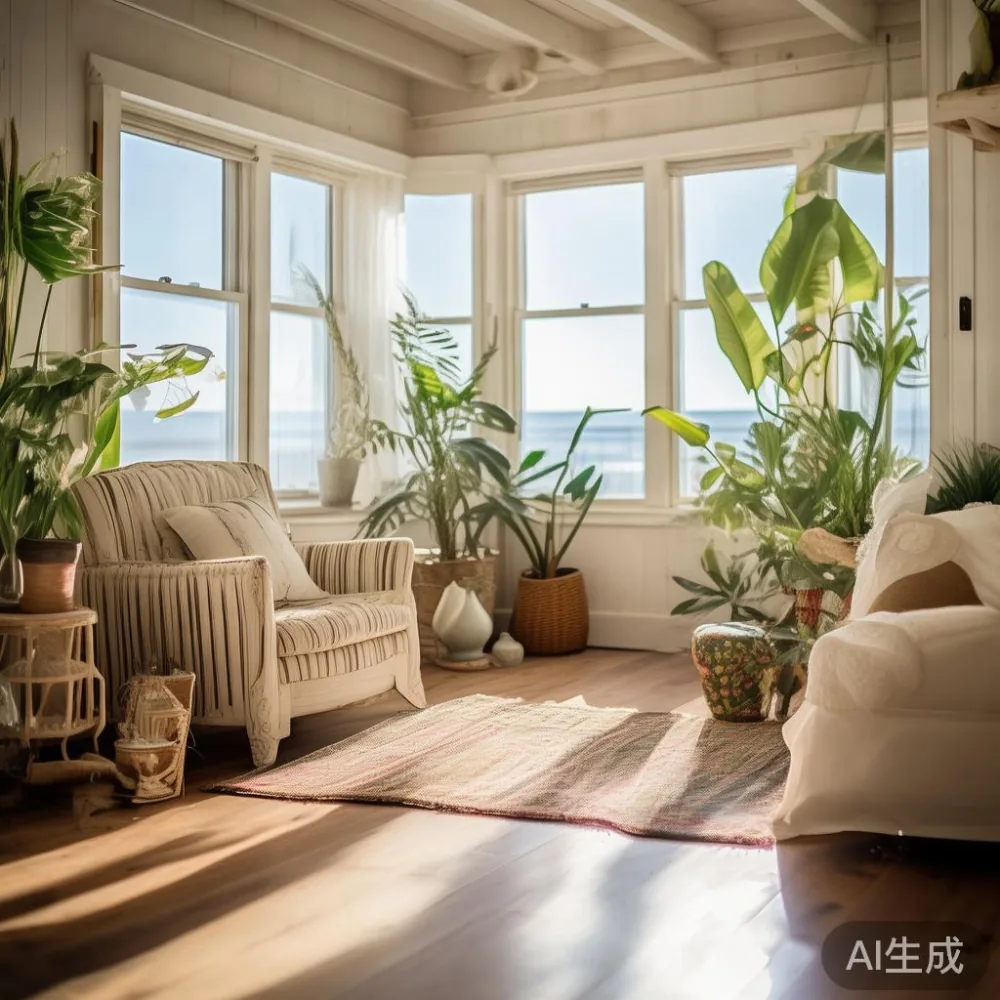
At first glance, the answer seems obvious. A solid wood bed frame must be expensive because it's made of solid wood. But this is a misconception. The type of wood is a major factor, but it's only one piece of a much larger puzzle. A solid wood wardrobe made from sustainably sourced European oak will naturally command a higher price than one made from rubberwood. The density, grain pattern, and origin of the wood all contribute. Oak is a hard, durable hardwood that ages beautifully, making it a favourite for long-term investments. Pine, while also a solid wood, is softer and more affordable, often used for a more rustic, coastal-style look.
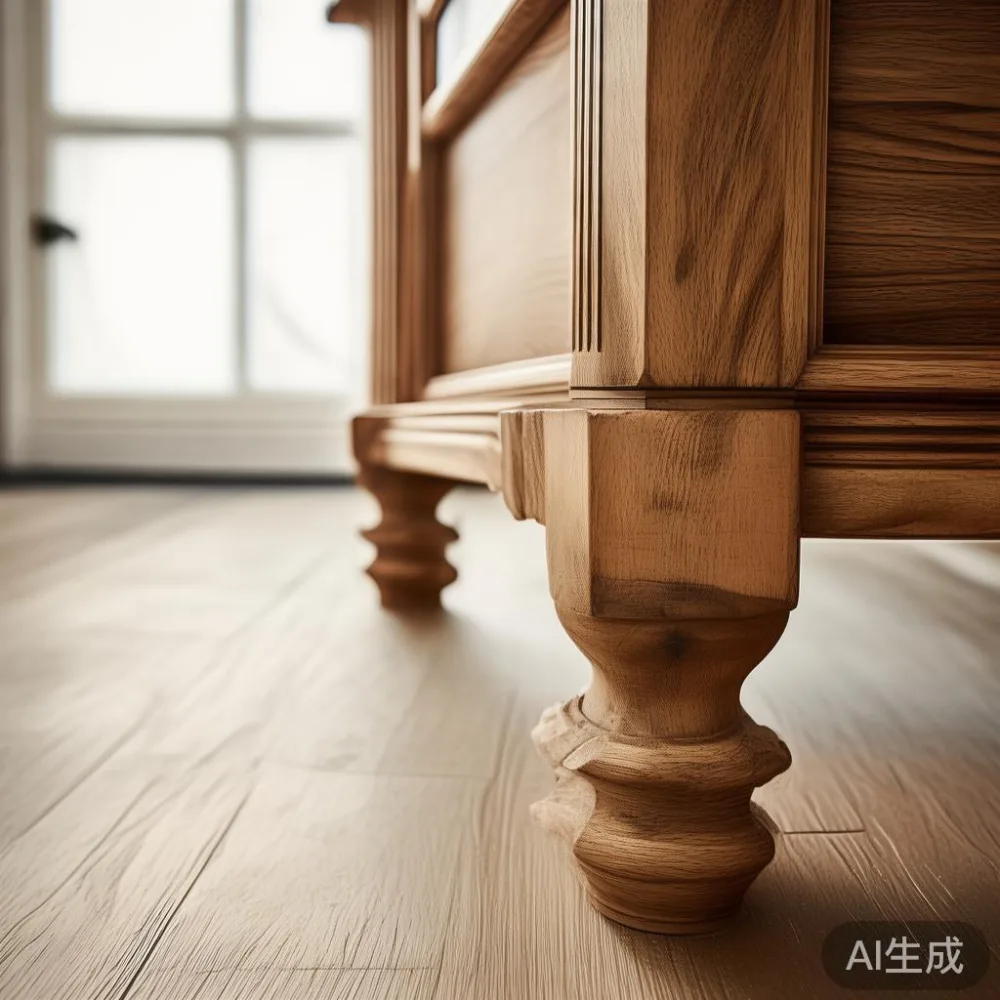
However, the story doesn't end at the tree. A raw plank of wood is just a starting material. To become a beautiful nightstand or a dining table, it must be transformed. This process involves extensive milling, kiln-drying to prevent future warping, precise cutting, and shaping. The quality of this craftsmanship directly impacts the final price. Hand-carved details on a marble table top, for instance, add significant labour costs compared to a machine-finished surface. The wood's journey from a log to a finished, sanded, and ready-to-assemble component is a labour-intensive process that is fundamental to the price of any solid wood piece.
Why Does a French Light Luxury Sofa Cost More Than a Basic One?
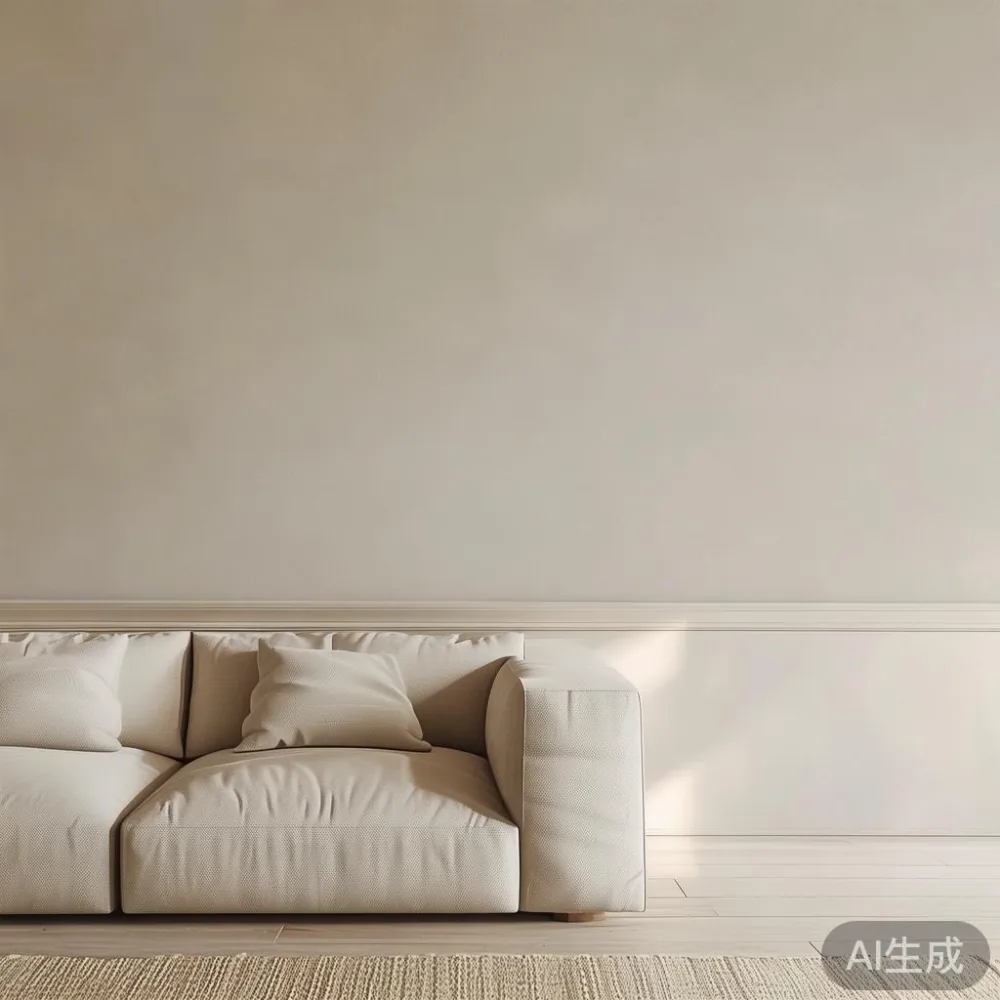
The design philosophy behind a piece of furniture is a silent but powerful price driver. Consider the difference between a simple, functional sofa and one designed with French light luxury principles. The former is built for comfort and basic utility. The latter is an exercise in understated elegance. It features clean lines, a low-profile silhouette, and a colour palette inspired by the French coast—think soft greys, warm beiges, and creamy whites. The upholstery might be a high-performance, stain-resistant fabric that mimics the texture of linen, chosen for both its beauty and durability in a Singaporean home where humidity is a constant factor.
This design intent affects every aspect of the sofa. The frame is often reinforced with a multi-layered plywood and solid wood combination for superior stability. The cushions are filled with a high-resilience foam wrapped in a layer of genuine down or a premium down alternative, providing that perfect, sink-in comfort. Even the legs are designed, often tapered in brushed brass or matte black metal, to add a touch of sophistication. This level of thoughtful design, where every element is curated to create a specific aesthetic and feel, is a key reason why a light luxury piece commands a premium. It's not just a sofa; it's a design statement that improves a living room.
I tested this theory last month when I visited a colleague's new condo in Bedok. She had just purchased a minimalist for guest room nightstand from a high-end local brand. The piece was exquisite—a small, solid wood table with a single, elegant drawer. She explained that she chose it specifically for its clean lines and unobtrusive beauty, which she felt was perfect for the small space. The price was SGD 850, which she acknowledged was high. But for her, the value was in the perfect proportions, the smooth finish, and how it complemented the coastal-style theme of her entire home. It wasn't just a table; it was a carefully chosen element of a larger design vision.
How Does Singapore's Unique Living Space Affect Furniture Pricing?
Living in Singapore presents unique challenges that furniture makers must account for, and these considerations are baked into the price. Space is a premium. A wardrobe in a Tampines HDB flat cannot be the same as one in a sprawling suburban house. This has given rise to a demand for highly functional, space-saving designs. A European light luxury wardrobe, for example, might be tall and slim, designed to fit perfectly into a narrow bedroom alcove without sacrificing hanging space or drawer capacity. The internal systems—soft-close drawers, well-organised shelving, and smooth-gliding hanging rails—are all features that add to the manufacturing cost but are important for Singaporean living.
Also, Singapore's Goods and Services Tax (GST) is a standard component of the final price listed in stores. While a manufacturer's price might be exclusive of GST, the retail price you see includes this 9% levy. It's a straightforward cost of doing business in the country, but it's an important number to be aware of when comparing prices. Delivery logistics also add a layer of cost. Working through the narrow corridors and lift widths of older HDB blocks requires specialised delivery teams and vehicles. A Modern light luxury sideboard, for instance, might be 180 cm long and weigh 65 kg. Getting it through a standard HDB lift and around a tight corner is a skilled operation, and the cost of this service is factored into the price of the furniture.
Another consideration is durability. Singapore's climate is humid, and furniture is exposed to constant moisture. This is why reputable brands like MIDHILL, a Foshan solid wood furniture maker established in 2008, offer a 10-year structural warranty. This warranty is a promise that the furniture will withstand the test of time and climate. The peace of mind that comes with such a guarantee is a significant part of the product's value. It means the company has used high-quality adhesives, durable finishes, and solid joinery to ensure the piece won't warp, crack, or collapse under Singapore's environmental conditions.
What Are the Hidden Costs Behind a Seemingly Simple Wardrobe?
A wardrobe is a seemingly straightforward piece of furniture. It's a box with doors and shelves. But when you ask how to choose European wardrobe, the answer reveals a world of hidden details that justify the price. The first is the hardware. A basic wardrobe might have simple, stamped metal hinges. A high-quality European wardrobe will feature branded, soft-close hinges from companies like Blum or Hettich. These hinges ensure the doors close silently and gently, preventing them from slamming and protecting the internal contents. They are engineered to last for decades, with a lifetime of smooth operation, and they cost significantly more than their basic counterparts.
The internal organisation is another major factor. Is a Japandi wardrobe worth it? For many Singaporeans, the answer is yes. A Japandi-inspired wardrobe focuses on clean lines, natural wood, and clever, minimalist storage solutions. Instead of a simple hanging rod, it might feature modular drawer dividers, pull-out trouser hangers, and dedicated shoe racks. This level of customisation requires advanced planning and manufacturing. Each component must be precision-cut to fit perfectly within the carcass, and the entire system must be tested for functionality. This bespoke approach to storage adds considerable labour and design cost but creates a piece that is perfectly tailored to modern needs.
Even the finish on the wood is a critical cost driver. A simple, painted finish is less expensive than a multi-step, hand-rubbed oil finish. The latter involves applying multiple coats of natural oil, allowing each coat to penetrate the wood grain, and then hand-buffing the surface to a soft, natural sheen. This finish not only looks beautiful but also protects the wood from daily wear and tear and is easy to repair. It’s the kind of finish that, if ever damaged, can be brought back to life with a simple sanding and re-oiling, which is why some brands offer lifetime refinishing services. This long-term care option is a proof of the quality of the initial finish and the confidence the manufacturer has in their product.
Does the 'Coastal Style' Affect the Price Tag?
Absolutely. The coastal style is more than just a colour scheme; it's a specific design ethos that influences material selection, form, and function. A true coastal-style solid wood sofa is not just a neutral-coloured sofa. It's designed with the relaxed, airy feel of a beach house in mind. This often involves using light-coloured woods like ash or maple, incorporating natural elements like seagrass or rattan in the backrest or cushions, and choosing fabrics that evoke the feeling of sun-bleached linen or cotton. These specific material choices and design elements add to the cost compared to a generic sofa.
The coastal style also favours pieces that feel light and uncluttered. This means furniture with slender legs, open bases, and a sense of visual airiness. Designing a dining table that feels substantial yet light requires a sophisticated understanding of balance and proportion. The legs might be tapered and crafted from solid wood, while the tabletop is a lighter material or features a pedestal base instead of four bulky legs. This kind of thoughtful engineering requires more complex joinery and design work, which is reflected in the price. A coastal-style wardrobe, for instance, might have shaker-style doors with simple, recessed panels instead of ornate carvings, a design choice that focuses on clean lines and natural beauty over elaborate decoration.
Ultimately, the price of a piece of solid wood furniture is a reflection of its entire lifecycle. It includes the cost of the raw material, the skilled labour to craft it, the design and engineering that makes it functional and beautiful, the logistics to deliver it to your Singaporean home, and the after-sales service that guarantees its longevity. When you see a price tag, you're not just buying wood and fabric; you're investing in a story of quality, design, and durability. For those looking for under 2000 French furniture, the market offers options, but understanding these drivers helps in making an informed decision that aligns with both budget and lifestyle. The right piece of furniture, be it a simple nightstand or a substantial dining table, becomes a lasting part of your home's story.