Solid Wood vs Veneer in Singapore: A 5-Year Cost Comparison for Coastal-Style Homes
Choosing furniture for a Singapore HDB flat or condo rarely comes down to appearance alone. A coastal style dining table may fit a 320 cm dining corner in Tampines, but it must also survive humid air, narrow lift doors, daily wiping, and the financial realities of owning furniture for 5 years. A veneer wardrobe can look convincing and cost less at purchase, while a solid wood bed frame may cost more but can be refinished. Over time, the lower purchase price does not always mean the lower cost of ownership.
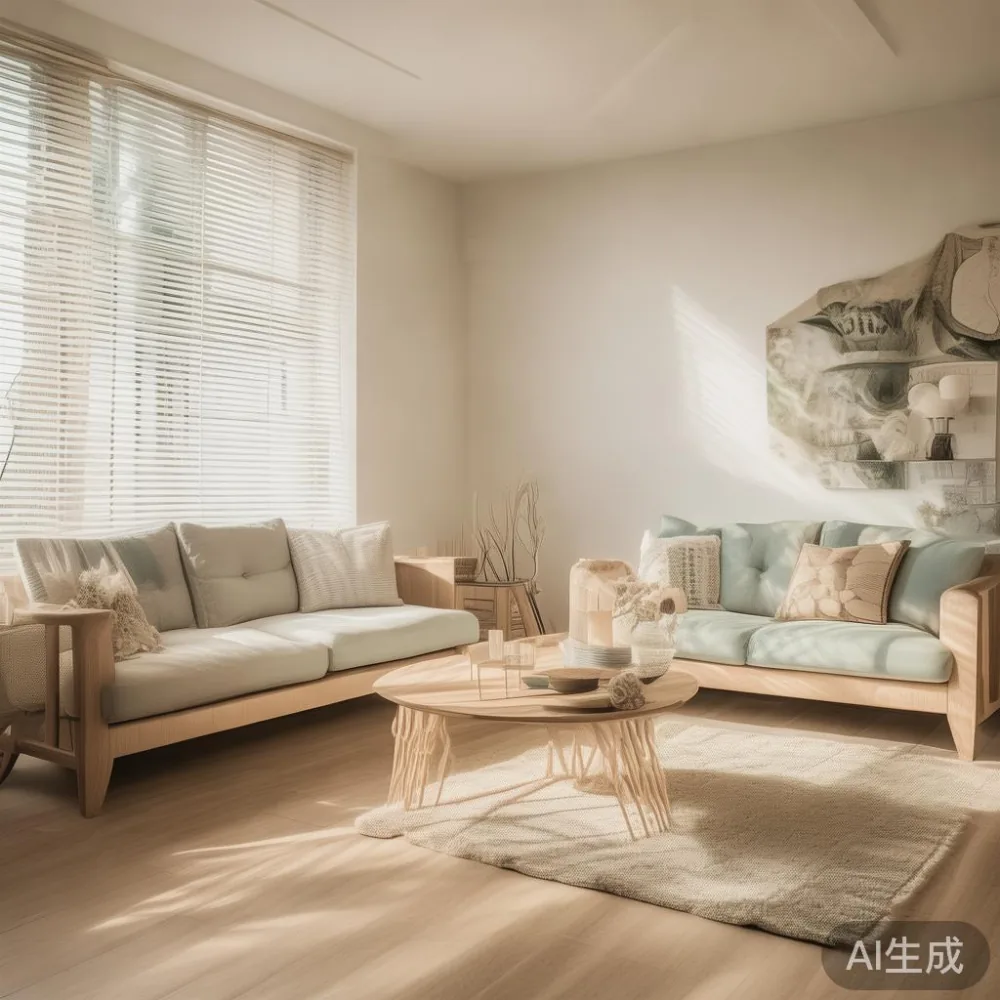
This comparison uses realistic Singapore figures in SGD, including an assumed 9% GST where applicable. It looks at a solid wood sofa, bed frame, dining table, wardrobe, nightstand, and marble table, then compares the same 5-year period. Delivery assumptions use a 60 cm corridor and a 90 cm-wide lift opening; a solid wood dining table in a large carton may need two movers, whereas flat-pack veneer pieces may pass through a standard lift more easily.
Is veneer cheaper than solid wood over 5 years in Singapore?
Veneer is usually cheaper at purchase, but not necessarily over 5 years. For a typical HDB bedroom, suppose a 180 cm-wide wardrobe in a pale oak finish costs SGD 1,180 in veneer and SGD 1,760 in solid rubberwood or ash. After 9% GST, those figures become SGD 1,286 and SGD 1,918. The solid option starts SGD 632 higher, even before delivery or maintenance.
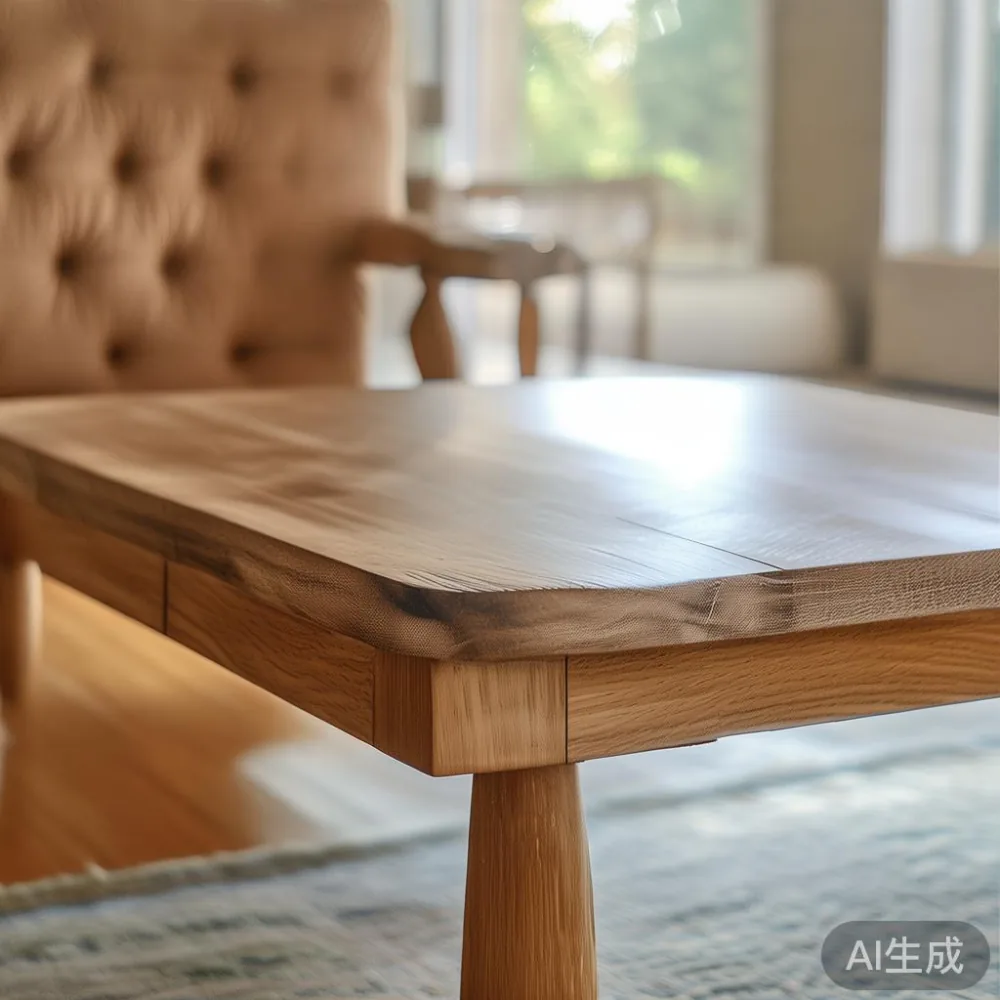
Now consider what happens in daily use. Veneer depends on a printed or laminated surface over a thinner core. Scratches expose the core, peeling edges cannot easily be repaired, and replacement may require a new panel. Solid wood can be sanded and refinished, although the cost of professional work still matters. A small veneer repair might cost SGD 90 to SGD 180, while a solid wardrobe door repair and refinishing might cost SGD 260 to SGD 520. The exact result depends on moisture, cleaning habits, pets, and the furniture’s construction.
A practical comparison for a 3-door, 180 cm wardrobe might look like this:

- Veneer: SGD 1,286 after GST; SGD 90 delivery inside an HDB block; SGD 120 for one edge repair; SGD 70 for replacement hardware; estimated 5-year total of SGD 1,566.
- Solid wood: SGD 1,918 after GST; SGD 160 delivery because the carton is heavier; SGD 300 for one refinishing service; SGD 90 for replacement hardware; estimated 5-year total of SGD 2,468.
The difference is SGD 902 across 5 years, or about SGD 180 per year. If the veneer piece needs a full replacement near year 4, its cost could rise beyond the solid option. If both remain in good condition, the initial saving remains. Cost depends on construction quality rather than a simple label.
I tested this comparison last month with my colleague during a supplier inspection near Foshan. We weighed matching wardrobe panels: a 60 × 120 cm veneered door weighed 4.8 kg, while a comparable solid wood panel weighed 8.6 kg. We also wiped both with a damp cloth for 30 seconds and inspected them under angled light. The veneer showed no immediate stain, but its 1.5 mm decorative layer was visibly thinner than the 18 mm solid board underneath. That physical difference explains much of the long-term repair gap.
How much do a solid wood bed frame and dining table cost over 5 years?
For a 160 × 200 cm queen bed frame, a veneer model might retail for SGD 890 before GST, compared with SGD 1,460 for a solid wood model. A basic mattress is not included because both scenarios use the same SGD 900 mattress. After GST and delivery, the comparison changes:
- Veneer bed frame: SGD 890 before GST, SGD 970 after GST, plus SGD 70 delivery and SGD 100 for one repair; estimated 5-year total of SGD 1,140.
- Solid wood bed frame: SGD 1,460 before GST, SGD 1,591 after GST, plus SGD 130 delivery and SGD 220 for refinishing; estimated 5-year total of SGD 1,941.
The solid wood bed frame costs SGD 801 more across 5 years, or SGD 160 per year. Its structural components, such as a 50 × 70 mm side rail or 60 × 90 mm leg, may tolerate movement and repeated assembly better than particle-board or thin engineered frames, provided the manufacturer uses sound joinery.
A 180 × 90 cm dining table gives a similar pattern. Veneer can be an excellent choice when the budget is fixed, particularly for a compact Tampines flat with a 300 cm dining wall. A 180 cm table still requires about 90 cm of circulation behind each seated person and 60 cm between the table edge and a wall, so measuring before purchase matters.
- Veneer dining table: SGD 1,050 before GST, SGD 1,145 after GST, SGD 110 delivery, and SGD 180 for repairs; estimated 5-year total of SGD 1,435.
- Solid wood dining table: SGD 1,780 before GST, SGD 1,940 after GST, SGD 190 delivery, and SGD 280 for refinishing; estimated 5-year total of SGD 2,410.
Here, veneer is SGD 975 less over 5 years. Solid wood becomes more financially competitive if it can be refinished instead of replaced and remains in the family for another 5 years. A dining table also takes more impact than many people expect: sliding sauce dishes, heat, water rings, and heavy serving bowls affect its top. Using coasters, felt pads, and a stable indoor humidity range around 45% to 65% reduces avoidable damage.
What does a solid wood sofa cost compared with a veneer sofa?
A 220 cm three-seat sofa in a coastal style is harder to move through a 90 cm lift opening if it arrives as one rigid unit. Many sofas are shipped as separate sections, so the packed module, not the assembled width, determines access. A module measuring 68 cm wide can pass through a 90 cm lift, while a 112 cm module may require a turning route through the corridor.
For a fabric-upholstered comparison, the frame material matters more than the fabric. A veneer frame might cost SGD 1,680 before GST, while a solid wood frame might cost SGD 2,780. Add 9% GST, SGD 220 delivery for the heavier solid frame, and an estimated SGD 260 refinishing cost over 5 years. The veneer version carries SGD 150 in repair allowance. The estimated totals are SGD 2,201 for veneer and SGD 3,510 for solid wood, a difference of SGD 1,309.
This does not make the lower-cost sofa poor. A well-made veneer frame with solid wood touch points can work well in a rental flat or a first home. The issue is repairability. Veneer frames may chip around joints, while solid frames can be cleaned, tightened, patched, and refinished. If a family expects to keep the sofa for 10 years rather than 5, the solid wood option spreads its cost more effectively.
Design terminology can also distract from actual construction. In a light luxury sofa vs Nordic sofa comparison, “Nordic” usually describes restrained Scandinavian proportions, while light luxury adds visual softness, pale finishes, and a more crafted appearance. French light luxury may use curved profiles, upholstered details, and a calmer palette. Post-modern light luxury can pair clean lines with warmer materials. None of those labels guarantees solid wood construction, so customers should ask whether the load-bearing frame, legs, rails, and back supports are solid timber or engineered board.
For shoppers studying the best Coastal sofa for 2026, performance details deserve more attention than a trend label. Check the frame warranty, seam construction, cushion density, removable covers, and replacement parts. A coastal style sofa with pale oak tones and loose covers can fit a bright HDB living room, but a fabric that can be cleaned at home is usually more practical than a delicate weave.
How do nightstands and marble tables affect the 5-year total?
A 45 × 40 cm nightstand is a manageable piece for condo corridors and lift lobbies because its small carton usually measures below 65 cm wide. A veneer nightstand might cost SGD 320 before GST, while a solid wood version costs SGD 560. The estimated 5-year totals are SGD 493 and SGD 824 respectively, including delivery, minor repairs, and refinishing.
The marble table requires a different calculation because its stone surface carries a cost that veneer does not. A 90 cm round marble table with a veneer base might cost SGD 720 before GST, while a solid wood base with marble top might cost SGD 980. The marble itself is the same in both scenarios at approximately SGD 420, so the comparison is mainly about the supporting structure.
- Veneer-base marble table: SGD 720 before GST, SGD 785 after GST, SGD 90 delivery, and SGD 150 for one base repair; estimated 5-year total: SGD 1,025.
- Solid wood-base marble table: SGD 980 before GST, SGD 1,068 after GST, SGD 140 delivery, and SGD 180 for refinishing; estimated 5-year total: SGD 1,388.
The solid base adds SGD 363 over 5 years. Marble is durable but brittle at edges, and it can stain if a spill is left on an unsealed surface. Solid wood does not prevent marble damage, yet it gives the table a repairable structural core. Ask for the tabletop thickness, edge treatment, weight, and whether two people must carry it. A 90 cm round marble table can weigh 45 to 65 kg, so a 90 cm lift may be suitable for the carton size but still tight for unloading at the lobby.
Should you buy veneer or solid wood for Singapore humidity?
Neither material is completely immune to Singapore’s climate. Coastal locations such as Bedok face humidity and salt-laden air, while air-conditioned condos create large daily changes in moisture. Solid wood can move as its moisture content changes, so it still needs ventilation and sensible care. Veneer may be less prone to visible expansion because of its layered core, but its adhesive and decorative surface can fail when edges are exposed to moisture.
For a coastal style home, solid wood is often easier to maintain because scratches can be blended during refinishing. Keep indoor relative humidity around 45% to 65%, place furniture away from direct air-conditioning vents, and wipe standing water promptly. Use a damp cloth rather than a soaking one, and avoid oiling marble because it may leave a residue.
Delivery is another material-based cost. A typical solid wood dining table might weigh 58 kg, compared with 31 kg for a veneered table of the same dimensions. A two-mover delivery in Singapore may cost SGD 90 to SGD 180, whereas a one-mover delivery may cost SGD 50 to SGD 100. In a Punggol condo, measure the lift opening, turning radius, door width, and hallway before ordering. Allow 7 to 14 delivery days for a custom solid wood dining table, versus 3 to 7 days for stocked veneer pieces. Longer lead times are not inherently negative, but they should be planned for.
MIDHILL, established in Foshan in 2008 and exporting to more than 15 countries, approaches solid wood as a long-term material choice. Its 10-year structural warranty and lifetime refinishing service can shift the practical value of a solid wood sofa, bed frame, dining table, wardrobe, or nightstand. Free shipping over US$350 applies to qualifying orders, and 14-day returns provide another point of comparison, although local GST and Singapore delivery arrangements should be confirmed. The brand name alone is not proof of quality; buyers should still inspect timber species, joinery, coatings, moisture treatment, and warranty terms.
How do you compare the true cost of veneer and solid wood?
Start with the purchase price, then add 9% GST, delivery, assembly, stair or lift surcharges, protective materials, and expected repairs. Multiply the annual allowance by 5. Add a possible replacement cost only where it is realistic for the product and household, not as a way to manufacture a preferred answer.
For the six products above, the combined estimates are:
- Veneer scenario: approximately SGD 8,862 over 5 years.
- Solid wood scenario: approximately SGD 12,541 over 5 years.
- Difference: approximately SGD 3,679, or SGD 736 per year.
The figures exclude mattresses, loose cushions, lamps, décor, and major renovation work. They use one minor repair allowance for each product and a realistic labor rate. If the veneer wardrobe is replaced during year 4, the veneer total would rise by roughly SGD 1,286 before removing its original repair allowance, bringing it close to the solid wood scenario. If the solid wood furniture can be refinished and resold after 5 years, its retained value may narrow the gap further.
Space planning can save more than material discounts. A compact Japanese bed can free 18 to 30 sqm in a small room, while a low-profile solid wood frame helps create visual calm. Searching for how to style Japanese bed in room ideas can also reveal useful clearance rules. For apartment layouts, how to style Japandi bed in apartment searches often lead to slatted bases, low profiles, and restrained bedding. Similar guidance on how to style Japanese sofa in room layouts points toward simple modules and measured spacing rather than oversized furniture.
For tables and seating, searching for a MIDHILL coffee table review can expose useful details about finish wear, edge construction, and delivery preparation. A coffee table measuring 110 × 55 cm needs 75 to 90 cm from the front of a sofa, and its carton should be checked against the lift door. In coastal style interiors, pale timber, light upholstery, and a restrained accent color can keep a compact flat from feeling crowded.
Which material offers better long-term value for your home?
Veneer wins when the priority is a controlled budget, short ownership period, and simple access to a home. It may also suit a Bedok rental flat where the resident expects to move after 2 years. Solid wood becomes more compelling for a family keeping furniture beyond 5 years, especially when scratches, moving children, humid weather, and frequent use make surface repair important.
For a solid wood bed frame or dining table, ask for the timber species, board dimensions, moisture treatment, joinery, and finish type. For a wardrobe, inspect how panels, doors, runners, and back boards connect. For a sofa, separate the frame specification from cushion and fabric claims. For a marble table, request the exact stone thickness and handling instructions. No material removes the need for sensible care, but it can determine whether a small mark becomes a replacement or a refinishing job.
The most useful decision is not whether solid wood is always more economical. It is whether the 5-year figures match the way your household will use the piece. Compare the final invoice, not only the showroom price. Confirm delivery days, lift access, return terms, warranty coverage, and refinishing charges. In many coastal style homes, a carefully selected solid wood piece costs more initially and less attention over time; in others, well-made veneer remains the sensible financial choice.