Living with Wood in Singapore's Humidity: A Coastal Style Guide
Singapore, with its year-round high humidity and warm temperatures, presents a unique challenge for homeowners who appreciate the natural beauty of solid wood furniture. The constant moisture in the air can cause wood to expand, contract, warp, or even crack if not properly cared for. For those living in HDB flats in Tampines or Bedok, or modern condos in Punggol, where space is often at a premium and the climate is relentless, understanding how to protect your investment is key. This guide explores the science behind humidity's effect on wood and provides practical advice on choosing and maintaining furniture that not only withstands the elements but also enhances your home with a coastal style aesthetic.
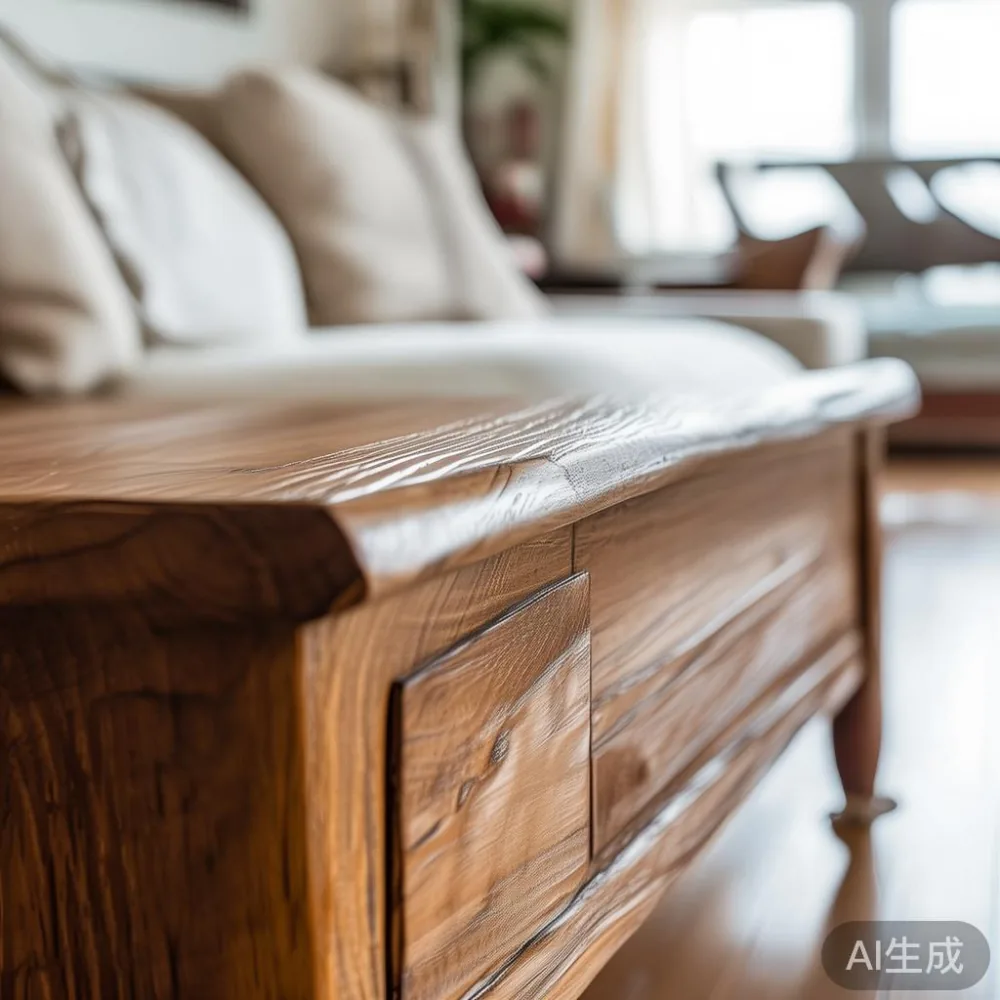
Why Does Humidity Affect Solid Wood Furniture So Much?
Wood is a hygroscopic material, which means it naturally absorbs and releases moisture from the surrounding environment. In Singapore, the average relative humidity hovers between 70% and 90%, a level that is significantly higher than the ideal 40-60% for wood furniture. When the humidity is high, wood absorbs moisture, causing its fibers to swell. This expansion can lead to doors in your wardrobe becoming sticky, drawers sticking in their frames, or tabletops developing a slight raised grain. Conversely, during drier periods, though less common in Singapore, the wood releases moisture and contracts, potentially causing gaps between planks or even cracking if the process is too extreme.
This natural movement is not a defect; it's a characteristic of solid wood. The issue arises when this movement is restricted or uneven. For example, a solid wood dining table that is not properly acclimated to your home's environment or has a finish that traps moisture can suffer from warping. The key to preventing damage lies in selecting furniture made from stable hardwoods and ensuring it has a high-quality finish that protects the wood from moisture absorption without completely stifling its natural ability to 'breathe'.
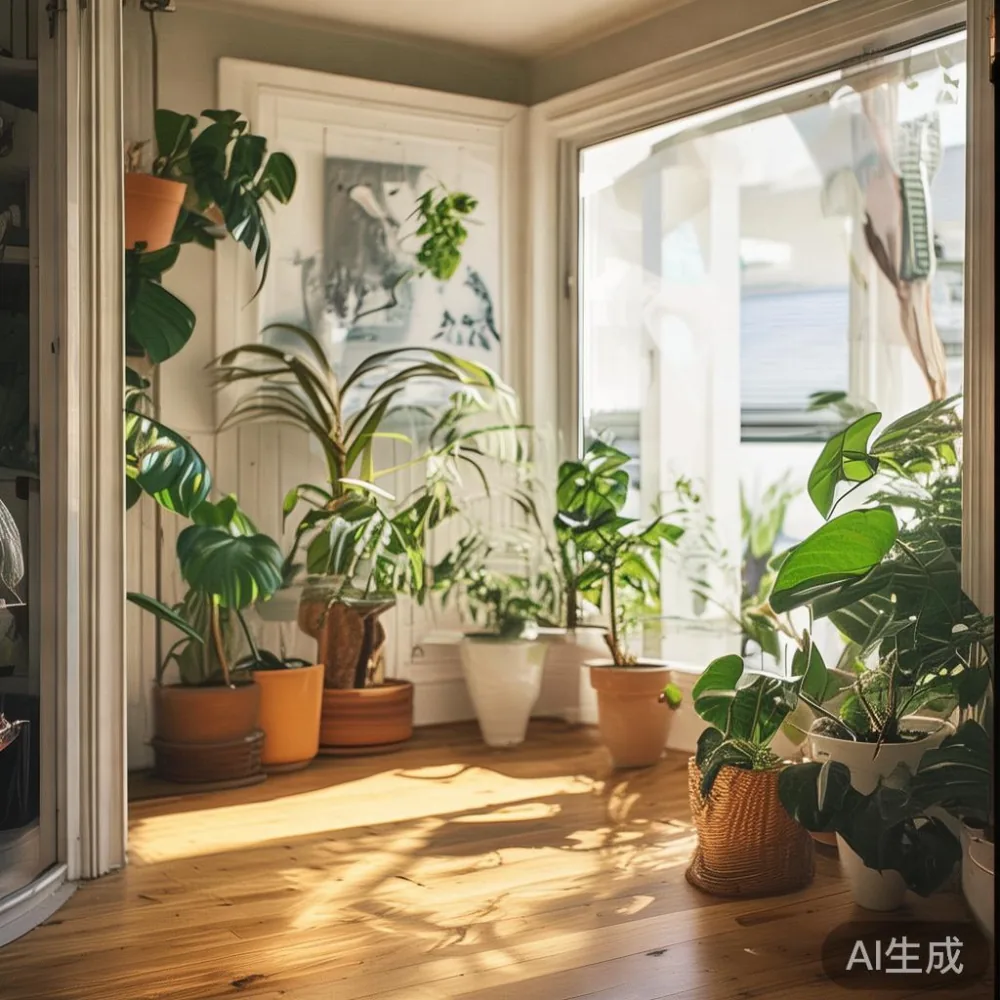
How to Choose the Right Wood for Singapore's Climate
Not all woods are created equal for humidity resistance. For Singaporean homes, certain species are far more suitable than others. Teak, for instance, is a premier choice. It is rich in natural oils that act as a water repellent, making it highly resistant to swelling and warping. Similarly, Acacia wood is known for its dense grain and natural durability. Mango wood, popular for its unique grain patterns and sustainable sourcing, also performs well in humid conditions due to its density. When shopping for a bed frame or a nightstand, asking about the specific wood type is a practical step.
Engineered wood products like MDF (Medium-Density Fiberboard) or particleboard are generally less suitable for high-humidity areas. These materials are made from wood fibers and resin binders, and they are prone to swelling and disintegration when exposed to moisture. A solid wood wardrobe, even if it costs more upfront, will last significantly longer in a Singaporean apartment than an MDF alternative. The initial investment in a quality piece of solid wood furniture, like a European light luxury sofa or a French provincial with storage, pays off in longevity and resilience, saving you the cost of replacement in the long run.
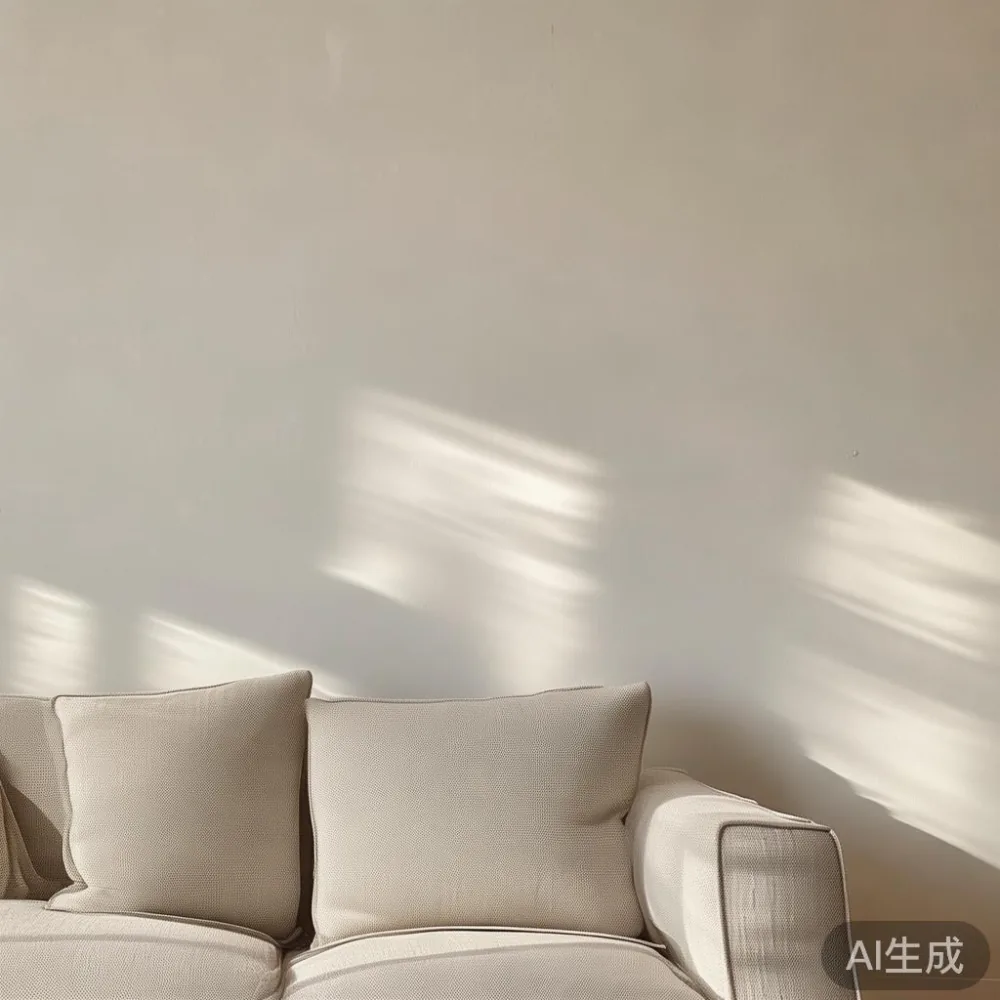
What About My HDB Flat? Practical Considerations for Singaporean Homes
The layout of Singapore's public housing presents specific considerations. Many HDB flats, especially older ones in areas like Tampines and Bedok, have lift lobbies and corridors that are less than 1.5 meters wide. This means that large furniture items like a solid wood dining table or a wardrobe must be assembled inside the apartment. When you order a MIDHILL dining table, it often arrives in flat-pack components precisely for this reason. This is also a important factor for returns; a 14-day return policy is only practical if the item can be disassembled and moved out easily.
The placement of furniture within your home also matters. Avoid placing solid wood beds or nightstands directly against external walls, as these walls can be cooler and may experience more condensation. Similarly, do not position furniture directly in front of air-conditioning vents, as the rapid, concentrated dehumidification can cause one side of the wood to dry out much faster than the other, leading to warping. A good practice is to leave a small gap of about 2-3 cm between the back of a cabinet and the wall to allow for air circulation.
How to Care for Your Solid Wood Furniture in a Humid Climate
Maintenance is the cornerstone of preserving your furniture's beauty and structural integrity. Regular dusting with a soft, dry cloth is the simplest yet most effective step. Dust particles can act like an abrasive, scratching the wood's surface over time. For deeper cleaning, use a slightly damp cloth followed immediately by a dry one. Never let water sit on the wood surface.
Applying a high-quality furniture polish or wax every 3-6 months creates a protective barrier that helps regulate moisture exchange. It's important to choose a product that is appropriate for your furniture's finish. For example, a paste wax offers excellent protection but requires more buffing, whereas a liquid polish is easier to apply. My colleague recently tested this on her teak dining table; she applied a beeswax polish every four months, and after two years, the table's finish remained smooth and showed no signs of warping, even during the monsoon season. This simple routine, combined with placing a small dehumidifier in the wardrobe, can significantly extend the life of your solid wood pieces.
Can a European Light Luxury Sofa Really Work in Singapore?
Absolutely. The key is to choose a sofa upholstered in performance fabrics rather than traditional materials like velvet or chenille. Many modern European light luxury sofas are available with fabrics that are stain-resistant, moisture-wicking, and easy to clean. These technical textiles maintain the sophisticated look of light luxury while being practical for everyday use in a humid climate. When selecting a sofa, ask about the fabric's composition and care instructions.
For a truly versatile piece, consider a European sofa bed with storage. This is an excellent option for smaller apartments in Punggong or condos where space is multifunctional. The storage compartment can hold bedding or seasonal items, keeping your living area uncluttered. A well-constructed sofa bed mechanism is made from metal or high-density plastic, which is not affected by humidity, ensuring smooth operation for years. The solid wood frame, such as one made from oak or walnut, will be stable and durable, providing a sturdy foundation that complements the light luxury aesthetic without being overwhelmed by the environment.
How to Style a Coastal Style Wardrobe in a Singapore Apartment?
Coastal style is all about creating a light, airy, and relaxed atmosphere that evokes the feeling of a beachside home. This aesthetic pairs beautifully with solid wood furniture. For a wardrobe, the best approach is to choose a piece with a light wood finish, such as ash or a whitewashed oak. This reflects light and makes a room feel larger and more open. The design should be simple and uncluttered, avoiding ornate carvings that can trap dust.
Styling your wardrobe is just as important as choosing it. Use woven baskets on the top shelf for a natural, textural element. Keep the wardrobe's interior organized with matching wooden or fabric drawer dividers. You can enhance the coastal feel by adding small touches like a seashell-shaped drawer pull or a piece of driftwood art placed on top. The goal is to create a harmonious space where the furniture feels like a natural, calming part of the environment. This approach to styling a European light luxury wardrobe in an apartment ensures it is both functional and a beautiful expression of your personal style.
What is the Long-Term Value of a Solid Wood Investment?
While the initial price tag for a solid wood dining table or a French provincial with storage might be higher than that of a mass-produced alternative, the long-term value is undeniable. Solid wood furniture is an investment. Unlike cheaper options that may need to be replaced within 5-10 years, a well-made piece can last for decades. This longevity is supported by warranties like the 10-year structural warranty offered by some manufacturers, which provides peace of mind against defects in craftsmanship.
Also, solid wood furniture can be refinished. If the surface becomes scratched or the colour fades over time, a professional can sand it down and apply a new finish, effectively restoring it to its original condition. This process is often covered under a lifetime refinishing policy. This means your furniture can evolve with your style, making it a more sustainable and economical choice over its lifespan. For a hotel project, choosing Mid-century modern for hotel furniture is a smart decision because of its timeless appeal and durability, ensuring the investment holds its value for years to come.
Understanding the True Cost: Price, GST, and Value
When budgeting for furniture, it's important to look beyond the sticker price. The final cost in Singapore includes 9% Goods and Services Tax (GST). A solid wood bed frame listed at SGD 2,000 will actually cost SGD 2,180 at checkout. However, consider the value you are receiving. A high-quality piece often comes with free shipping over SGD 350, which can save you a significant amount, especially for large items like a dining table that might otherwise cost SGD 150 or more for delivery. A 14-day return policy also mitigates the risk of your purchase not fitting your space or style.
Compare this to a cheaper, lower-quality item. An engineered wood wardrobe might cost SGD 800, but if it warps and needs to be replaced in 5 years, the total cost over ten years becomes SGD 1,600 (plus GST twice). A solid wood wardrobe at SGD 2,500, with its potential to last 30 years and be refinished, offers a much better return on investment. The decision to invest in quality is a financial one as much as it is an aesthetic one. The best European light luxury bed for 2026 will be one that balances exquisite design with the practical resilience needed for Singapore's climate.
European Light Luxury Sofa vs. Nordic Sofa: Which is Better for Humidity?
The choice between a European light luxury sofa and a Nordic sofa often comes down to aesthetic preference, but both can be suitable for Singapore's climate when chosen correctly. European light luxury typically features richer materials, deeper colours, and more sculptural forms. A European light luxury sofa might use darker woods like walnut or have more intricate detailing. When selecting one, focus on the upholstery and the wood's finish. Performance fabrics are a must, and the wood should have a durable, moisture-resistant lacquer or oil finish.
Nordic design, on the other hand, emphasizes light woods, clean lines, and functionality. A Nordic sofa is often made from light-coloured woods like birch or beech and features minimalist forms. This aesthetic aligns perfectly with the coastal style ethos. The light wood reflects the bright, airy feel of a coastal home. Both styles can be made to withstand humidity. The European light luxury sofa vs Nordic sofa debate is less about climate suitability and more about the atmosphere you want to create in your living room. The key is to ensure that whichever style you choose, the materials are appropriate for a humid environment.
Conclusion: Embracing Wood in the Humid Tropics
Living with solid wood furniture in Singapore's humid climate is entirely achievable with the right knowledge and care. By choosing stable hardwoods, ensuring quality finishes, and maintaining a simple cleaning routine, you can enjoy the warmth and character of wood for many years. The coastal style, with its emphasis on light, natural materials, is a perfect aesthetic for Singaporean homes, creating spaces that are both beautiful and resilient to the environment.
Whether you are furnishing a new condo in Punggol or refreshing your HDB flat in Bedok, investing in well-crafted pieces like a solid wood dining table or a European light luxury sofa is a decision you will not regret. These items become more than just furniture; they become part of your home's story, enduring the seasons and changing with you. The natural movement of wood is a reminder of the living, breathing nature of your home, connecting you to the materials in a way that mass-produced items never could.