How to Style a Small Apartment with Coastal Style Furniture
A small HDB flat or condo in Tampines, Bedok, or Punggol does not need to feel compressed. With measured furniture, pale finishes, and a disciplined floor plan, coastal style can make a room feel brighter, calmer, and more generous. The approach is less about filling every wall and more about preserving circulation, sightlines, and breathing space.
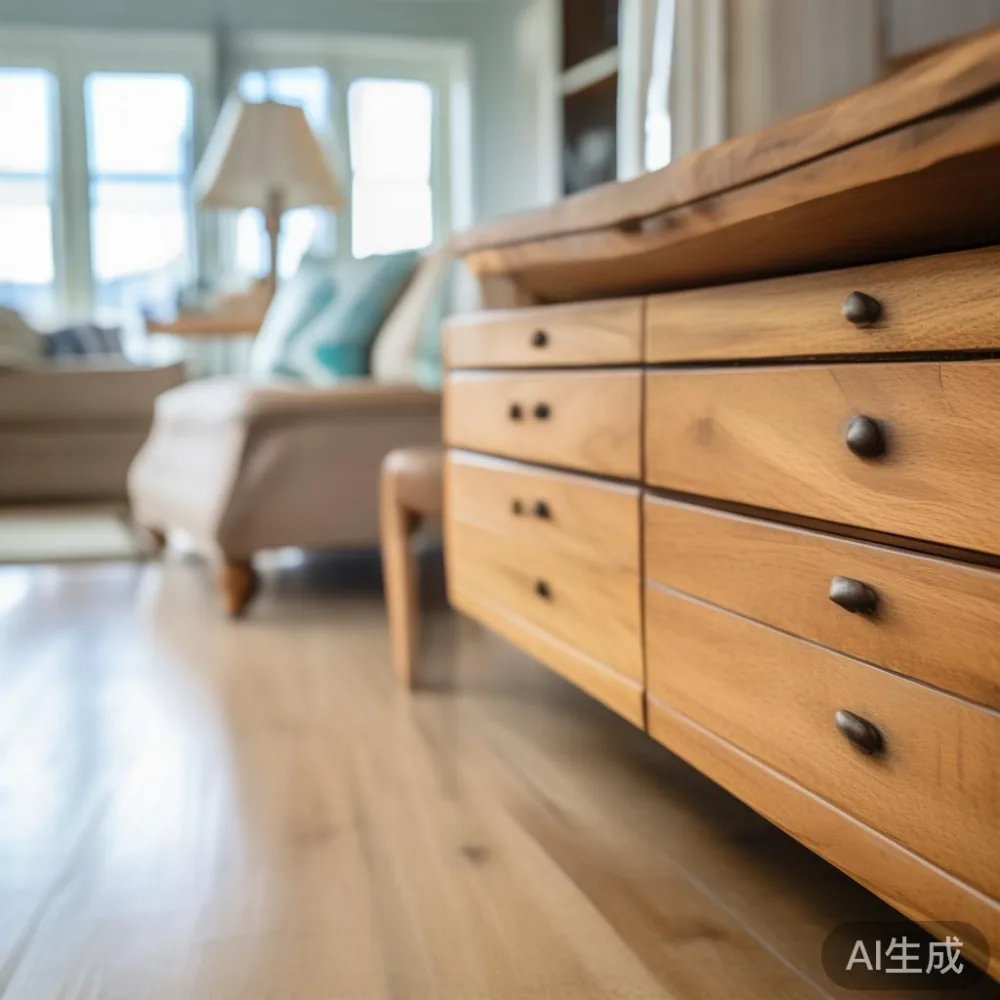
This guide uses typical Singapore home dimensions, from 280 cm-wide lift doors to 120 cm-wide corridors, while keeping furniture budgets and delivery realities in SGD. MIDHILL has built solid wood furniture since 2008, exports to more than 15 countries, and backs its frames with a 10-year structural warranty. Its lifetime refinishing service also makes pale timber a practical long-term choice for coastal interiors.
How do you make a small Singapore apartment feel larger without buying less?
The main move is to reduce visual weight, not reduce your standards. Choose furniture that sits low, keeps legs visible, and leaves at least 60–75 cm between the front edge of a sofa and the next table. In a compact HDB living room, a 180–210 cm solid wood sofa can seat 2–3 people without blocking the television wall. A 220 cm sofa is more suitable for a larger living room where the clearance behind it remains at least 90 cm.

Light colours help because pale oak, warm white, muted blue, and soft sand reflect daylight. Avoid a wall of similarly dark objects, as their visual mass can make the room feel smaller. A round dining table with a diameter of 90–110 cm often creates more usable space than a rectangular 140 cm table because it softens movement around the edges.
Measure before ordering, including the route from the lift. A package may fit through a 90 cm doorway but still be difficult to angle around a narrow corridor. Give the delivery team the block, floor, and unit details, and confirm whether the furniture is delivered assembled or flat-packed. Singapore delivery commonly takes 5–10 working days for standard items, while made-to-order pieces can require 6–10 weeks.
What is the 60 cm rule for a coastal style living room?
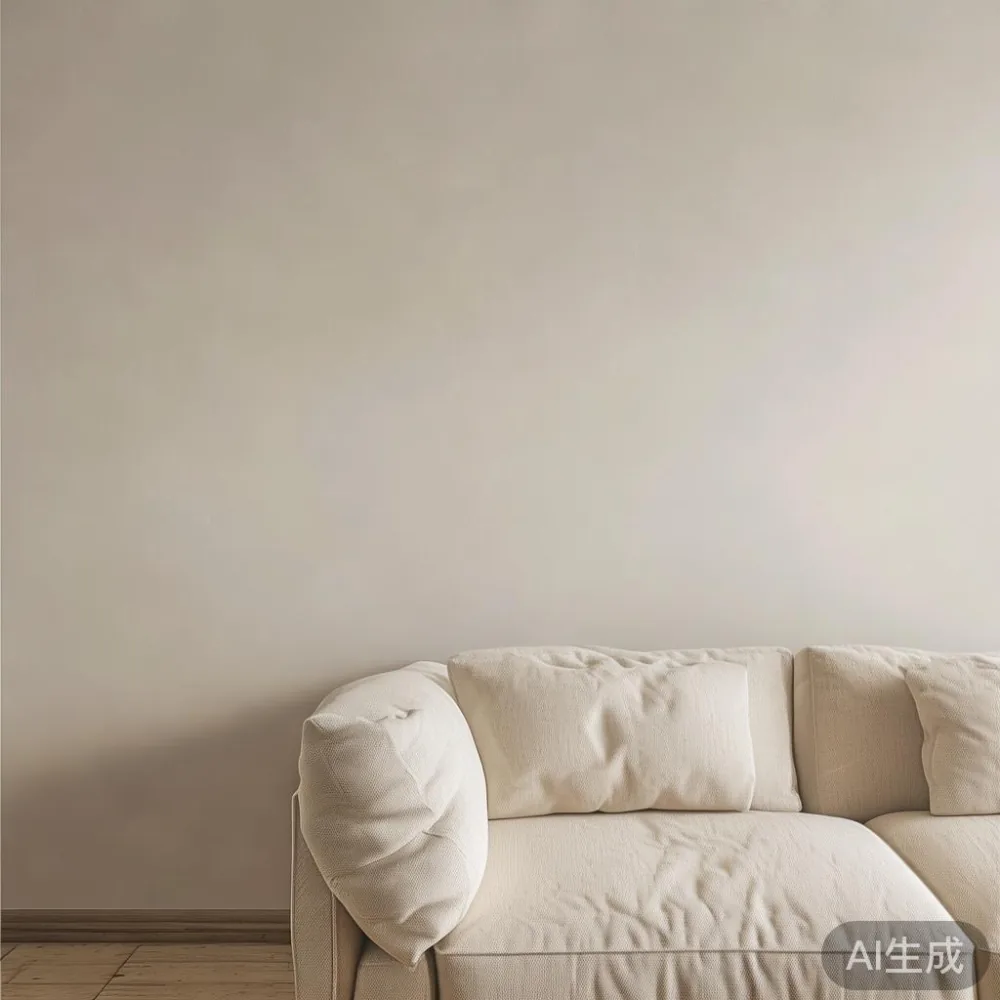
Use 60 cm as a practical minimum for main circulation paths and 75–90 cm where people pass behind a seated guest. The exact standard is less important than the movement pattern. A 42 cm-deep solid wood sofa placed against the long wall preserves space better than a 95 cm-deep version. Keep another 30–45 cm between the sofa arm and the wall where possible, or use a slim 5–7 cm console to create a breathing gap.
For a dining zone, allow 75–90 cm between the table edge and a wall or sideboard. A 90 cm round dining table works well in a 2.7 m by 3.2 m dining corner, particularly when chairs can be tucked in beneath the table. Select a compact dining table with an extendable leaf if you entertain often; this avoids using 4 extra seats as permanent visual clutter.
Coastal style works through proportion, texture, and colour rather than nautical decorations. I tested this approach last month in a Bedok condo with a 3.6 m by 4.2 m living room. My colleague placed a 195 cm three-seat solid wood sofa against the window wall, a 95 cm circular marble table in the centre, and two 38 cm-wide nightstands in the bedroom. The result felt more relaxed than an overstuffed arrangement, while the 90 cm passage between the table and kitchen remained clear.
Use lightweight curtains ending 1–2 cm above the floor. They make the window appear taller and are easier to coordinate than heavy drapes. Keep the rug at least 20 cm beyond the sofa on both sides if the room allows; a rug tucked too far underneath can make the seating group look smaller.
Should I use French light luxury or Japanese-inspired furniture in a small flat?
French light luxury can bring soft upholstery, curved edges, and refined details into a compact home. Search for a french light luxury sofa with a depth below 90 cm and a width no greater than 210 cm. Pale linen, boucle, or washed fabric in oatmeal and mist blue reflects the light-luxury mood without requiring a large room. One statement sofa, a small marble table, and restrained lighting can provide enough character.
Japanese-inspired pieces suit the same limitation with a different visual language. If you are considering how to style Japanese bed in room layouts, a low-profile bed frame with a 25–35 cm total height can preserve the sense of floor area better than a tall sleigh bed. Keep 60 cm beside one side of the bed and 90 cm at the foot where the wardrobe or nightstand sits. Avoid placing the headboard directly opposite a doorway if the room is less than 3 m wide.
The same principle applies when learning how to style Japanese bed in room plans for an HDB bedroom: use sliding storage, closed-front cabinets, and a simple palette of white, light oak, and muted green. A 150 cm bed frame is comfortable for one person, while a 180 cm bed frame fits two people in a bedroom approximately 3 m wide or larger.
Japandi and Japanese references can also work in the living area. If you are searching for guidance on how to style Japandi sofa in bedroom, use a compact 160–180 cm loveseat with a low back, provided the room still has 70 cm of passage around it. Pair it with a narrow side table rather than a large coffee table. The restraint supports the clean lines typical of Japanese and post-modern light luxury design.
Can a small bedroom use a wardrobe without feeling crowded?
Yes, if the wardrobe is treated as part of the room architecture. A full-height unit in matte white can visually merge with the wall, while a pale oak finish adds warmth. The best Minimalist wardrobe for 2026 is likely one with adjustable shelving, closed doors, and internal fittings tailored to the actual contents rather than a standard open arrangement. Measure hanging space, drawers, and folded-item storage before choosing the external size.
For a typical HDB bedroom of 9–12 sqm, a 150 cm-wide wardrobe may provide enough capacity for daily clothing, while a 180 cm unit can handle larger wardrobes or shared storage. Keep 60–75 cm in front of sliding doors. Hinged wardrobes need more clearance to open, so they are less convenient beside a bed in a narrow room.
When comparing a MIDHILL wardrobe with ready-made modular units, check the construction and moving method. A solid wood frame may weigh 70–120 kg, so delivery should be scheduled when the lift is available. Confirm the assembled dimensions, the corridor turning radius, and whether the unit is split into 2–3 sections. This avoids the common problem of discovering that the packed box fits the lift but the assembled frame cannot enter the bedroom.
How do you keep a small dining area open and practical?
Start with the openable space rather than the table size. In a dining room with 2.4–2.7 m of width, a 90–110 cm round dining table is usually comfortable. At least 4 chairs can fit around it, with 60–75 cm between each occupied chair and the wall. A 75 cm-high table with a 70–75 cm-wide chair works well for Singapore apartments, while a 120 cm table leaves too little clearance in many HDB dining rooms.
Choose a pale solid wood dining table with visible grain and simple legs. A rectangular table should have at least 10 cm between the table edge and nearby furniture where no chair is placed. Where space is tighter, a round dining table with a pedestal base removes the obstruction created by corner legs and makes it easier to move chairs.
Limit the number of freestanding objects. One pendant light centred over the table, a slim 120–150 cm sideboard, and a single vase or bowl are enough. A marble table can work as a compact side or coffee table, but its reflective surface should not compete with a patterned rug. Use a 35–45 cm diameter round marble table beside a sofa if circulation remains clear.
Light-luxury furniture often succeeds through finish consistency rather than quantity. For a home office, explore French provincial for office ideas in a controlled way: one pale desk, one upholstered chair, and matching storage can create a calm workspace. A desk measuring 120–140 cm by 55–65 cm is adequate for a laptop and monitor; place it against the longest wall and keep the chair zone at least 75 cm deep.
What should a nightstand add to a coastal style bedroom?
A nightstand should support the bed, not float in the remaining space. In a 3 m-wide bedroom with a 180 cm bed, 30–35 cm remains on each side before accounting for walls and wardrobe doors. A nightstand measuring 35–45 cm wide and 35–45 cm deep may fit, while 50 cm units can feel oversized in a narrow HDB room.
Keep the top surface limited to 2–3 daily items. A 15–20 cm table lamp, a book, and a charging point are enough. Use closed storage if the area around the bed is especially constrained. Matching nightstands create order, but mismatched sizes may work better when the bed is not centred. The correct choice depends on the clearances, not on a fixed decorating rule.
For coastal style, combine pale timber with woven baskets, white ceramics, and soft blue or green textiles. Use a duvet in warm white and add one accent cushion rather than several competing prints. If the bedroom receives little natural light, choose a slightly warmer sand tone than a cool blue-grey, which can look flat under warmer ceiling bulbs.
The goal is to create distinct zones with the minimum number of objects. A 90 cm bedside table can double as a small work surface, but a 35 cm unit is easier to pass. Keep 45–60 cm between an open nightstand drawer and the bed frame, and leave 75 cm beside the nightstand where the main walkway continues.
How do Singapore lift and corridor limits affect furniture delivery?
Delivery planning is part of room planning. Many HDB lift doors measure roughly 80–90 cm wide and 200–210 cm high, while some condo service lifts are larger. Corridors can be around 120–150 cm wide, with right-angle turns that make long furniture difficult to manoeuvre. Record the narrowest point, the door width, the lift dimensions, and the distance from the lift to the unit.
For a bed frame, compare the packed size with the lift interior, not only the assembled dimensions. A queen bed may be delivered in 2–3 cartons, each weighing 25–45 kg. A long dining table can be separated into a top and base, while a wardrobe may arrive as vertical panels. Ask the supplier whether installation is included and whether packaging can be removed at the door.
Budget roughly SGD 40–120 for standard Singapore delivery to a non-freight elevator, with extra charges possible for carrying up stairs or using a crane. A surcharge may also apply to remote locations such as Punggol estates with restricted access. MIDHILL offers free shipping on orders above US$350, though the local checkout should confirm the final SGD amount, GST treatment, and delivery charge before payment.
Allow 5–10 working days for standard stock and 6–10 weeks for made-to-order furniture. If the order is customized, photograph the lift and corridor before production. A 2 cm measurement error can matter in a 75 cm passage, particularly beside a hinged wardrobe or dining chair.
Which pieces should you buy first in a small apartment?
Buy the largest functional items first: the solid wood sofa, bed frame, dining table, and wardrobe. Their dimensions determine every later decision. Add a nightstand, a small marble table, and lighting after the circulation routes are established. This sequence prevents a visually attractive chair or side table from occupying the only practical path through the room.
A useful starter set for a 3.6 m by 4.2 m living room might include a 195 cm solid wood sofa, a 90 cm round marble table, a 160–180 cm low-profile console, and one 40 cm side table. The total footprint should preserve 90 cm between the sofa and dining zone and 75 cm in the main path. Keep the palette to 3 main colours, such as white, pale oak, and muted blue.
Quality can be judged through details that remain useful after the first photograph: drawer movement, joinery, finish stability, and the ease of replacing a damaged component. MIDHILL's 10-year structural warranty and lifetime refinishing policy support that longer-term approach. Its solid wood sofa, bed frame, dining table, wardrobe, and nightstand range also fits the restrained material language associated with coastal style.
Keep returns practical with a 14-day return period, but confirm the condition requirements before ordering. Solid wood may vary in grain and tone, so compare natural markings with the reference photos rather than expecting every panel to look identical. Measure again on delivery day, especially if the building's access route has changed.
What lighting and finishes make coastal style feel airy rather than empty?
Coastal style needs controlled layers of light. Use a ceiling fixture for general illumination, a reading lamp near the sofa, and a 30–45 cm table lamp on the nightstand. Warm white light around 2700–3000K suits pale timber and creates a softer atmosphere than cool clinical light. A dimmer costing SGD 25–80 can help the same room serve work, dinner, and evening use without adding floor lamps.
Curtains, rugs, and cushions provide softness, but each needs a restrained proportion. A 160 × 230 cm rug can define a compact seating area, while a 140 × 200 cm rug suits a smaller arrangement. Keep the rug's pattern simple, or use a textured weave rather than a busy coastal print. This prevents the room from becoming visually crowded.
On the material side, matte and lightly brushed finishes generally appear calmer than high-gloss surfaces. Pale oak can balance white walls and blue-grey textiles, while warmer ash tones work with sand-coloured upholstery. Use 1 reflective surface, such as a marble table or framed mirror, rather than several. A 40–60 cm-wide mirror placed safely above a console can extend the apparent sightline without changing the architecture.
A compact apartment feels successful when each object has enough space around it. Preserve 60 cm along primary routes, 75–90 cm for seated areas, and no more than 3 dominant colours in one room. Coastal style then becomes a method for making small Singapore spaces brighter and calmer, rather than a collection of decorative objects. The furniture remains useful, the delivery route is planned, and every purchase earns its place.