Finding the Perfect Fit: A Guide to Choosing the Right Size for Your Singapore HDB Living Room
The living room is the heart of the home, a space for family gatherings, quiet evenings, and entertaining friends. In a Singapore HDB flat, where every square centimeter counts, choosing the right-sized furniture is not just about aesthetics; it's a practical necessity. A sofa that is too large can dominate the space, making movement awkward, while a set that is too small can leave the room feeling sparse and uninviting. This guide will walk you through the process of measuring, planning, and selecting furniture that creates a balanced and functional coastal-style living room, whether you're in a 4-room flat in Tampines or a new Build-to-Order (BTO) unit in Punggol.
Understanding Your HDB Living Room Dimensions
The first step is to know your space. Standard Singapore HDB living rooms vary in size depending on the flat type. A 4-room flat typically has a living room measuring approximately 4.2 meters by 4.8 meters (420cm x 480cm), providing about 20.16 square meters of floor area. A 5-room flat offers more space, with dimensions often around 5.0 meters by 5.2 meters (500cm x 520cm), giving you approximately 26 square meters to work with. Condos, while offering more room, often have similar layouts, so the same principles apply.
When measuring, don't just consider the open floor space. Account for permanent fixtures like the main door, which is typically 80-90cm wide, and the corridor leading to other rooms. The width of these corridors is critical for maneuvering furniture during delivery. In older estates like Bedok, corridors can be as narrow as 1.2 meters (120cm), which dictates the maximum width of any large item you can bring into your home. Always measure the clear width of your lift and the path from the lift to your apartment door. A large marble table that is 180cm wide will not fit through a standard 110cm-wide lift.

How Much Space Should You Leave for Walking?
A common mistake is to fill every available corner with furniture. A comfortable and safe living room requires clear pathways for movement. Interior designers generally recommend maintaining a primary walkway of at least 80cm (80 centimeters) to 100cm (100 centimeters). This allows people to move through the room without feeling cramped or having to squeeze past furniture. Secondary paths, between a sofa and a coffee table for example, should be no less than 45cm (45 centimeters).
To visualize this, use painter's tape on your floor to outline the dimensions of your potential sofa, coffee table, and TV console. This simple exercise gives you a tangible sense of the space the furniture will occupy and helps you see where the walking paths are. This practice is especially useful for planning a coastal-style living room, where a sense of airiness and openness is key to achieving the right aesthetic.
Choosing the Right-Sized Sofa for Your Space
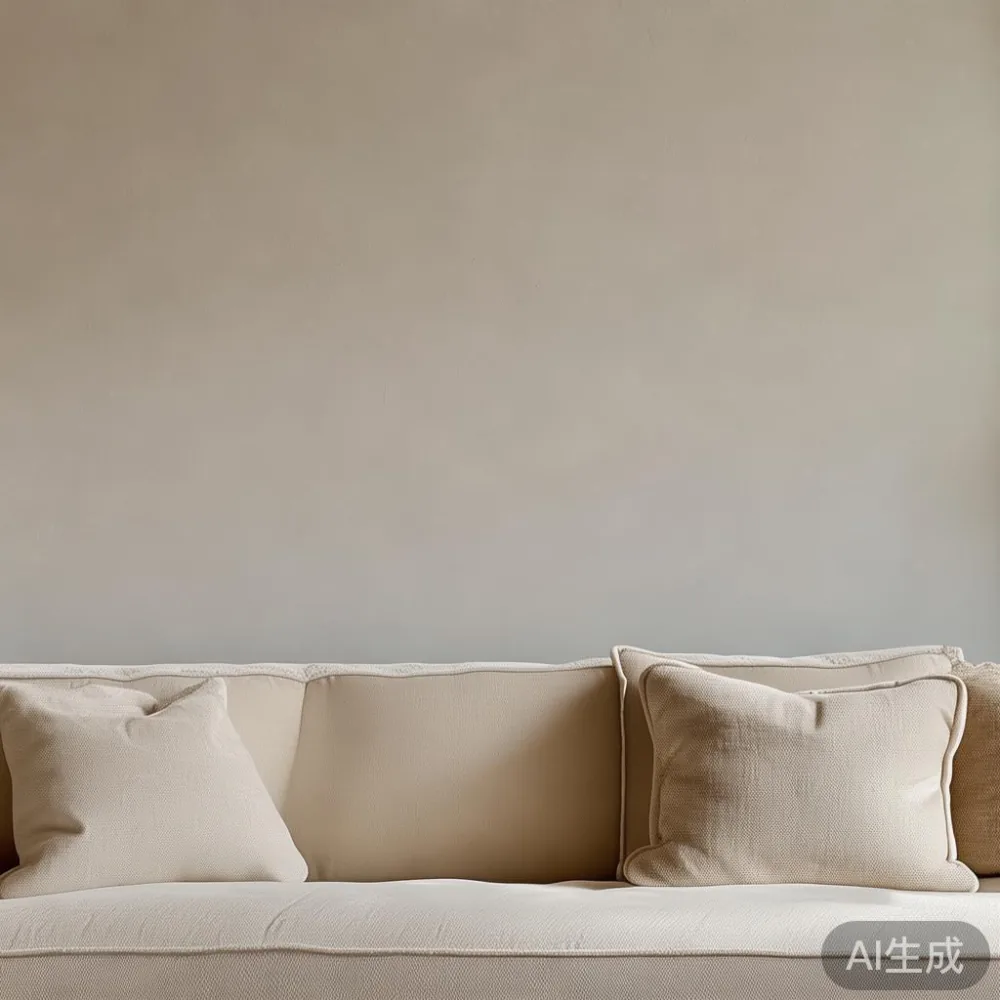
The sofa is often the largest and most significant piece of furniture in a living room. Its size sets the tone for the entire space. For a standard HDB living room, a 3-seater sofa is a popular and versatile choice. A typical 3-seater measures around 180cm to 210cm in length (180cm - 210cm) and 85cm to 95cm in depth (85cm - 95cm). This provides ample seating without overwhelming a 4-room flat's living area. If you have a larger 5-room living space or a condo, a 3-seater combined with a 2-seater or a pair of armchairs can create a more dynamic and sociable arrangement.
Don't forget to measure the height of your sofa, especially if you have low windows. A standard sofa is about 85cm (85 centimeters) tall. Consider the depth carefully; a deeper sofa offers a more lounging experience but protrudes further into the room, which can be an issue in smaller spaces. For a coastal-style look, a solid wood sofa with light, linen-like upholstery can provide both durability and a relaxed, airy feel. Last month, I visited a client in a Tampines BTO unit who had purchased a European light luxury sofa that was 220cm long. It was stunning, but it left only 60cm of walking space behind it, making the room feel cramped. The lesson was clear: measure twice, buy once.
What About the Coffee Table and TV Console?
Once your sofa is placed, the coffee table and TV console are the next pieces to consider. The golden rule for a coffee table is that it should be about two-thirds the length of your sofa. For a 180cm sofa, a coffee table around 120cm long is a good proportion. The height should be roughly the same as the sofa's seat height, which is typically 45cm (45 centimeters), making it easy to reach for a drink or a book. The distance between the sofa and the coffee table should be about 40cm (40 centimeters) to 45cm (45 centimeters) to allow for comfortable leg room.
The TV console's width is typically determined by the size of your television. A good guideline is that the console should be at least 15cm to 30cm wider (15cm - 30cm) than the TV itself to create a balanced look. For example, a 65-inch TV, which is about 145cm wide, would look best on a console that is 160cm to 180cm wide. The height of the console is also important; it should allow the TV screen to be at eye level when seated, which is usually around 100cm to 120cm from the floor (100cm - 120cm). A low-slung console made of light wood or with a marble top can enhance the breezy, open feel of a coastal-style interior.
How Do You Fit a Dining Area into a Combined Living and Dining Space?
In many HDBs, especially 4-room and 5-room flats, the living room and dining area are part of a single, open-plan space. This requires careful planning to ensure both zones are functional and distinct. A dining table for a family of four typically measures 140cm by 80cm (140cm x 80cm). To ensure comfortable seating, you need to allow for at least 70cm to 80cm of space around the table on each side. This means the total area required for a dining set is closer to 280cm by 160cm (280cm x 160cm).
Positioning is key. Try to place the dining table in a way that it doesn't block the natural flow to the kitchen or the main entrance. A sideboard or buffet cabinet can be a great addition for storage, and placing it against a wall can help define the dining area without taking up floor space. For a light luxury feel, consider a dining table with a marble top; its cool, elegant surface contrasts beautifully with the warmth of a solid wood dining table and complements the coastal theme. When I tested a modern Modern light luxury furniture collection last year, I found that a round dining table, about 120cm in diameter, worked exceptionally well in a long, narrow living-dining area, as it didn't create the same visual blockage as a rectangular one.
Bringing It All Together: Final Checks and Budgeting
With your main pieces selected, it's time to consider the smaller items: a TV unit, a sideboard, and perhaps a console table. These pieces should complement your main furniture without competing for attention. Their combined footprint should be minimal. For example, a narrow console table behind the sofa, perhaps 40cm deep (40cm), can provide display space without protruding too far into the room. Remember to factor in the weight of furniture, especially items with marble tops, as they can be very heavy. A marble dining table can weigh over 80kg (80 kilograms), which is important for considering placement on upper floors.
Finally, let's talk about budget. Furniture is a significant investment. Prices for solid wood furniture in Singapore can range from $1,500 for a simple 3-seater sofa to over $5,000 for a comprehensive coastal-style set. A good quality bed frame might cost between $800 and $2,500, while a dining table can be anywhere from $1,200 to $4,000, depending on the material and design. Remember to factor in the 9% Goods and Services Tax (GST) on your total purchase. For instance, a dining table listed at $2,000 will cost an additional $180 (SGD). When looking for pieces under 2000 American furniture, you can find excellent options that balance style and quality without breaking the bank. If you're furnishing a guest room, a Post-modern for guest room approach with a clean-lined, versatile bed frame can be a smart, cost-effective choice.
Is Japandi Bed Worth It for Your HDB Bedroom?
While this guide focuses on the living room, the principles of sizing and proportion are universal. The question of is Japandi bed worth it often arises when furnishing a bedroom. The Japandi style, which blends Japanese minimalism with Scandinavian coziness, emphasizes clean lines, natural materials, and a sense of calm. For a Singapore HDB bedroom, where space is often limited, a low-profile Japandi-style bed frame can be an excellent choice. It creates an illusion of more space and aligns perfectly with a light, airy coastal-style home. A solid wood Japandi bed frame is durable and timeless, making it a worthwhile investment if you appreciate its aesthetic.
When choosing a wardrobe for your bedroom, measure the wall space carefully. A standard wardrobe is about 60cm deep (60cm), so ensure you have at least 70cm of clearance in front to allow the doors to open fully. A nightstand should be about 45cm to 50cm wide (45cm - 50cm) and the same height as your mattress, making it easy to reach from bed. For those seeking a touch of elegance, an Italian light luxury accent chair placed in a corner can serve as both a functional seat and a beautiful sculptural element, adding a layer of sophisticated comfort to the room.
Where to Find Quality Coastal-Style Furniture in Singapore
Once you have a clear plan, the next step is sourcing the right furniture. Look for retailers that specialize in solid wood pieces and offer warranties that give you peace of mind. A 10-year structural warranty, for example, speaks to the quality and durability of the furniture, ensuring it will last for years to come. Free shipping over a certain purchase amount, such as $350 SGD, is also a valuable service that can save you significant costs, especially for larger items. A 14-day return policy allows you to change your mind if a piece doesn't look or feel right in your home.
When visiting a showroom, don't be afraid to sit on the sofas, open and close the drawers, and get a real feel for the craftsmanship. This tactile experience is something you can't get online. For personalized advice or to inquire about specific collections, you can always reach out to specialists directly. Many established brands, like one founded in 2008 and now exporting to over 15 countries, have a strong presence in Singapore. You can contact their team at midhillco@gmail.com to discuss your project and find pieces that align with your vision for a perfect coastal-style living room.