Coastal Veneer vs. Solid Wood: 5-Year Cost Breakdown for Singapore
Choosing furniture for a Singapore HDB flat or condo is rarely a simple question of appearance. A solid wood sofa, dining table, bed frame, wardrobe, nightstand, or marble table may look similar to a veneered piece on launch day, yet the two can follow very different cost paths over 5 years. Humidity, sunlight, lift access, cleaning, repair, resale expectations, and the possibility of refinishing all affect the real figure.

This comparison uses Singapore pricing in SGD, typical furniture dimensions, and the conditions found in Tampines, Bedok, and Punggol. It also considers coastal style interiors, where pale tones, open visual rhythm, natural grain, and light-reflecting finishes are popular. The figures are planning estimates rather than quotations; timber species, construction, finishes, delivery locations, and individual supplier policies can change the final amount.
What is the 5-year cost of veneer compared with solid wood?
For a representative package, assume one 3-seat solid wood sofa at SGD 4,200 or a comparable veneer sofa at SGD 2,600; one queen solid wood bed frame at SGD 2,100 or a veneer frame at SGD 1,250; one 180 cm solid wood dining table at SGD 1,900 or a veneer table at SGD 1,100; one 180 cm wardrobe at SGD 3,200 or SGD 1,900; and one nightstand at SGD 480 or SGD 260. A 90 cm marble table is shown separately because stone behaves differently from timber.
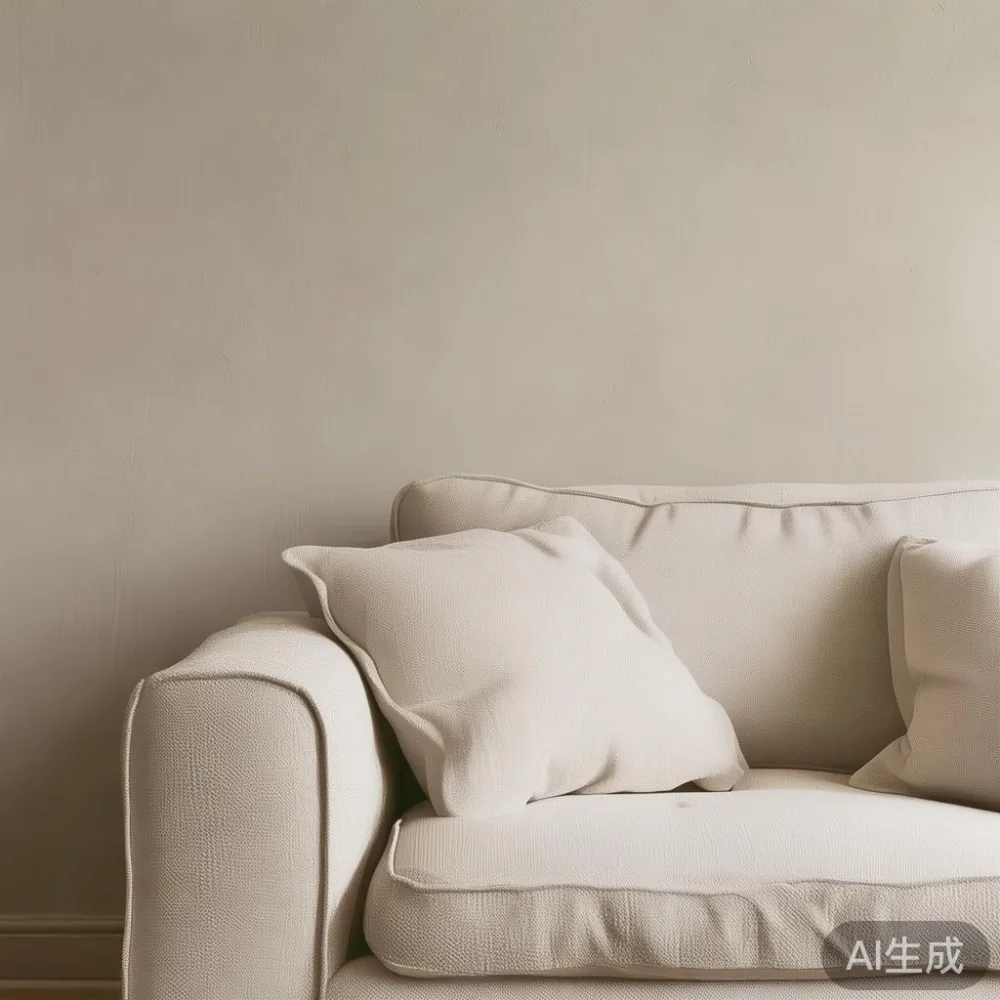
Across that five-piece package, the initial prices are approximately SGD 11,880 for solid wood and SGD 7,110 for veneer, a difference of SGD 4,770 before GST. Add 9% GST in Singapore: the totals become about SGD 12,949 and SGD 7,750. On a simple straight-line basis, the acquisition difference is SGD 1,040 per year, but that calculation does not yet include maintenance, repair, replacement, or resale value.
For a more realistic 5-year estimate, allocate SGD 1,500 for veneer care and repairs and SGD 650 for solid wood care and repairs. These allowances cover waxing, minor scratches, hardware adjustment, seam work, and one localized repair. They are not predictions that every household will incur the same expense; they are budgeting provisions. Over 5 years, the modeled total is SGD 9,250 for veneer and SGD 13,599 for solid wood. Solid wood costs about SGD 4,349 more in cash outlay, although it may retain more value and offer refinishing options that veneer cannot.
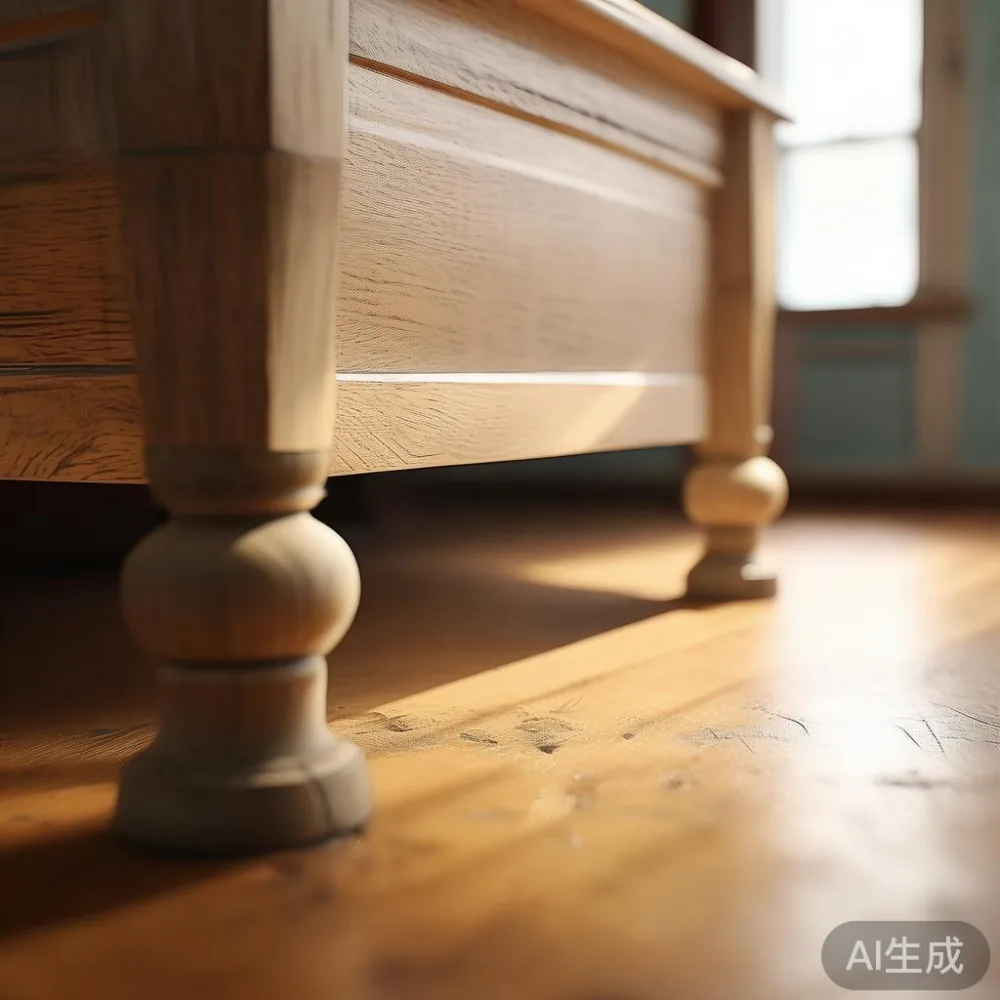
The result changes if a veneer piece needs replacement near the end of the period. Replacing only the sofa after 4 years could add around SGD 3,000 after GST, while refinishing a sound solid wood sofa might cost SGD 700 to SGD 1,200. That makes the longer-term picture less dependent on purchase price alone.
How does coastal style affect the choice?
Coastal style puts natural textures and visual lightness at the centre of a room, but it does not require every item to be made from solid timber. A light oak or ash veneer can be specified with a matte finish, gently rounded corners, and slim legs to create the relaxed coastal effect. Clear space is useful in compact HDB living rooms, where a wide sofa can narrow a circulation route and make a dining zone feel crowded.
Consider dimensions before the finish. A sofa of 210 cm may suit a broad living room in a Tampines condo, yet a 185 cm model can preserve a 75 cm walking route in an HDB flat. A dining table measuring 160 cm by 90 cm can seat four people and leave about 60 cm of clearance behind each chair when placed correctly. A 180 cm by 90 cm table seats six more comfortably but needs roughly 90 cm behind occupied chairs.
Light finishes also reveal coastal interiors to natural daylight, but glossy pale surfaces show fingerprints and dusty marks. A low-sheen finish is usually easier to maintain in a humid environment. Solid wood can add subtle tonal variation because boards age individually; veneer offers more uniform colour across a large wardrobe door. Neither quality is automatically better: consistency may suit a homeowner who dislikes visual change, while variation may be desirable in a post-modern light luxury composition.
For coastal style wardrobes, French-inspired pale oak framing can pair with off-white wall panels, while an American coastal bedroom might use warmer walnut tones. The wood choice should work with the room’s light, not with a trend label alone.
What does humidity do to veneer and solid wood over time?
Singapore’s relative humidity commonly ranges from about 65% to 85% through much of the year. That matters for engineered panels and solid timber, although the severity depends on the product, edge sealing, ventilation, and exposure to direct sun. A wardrobe beside a west-facing window in Bedok can experience greater daily surface-temperature swings than a console placed near an interior wall in Punggol.
Solid wood expands and contracts as moisture changes. A well-made solid wood bed frame may open a 2 to 4 mm gap over a seasonal cycle, then settle as humidity falls. Veneer can edge-bubble, lift, or delaminate if its adhesive or protective finish is compromised. Premium veneer work uses cross-laminated layers and careful sealing, but the panel remains sensitive to prolonged damp conditions.
For daily care, dust with a dry microfiber cloth and wipe spills within 10 minutes. Keep furniture at least 30 cm from air-conditioning vents and 60 cm from windows with direct afternoon sun. Use a humidity meter: readings around 45% to 65% are generally easier for wood furniture. If a reading remains above 75% for months, improve ventilation rather than relying repeatedly on surface treatment.
Solid wood is often easier to sand and restore after a local scratch. Veneer cannot usually be repaired to the same depth without replacing the affected sheet, especially over a large panel. A 1 m² veneered side panel replaced after transport damage might cost SGD 220 to SGD 600 including labour, whereas a matching solid wood repair can sometimes be blended more economically. The cost depends on matching grain, which is easier in uniform veneer than in naturally varied solid timber.
How much do delivery, stairs, and lift access add?
Delivery is a real line in a Singapore furniture budget. A company may quote free delivery above a purchase threshold, while a small separate order can attract a minimum charge. In this comparison, a flat SGD 80 delivery fee is assumed for the full veneer package and SGD 0 for the solid wood package because it clears a common free-shipping threshold. GST is already included in the totals above.
Measure the route before purchase. A queen bed frame may arrive in cartons measuring 210 cm by 120 cm by 35 cm, while a three-seat sofa may be separated into modules. HDB lift lobbies often restrict furniture to 90 cm by 200 cm, and older lift doors can measure only 80 cm wide. A 205 cm long component may therefore travel on its side, but tightly turning corridors can still require door removal.
Last month I visited a Punggol HDB flat to inspect a dining table delivery. The lift opening was 78 cm wide, the corridor turned sharply within 1.2 m, and the original table top was 200 cm long. The delivery team had to remove the carton and carry the top diagonally; the handover took 35 minutes rather than the 10 minutes quoted for a straight corridor. A compact 160 cm table would have cost about 15 minutes of handling and avoided a SGD 120 stair-carry surcharge.
For a condo, confirm the loading bay, parking bay distance, lift reservation rules, and maximum cart dimensions with the building management. Clear a 120 cm route from the lift to the room and remove doors if the supplier confirms that it is necessary. These details affect both installation time and damage risk. A table with 24 to 30 kg of top weight also needs two people; lifting one end of a heavier 45 kg top can strain the back and create a greater chance of dropping it.
Can solid wood be refinished after 5 years?
Yes, if the item has been correctly constructed and the existing surface can be prepared. A solid wood dining table may be stripped, sanded, and recoated for roughly SGD 45 per linear metre of edge, with a typical 180 cm table falling between SGD 700 and SGD 1,100 including labour and a new protective finish. A solid wood bed frame may require SGD 450 to SGD 800. Veneer generally cannot accept deep sanding because the decorative layer may be only 0.3 to 1.0 mm thick.
That is the strongest practical argument for solid wood beyond appearance. A small 12 cm scratch on a solid wood nightstand can often be filled and refinished for SGD 80 to SGD 180. On a veneered nightstand, the same defect may require replacing the entire top or drawer front for SGD 100 to SGD 300. If the piece has already lost its original finish through sunlight and moisture, the repair becomes more involved.
MIDHILL offers lifetime refinishing for qualifying solid wood pieces, subject to its service terms, while its 10-year structural warranty provides a different layer of protection. A warranty is not the same as a refinishing service: structural coverage concerns the frame or carcass, whereas refinishing addresses surface wear. Buyers should retain the invoice, product specification, and care guidance. For the wardrobe component of this comparison, a premium veneer alternative can be highly convincing, but a solid wood carcass may still be the better choice if long-term restoration is important.
Luxury positioning should not be confused with material thickness. A 2026 Italian light luxury furniture catalogue may photograph a stone or timber piece under flattering light, yet construction quality can vary more than the label. French light luxury often emphasises pale woods, proportion, and decorative details; American light luxury commonly combines larger scale, comfort, and darker natural finishes. For an American bed vs Japandi bed comparison, a solid wood platform bed and a carefully built veneer bed can both suit the style. The structural joints, drawer slides, centre supports, and finish system deserve more attention than the style name.
What if the furniture is for a bedroom, guest room, or dining area?
Room function changes the cost calculation. In a bedroom, the bed frame occupies a large share of the purchase and is used nightly, so stable joints and repairability matter. For a guest room, appearance and compact dimensions may justify veneer. A Modern for guest room setup can use a slim 120 cm solid wood bed frame, a 45 cm nightstand, and a 100 cm wardrobe. A total of about SGD 2,480 for solid timber can be compared with roughly SGD 1,430 for veneer.
The phrase French for guest room is sometimes used when describing pale, serene interiors, but the practical test is whether the 100 cm wardrobe can still open fully. Allow 60 cm in front of sliding doors or 75 to 90 cm for hinged doors. A bed placed across a narrow HDB bedroom may also restrict a 75 cm circulation path along one side.
Dining areas see heavier, more visible wear. A Vintage for dining room scheme can include a solid wood table with a clear-coated top that is easier to wipe than an open-grain surface. A marble table adds another comparison: a 90 cm round marble coffee table may cost SGD 1,100 to SGD 1,900 depending on the stone and base. Marble is cool and hard, does not need timber refinishing, and needs careful handling because it can stain or chip. The base material, tabletop weight, and delivery route matter.
For European light luxury bed vs Italian light luxury bed, the distinction is not a simple nationality test. Look at the headboard construction, platform support, centre leg, and finish. A European-inspired design may use restrained profiles, while an Italian-inspired piece may place more emphasis on sculptural detail. The same applies to a solid wood sofa: deep foam, durable webbing, and accessible seat cushions influence the 5-year experience more than a decorative edge.
Which option gives Singapore homeowners better 5-year value?
There are two reasonable ways to judge value. On minimum cash paid, veneer is usually less demanding at purchase. In the modeled five-piece package, it costs about SGD 4,349 less over 5 years after the maintenance allowance. If the sofa must be replaced during year 4, the gap can narrow to around SGD 1,200 or less. A household that changes furniture often, stores it in a dry room, and has no attachment to refinishing may prefer veneer.
On retained usability, solid wood can be stronger. It can usually tolerate more repair cycles, may be refinished, and avoids the risk that a large veneered panel cannot be restored. A solid wood sofa, bed frame, dining table, wardrobe, and nightstand also create a coherent material story in coastal style interiors, where texture is meant to feel relaxed rather than temporary. The relevant 2026 Italian light luxury furniture benchmark is not simply a high price; it is stable construction, repairable surfaces, and accurate material description.
Consider a 5-year decision matrix. For a 3-seat sofa, allow 8 to 10 hours of use per week and expect cleaning every 1 to 2 weeks. For a queen bed frame, check centre supports every 6 months and tighten fixings as timber settles. For a dining table, use coasters, wipe within 10 minutes, and inspect screws every 12 months. For a wardrobe, run the doors monthly and keep the interior ventilated. For a nightstand, use a 3 mm felt pad under objects and avoid a damp bathroom placement. These small routines reduce both repair costs and early replacement.
Buyers comparing an American bed vs Japandi bed should also compare total dimensions, not just the headline material. A low-profile platform may create visual openness, while a taller frame may need more corridor angle. Buyers comparing European light luxury bed vs Italian light luxury bed should request the joint and finish details. Veneer thickness, plywood grade, solid wood species, finish layers, warranty scope, and refinishing eligibility should appear in the written quotation.
Before ordering, ask whether the product is solid wood throughout or solid wood with veneer panels. Check the exposed end grain, underside, edges, and drawer construction. The term MIDHILL wardrobe should identify the specific construction in the product documentation rather than relying on a general collection description. Confirm delivery days, assembly time, return window, and any stair or lift charges. A 14-day return policy can be useful for checking fit and finish, but packaging should remain intact because return freight and restoration can be substantial.
The most useful 5-year answer is therefore not that one material wins in every home. Veneer can suit a budget-conscious HDB flat when panels are sealed, dimensions are planned, and replacement is acceptable. Solid wood often suits a condo household that values longevity, refinishing, and coherent coastal style character. Use the purchase price as only one line in the budget, then add humidity care, delivery access, repair, and residual value. That approach turns a material preference into a practical Singapore furniture plan.