Solid Wood Furniture Pricing: Timber, Construction, Finish and Delivery Costs
Solid wood furniture is often described by its material, but the retail price is shaped by much more than the name of the timber. Grain selection, moisture control, joinery, hardware, finish, dimensions, and delivery access all affect the final figure. A 180 cm dining table and a 200 cm dining table may use similar amounts of wood, yet their construction and logistics can differ. A 90 cm nightstand and a wardrobe can share the same species while sitting in completely different price brackets.
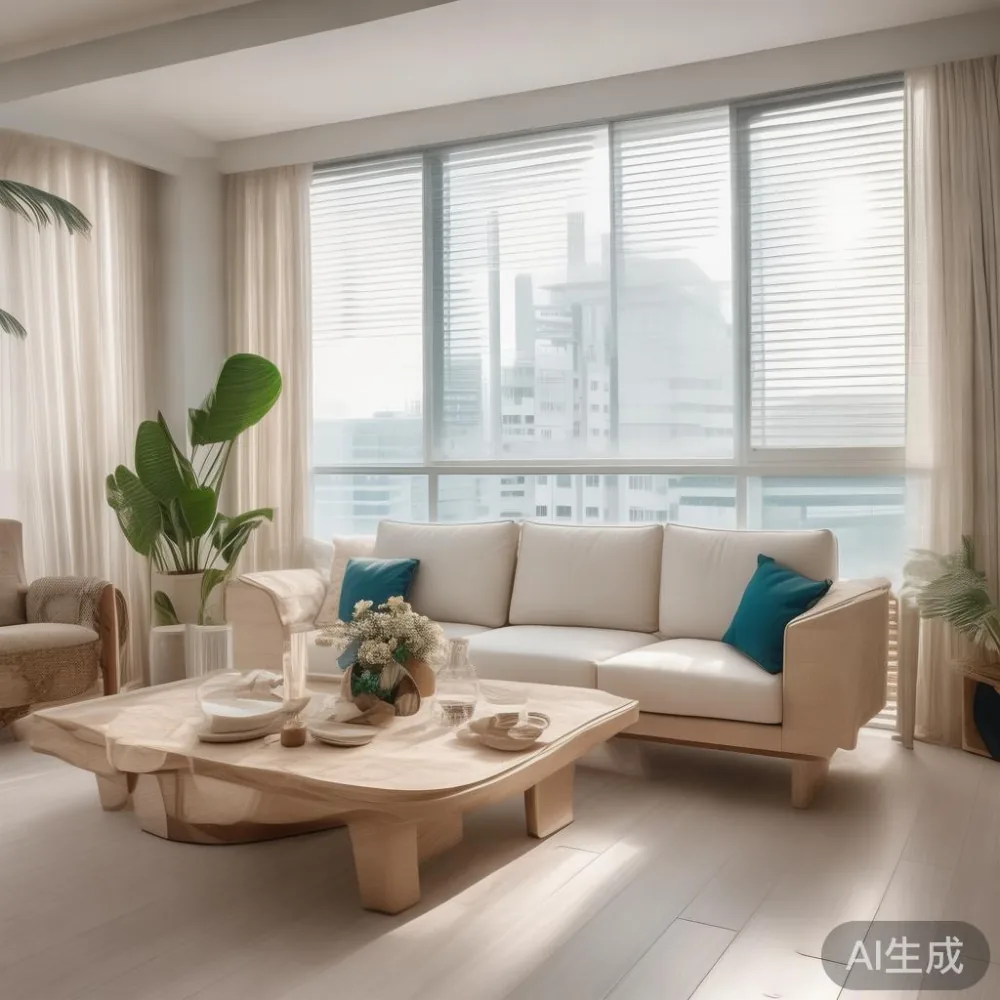
This guide explains those price drivers for Singapore buyers, including residents of HDB flats in Tampines, Bedok, and Punggol. It also considers corridor widths, lift dimensions, GST, and the practical requirements of solid wood furniture. The aim is to help you judge whether a quotation reflects sensible material and construction choices, rather than an unexplained premium.
What determines the price of solid wood furniture?
The starting point is the timber itself, but board yield matters as much as the species. Solid oak, ash, beech, walnut, and other hardwoods differ in market price, grain consistency, and how they react to humidity. A board with knots, mineral streaks, uneven colour, or small defects may be perfectly structural, yet it is harder to match across a dining table top or wardrobe doors.
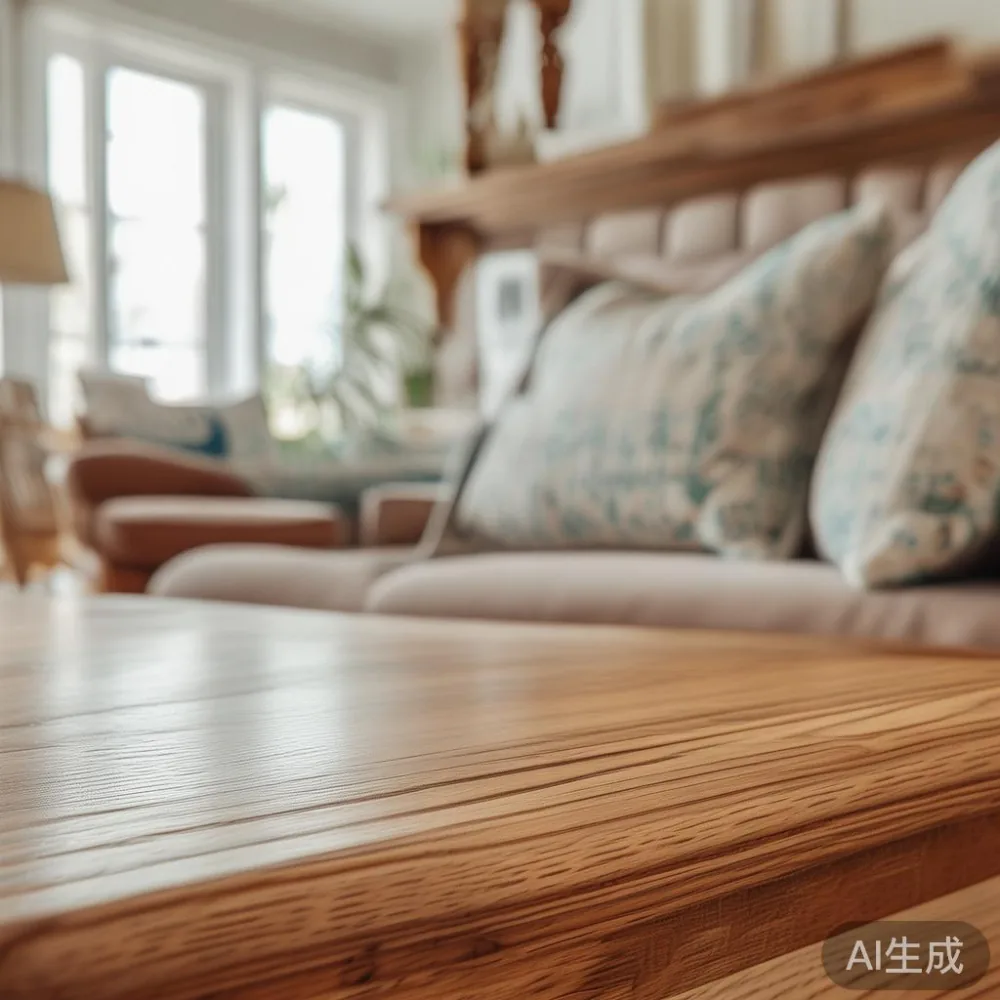
Large, continuous surfaces place a higher demand on defect-free timber. A 220 cm solid wood dining table may need several laminated staves or carefully selected boards, while a 60 cm stool can use shorter pieces. Lamination does not make furniture inferior; it allows a manufacturer to control movement and use timber efficiently. It can also make the construction more stable in Singapore’s humid conditions.
Tree species is only one part of the calculation. The moisture content of the wood, kiln drying time, machining tolerance, and quality control influence labour and rejection rates. Dehumidification is especially relevant for a coastal style home near East Coast, where airflow and humidity deserve attention even with air-conditioning. Responsibly dried timber should be acclimatised before assembly rather than treated as an afterthought.

Price also follows design complexity. A tapered dining table leg, a curved headboard, a sculpted drawer front, or a hand-finished edge takes longer to machine and inspect than a straight, square component. A 75 cm high bed frame with a 12 cm leg frame may look simple, but hidden engineering is needed to prevent wobble and protect floor surfaces.
At MIDHILL, material and production decisions are treated as part of the product, not a decorative label added at the end. The company has manufactured furniture since 2008 and exports to more than 15 countries, so factory planning and packing discipline have a commercial effect. A 10-year structural warranty also reflects an expectation about how joints, frames, and load-bearing parts perform over time.
Is solid wood automatically more expensive than engineered wood?
Not always. The comparison depends on what “engineered wood” means. A high-quality plywood or blockboard product can be durable and stable, while a poorly made solid wood piece can use thin parts, weak joints, and inconsistent drying. The useful question is not whether one label wins, but how much usable timber is present, how it is assembled, and how long the product is intended to last.
Consider a 160 cm solid wood dining table priced at SGD 1,680 including GST. Another table priced at SGD 1,240 may use veneer over engineered board, or it may be solid wood with a simpler finish and less elaborate shaping. Neither quotation tells you enough until you ask for the frame construction, panel thickness, finish specification, and warranty terms.
For storage furniture, internal engineering often explains a wide price difference. A 120 cm wardrobe may have 18 mm side panels, adjustable runners, and a reinforced hanging rail. Its 60 cm nightstand may use 15 mm panels and simpler slides, yet both can look restrained from across the room. A marble table introduces another layer: stone selection, cut dimensions, edge treatment, support structure, and weight all affect transport.
French light luxury often relies on refined curves, pale finishes, and tactile upholstery. American light luxury tends toward generous proportions, clean silhouettes, and substantial comfort. Neither style needs excess decoration to command a higher price. What matters is whether the sofa frame, bed frame, dining table, wardrobe, and nightstand show deliberate control of material and proportion.
Do joints, hardware and drawer boxes explain a higher price?
Yes. Joinery is one of the clearest indicators of furniture cost because it determines how forces are transferred and how long a piece can remain rigid. A 180 cm bed frame may use mortise-and-tenon joints, dowelled joints, metal brackets, or a combination appropriate to the design. A visible pegged joint may add craftsmanship, while a concealed engineered joint may add precision and reliability.
Drawer construction deserves particular scrutiny. A quality drawer may have solid wood or plywood sides, a controlled slide system, a finished back, and dovetail or dowelled corners where appropriate. Soft-close hardware costs more than a simple metal runner, but it affects daily use. Compare a 45 cm nightstand with one drawer against a 50 cm bedside table with two drawers; the latter contains more components and finishing surfaces.
Load ratings are useful when comparing options. A dining table intended for daily meals should comfortably carry a concentrated load of at least 100 kg without visible deflection. A wardrobe’s hanging rail and shelves should be specified for realistic loads rather than vague statements. A solid wood sofa may use a kiln-dried hardwood frame, webbing, foam, fibre wrapping, and fabric, and each layer has a cost beyond the timber.
Hardware should match the use. A wardrobe in a Punggol family home may need a hinge that opens fully inside a compact bedroom, while a dining table needs fasteners and connectors tested for seasonal movement. Soft-close drawer runners, reinforced corners, and adjustable feet are functional choices that can justify different price levels.
How much do finish, colour and upholstery add to the price?
Finish can add 5% to 20% or more to a furniture quotation because preparation is labour-intensive. A white oak dining table with a natural oil finish needs careful sanding, grain inspection, stain matching, and multiple coats. A painted dining table needs even coverage, sanding between layers, and a durable topcoat. The number of coats, cure time, and complexity of edges affect the final result.
White, beige, and sand tones are popular in coastal style interiors, but they are not maintenance-free. Pale solid wood shows fingerprints, scuffs, and water marks more readily than a darker finish. A matte finish can feel refined but may need more careful maintenance than a tougher sheen. Ask whether touch-up care is included and whether refinishing is available over the product’s life.
Upholstery has its own cost chain. A solid wood sofa may use 80,000 to 100,000 rubs of fabric, high-resilience foam, and a frame engineered for seating. Performance fabric can resist a busy household better than delicate linen, while boucle or velvet changes the visual character and may require different sewing methods. For bedroom placement, a search for how to style European sofa in bedroom should begin with scale and proportion, not simply colour.
Material combinations require experienced judgement. A European light luxury accent chair may use ash or beech, moulded components, woven webbing, and a tailored cushion. A marble table may pair a pale stone top with a solid wood base; the stone’s weight can require a reinforced substructure. If the same supplier handles timber, stone, metal, and textiles, coordination can reduce compatibility problems later.
Do coastal style pieces cost more because of their appearance?
Not inherently. Coastal style usually calls for pale or naturally grained timber, relaxed forms, light textiles, and an uncluttered feel. Those choices may affect material selection and production method, but the visual label alone should not create a large price gap.
A 200 cm solid wood dining table in a light oak finish can be more expensive than a compact 140 cm version because of surface area and structural design. A 180 cm bed frame with a slatted headboard may require more components than a low platform design. A wardrobe with louvred doors needs more cutting and finishing than one with flat fronts. The extra work is visible in construction, although it is not limited to coastal style.
Design references can also affect the quotation. For 2026 Mid-century modern furniture, tapered legs, gentle curves, and compact silhouettes may require specific tooling. A coastal style dining table may use rounded corners to soften the room, but those corners must remain even through sanding and finishing. A coastal style wardrobe may need adjustables inside while keeping the exterior visually calm.
Lighting can change how the same timber reads. A table photographed near a bright HDB window may look warmer and more saturated than it does in a dim corridor. If choosing a pale finish, compare physical samples under the lighting of your home rather than relying on a small screen image.
How do size and weight affect the price?
Size affects both timber and labour, while weight affects handling, packing, and delivery. A 220 cm solid wood dining table may weigh 65 to 95 kg, depending on the timber and frame. A 120 cm wardrobe may weigh 90 to 150 kg, and a 180 cm bed frame may weigh 45 to 75 kg. These are practical examples, not fixed specifications, but they show why delivery planning matters.
Older HDB blocks often have common-access lift door widths around 80 to 90 cm and car-park lift dimensions near 140 cm deep and 110 to 140 cm wide. A 180 cm dining table top cannot enter a lift intact. It may need to be separated into sections, carried up a staircase, or arranged with the top turned vertically and angled. Those operations add time and risk.
Condominiums may have wider private lifts, but the route from the loading area to the unit can still narrow. Measure the doorway, lift door, lift cabin, turning space, and corridor. A 120 cm wardrobe may be delivered in two parts to fit through an 85 cm opening, while a fully assembled unit may not be practical. Confirm the packed dimensions, not only the finished dimensions.
My colleague visited a client in Bedok last month with a 200 cm dining table. The common-access lift door measured 82 cm, and the turning corner was tight. The table was split into a 130 cm top section and a 70 cm section, then joined upstairs with concealed fixings. Allow roughly 45 to 90 minutes for delivery in this situation. A supplier that quotes delivery by project alone may not have accounted for the lift and corridor widths.
What do GST, delivery and after-sales service do to the final price?
In Singapore, displayed prices should be clear about whether 9% GST is included. A dining table at SGD 1,480 before GST becomes SGD 1,613.20 with GST. Free delivery thresholds should also be stated clearly; MIDHILL offers free shipping over US$350, which is converted for the customer’s market and may not align directly with a Singapore-dollar threshold. Ask for the final payable amount, including GST, delivery, and any stair or lift service charge.
Delivery can cost from SGD 0 for a qualifying order to roughly SGD 80 to SGD 220 for a difficult Singapore installation. A compact nightstand may travel in one van within 3 to 7 days after dispatch. A made-to-order wardrobe or bed frame may require 4 to 8 weeks for production, followed by 3 to 7 delivery days. These are useful planning ranges, but stock status and custom dimensions can change them.
After-sales support affects the value of the purchase. A 14-day return policy gives time to inspect the furniture, but solid wood and made-to-order items may have specific return conditions. A 10-year structural warranty addresses long-term frame failures, while lifetime refinishing can extend the usable life of a suitable piece. Clarify what the refinishing service includes, whether labour is charged, and which surfaces are eligible.
For a sofa, check the frame, cushion, and fabric terms separately. For a dining table, ask about movement, joint integrity, water exposure, and tabletop flatness. For a bed frame, inspect centre support, slat spacing, and fastener access. For a wardrobe, confirm hanging clearance and door operation. For a marble table, review the stone treatment, edge protection, and pedestal stability.
How can I compare two quotations fairly?
Ask each supplier to quote the same dimensions and compare like with like. Request photographs of the underside, drawer interiors, joint details, and unfinished sample. Specify timber species and panel thickness rather than accepting “solid wood” without a breakdown. A quote should also state whether the dining table is solid timber throughout, whether the wardrobe has solid timber frames, and which parts are veneer, plywood, stone, metal, or upholstery.
Build a simple comparison sheet with at least 10 figures: width, depth, height, timber, finish, joinery, drawer hardware, weight, delivery time, and warranty. Add the final price including GST and installation. If one quotation is SGD 900 lower, find out whether it differs by 20 mm in timber thickness, omits soft-close runners, uses a thinner tabletop, or includes less delivery work.
Style should enter the decision only after the construction is understood. A search for American bed vs French provincial bed may identify different shapes, but both need centre support and stable joints. A comparison of European sofa vs Modern sofa may highlight upholstery and scale, yet the frame quality still governs longevity. Even when looking for sale Japandi furniture, verify the actual material, dimensions, and finish before judging the price.
Finally, consider the furniture as part of a room system. In a compact Tampines flat, a 150 cm dining table may leave better circulation than a 200 cm model. In a larger condo bedroom, a 180 cm bed frame may suit the available wall width. In a coastal style living room, a low solid wood sofa can preserve sightlines without making the space feel crowded.
Which price factors should receive your attention before ordering?
The price of solid wood furniture is driven by a chain of decisions: timber quality, board yield, drying, machining, joinery, hardware, finish, dimensions, packing, access, and after-sales support. A higher figure may be justified by heavier components or better labour; it may also reflect a brand with weaker economics. A lower figure is not automatically poor, but it should reveal what has been reduced or omitted.
Use the final delivered and installed cost as the reference, with GST and access charges included. Compare the physical sample, read the warranty, and confirm delivery dates in writing. If the piece is for sale Japandi furniture in a coastal style home or an American light luxury scheme, the same discipline applies: measure the room, inspect the construction, and choose the finish you can maintain.