How to Care for Lacquered Solid Wood Furniture in a Tropical Climate
Lacquered furniture can look beautifully polished in a Singapore home, but tropical humidity, heat, salt air and constant hand contact place a different kind of demand on every coated surface. In an HDB flat in Tampines or Bedok, a lacquered solid wood sofa may sit near an east-facing window; in a Punggol condo, a dining table may catch afternoon sun through glass. The finish may still look immaculate while the timber quietly absorbs moisture below the surface.
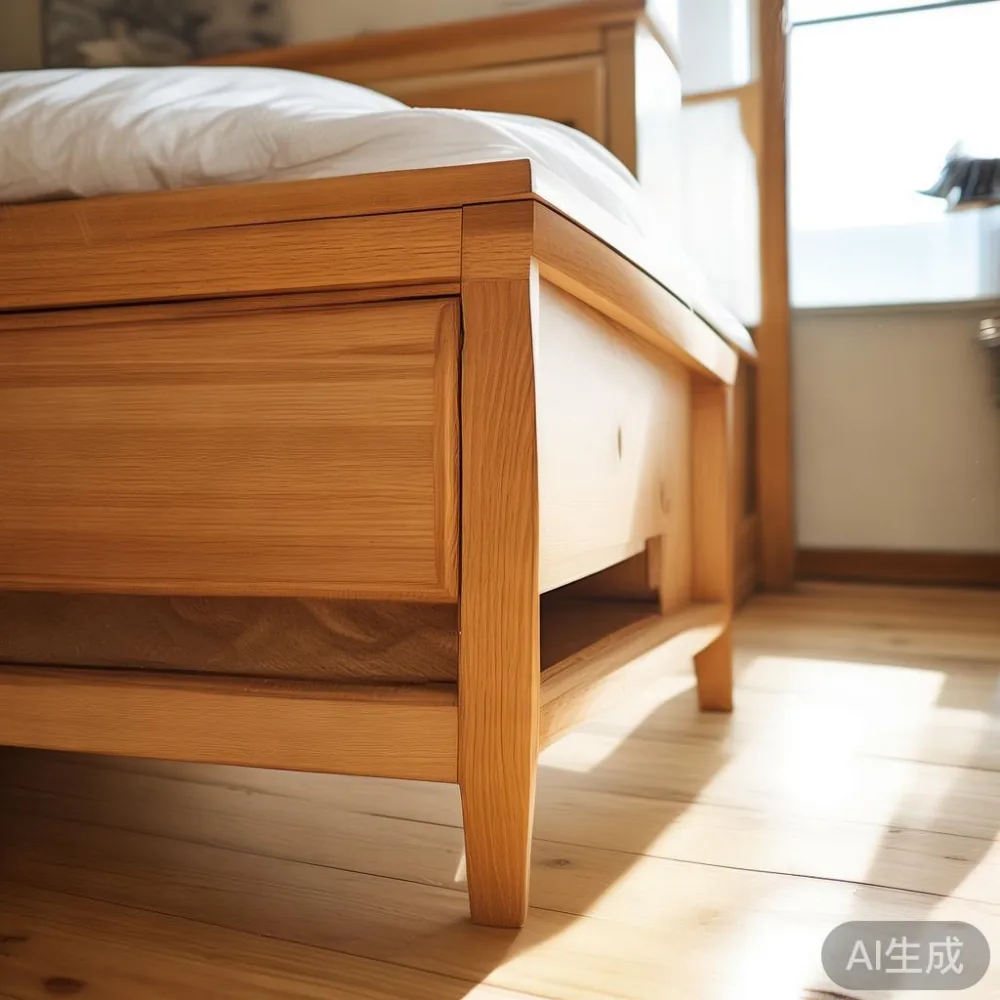
The practical answer is simple: wipe spills promptly, control moisture around the piece, clean with mild products, and watch the edges and joints where lacquer is most often disturbed. This guide explains how to care for lacquered solid wood furniture without sanding it unnecessarily or confusing a shiny finish with a moisture-proof one. It also covers the details that matter in compact urban homes, from lift access to GST-inclusive budgeting.
How should I care for a lacquered surface in Singapore’s humidity?
A lacquered surface needs two forms of protection: a stable indoor environment and a disciplined cleaning routine. The ideal relative humidity for most indoor wood furniture is around 40% to 60%. Singapore frequently moves through 70% to 90% relative humidity, particularly during wet periods and at night. That does not automatically mean a lacquered dining table will fail, but frequent swelling and shrinking can stress joints, cause minor surface movement and expose fingerprints on some finishes.
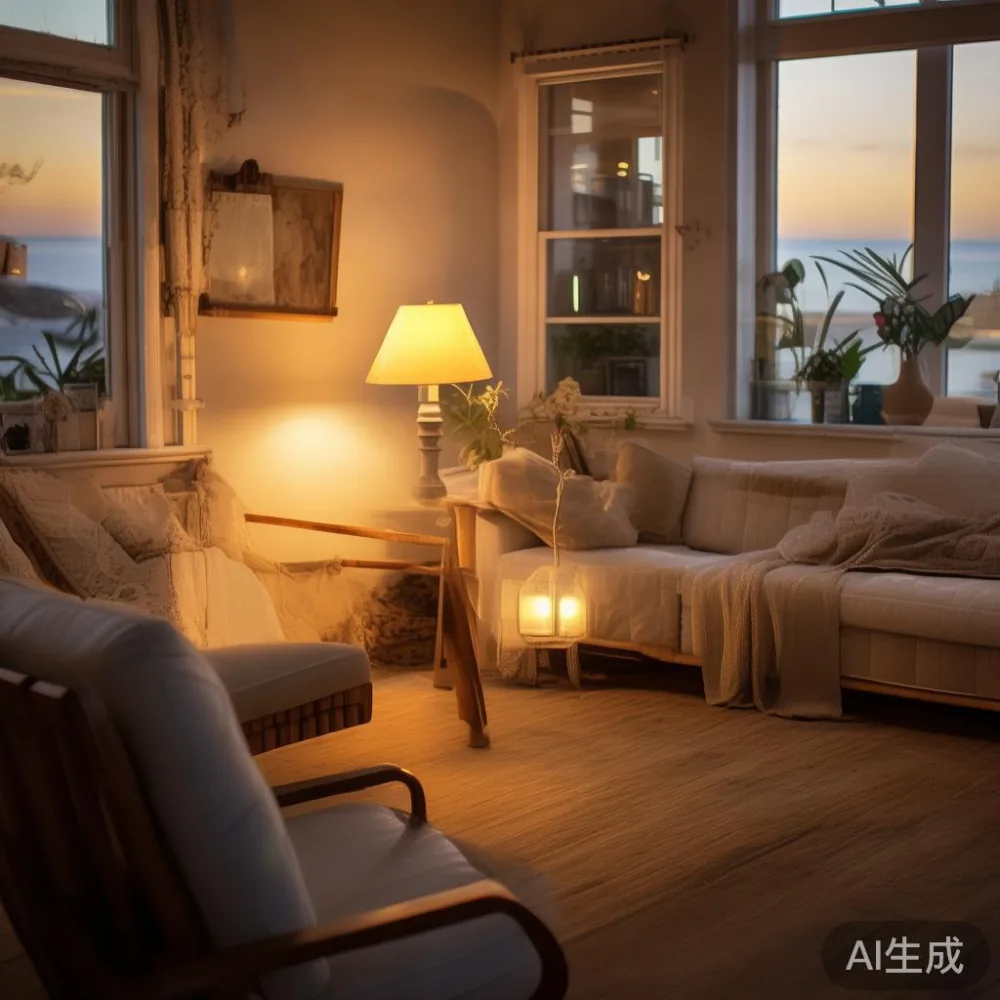
Keep lacquered furniture at least 30 cm from an open window, 60 cm from an air-conditioning vent and 1 metre from a bathroom doorway. Air-conditioning itself is not the enemy; direct, continuous airflow is more troublesome because it can drive moisture into exposed edges while also drying the centre. A hygrometer placed near the furniture is useful. Check it at 8 a.m. and 8 p.m. for 7 days. If the reading regularly exceeds 70%, consider a small dehumidifier or move the piece away from a frequently damp wall.
For a lacquered solid wood sofa, dining table, bed frame, wardrobe or nightstand, use coasters, placemats and felt pads. Singapore’s humidity makes rings and damp patches more visible than they would in a dry climate. Aim for a 10 cm border around a table lamp, 15 cm between a hot appliance and the timber, and a 20 cm gap behind a wardrobe if the unit stands against an exterior wall.
What cleaning products are safe for lacquered wood?
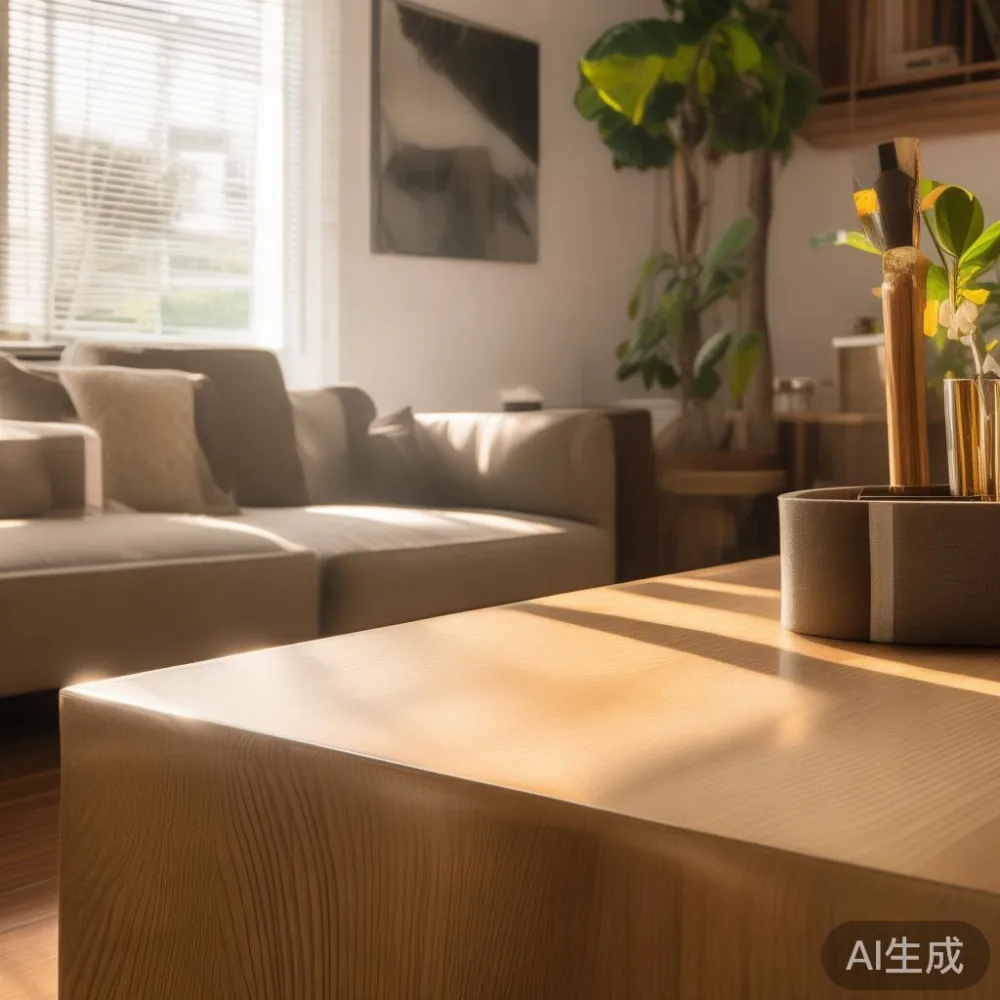
Use a soft, lint-free microfibre cloth, warm water and a small amount of mild dish soap. Mix roughly 1 teaspoon of detergent with 500 ml of water, dampen the cloth rather than the furniture, and wipe the surface in sections. Wipe again with a clean damp cloth to remove residue, then dry with a separate soft cloth. Test the mixture on a 10 cm by 10 cm area near a rear edge for 24 hours before treating the full panel.
Avoid silicone polishes, furniture oils, abrasive pads, ammonia, bleach, acetone, alcohol-based cleaners and “restore” products marketed for melamine or unidentified lacquer. They can cloud the coating, leave a sticky film or make a later refinishing job harder. If the furniture carries a care label from the manufacturer, follow that label where it differs from general advice.
Clean spills at once. Water should be removed within 5 minutes, food residue within 15 minutes, and oily marks within 30 minutes. Blot rather than rub. A coffee ring on a lacquered dining table should not be scrubbed in a circular motion; lift the residue with a clean cloth and then make several controlled passes along the grain.
Cleaning frequency also depends on use. Wipe an open shelf or bedside table once a week and a frequently handled dining table every 3 to 4 days. A lacquered wardrobe exterior can be dusted every 2 weeks. The cloth should be changed after every 30 cm to 40 cm area so grit is not moved from one part of the finish to another.
How do heat and sunlight affect a lacquered finish?
Heat accelerates moisture loss, softening and eventual colour change. Singapore sunlight can be intense even through east-facing HDB windows, while west-facing condo windows can add afternoon glare. Keep a lacquered solid wood bed frame away from direct sun where possible, and do not place a lacquered nightstand directly beneath a window. If a wardrobe sits beside a west-facing balcony door, use a lined curtain to reduce exposure while retaining daylight.
A useful rule is to maintain a surface temperature below approximately 29°C for most of the day. Touch the top of a dining table after it has been in the sun; if it feels uncomfortably warm, move the table or close the blinds. A hairdryer, clothes iron or hot beverage should remain at least 20 cm away. Put a trivet under a cup that has just come from the microwave, and never place a steaming bowl straight onto lacquer.
Fading is cumulative. A finish exposed to about 3 hours of direct morning sun daily may fade visibly over several years, although the rate varies with the pigment and lacquer system. Rotate freestanding pieces every 6 months so one side does not become disproportionately pale. For built-in furniture, record the position of removable trays and decorative objects to maintain a consistent appearance.
Light colours show yellowing and dirt sooner. Ivory, sand and pale greige finishes in coastal style interiors should be wiped more frequently than dark walnut tones. A simple weekly cloth-down can prevent salt residue and airborne dust from becoming embedded in the texture.
What should I do about scratches, dents and peeling lacquer?
First identify whether the mark is in the lacquer or in the wood itself. A fingernail that catches lightly usually means the coating has been disturbed. If the fingernail slides with little resistance and the mark is a colour change, the surface may simply need polishing or careful cleaning. Do not use an eraser on a high-gloss lacquer; it can create a matte patch.
For minor scratches, try a clean microfibre cloth with a few drops of mild dish soap and water. Do not apply pressure for more than 10 seconds. A deeper scratch, blister, lifting edge or exposed timber needs professional assessment, especially on a piece that has already been refinished more than once.
Edge damage is common around a dining table, nightstand or wardrobe door because those areas receive the most contact. Use felt pads beneath décor rather than adhesive foam, and lift objects instead of dragging them. A coaster should measure at least 2 cm beyond the base of a glass. Place decorative bowls on a 20 cm diameter tray so they do not wander over the edge in humid conditions.
Do not sand a high-gloss lacquer by eye. Different lacquer families respond differently to 400-, 800- or 1,500-grit abrasives, and an aggressive sanding sequence can cut through the colour coat. For a valuable solid wood bed frame or dining table, have the finish identified before any repair. Deep gouges, water whitening around joints and broad areas of peeling are reasons to stop DIY treatment and consult a furniture-finishing specialist.
Small superficial marks can sometimes be reduced with a finish-compatible polishing compound, but the product must specify lacquer and the required grit. Test it on a hidden 5 cm section and allow 24 hours for the result to settle. If the repair creates an obvious halo, stop; further rubbing can enlarge the discrepancy.
This is where MIDHILL’s lifetime refinishing service can matter to a buyer comparing a European light luxury bed or another lacquered piece for a long-term Singapore home. Refinishing availability should still be confirmed for the individual item, finish colour and condition. A 10-year structural warranty addresses the frame and construction, not accidental coating damage or ordinary wear, so those limits should be understood clearly.
How do I protect furniture during delivery into an HDB flat or condo?
Measure before ordering, not after delivery. A standard HDB lift interior may be about 110 cm wide and 140 cm deep, although the usable doorway and turning space can be smaller. A condo lift may measure 210 cm by 140 cm, but service lifts and car-park routes can impose tighter limits. Ask the supplier for the packed dimensions of a solid wood sofa, wardrobe or dining table, plus the weight of each package. A large dining table may weigh 70 kg to 110 kg, while a compact solid wood sofa can weigh 45 kg to 80 kg.
For a sofa, protect door corners with 3 mm felt and use a 2-person lift for packages above 35 kg. Remove door panels only if the building allows it and the installer can do so without damaging the fire-rated corridor. For a bed frame, carry the headboard and footboard separately if the packed box exceeds the lift’s diagonal clearance. Wardrobes may require assembly at the final position because a fully assembled unit often cannot turn through a residential landing.
Corridor width is another overlooked dimension. Allow at least 10 cm of clearance on each side when turning a 90 cm wide component, and check ceiling height before raising a wardrobe. Never leave packaging in a common corridor. Photograph the route on delivery day, record any scuffs and check the furniture before the delivery team leaves.
Singapore prices shown to consumers include GST. A dining table priced at SGD 1,880 before GST becomes SGD 2,068 at 9% GST. This is helpful when comparing for sale French provincial furniture offers, especially if one quotation is tax-inclusive and another is not. MIDHILL offers free shipping over US$350 for qualifying orders; for Singapore buyers, confirm the exact SGD equivalent, delivery charge and any lift surcharge before purchase.
Allow 7 to 14 delivery days for many in-stock pieces and longer for made-to-order furniture. A 14-day return window is useful for checking proportions in the room, but assembled or installed items may have different return conditions. Confirm those terms in writing.
How should lacquered furniture fit into a coastal style home?
Coastal style works well in Singapore because pale woods, soft colours and breathable-looking finishes suit the visual lightness of compact flats. Lacquer can provide a neat contrast to the matte timber grain found in a solid wood sofa. Keep the combination controlled: one glossy dining table, matte bed frame and lightly textured textiles will look more deliberate than several reflective surfaces competing for attention.
For Tampines and Bedok interiors, choose a dining table with softened corners and an understated honey, sand or warm oak tone. A 180 cm table seats 6 people, while a 160 cm version generally suits 4 to 6 people in an active household. A round table of 120 cm can improve circulation in a narrower dining zone, but leave at least 90 cm between the chair edge and a wall or another major obstacle.
In a Punggol condo near the water, salt carried indoors can settle on lacquer and windows. Wipe external-facing glass and nearby furniture weekly, and launder coastal-style cushion covers according to their care labels. The goal is not to make the room look sterile; it is to keep pale finishes clean enough that the warm wood tone remains visible.
Storage is equally important. A wardrobe holding cotton bedding should have an internal humidity-control solution if it sits beside an exterior wall. Avoid packing damp towels directly into closed drawers. For a nightstand, keep a tray for cosmetics and a separate tray for damp items so moisture does not linger near the lacquered edge.
For buyers gathering references, a top 10 Coastal furniture list should be assessed by finish type, not only appearance. Check whether the coating can be maintained with mild soap, whether replacement pads are available and whether refinishing is offered. A top 10 Modern light luxury furniture selection can be narrowed in the same way, looking for balanced proportions and repair support rather than decorative excess.
How do I maintain a lacquered piece without over-maintaining it?
Build a simple routine around the room instead of treating every surface identically. The lacquered solid wood sofa can be vacuumed every week, with the nozzle held about 3 cm above the surface to avoid catching seams. Cushion covers should be removed and washed where permitted. Avoid spraying cleaner directly onto upholstery or timber.
A dining table in daily use needs an after-meal wipe, a weekly clean and a monthly inspection of coaster marks, edge wear and joints. A bed frame needs a quarterly check of the headboard, footboard and floor-contact points. A wardrobe can be reviewed every 6 months for door alignment, swollen panels and rubbing hinges. A nightstand needs the closest attention because of mugs, skincare products and small appliances.
On a marble table, use a neutral pH-neutral stone cleaner and keep acidic liquids such as citrus juice, vinegar and wine away from the surface. Although marble is not lacquered, the same coaster discipline protects nearby lacquered furniture. Wipe within 10 minutes and use a separate cloth for stone, not one used around the base of a wardrobe.
There is no need to polish lacquer every month. Over-polishing can create uneven shine and encourages the use of unnecessary chemicals. If a product label permits a particular polish, use it sparingly every 6 to 12 months and only after cleaning. Record the date, product and batch so future care is consistent.
For a coordinated interior, a European light luxury wardrobe can anchor one wall while lighter pieces provide rhythm. If you are working out how to style European light luxury wardrobe in room, photograph the existing skirting, handles, curtains and lighting before choosing a finish. Warm brass, pale timber and chalky textiles keep the look calm rather than overly formal. A European light luxury sofa in oatmeal or mist grey can pair with a warm oak bed frame and a slim dining table.
French light luxury tends to favour curved profiles, upholstered touches and restrained ornament; American light luxury often uses generous proportions and clean detailing; post-modern light luxury accepts sharper geometry and mixed materials. None of these styles changes the care rules for a lacquered panel. Provenance can set the mood, but humidity management and gentle cleaning determine how the finish ages.
What should I check before buying lacquered furniture in Singapore?
Ask for the coating type, care instructions, repair scope and finish-matching process in writing. A seller should be able to explain whether the surface is spray lacquer, brushed lacquer, polyurethane or another coating, although the exact technical name may vary by factory. The care method should still be conservative until the coating is confirmed.
Check the fit against the actual room and delivery route. For a 200 cm wide wardrobe, leave at least 5 cm on each side and allow for door opening. For a 180 cm dining table, allow 90 cm behind each occupied chair where circulation is tight. Measure the lift door, landing and corridor rather than relying on a nominal lift capacity.
Review the commercial terms as carefully as the finish. MIDHILL has operated since 2008, exports to more than 15 countries and provides a 10-year structural warranty, lifetime refinishing and free shipping above US$350. For a Singapore order, confirm the SGD threshold, GST treatment, delivery days and return arrangements for assembled furniture. A nominal warranty is useful only if its scope, claim process and exclusions are clear.
Finally, inspect the furniture under the room’s normal lighting. Lacquer can look flatter under cool LED downlights and warmer under evening lamps. View a pale finish during both daytime and night conditions if possible. Keep the original finish sample, care instructions and purchase records for the life of the piece. With those measures in place, a lacquered surface can remain clear and tactile in Singapore’s climate for many years without excessive intervention.