How Southeast Asian Humidity Affects Solid Wood Furniture in Singapore Homes
Singapore’s equatorial climate makes humidity one of the most important forces acting on solid wood furniture. In an HDB flat in Tampines, Bedok or Punggol, wooden furniture can absorb moisture during humid nights, swell slightly, and contract as air-conditioned rooms dry. Repeated cycles may loosen drawer runners, bow a wardrobe door, leave gaps around a dining table joint, or create fine checks in a seat.
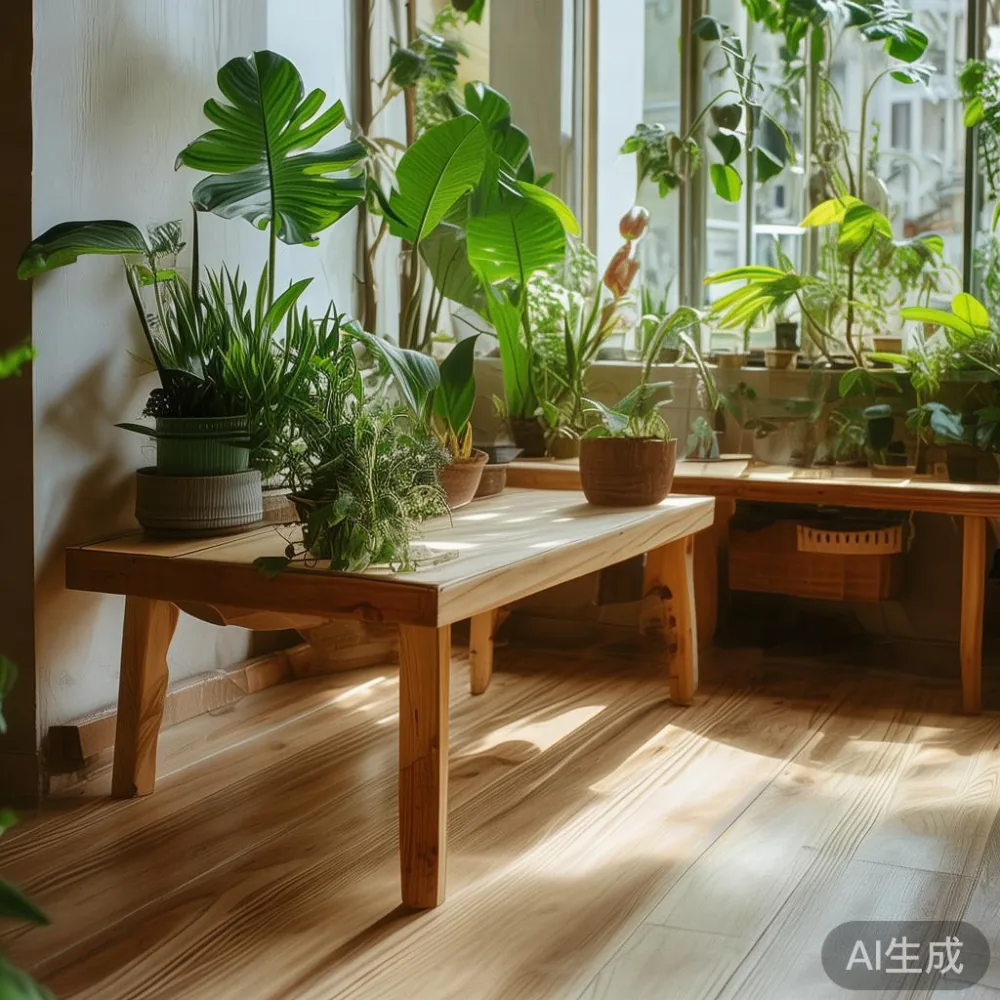
Humidity does not automatically mean that solid wood is unsuitable. Wood is a hygroscopic material, so it naturally exchanges moisture with the surrounding air. The practical question is whether the furniture is built, finished, placed and maintained with Singapore’s conditions in mind. Accurate measurements matter: relative humidity commonly ranges around 65% to 90% outdoors, while a mechanically cooled home may sit near 45% to 65%.
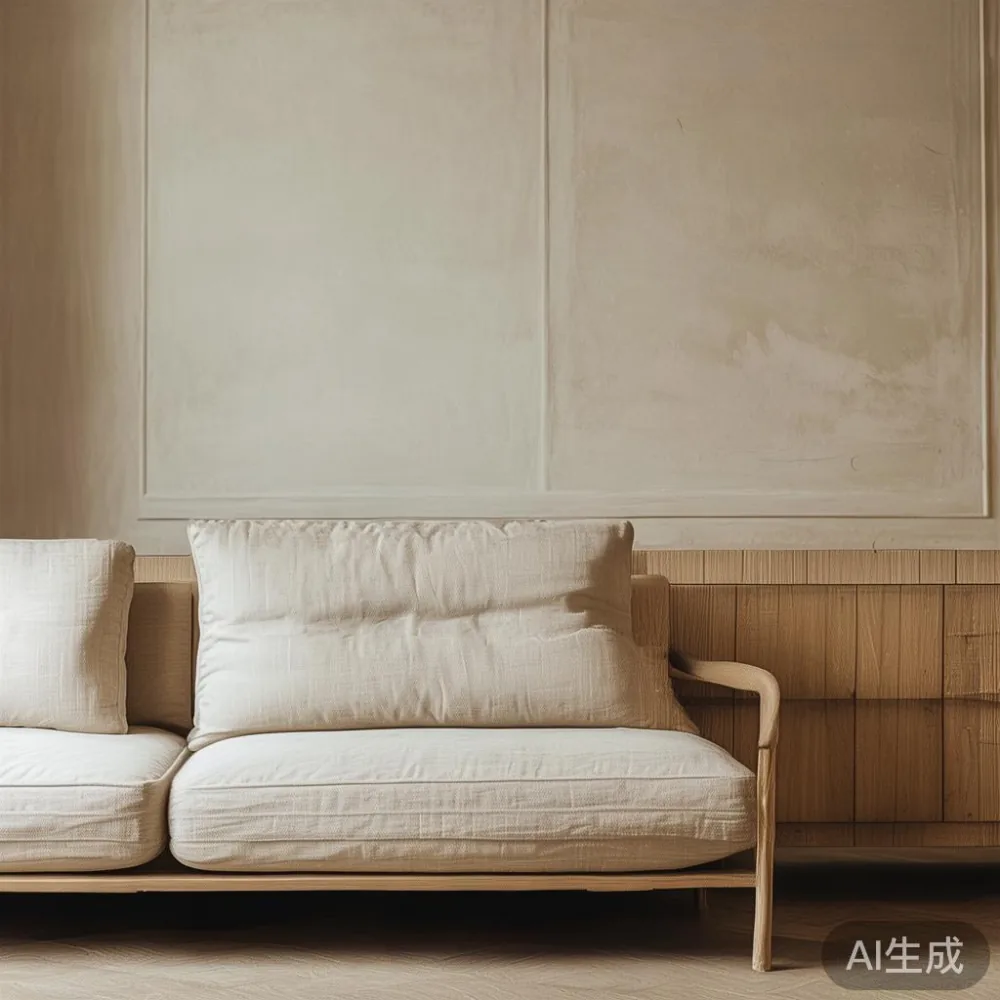
For Singapore homes, coastal style furniture should feel airy and durable rather than simply white or nautical. A pale oak dining table, a solid wood sofa with washable linen, a light-toned bed frame and a compact nightstand can all suit local interiors. The finish and construction determine how gracefully each piece handles humidity. At MIDHILL, our solid wood collection is made for long use, supported by a 10-year structural warranty and lifetime refinishing.
How much does humidity move solid wood in Singapore?
Wood changes dimension as its moisture content changes. A 180 cm oak dining table may move by several millimetres across its width; a 90 cm solid wood bed frame can show more visible movement along a wide panel. A wardrobe door fitted to a 60 cm opening may need adjustment if its timber gains or loses moisture, especially where hinges are already under tension.
The largest risks occur when one side of a piece is exposed to humid corridor air and the other faces an air-conditioned room. In many Singapore condos, that contrast develops near an entrance, beside a balcony or next to a window with a frequently changing air gap. A piece that is stable at 55% relative humidity may not remain perfectly flat at 80%.
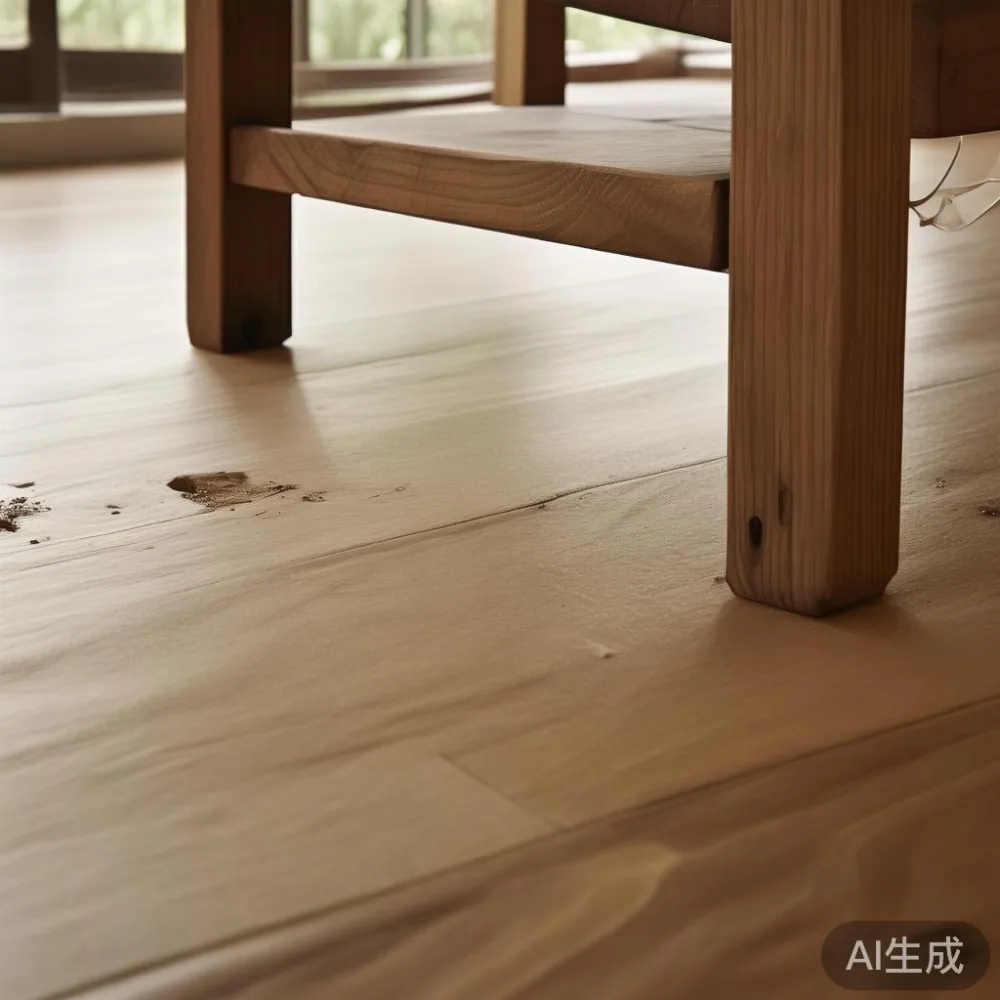
Singapore’s rainfall reinforces the effect. During a 25 mm afternoon shower, outdoor relative humidity can approach 100%. Once that moist air enters a flat and meets a cooler surface, the wood and lacquer experience a more pronounced moisture cycle. Indoor readings should be checked with a hygrometer placed at furniture height, not directly against an air-conditioner vent.
New furniture needs time to acclimatise. A solid wood sofa, bed frame or dining table should remain in its delivery area for at least 24 to 72 hours before assembly if possible. This lets the timber respond gradually to the room’s typical conditions instead of changing rapidly from a factory environment.
Can a coastal style dining table survive Singapore humidity?
Yes, provided the table is made from properly seasoned wood, joined for dimensional movement and finished on all relevant surfaces. Many dining tables use finger joints or floating tenons so individual boards can expand without forcing the frame apart. A screwed apron, a stable base and an even finish offer similar protection.
For a 4-person coastal style dining table, allow at least 90 cm of clear width per place setting and around 75 cm of circulation space beyond the chairs. A 180 cm table accommodates 4 to 6 people; a 220 cm model generally suits 6 to 8. Height matters too: a dining surface around 75 cm works for most dining chairs, while a 90 cm-high table would suit a compact breakfast zone or counter seating.
The table should stand away from full-height glazing and air-conditioning outlets. A gap of 30 to 60 cm from a window wall is sensible where condensation is frequent. Coasters are still useful: a hot mug can leave a mark before moisture does, while a damp glass can trap water beneath its base. Wipe both immediately and use a mat or coaster for coasters and small marble accents.
For buyers comparing design references, the top 10 Minimalist furniture lists often feature pale woods, restrained profiles and practical storage. In dining terms, Minimalist for dining room means fewer visual distractions, not flimsy construction. A well-proportioned dining table with solid timber construction remains central to the room.
Which solid wood pieces need the most care in HDB homes?
Flat-pack furniture and lightly framed pieces deserve particular attention because humidity can make joint movement more visible. A wardrobe with broad doors, a bed frame with large headboard panels and a dining table made from wide boards respond more noticeably than a narrow-legged nightstand.
HDB lift and corridor dimensions should be checked before delivery. A common passenger lift has an internal door width around 90 cm and a car depth near 130 to 160 cm, although building specifications vary. A wardrobe 120 cm wide and 60 cm deep can often pass through if it is turned diagonally, but a rigid package may be refused by building management if the packaging exceeds posted dimensions.
Useful measurements for a Singapore move include the lift door, the corridor turning radius, the flat’s main doorway and the intended furniture position. A bed frame delivered in two sections can make handling much easier than one 190 cm-long package. The frame should have enough clearance for ventilation: approximately 10 cm behind a wardrobe and 15 to 20 cm below a bed where practical.
Singapore’s standard electrical sockets and air-conditioning systems also influence placement. Keep a wooden nightstand around 15 cm from a wall outlet so plugs are not strained, and avoid direct airflow from a wall-mounted unit. The airflow can lower the local relative humidity rapidly, causing a finish to react unevenly.
Is 55% relative humidity enough for solid wood furniture?
An indoor target around 45% to 60% relative humidity is practical for most occupied Singapore interiors. A short period above 65% is manageable, especially with ventilation and air-conditioning, but a room that remains near 80% should receive closer attention. Sharp daily changes can be more demanding than a stable reading slightly above the preferred range.
Place a digital hygrometer near the centre of the room and compare it with one near a window. If the readings differ by more than 10 percentage points, rearrangement may reduce stress. A low reading near an air-conditioning vent does not mean the whole room is dry. Position the sensor around 100 cm above the floor and away from doors, vents and direct sunlight.
Control moisture at the source. Run the air-conditioner in the room containing the furniture, use exhaust fans after bathing, and dry laundry outdoors where regulations and building rules permit. Dehumidifiers can help in persistently damp wardrobes or enclosed rooms; a unit rated for 20 to 30 square metres is suitable for many bedrooms, subject to its stated capacity. Stand it with space around the intake and outlet so air can circulate.
Do not wipe a wooden surface with an overly wet cloth. A lightly damp microfibre cloth followed by a dry cloth is enough for ordinary dust. Oils and waxes can nourish the surface, but solvent-heavy cleaners may alter an existing finish. Test any product on a concealed 10 cm by 10 cm area and wait 24 hours before treating the full panel.
Can a solid wood sofa or bed frame warp near a balcony?
Yes, if it repeatedly experiences wet balcony air, direct sun and temperature changes. A solid wood sofa near a sliding door should not be pushed tightly against the frame. Leave around 20 cm of airflow space and use curtains to moderate direct sunlight. The same rule applies to a bed frame beside an east-facing balcony, where morning sun can heat one panel faster than the rest.
Slatted bases generally tolerate seasonal movement better than continuous platform construction because each slat can expand slightly on its own. Check that the slats are not pinned so rigidly that natural movement creates squeaks or marks. A bed frame with a 90 cm-wide solid wood side rail, clean lines and a pale finish could fit the search for the best Minimalist bed for 2026, but placement remains as important as style.
Upholstery needs a separate moisture check. Cotton and linen can retain dampness, and foam may compress if repeatedly wet. Vacuum every 2 to 4 weeks, remove cushions so air can move beneath them, and address spills within 30 minutes. For coastal style interiors, washable removable covers are useful in homes where children, pets or frequent MRT breaks make accidents likely.
To evaluate a MIDHILL sofa in person, I visited a furnished showroom last month and tested a solid wood frame near an open entrance while the rest of the room was air-conditioned. The side facing the entrance read 68% relative humidity, compared with 54% beside the air-conditioner. After 6 hours, the exposed drawer moved about 2 mm, then returned as the room equilibrated. The movement was small and reversible, but it showed why a freestanding design with accessible adjustment is useful.
How should I choose humidity-resistant furniture for a condo?
Start with construction rather than a label. Ask whether the timber is kiln-dried or seasoned to a controlled moisture content, how panels are joined, and whether all exterior faces are finished. Hardwood species differ, so a maker should not claim that one oak dining table and one teak dining table behave identically.
For designer Modern light luxury furniture, look for durable joinery, restrained profiles and finishes that can be maintained over decades. French light luxury might favour pale upholstery and elegant curves, while American light luxury often combines generous proportions with substantial timber frames. Post-modern light luxury can introduce graphic forms, but every panel still needs stable joinery and complete finishing.
Check the warranty terms and the process for aftercare. MIDHILL provides a 10-year structural warranty and lifetime refinishing, which gives owners a route for scratches, colour changes or surface wear. Refinishing should be treated as planned maintenance rather than a remedy for persistent leaks or direct weather exposure.
Budget in Singapore dollars, including GST. A dining table may be priced from SGD 1,280 to SGD 3,800 depending on size, timber and detailing; a solid wood sofa may range from SGD 1,680 to SGD 4,500; a bed frame from SGD 980 to SGD 2,600; a wardrobe from SGD 1,480 to SGD 3,200; and a nightstand from SGD 280 to SGD 680. A marble table may sit between SGD 1,200 and SGD 3,600, with the marble’s porosity and vein matching affecting the price.
Buyers searching for for sale Coastal furniture should ask specific questions about moisture, finishes and delivery access. A coastal style dining table should not sit on a permanently damp balcony, and a coastal style bed frame should have enough clearance from condensation. White or blue paint alone does not make a product suitable for the climate.
For storage solutions, the best Japandi wardrobe for 2026 would ideally use well-seasoned timber, adjustable hinges and ventilated interior compartments. Avoid pushing wardrobe contents against the back panel. Leave approximately 5 cm around folded clothing and 10 cm behind the unit. Hanging rails should remain straight because humidity can make timber shelves bow into narrow gaps.
What should I do before delivery and after a wet spell?
Prepare the route 2 to 7 days before arrival. Measure the lift door, lift car, corridors, stair turns, doorway and room clearance. Add at least 10 cm to the packaged dimensions when negotiating turns. Building management may require the delivery time to be booked, and a truck should not block a fire corridor.
MIDHILL offers delivery in Singapore, with dispatch commonly taking 7 to 21 days depending on stock and configuration. Delivery over US$350 includes free shipping under the stated policy, while local GST and any building-specific charges should be confirmed at checkout. Furniture that must be assembled usually needs 30 to 90 minutes; a bed frame may require 45 to 75 minutes and 2 people.
Keep the original protective packaging until the piece is in place. Check corners, panels and moving parts before accepting. Photograph the furniture and packaging for reference. If a component is damaged, document it on the delivery day and contact the supplier promptly.
After a heavy rain spell, wipe exterior surfaces dry, open wardrobe doors for 30 to 60 minutes and run air-conditioning to remove excess moisture. Do not place wet items directly on a dining table or nightstand. A marble table should also be protected from acidic liquids because even sealed natural stone can stain if juice, wine or vinegar remains.
Inspect moving parts every 6 months. Tighten hinge screws only as needed; over-tightening can restrict natural adjustment. Drawer runners should be cleaned every 3 months, and silicone feet or felt pads should be replaced when compressed. Keep at least 5 cm between furniture and walls where possible.
The practical balance is simple: solid wood can thrive in Singapore when its movement is respected. Stable indoor humidity, sensible placement and regular care protect a coastal style collection far more effectively than treating wood as completely moisture-proof. The result is furniture that retains its colour, joint strength and visual calm across many humid seasons.