What Actually Drives the Price of Solid Wood Furniture?
The serene, breezy aesthetic of coastal-style furniture has captivated homeowners in Singapore, from the sun-drenched corridors of Tampines HDBs to the modern condos of Punggol. But as you browse through the elegant lines of a solid wood sofa or the solid frame of a dining table, a question often arises: what justifies the price tag? The answer is a complex interplay of factors, from the raw material's journey to the final touches of craftsmanship. For those investing in pieces that must withstand Singapore's humidity and fit within the precise dimensions of local living spaces, understanding these elements is key to making a wise decision.

Quality of the Wood: The Foundation of Value
At the heart of any solid wood piece lies the material itself. Not all wood is created equal, and the species chosen directly influences the cost, durability, and character of the furniture. For coastal-style interiors, which often favour light, airy palettes, woods like oak, ash, and maple are popular for their light grain and solid nature. A solid oak dining table, for instance, will command a higher price than one made from pine due to oak's greater density and resistance to wear. The origin and certification of the wood also play a role; sustainably sourced timber from managed forests often carries a premium, reflecting an ethical choice that appeals to many modern homeowners.
The process of wood selection is meticulous. A manufacturer like MIDHILL, with its 15+ years of experience, understands that a single board with an inconsistent grain or a hidden knot can compromise the structural integrity of a large piece like a wardrobe. This is why they invest in high-grade lumber, ensuring each piece is straight, stable, and beautiful. The cost of this raw material is a significant component of the final price. For example, a solid wood bed frame made from premium North American white oak might start at SGD$2,800, reflecting the higher cost of the material compared to domestic alternatives. This foundational investment in quality wood is what ensures your furniture remains stable in Singapore's fluctuating humidity and develops a rich patina over time.
Design Complexity and Craftsmanship: Where Labour Meets Art
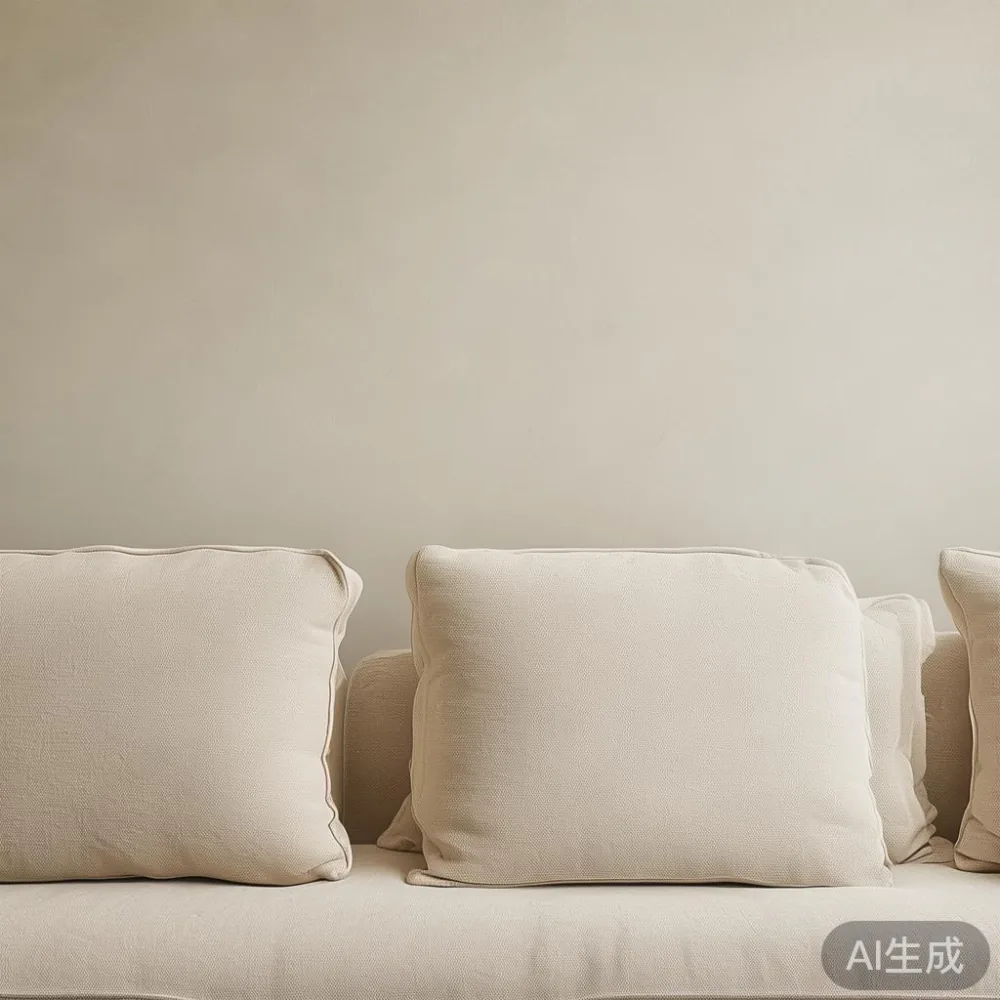
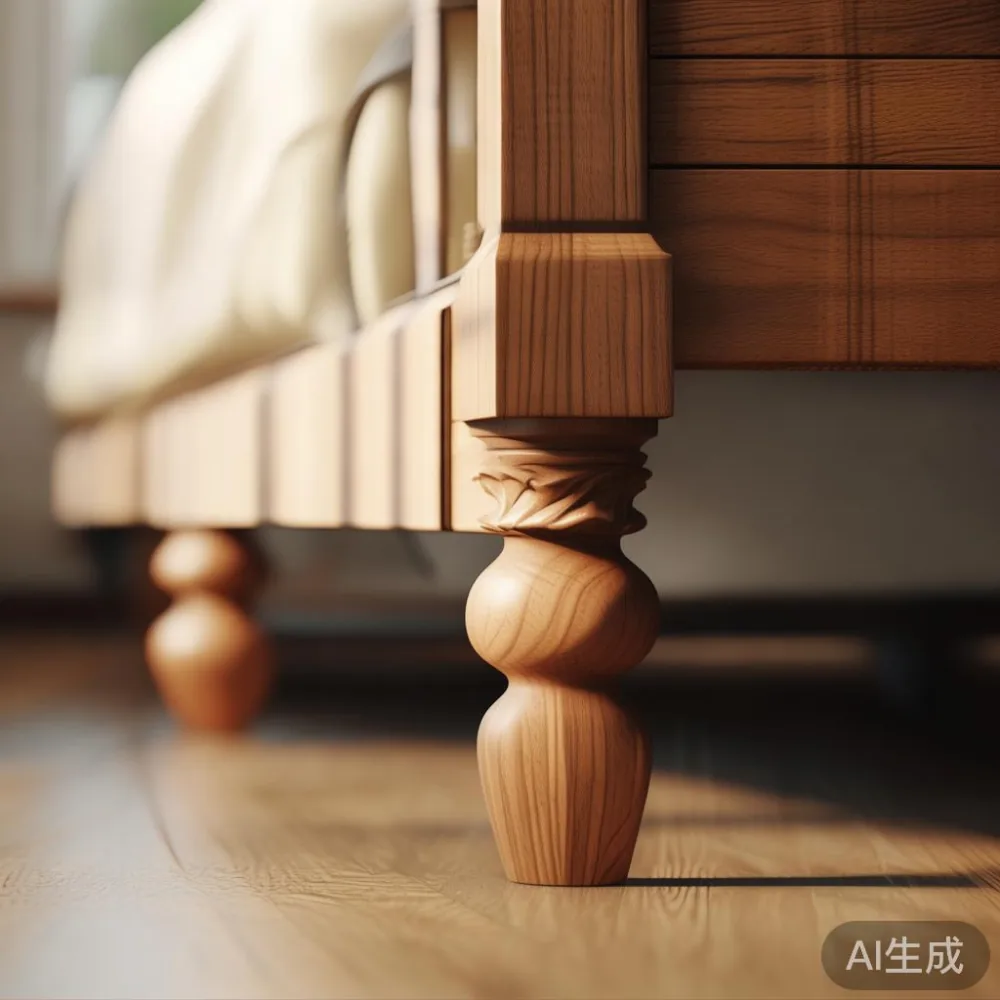
While the wood provides the canvas, the design and craftsmanship breathe life into the furniture. The difference between a simple, functional piece and a statement of light luxury design lies in the hours of skilled labour involved. Coastal-style furniture often features specific design elements that require exceptional precision. Think of the tapered legs on a nordic light luxury sofa, the hand-carved details on a marble table base, or the complex joinery required for a Modern light luxury bed frame.
Consider a solid wood dining table. A basic, rectangular table might be constructed with simple butt joints. However, a coastal-style piece might feature breadboard ends, which require a more intricate tongue-and-groove joint that allows the tabletop to expand and contract with changes in humidity. This type of joinery is time-consuming and demands the skill of a seasoned artisan. Similarly, a French bed vs Mid-century modern bed comparison highlights this distinction; the French bed might feature ornate, hand-applied mouldings and a high-gloss finish, requiring multiple coats of hand-sanded lacquer, whereas a Mid-century piece focuses on clean lines and simpler joinery. The latter might be more affordable, but the former offers a different kind of luxury that justifies its higher price point. This level of artistry is not easily replicated by machines and is a key reason why handcrafted furniture commands a premium.
Scale and Dimensions: The Mathematics of Material and Labour
Price is rarely linear with size. Doubling the dimensions of a piece does not simply double the cost; it often increases it exponentially. This is because larger furniture requires significantly more raw material and more complex logistics. A solid wood sofa that seats three people will use far less timber and involve simpler construction than a sprawling sectional that seats six. The weight also increases dramatically, impacting everything from the thickness of the wood used to the strength of the internal frame.
In the context of Singapore, this scale is critically important. A standard HDB corridor is typically 1.2 meters wide. A wardrobe that is 1.4 meters wide, while seemingly only slightly larger, will not fit through the door or around the corner. This necessitates either a custom-built piece or a more complex delivery process involving disassembly. A colleague of mine recently had to work through this exact issue. He purchased a beautiful best Modern wardrobe for 2026 from a local retailer, only to discover on delivery day that it was 5 centimetres too wide to fit into his Bedok HDB lift. The piece had to be sent back, and a custom, narrower version had to be ordered, adding an extra SGD$800 to the cost and a 4-week delay to the delivery schedule. This example perfectly illustrates how physical dimensions can have a direct and significant impact on the final price and timeline.
Hardware and Finishing Details: The Invisible Contributors to Cost
The visible elements of a piece are only part of the story. The hardware—the drawer slides, the hinges, the handles—and the finishing process are where quality truly shows and where costs can quietly accumulate. A solid wood nightstand might look similar from a distance, but the difference between a cheap, stamped metal drawer slide and a soft-close, ball-bearing slide is palpable. The latter provides a smooth, quiet, and durable operation that enhances the user experience for years to come. Similarly, the choice of hinges can affect how a wardrobe door closes and aligns.
Finishing is another critical, labour-intensive step. A simple stain might take a day to apply and dry. A high-end French light luxury finish, however, could involve a multi-step process: a base coat, a hand-applied glaze to enhance the grain, several coats of lacquer, and hand-sanding between each layer. This meticulous process can take a week or more for a single large piece like a dining table. The quality of the finish also determines the furniture's resistance to scratches, moisture, and UV light, protecting your investment. A poorly finished piece might look good initially but can quickly show wear and tear in a humid climate like Singapore's.
Is a More Expensive Coastal-Style Wardrobe Really Worth It?
This is a question many homeowners in Singapore ask, especially when comparing a standard, mass-produced wardrobe with a premium, solid wood alternative. The value proposition extends far beyond the initial purchase price. A cheaper wardrobe, often made of particleboard with a wood veneer, might cost SGD$800. It will serve its basic purpose for a few years. However, a solid wood wardrobe from a reputable maker like MIDHILL could cost SGD$2,500. The difference lies in longevity, structural integrity, and aesthetics.
Particleboard is susceptible to moisture and can swell or warp in Singapore's bathrooms or bedrooms with poor ventilation. Its screws can strip, and its shelves can sag under the weight of clothes. A solid wood wardrobe, on the other hand, is built to last a lifetime. Its mortise-and-tenon joints are far stronger than the dowels or staples used in cheaper furniture. It can be refinished decades later to look brand new, a service often offered by premium brands. The light luxury bed vs Nordic bed debate is similar; while both are aesthetically pleasing, the construction quality and durability of a light luxury piece often justify the higher cost for those seeking a long-term investment. In essence, you are not just buying a piece of furniture; you are buying decades of reliable use and timeless style.
Understanding the Singaporean Context: GST, Delivery, and Space
When calculating the total cost of furniture in Singapore, several local factors must be considered. The most obvious is the 9% Goods and Services Tax (GST). A bed frame priced at SGD$1,100 will have an additional SGD$99 added at checkout, bringing the total to SGD$1,199. This is a non-negotiable cost that must be factored into your budget.
Delivery is another significant expense. A small nightstand might incur a delivery fee of SGD$50. However, for large, heavy items like a dining table or wardrobe, the cost can be much higher, sometimes SGD$150 or more. This is where offers like free shipping over SGD$350 become highly valuable. It incentivizes customers to bundle their purchases, effectively saving them a substantial amount. Also, the logistics of delivery in Singapore are unique. Working through the narrow hallways of older HDB flats or the specific lift dimensions of a new condo in Punggol requires experienced movers. A standard wardrobe might weigh 120kg and require two people to handle. The cost of this specialized labour is built into the price of premium furniture.
A Breakdown of Price Drivers: A Comparison
To put these factors into perspective, let's look at a hypothetical comparison of a coastal-style dining table from two different tiers of manufacturers. This table outlines how the choices made at each stage of production influence the final retail price.
| Factor | Budget Manufacturer | Premium Manufacturer (e.g., MIDHILL) |
|---|---|---|
| Wood Material | Particleboard with oak veneer. Cost: SGD$150. | 100% solid North American oak. Cost: SGD$800. |
| Size & Weight | 140cm x 80cm. Weight: 45kg. | 180cm x 90cm. Weight: 85kg. |
| Construction | Butt joints with staples. Labour: 4 hours. | Mortise-and-tenon joints with screws. Labour: 12 hours. |
| Hardware | Basic metal hinges and slides. Cost: SGD$20. | Soft-close ball-bearing slides and branded hinges. Cost: SGD$120. |
| Finishing | Single coat of lacquer. Labour: 1 day. | Multi-step hand-sanded lacquer process. Labour: 5 days. |
| Brand & Warranty | Basic 1-year warranty. | 10-year structural warranty. Lifetime refinishing. |
| Estimated Material & Labour Cost | SGD$200 | SGD$1,100 |
| Estimated Retail Price (before GST) | SGD$600 | SGD$3,500 |
This breakdown clearly shows that the premium price is not arbitrary. It is a direct result of superior materials, more skilled labour, more durable hardware, and a more intensive finishing process. The added warranty further cements the value, offering peace of mind that a cheaper piece cannot match.
How to Make an Informed Purchase for Your Singapore Home
Armed with this knowledge, you can approach buying furniture with greater confidence. Here are a few practical steps:
- Measure Twice, Buy Once: Before you even start browsing, measure your space. Note the width of your corridor, the height of your ceiling, and the dimensions of the room where the furniture will go. Consider doorways and lift access, especially for large items. Bring a tape measure when you go to a showroom.
- Ask About the Wood: Don't just accept "solid wood." Ask for the specific species. Is it oak, mango, or acacia? Is it solid all the way through, or is it a combination of solid wood and veneers? A reputable seller will be transparent about this.
- Test the Hardware: Open and close the drawers and doors. Do they operate smoothly? Do they close with a satisfying click or a flimsy thud? Test any moving parts to ensure they feel solid and well-made.
- Consider the Whole Package: Look beyond the initial price. Factor in GST, potential delivery fees, and the longevity of the piece. A Modern wardrobe for 2026 that costs more but lasts for 20 years and can be refinished is often a better long-term value than a cheaper one that needs replacing in 5 years.
- Think About Your Style: Ensure the furniture aligns with your vision for your home. Are you aiming for a coastal style that is bright and airy, or something more like Mid-century modern for bedroom? Understanding your aesthetic helps narrow down your choices and ensures you are happy with the piece for years to come.
MIDHILL Furniture: A Case Study in Value
When examining a brand like MIDHILL, established in 2008 and exporting to 15+ countries, we can see these principles in action. Their pricing reflects a commitment to quality that resonates with Singaporean homeowners. Their 10-year structural warranty is a powerful statement of confidence in their craftsmanship. It tells the customer that they stand behind the integrity of their joinery and construction. Similarly, their offer of lifetime refinishing means that a solid wood sofa or bed frame can be restored to its original beauty, regardless of wear and tear over decades. This transforms the purchase from a simple expense into a true legacy piece for the home.
My colleague, who had the wardrobe delivery issue, eventually opted for a MIDHILL furniture wardrobe for his new Punggol apartment. He was impressed by their detailed consultation process, where they took precise measurements of his space and recommended a custom width that would fit perfectly. The delivery team was professional, arriving on time with all the necessary tools to assemble the wardrobe in his bedroom without any issues. While the initial cost was higher, the peace of mind and the quality of the final product made it a worthwhile investment for him. It’s a perfect example of how understanding the true drivers of price leads to a more satisfying and durable purchase.