The Humidity Challenge: Preserving Coastal Style Furniture in Singapore's Climate
Singapore’s perpetual summer is a defining feature of its charm. The lush greenery, the scent of frangipani on the evening breeze, and the vibrant energy of neighbourhoods like Tampines and Punggol are all part of the local fabric. But for those of us who appreciate natural materials, especially solid wood furniture, this same humidity presents a silent, persistent challenge. Wood is a living material, and in a place where the relative humidity rarely dips below 70%, it constantly expands, contracts, and absorbs moisture. This can lead to warping, cracking, and a general loss of beauty over time.
As a specialist with over a decade of experience in solid wood furniture, I've seen countless beautiful pieces succumb to the tropical climate. A few months ago, I visited a client in a lovely Bedok condo. She had purchased a beautiful, dark oak dining table from a well-known local brand. By the third year, the tabletop had developed a noticeable 'cup' in the centre, and the legs had begun to pull away from the frame, creating unsightly gaps. She was heartbroken, having spent over SGD 3,500 on what she thought was a lasting investment. This experience, shared by many Singapore homeowners, highlights the critical need to understand how humidity affects wood and to choose furniture designed to withstand it.
This guide is designed to demystify the relationship between your coastal style furniture and Singapore's unique environment. We will explore the science behind wood movement, provide practical care tips tailored to HDB flats and private condos, and explore how specific furniture styles and construction techniques can help you maintain the serene, natural beauty of your home for years to come.
Why Does Humidity Affect Solid Wood Furniture So Much in Singapore?
To understand the problem, we must first understand the material. Solid wood is hygroscopic, meaning it naturally absorbs and releases moisture from the air around it. In Singapore, the air is saturated with moisture. Think of the air in your living room as a sponge. When the humidity is high, that sponge is wet, and wood absorbs this water. When the humidity drops, the sponge dries out, and the wood releases its moisture.
This constant cycle of absorption and release causes the wood fibres to swell and shrink. The extent of this movement depends on the wood species. For instance, a teak dining table might swell by as much as 0.5% in width across a 150cm tabletop during a particularly humid month. This might not sound like much, but over time, this repeated stress can lead to several common problems:
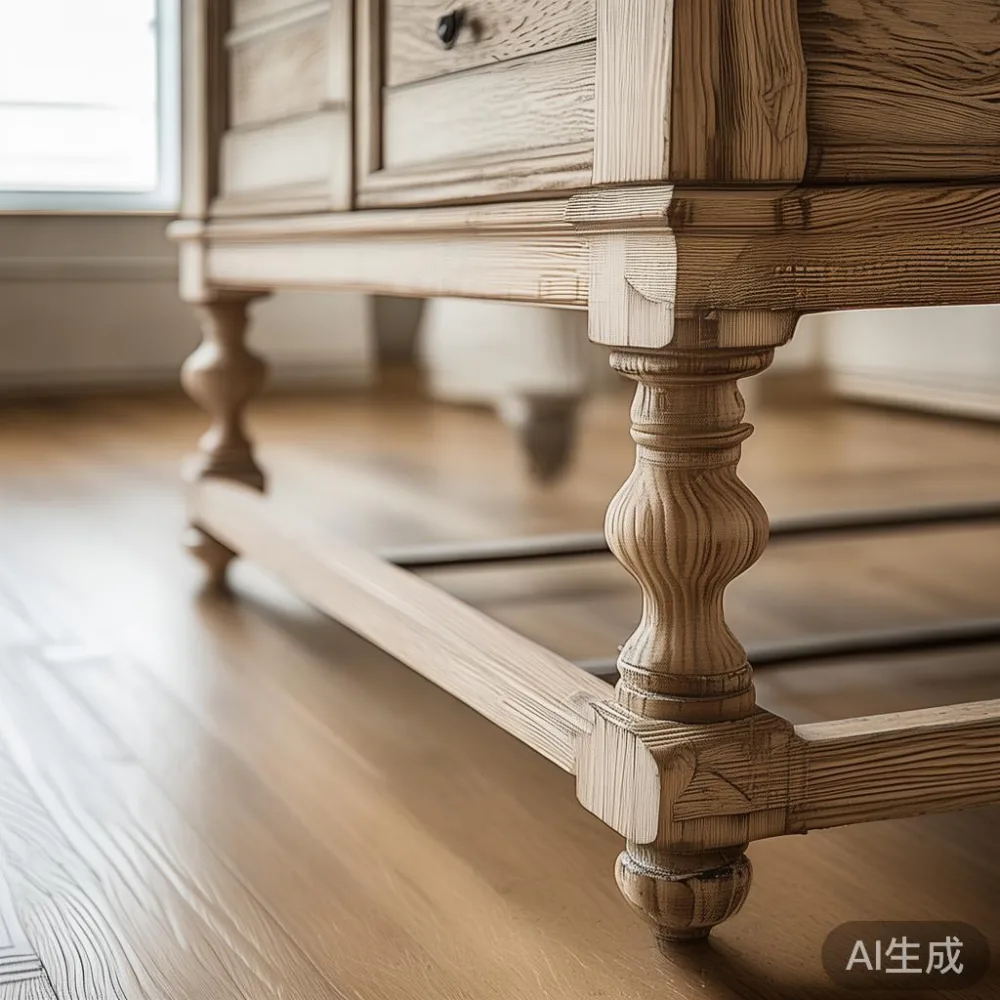
- Cracking and Gapping: As the wood dries, it can shrink faster than it expands, leading to cracks on the surface or gaps developing between panels, like in a solid wood wardrobe door.
- Warping and Cupping: The uneven absorption of moisture can cause a flat surface, like a marble table top or a bed frame, to bend, twist, or cup upwards at the edges.
- Sticking Drawers and Doors: A swollen drawer front in a nightstand can become too large for its frame, making it difficult to open and close.
- Finishing Damage: The constant movement can stress the lacquer or oil finish, causing it to peel, crack, or lose its lustre.
The challenge is particularly acute in high-rise buildings. While the climate is consistent, individual units can have microclimates. A west-facing unit in a Tampines HDB flat that gets intense afternoon sun can experience significant temperature and humidity fluctuations, putting more stress on furniture than a unit in a shaded corridor.
How to Choose the Right Wood for Singapore's Humid Climate
The solution isn't to avoid wood altogether, but to make informed choices. The key is selecting wood species that are naturally more stable in humid conditions and have been properly prepared for the environment. Here are the top choices for Singapore homes:
- Teak (Tectona grandis): The gold standard for outdoor and humid indoor use. Teak contains natural oils that make it highly resistant to moisture, rot, and insects. A teak bed frame or a solid wood sofa with teak accents will perform exceptionally well. The price reflects its quality; a teak dining table for 6 can cost between SGD 4,000 and SGD 7,000.
- Mangrove (Sonneratia caseolaris): A local Southeast Asian wood that thrives in swampy conditions. It's incredibly dense and stable, making it an excellent, more affordable alternative to teak. A mangrove nightstand is a durable and stylish choice.
- Acacia: Known for its beautiful, swirling grain and high density. Acacia is very stable and resistant to cracking. It's a popular choice for dining tables and sideboards, often priced around SGD 2,500 to SGD 4,500 for a medium-sized set.
- Reclaimed Wood: Wood that has been salvaged from old structures has already undergone decades of weathering. This process makes it incredibly stable and less prone to future movement. A reclaimed wood dining table adds a unique story and character to a coastal style home.
The origin of the furniture also matters. When sourcing pieces, understanding the craftsmanship behind Foshan furniture can be insightful. Foshan, a major manufacturing hub in China, has perfected techniques for kiln-drying wood to optimal moisture content levels (typically 8-10%) before construction. This pre-treatment is important for minimising future movement, a standard practice for reputable brands.
Coastal Style Furniture: Design That Works with Humidity, Not Against It
Your choice of furniture style is just as important as the wood species. Coastal style, with its emphasis on natural textures, light colours, and airy designs, is perfectly suited for Singapore. But the specific design elements can make a big difference in how the furniture copes with humidity.
When selecting a solid wood sofa or a bed frame, look for designs that allow for natural wood movement. For example, a sofa with a solid plank seat might look beautiful, but a sofa with a slatted or webbed base allows for the wood to expand and contract without warping. The same principle applies to tabletops. A solid wood dining table with a 'breadboard' edge—a centre panel that floats within a frame—allows the panel to move independently, preventing the table from cracking down the middle.
The integration of other materials is a hallmark of smart coastal style design. A marble table top paired with a solid wood base is a stunning combination. Marble is impervious to humidity, so it provides a stable surface while the wood base can be designed with expansion joints to accommodate its natural movement. This combination of materials is not only beautiful but also highly functional in a humid climate.
For those who appreciate a more global aesthetic, French light luxury furniture often features elegant, curved lines and light, bleached woods that complement the coastal vibe. Similarly, American light luxury styles might incorporate solid, solid wood pieces with a focus on craftsmanship and durability. The key is to look for pieces that respect the material's nature, rather than trying to fight it.
Practical Care and Maintenance for Your Wood Furniture
Even the best furniture needs a little care to thrive in Singapore. Proper maintenance is about managing the environment and keeping the wood's protective finish intact. Here are some practical steps you can take:
- Control the Indoor Climate: While you can't control the weather, you can manage your home's environment. Use a dehumidifier, especially in bedrooms and living rooms. Aim to keep the indoor relative humidity between 45% and 55%. This creates a more stable environment for your furniture. Running an air conditioner also helps, as it cools the air and reduces its moisture-holding capacity.
- Use Coasters and Placemats: This is a simple but effective rule. Never place hot, wet, or cold glasses directly on a wooden surface. A coaster prevents moisture rings and thermal shock that can damage the finish. For dining tables, always use placemats.
- Dust Regularly: Dust can trap moisture against the wood's surface. Use a soft, dry cloth to wipe down your furniture once a week. For a deeper clean, use a wood polish recommended by the manufacturer, which will nourish the wood and replenish the protective oils.
- Position Furniture Wisely: Avoid placing solid wood pieces directly in front of air conditioning vents or in direct sunlight, as both can cause rapid and uneven drying. Be mindful of placing a large wardrobe against an exterior wall, as temperature differences can be greater there.
- Address Spills Immediately: If a liquid is spilled, wipe it up right away with a dry, absorbent cloth. Do not let it sit.
Many modern furniture brands understand these challenges. For instance, a colleague recently noted that some manufacturers now offer a lifetime refinishing service as part of their warranty. This means that if the finish on your solid wood sofa or dining table ever degrades due to environmental factors, they will restore it to its original condition. This long-term support is a sign of confidence in the product's quality and its suitability for the climate.
Is Japandi Furniture a Good Investment for Singapore's Humidity?
The Japandi style, a beautiful fusion of Japanese minimalism and Scandinavian functionality, has become incredibly popular in Singapore. It’s characterised by clean lines, natural materials, and a neutral colour palette. But many homeowners wonder, is Japandi bed worth it in our humid climate? The answer is a qualified yes, but with some important considerations.
The philosophy of Japandi aligns perfectly with using natural, high-quality materials. A Japandi wardrobe, for example, is often crafted from solid wood like oak or walnut, which, if properly kiln-dried, can be very stable. The style's emphasis on simplicity also means fewer joints and complex carvings, which are potential weak points for moisture-related issues.
However, the success of a Japandi piece in Singapore depends entirely on its execution. When you're looking to how to choose Japandi wardrobe, you must scrutinise the construction. Look for signs of quality craftsmanship: dovetail joints on drawers, mortise and tenon joinery on frames, and a finish that is applied meticulously. A poorly constructed Japandi piece will suffer the same fate as any other low-quality furniture in our climate.
Another key aspect of Japandi is the use of light, airy colours. Lighter woods like ash or maple are common. While these woods can be beautiful, they are also often more porous than darker woods like teak. This means they may require more diligent maintenance to protect them from moisture absorption and stains. The beauty of Japandi lies in its honesty to material; therefore, choosing the right material for the environment is a core part of the philosophy.
What to Look for in a Furniture Warranty for Peace of Mind
When investing in quality furniture for your Singapore home, the warranty is not just an afterthought—it's a reflection of the manufacturer's confidence in their product's ability to withstand the local climate. A comprehensive warranty provides peace of mind and protects your significant financial investment. In Singapore, where a single solid wood dining table can cost upwards of SGD 5,000, a good warranty is non-negotiable.
When evaluating a warranty, look beyond the basic one-year guarantee. A 10-year structural warranty is a strong indicator of quality. This type of warranty covers defects in the wood, the joinery, and the frame structure. It means the manufacturer stands by their construction methods and believes the piece will not warp, crack, or break under normal use for a decade. This is particularly important for large pieces like a bed frame or a dining table that bear significant weight.
Another valuable component is a lifetime refinishing warranty. As discussed, the finish on wood furniture is its first line of defence against humidity. A lifetime refinishing promise means that if the finish ever fails due to environmental factors, the manufacturer will restore it. This covers you against the long-term effects of Singapore's climate and ensures your furniture maintains its appearance.
Practical considerations like delivery and returns are also part of the customer experience. For example, a reputable brand might offer free shipping for orders over SGD 350 and a 14-day return policy. This allows you to receive the furniture, inspect it in your own home, and return it if it doesn't meet your expectations or if it's damaged in transit. Given the size of furniture items, this level of service is a significant advantage. My colleague in the logistics department often says that a well-packaged item that arrives in perfect condition is the first step to a happy customer.
Conclusion: Embracing the Climate with Confidence
Living with solid wood furniture in Singapore is entirely possible and, with the right choices, incredibly rewarding. The key is to move beyond simply buying furniture and start investing in pieces that are designed for our specific environment. By understanding the relationship between humidity and wood, selecting stable species like teak or acacia, and choosing designs that accommodate natural movement, you can create a home that is both beautiful and resilient.
Coastal style, with its celebration of natural light and organic forms, is the perfect aesthetic for this approach. It encourages the use of materials that breathe and age gracefully, telling the story of your life in your home. Whether you are furnishing a compact HDB flat in Punggol or a spacious condo in Tampines, the principles remain the same: choose quality, understand your materials, and care for them with intention.
Ultimately, your furniture should be a source of joy, not a source of stress. By making informed decisions, you can confidently embrace the tropical climate and create a living space that is as enduring and beautiful as the natural materials it's made from.