How Do You Care for a Lacquered Surface in Singapore’s Tropical Climate?
A lacquered finish can make a coastal style dining table, solid wood sofa, or wardrobe look calm, bright, and refined. It also gives humid Singapore homes a useful protective skin over the timber beneath. The catch is that tropical heat, condensation, airborne salt, and frequent hand contact can leave a lacquered surface dull, hazy, or sticky if it receives the wrong treatment.

I tested a lacquered bedside table in my own HDB flat last month. I placed it beside a frequently opened balcony door, where the room temperature ranged from 26°C to 31°C and the relative humidity shifted with the evening weather. After 6 weeks of daily use, a lightly damp cloth left visible marks. A soft microfibre cloth, properly dry, removed them without dulling the sheen. That experience shaped the routine below.
This guide explains how to care for lacquered furniture in Singapore, with practical measurements for Tampines, Bedok, and Punggol homes. It also covers lifting through common lift and corridor dimensions, safe cleaning, delivery expectations, and the reasons to review care instructions before choosing a finish.
What does “lacquered surface” mean?
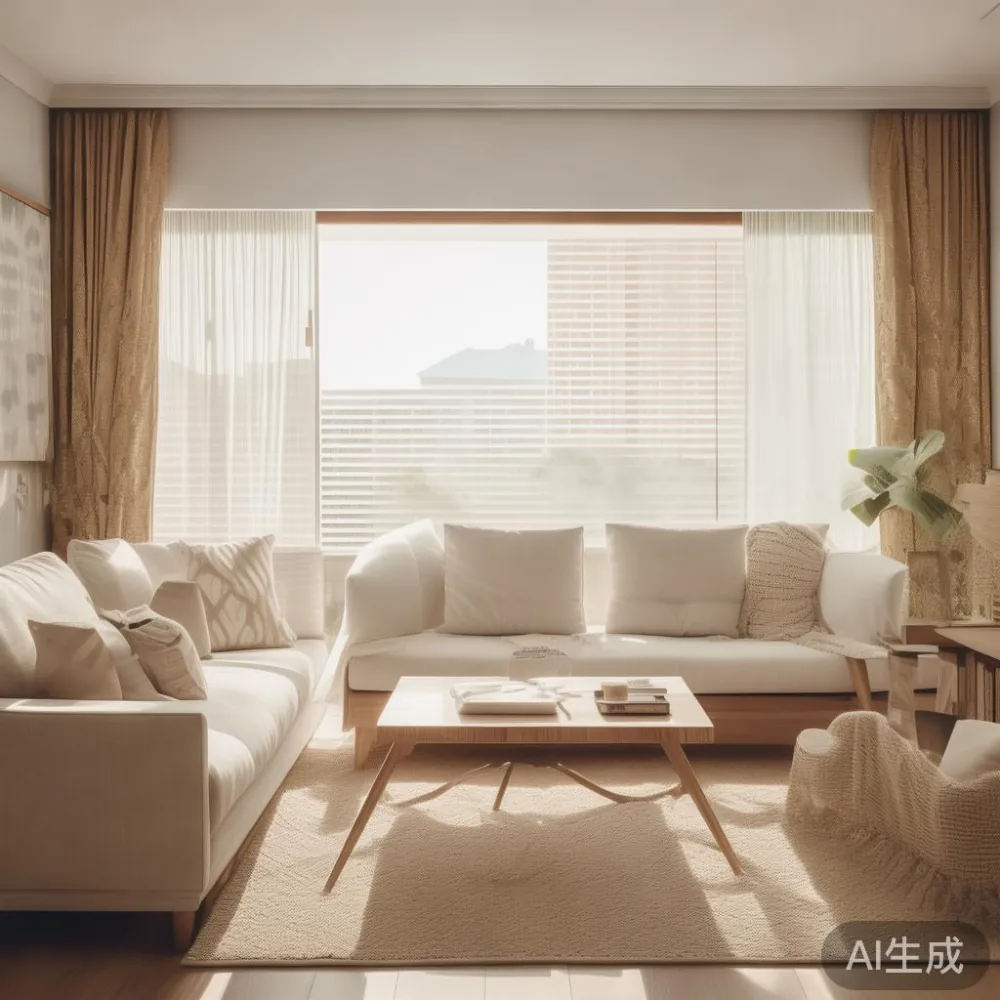
Lacquer is a clear or coloured coating applied to furniture as a final layer. Unlike an open-pore oil finish, it forms a smoother barrier against spills and everyday marks. The appearance can range from a pale matte sheen to a high-gloss reflection. Because coastal style often relies on pale woods, white joinery, and restrained details, lacquer helps preserve a clean visual line.
A lacquered dining table is still a dining table, not a glass or marble table. Its lacquer may sit over solid wood, while a marble table has a stone top and its own sealing requirements. Do not transfer one product’s care method to another. A lacquered bed frame, solid wood sofa, wardrobe, nightstand, and French provincial coffee table can each have different joints, coatings, and cleaning tolerances.
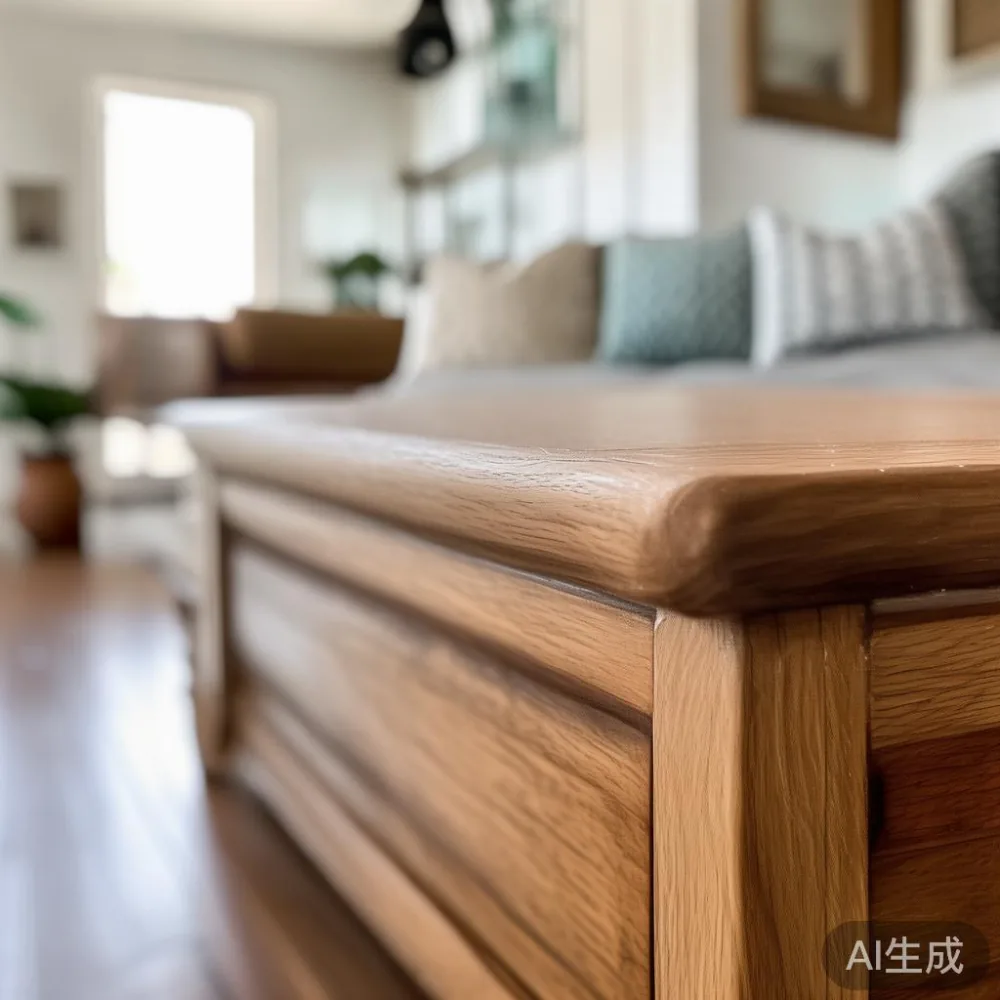
Ask the supplier for the exact finish name, cleaning instructions, and repair guidance. MIDHILL’s 10-year structural warranty covers structural integrity, but a scratch caused by an abrasive cleaner may fall outside that coverage. Lifetime refinishing is a separate service and should not be mistaken for a free recoat for accidental damage.
How often should I clean a lacquered surface?
Use a two-level routine: dust weekly and clean more carefully every 4 to 6 weeks, or sooner when a surface collects visible grime. In a cooler, drier room, this frequency may be enough. For a humid home near a balcony, a weekly wipe with a clean, dry microfibre cloth is sensible because salt and condensation particles can feel almost invisible until they are smeared across the finish.
For routine cleaning:
- Lower a soft microfibre cloth to the floor and dampen it with no more than 5 ml of mild pH-neutral dish detergent diluted in 500 ml of room-temperature water.
- Wring the cloth until it cannot drip. A lacquered dining table should not receive puddles or a direct spray of cleaner.
- Wipe in the direction of the grain or along the panel, using light pressure of roughly 1 to 2 kg.
- Follow with a second dry microfibre cloth and check for streaks after the surface dries in 10 to 15 minutes.
Avoid silicone sprays, ammonia, bleach, alcohol-based cleaners, furniture polish, and abrasive pads. Even a small amount of oily polish can create a patchy appearance. Test an inconspicuous 5 cm by 5 cm area for 24 hours before applying any new cleaner to a large panel.
For fingerprints around a wardrobe handle, use a barely damp cloth rather than flooding the lacquer. Keep liquids at least 20 cm away from lacquered joinery, and do not place wet vases or cooking pots directly on a nightstand. Coastal style can be practical, but the finish still dislikes standing water.
Will Singapore humidity cause lacquer to peel or bubble?
Good-quality lacquer can tolerate normal indoor humidity, but prolonged moisture exposure can weaken the connection between coating and substrate. Singapore’s outdoor relative humidity often reaches 80% to 90%, while air-conditioned interiors may sit near 50% to 60%. The sharp difference matters when a cabinet sits beside an open balcony door or in a corridor that experiences condensation.
Maintain a sensible indoor range of about 50% to 65% relative humidity where possible. A compact dehumidifier should be positioned with at least 30 cm of clearance around its intake and outlet. Do not aim the airflow directly at a lacquered wardrobe or bed frame. If condensation forms on a nearby glass surface, correct the air movement before the lacquer develops a mark.
Give lacquered furniture 15 to 30 cm of separation from a wall where practical. This permits inspection and reduces trapped moisture. In a compact HDB flat, that distance may not be achievable beside every wall, so airflow and careful wipe-down become more important.
Signs that require attention include a dull halo, lifting at a panel edge, tiny blisters, or a sticky area after cleaning. Do not press or peel the coating. Photograph the affected 20 cm section in daylight, record the date, and contact the supplier. Repair is easier within the first few days than after months of heat exposure.
Can sunlight fade a lacquered finish?
Yes. UV light can fade pigments and yellow some clear coats, especially on dark or warm-toned finishes. A light brown luxury sofa near a west-facing Tampines or Bedok window may receive direct sun for 1 to 3 hours in the afternoon. If curtains can close fully, use them between 11 a.m. and 4 p.m. rather than relying on a thin sheer layer alone.
Keep lacquered furniture at least 60 cm from windows when the layout permits. For a room with a bright balcony door, rotate a freestanding piece occasionally rather than allowing one side to remain in constant sun. UV-filter curtain film can reduce exposure while preserving daylight; select a film rated for at least 99% UV filtration.
Heat is another concern. A hot laptop can raise the local surface temperature to 50°C or more, and a warm lamp may reach 45°C during continuous use. Use a protective mat under a laptop and switch off lamps when they touch a lacquered nightstand. These measures support French light luxury, American light luxury, and post-modern light luxury interiors, where pale finishes and clean profiles are central to the look.
How do I remove scratches without damaging the lacquer?
Start by identifying the mark. A dust speck may wipe away with a dry cloth, while a shallow scratch needs a surface-safe correction. Use a clean, soft eraser designed for art or photography, not a standard rubber eraser with abrasive grit. Test it on a hidden 2 cm section first.
For a light scratch, move the eraser gently along the grain with minimal pressure. Follow with a dry cloth and wait 10 minutes to see whether the sheen has become cloudy. Some lacquers respond better to a lacquer-specific repair polish, but an unknown product can make the patch more visible. Obtain the supplier’s approved compound and application method before using one.
Deep scratches, chips, and splits are different matters. A chip exposing pale solid wood may admit moisture quickly. Place a clean microfibre cloth over the area without rubbing and contact the maker for guidance. Do not fill a chip with household wood filler unless the finish system is known, because filler can shrink and create a raised edge.
Preventive care is usually more predictable than repair. Use felt pads beneath coasters, placemats, and decorative objects. Replace a pad when it becomes dirty or compressed. Lift objects weighing more than 5 kg with two hands rather than sliding them across a lacquered dining table.
Will a lacquered wardrobe or bed frame fit through my HDB lift?
Measure before ordering. A standard HDB lift door may be about 80 cm to 90 cm wide, while the lift car can offer roughly 110 cm to 140 cm of depth depending on the block. Corridor widths and turns vary, and a bed frame may be more difficult than its carton dimensions suggest because rigid corners cannot be compressed.
For a bed frame, compare the packed dimensions with the narrowest lift entrance, the internal lift depth, and every corridor turn. A queen bed frame may be delivered in 2 to 4 cartons, each around 120 cm to 190 cm long. Ask whether the supplier can reduce the longest carton length to below 100 cm, where the design permits.
Measure the headboard diagonally if it will be tilted into a lift. The safe fit rule is simple: every point of the package needs at least 5 cm of clearance from the lift door and walls. Do not force a wardrobe through a doorway or hold an open lift door with an object; check the building’s lift booking rules as well.
If the buyer is considering the best American bed for 2026, product styling should be matched to access constraints rather than selected from appearance alone. The same applies to a solid wood sofa with wide arms, a marble table with a heavy stone top, or a wardrobe with tall doors. Record the lift number, floor, and delivery date so the crew can plan the route. Delivery commonly takes 7 to 21 days in Singapore, but made-to-order pieces may require 30 to 60 days.
Can a coastal style living room use lacquer without looking clinical?
Yes. Coastal style works best when pale surfaces are balanced with texture, warmth, and natural colours. Linen curtains, woven baskets, and a rug can soften a lacquered dining table without competing with its finish. Keep cleaning products away from textiles because overspray can leave a visible ring even when the lacquer itself seems unaffected.
For a compact Punggol or Bedok flat, a round French provincial coffee table can ease circulation around a solid wood sofa, while a rectangular lacquered dining table suits a narrower eating zone. A marble table may work as a side surface, but its natural veining creates a stronger focal point than a light lacquer. If your search includes Rustic for small living room ideas, combine one textured accent with calmer lacquered pieces rather than filling every corner with heavy decoration.
European light luxury for apartment living often depends on restraint, but restraint does not mean neglect. Dust weekly, clean every 4 to 6 weeks, and inspect lacquer near windows every 3 months. These small intervals make problems easier to spot while keeping the routine manageable in a home with a busy lift and limited storage.
How should a lacquered surface be protected during delivery and installation?
Delivery protection begins before the furniture enters the lift. Photograph the packed pieces and the lacquered panels on arrival. Check under the table, along wardrobe edges, and around nightstand corners for dents, scratches, or chips. If damage is visible, note it on the delivery record before the crew leaves.
Keep protective film or cardboard between the surface and moving blankets. Do not secure packaging with adhesive tape directly on lacquer; tape can lift the coating or leave an adhesive residue. Lift a marble table by its structural base and use a qualified crew when its packed weight exceeds 40 kg. A heavy stone top may require 3 or 4 people, depending on its size.
Check the flat pack contents against the instruction sheet, including screws, cam locks, and felt pads. Tighten fittings evenly rather than forcing one side. Let a new bed frame or dining table settle for 24 hours before tightening every connection again, as timber can respond slightly to indoor temperature and humidity.
Buyers searching for where to buy bed from MIDHILL should request the finish-care sheet along with dimensions and delivery terms. MIDHILL has exported to more than 15 countries since its 2008 establishment and provides a 10-year structural warranty, lifetime refinishing, 14-day returns, and free shipping on orders above US$350, with the Singapore price shown in SGD at checkout.
What should I do if lacquer looks dull after cleaning?
First, rule out residue. A greasy film can make a glossy surface appear milky. Wipe once more with the approved mild cleaner, then buff with a clean dry microfibre cloth for 30 to 60 seconds. If the haze remains, the coating may have been exposed to heat, moisture, or an incompatible product.
Do not immediately apply wax or oil. Those materials can temporarily improve shine while making the surface harder to clean. Inspect under daylight and with a 10-watt LED inspection lamp held 30 cm away. Compare the finish with an untouched area, such as the inside of a cabinet door.
Record the room temperature, humidity, cleaning products used, and when the change appeared. If the issue persists for more than 48 hours, stop applying cleaners and contact MIDHILL at midhillco@gmail.com. A finish inspection can distinguish between a dirty coating, a repairable scratch, and moisture damage requiring professional attention.
What is the practical care calendar for a Singapore home?
Daily: wipe a lacquered dining table after use and blot spills within 5 minutes. Weekly: dust with a dry microfibre cloth and inspect handles, balcony-facing panels, and windowsills. Monthly: check humidity and ensure lacquer stays 20 cm from damp walls or condensation. Every 4 to 6 weeks: clean with the diluted 5 ml detergent solution, then dry. Every 3 months: examine UV-exposed furniture for fading and lift any objects that have trapped moisture underneath.
Keep a simple care log with 6 entries each year: date, product, cleaner, humidity, and condition. For a high-use solid wood sofa or bed frame, include movement checks and tighten loose fittings only as instructed. For a wardrobe, inspect the lower 30 cm first, especially in a ground-floor unit with a nearby bathroom or service yard.
A lacquered surface suited to coastal style can remain bright and tactile with controlled moisture, measured cleaning, and prompt spill removal. The routine is not demanding; it is mostly about using less product, applying it correctly, and noticing small changes early. That discipline protects both the appearance and the long service life of the furniture.