How Humidity in Southeast Asia Affects Solid Wood Furniture
Singapore’s tropical climate can make an apartment look calm and comfortable while keeping the air around 70–80% relative humidity. That matters for solid wood furniture because timber expands as it absorbs moisture and contracts as moisture leaves it. In an HDB flat in Tampines, Bedok or Punggol, the largest daily swings often happen between a corridor and an air-conditioned living room. Doors, windows, balcony thresholds and lift lobbies can expose furniture to damp, salty air for 10–30 minutes at a time.
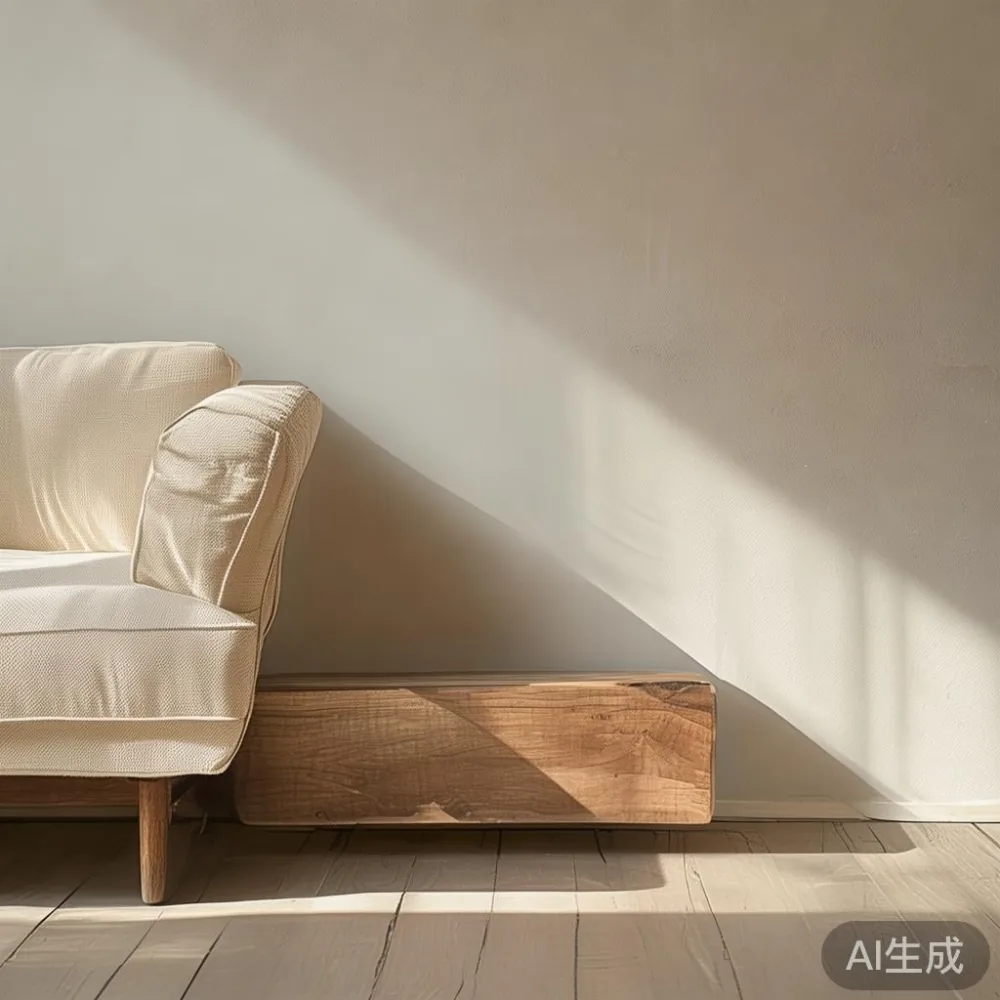
This guide explains how humidity affects solid wood, how to recognise movement, and what specifications to request from a Singapore supplier. It also covers coastal style interiors, where pale timber, upholstered seating and natural stone are used to create an airy impression without pretending that humidity does not exist.
Why does Singapore humidity affect solid wood furniture?
Relative humidity is the amount of water vapour in the air compared with the maximum the air can hold at that temperature. Around 30°C, air at 60% relative humidity contains about 17 grams of water per cubic metre; at 80%, it contains roughly 23 grams. A wood surface does not need to be visibly wet to respond. Its outer cells can gain or lose several percent moisture as humidity changes.
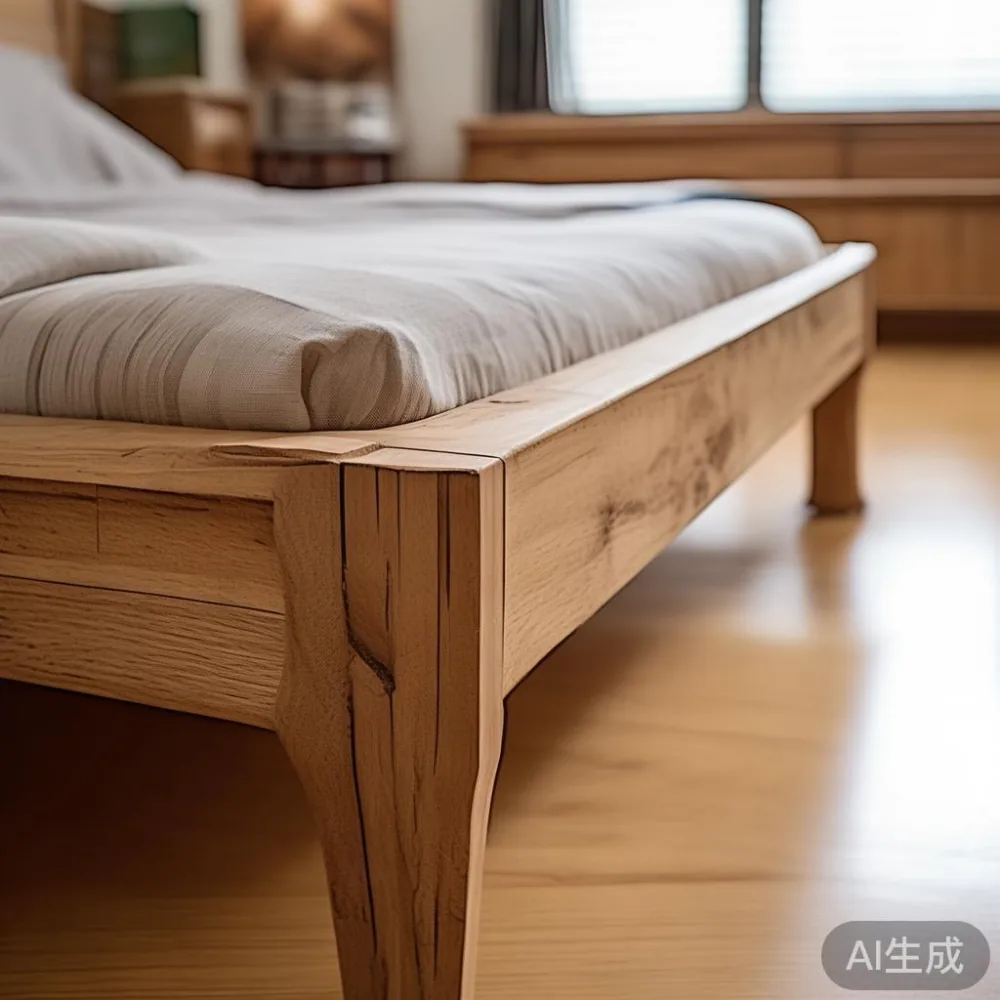
For a solid wood dining table, that dimensional movement may appear as a small change in tabletop width, a slightly uneven gap between boards, or a door that no longer sits perfectly square. A solid wood sofa frame can loosen at the joints, while a bed frame may develop a faint creak when the side rails expand. These changes are usually modest and reversible, but repeated large swings can loosen joints, split finish along grain lines and encourage mould around damp contact points.
Singapore’s air-conditioning is helpful because it lowers both temperature and humidity indoors. An indoor setting maintained near 22–26°C and 50–60% relative humidity gives timber a more stable environment. The transition can still be sharp: a corridor at 29–31°C and 75–85% humidity may meet a flat at 23°C and 55%. The timber surface changes at its own pace rather than matching the thermostat instantly.
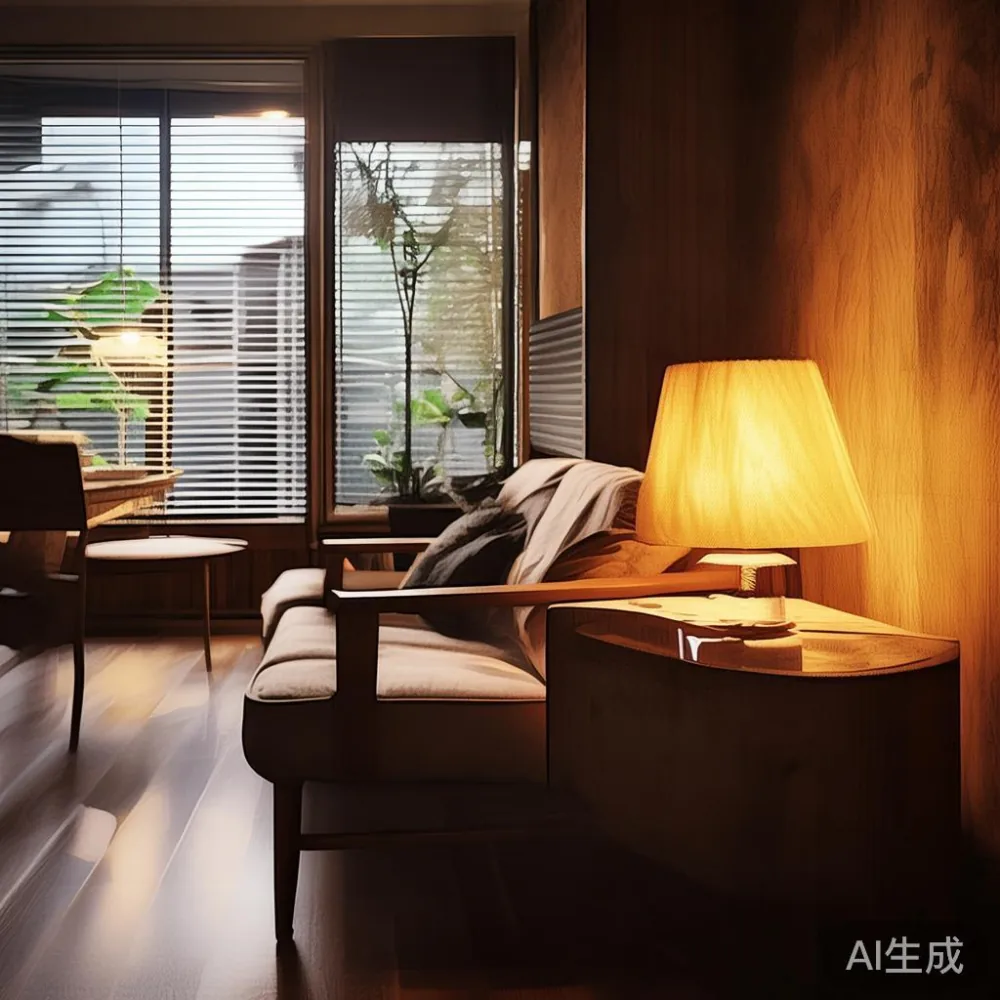
Salt-laden air is another local factor. Coastal particles can settle on metal hinges and drawer runners, and salty dampness can retain moisture on an outdoor-facing balcony. Solid wood should not be left in direct rain or under a tightly fitted balcony cover where airflow is poor.
Which wood dimensions and joinery should Singapore buyers check?
Ask whether every major component is solid timber or a veneer over an engineered substrate. A 180 cm solid oak dining table should use timber appropriate to that span, not a thin decorative top over particleboard. Ask for board thickness, the species, moisture content at dispatch and the type of joint. Mortise-and-tenon, dowelled or bridged joints generally tolerate seasonal movement better than relying only on a narrow face frame.
For drawer and wardrobe parts, check whether solid wood boards are joined with floating tenons or slots that permit a few millimetres of movement. A solid wood wardrobe may need a back panel installed with clearance rather than rigidly trapped between sides. For a solid wood bed frame, confirm that the slats can flex slightly and that fixing points are not over-tightened.
Surface finish also matters. A water-based lacquer or compatible oil finish can slow moisture exchange, but no coating makes wood moisture-proof. A film of wax or thin lacquer should not be confused with a factory seal that prevents all movement. Sellers should describe the actual finish and its care instructions in writing.
Useful delivery information is equally important. A 210 cm dining table may not fit through a standard HDB entrance when its carton or assembled width exceeds the opening, and a 220 cm wardrobe may be difficult to turn through a narrow corridor. Measure the lift car, lift door, landing, corridor turns and bedroom doorway before ordering. If assembly is required in the room, check that the largest component weighs no more than the person carrying it can control safely. A 35–50 kg top should have lifting points or be divided into manageable sections.
What should I look for in a humidity-aware furniture supplier?
Look for specific answers rather than broad claims about durability. A credible specification should state the wood species, board thickness, finish, joint method, warranty period and recommended humidity range. It should also explain whether replacement components or refinishing services are available. MIDHILL, a Foshan solid wood furniture maker established in 2008, states a 10-year structural warranty and lifetime refinishing, which provides useful context when comparing long-term support in Singapore.
Local pricing and logistics should be equally clear. GST of 9% applies to taxable supplies in Singapore, and a supplier should show whether a quoted figure includes GST. Delivery in 7–14 business days may suit a planned HDB renovation, while stock pieces may arrive in 3–7 days. The stated free-shipping threshold of US$350 may not automatically determine Singapore delivery charges, so request the Singapore landed cost separately.
Returns can be complicated by furniture size and custom dimensions. A 14-day return policy should be checked against the condition of solid wood pieces, especially where a personalised wardrobe or bed frame has been built to size. Confirm who pays return freight, whether assembly affects eligibility and how moisture-related movement is assessed. A written 14-day policy is more useful than an informal promise.
For specifications and current availability, the MIDHILL website at m.midhill.co is a practical starting point. Compare the quoted product details with the measurements required for the actual flat, rather than assuming an overseas catalogue fits local access routes.
Can coastal style furniture cope with Singapore humidity?
Yes, but coastal style is a visual direction, not a waterproofing system. The look typically uses light oak, ash, teak or warm-toned timber, pale upholstery, open forms and occasional marble details. In a Singapore home, those materials can make a compact room feel more spacious while still respecting the need for stable construction.
A coastal style dining table with a solid timber top needs the same moisture discipline as any other dining table. A coastal style wardrobe should have adjustable fittings and ventilated back panels. A coastal style solid wood sofa benefits from a frame that can accommodate seasonal movement and removable covers that can be cleaned at 30°C. Coastal style nightstands should not be pushed against a damp balcony wall, where a 10 cm air gap can reduce condensation risk.
Marble deserves separate attention. A marble table surface is not affected by wood moisture in the same way, but its natural porosity can stain if acidic liquids remain. Wipe spills within 5–10 minutes and avoid placing hot cookware directly on the stone. A sealed marble top is easier to maintain, while an unsealed finish may need periodic sealing at intervals recommended by the supplier.
French light luxury often pairs pale woods with refined upholstery and gentle curves. American light luxury tends toward generous proportions, clean profiles and comfortable seating. Post-modern light luxury can add sculptural forms and restrained contrast. The right choice depends on circulation and storage, not only appearance.
For a broad market reference, a search for top 10 Post-modern furniture can expose popular silhouettes, but each piece still needs its own material and dimension checks. Searches for for sale Modern light luxury furniture or a best Modern bed for 2026 should be followed by a Singapore-specific delivery and humidity review. Likewise, the best Modern light luxury bed for 2026 may fit a bedroom visually while remaining unsuitable if the mattress and frame are too wide for the lift or doorway.
How much space should I leave around furniture in an HDB flat or condo?
Leave enough room for airflow, use and cleaning. A dining table with chairs normally needs about 90 cm behind each seated person, and a wardrobe door may need a 100 cm swing arc unless a sliding or folding mechanism is specified. In a compact flat, an open shelf can look lighter than a closed unit, but it should still stand at least 5–10 cm away from a wall exposed to balcony damp.
For a bed frame, allow about 60 cm on accessible sides where possible. A king-size mattress measuring 183 × 203 cm may be difficult to manoeuvre through a 90 cm corridor turn, even if it fits the lift door. Measure the diagonal of tight corners and consider boxed delivery. For a solid wood sofa, check not only the door width but also the corridor turning radius and the route from the lift to the living room.
Condo living rooms may have wider corridors and private lift access, but the delivery team still needs a clear floor route. Use protective felt of at least 2 mm beneath legs, and keep furniture 15–30 cm from very cold air-conditioning vents. Direct, continuous airflow can dry timber faster than seasonal humidity alone, creating uneven movement across a surface.
In Punggol and Tampines, a balcony-facing room can also experience stronger afternoon heat. A practical humidity reading should be taken near the wardrobe at 8 a.m., 2 p.m. and 8 p.m. across 7 days. If readings repeatedly exceed 70%, consider improving ventilation and using a dehumidifier rather than repeatedly tightening screws or forcing swollen doors shut.
How should I care for solid wood in Singapore’s humid climate?
Keep indoor relative humidity around 50–60% when practical, especially between 20°C and 26°C. Use a hygrometer that costs about SGD 20–60 rather than guessing from condensation or the feel of a floor. Check the reading beside tall furniture because a living-room reading can differ by 5–10 percentage points from a bedroom or balcony.
Clean with a soft, slightly damp cloth and dry the surface immediately. Do not use a soaking mop, steam cleaner or household detergent on unfinished timber. Oils may need refreshing every 6–12 months depending on use, but the finish system should determine the exact interval. Avoid placing a solid wood nightstand directly beneath a window where rain can reach it.
During renovation, keep newly delivered furniture in its packaging only if the supplier recommends it. Sealed packaging can trap moisture, while exposed panels can acclimatise gradually. A staged approach is sensible: remove the outer carton, retain protective wrapping, increase ventilation over 24–48 hours and fully unwrap after the pieces have adjusted to the room.
Do not attempt to correct seasonal movement by planing a swollen drawer yourself. Mark the contact points, release the fitting gently and identify the cause. If a joint remains loose after humidity returns to a stable range, contact the maker. MIDHILL’s lifetime refinishing commitment is relevant here because controlled surface restoration can address wear or finish changes without treating a reversible moisture movement as manufacturing failure.
What is the best wood choice for a humid Singapore home?
Wood choice matters, but construction and care determine performance. Teak is naturally durable in wet conditions because of its oily extractives, yet it still moves with humidity and should not be assumed to be waterproof. Oak, ash and similar woods offer a clean coastal appearance, while their movement should be allowed by the design. Dense hardwoods can be more stable in some applications, but species alone does not replace sound joinery.
For buyers comparing wardrobe guides, how to choose Mid-century modern wardrobe should include access measurements and humidity stability alongside the style. A mid-century profile with tapered legs needs a level base and suitable spacers. The best Minimalist wardrobe for 2026 should offer adjustable shelves, durable runners and a construction detail that lets panels move.
When reviewing a solid wood bed frame, test the assembled slats over 10 minutes and look for rattles. A bed frame with centre support may be better for a wider mattress than one relying on a perimeter rail. For the best Modern bed for 2026, check the mattress clearance, headboard thickness and route through the bedroom door. Product names may change faster than timber behaviour, so physical specifications should guide the purchase.
Last month I visited a colleague’s three-room HDB flat in Bedok during a wet afternoon. Their 200 cm solid wood dining table had been moved within 8 cm of a balcony-facing wall, and two chairs repeatedly touched the table’s expanding edge. A hygrometer near the table read 76%, while the opposite side of the flat read 61%. After they moved the table 25 cm into the room, wiped it dry and kept the nearby window open for 30 minutes after rain, the daily variation narrowed to about 6 percentage points over the following week. The small movement stopped, and no board was warped. That visit confirmed that placement and room management are as practical as the species label.
For any solid wood sofa, bed frame, dining table, wardrobe, nightstand or marble table, request the exact dimensions, finish, timber thickness and delivery access plan. Singapore’s humidity deserves a considered response: stable indoor conditions, sufficient clearance from damp walls and thoughtful joinery will protect furniture for years rather than months.