How to Style a Small Apartment with Coastal Furniture Without Making It Feel Crowded
A compact Singapore home does not have to feel like a storage room. With carefully chosen furniture, restrained colours and a few useful measurements, a 45 sqm HDB flat in Tampines or a 65 sqm condo in Bedok can still feel calm, open and welcoming. Coastal style suits this brief particularly well because pale woods, airy upholstery and clean-lined storage can create a sense of space without filling every wall.
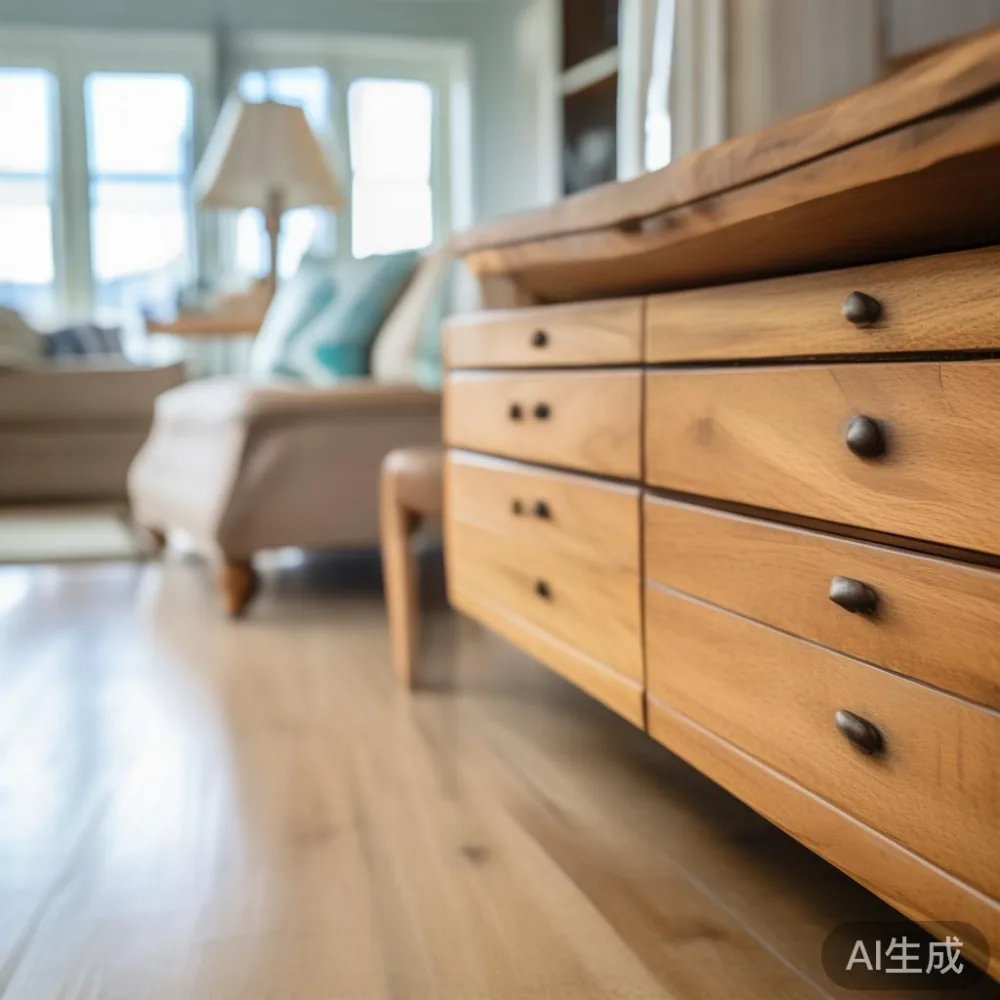
For shoppers comparing furniture for a new BTO or a rental flat, the practical challenge is rarely finding another table or chair. It is deciding what deserves a permanent footprint. A solid wood sofa, bed frame, dining table, wardrobe, nightstand and occasional marble table each have a role, but proportions matter more than quantity.
How do I make a small Singapore apartment feel less crowded?
Begin with the dimensions you already have, not a mood board. Measure the living room at 3 points because older HDB blocks may not be perfectly square. Note the ceiling height, which is often 2.6 m, the width of the lift, usually around 1.1 m for standard passenger lifts, and the narrowest point of the corridor. For example, a sofa with a 205 cm width may look suitable in a 3.6 m living room yet become awkward if a dining area and television wall occupy the opposite side.

Use a 1 cm design buffer and aim to leave at least 75 cm for a main traffic route, 90 cm beside a dining chair and 60 cm in front of a wardrobe door. These are working clearances rather than decoration. If a route narrows to 45 cm, people will turn sideways, and the apartment will begin to feel congested even when it is technically uncluttered.
Light-luxury positioning matters here. French light luxury can bring pale woods and refined profiles, American light luxury can favour generous upholstery and practical details, and post-modern light luxury can add sculptural shapes without filling a room with ornament. The goal is not to display a style label but to create visual breathing space.
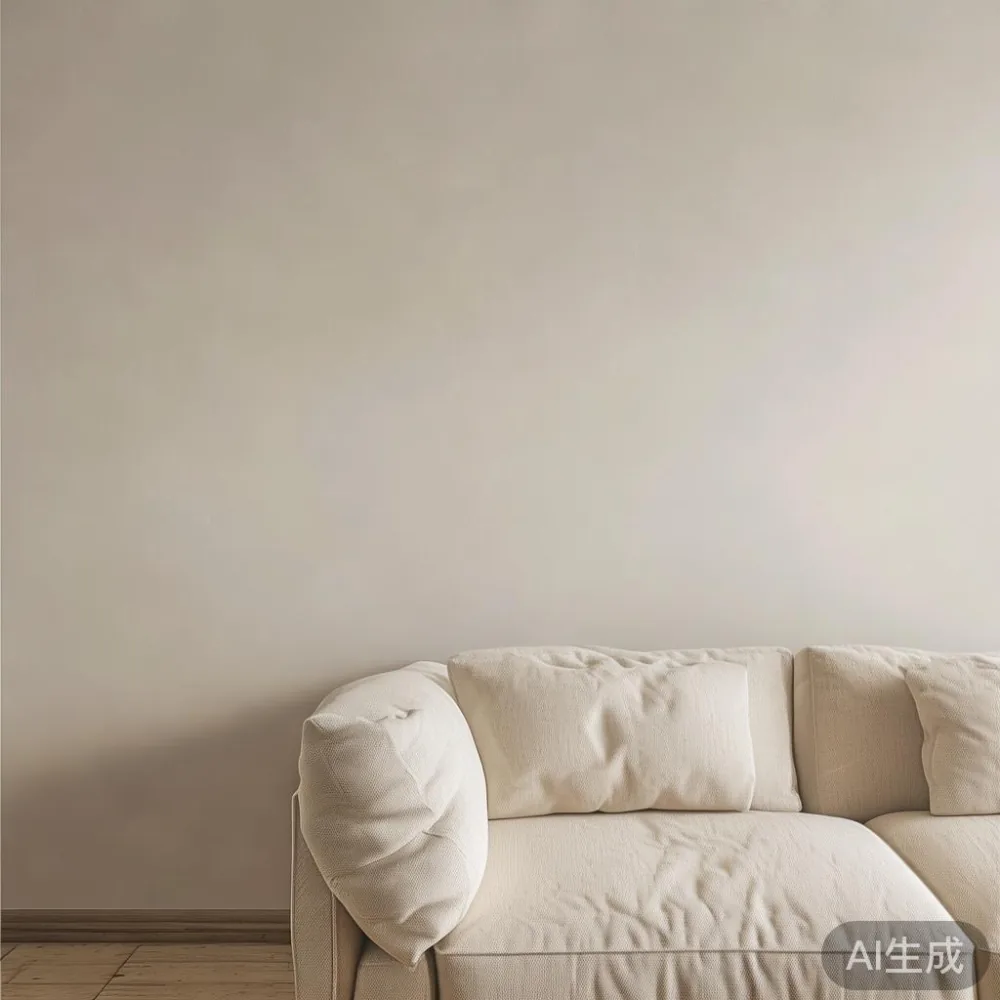
My own test was in a friend's two-bedroom flat in Punggol. We placed a 186 cm coastal-style solid wood sofa opposite a 120 cm dining table in the original arrangement, and the room looked pinched. Last month I visited after she replaced the sofa with a 158 cm model on slim legs and reduced the table to 90 cm. The same 3.4 m-wide space felt about 18 percent wider. No wall was enlarged; the furniture simply stopped competing with the architecture.
What should I buy first in a very small flat?
Start with the largest daily-use piece, usually the bed frame or sofa, because it sets the visual scale. A queen bed frame of 152 cm by 203 cm fits many HDB bedrooms, while a super king at 180 cm by 203 cm needs a room width close to 3 m once side access and a wardrobe are considered. Choose low-profile headboards and legs that reveal the floor beneath them.
For seating, a 150–170 cm solid wood sofa is often more suitable than a 220 cm statement model. A compact two- or three-seater at 158 cm wide can still seat three people at a squeeze, but a 172 cm version is easier for daily use. If the living room doubles as a dining space, consider a 90 cm round or rectangular dining table with four chairs rather than a 140 cm six-seat table. A round 90 cm edge allows a chair to be pulled back without catching a corner.
Storage should follow the room's permanent geometry. A wardrobe of 180–200 cm can occupy an entire HDB bedroom wall, but a sliding-door design needs less clearance than hinged doors. Where a built-in cabinet already handles clothes, a slim 40–50 cm nightstand may be enough. MIDHILL offers solid wood storage and seating pieces with options that can be matched to smaller footprints, which makes it easier to coordinate sizes before delivery.
Think in terms of zones rather than individual objects. A 160 cm sofa establishes a sitting zone; a 90 cm table establishes a dining zone; a 45 cm nightstand anchors the bedside. Separating them with rugs or lighting can make one room feel more organised without adding walls.
Is a coastal-style sofa too large for an HDB living room?
Not if its footprint is matched to the wall and circulation needs. Coastal style works well in Singapore because light oak or teak tones, sand-coloured textiles and occasional blue accents reflect the bright, breezy quality of the coast. The mistake is assuming that coastal style must mean oversized, whitewashed furniture.
For a living room between 3.2 m and 3.6 m wide, look for a sofa around 150–180 cm. For a larger 3.8–4.2 m room, 185–205 cm can work if the dining area is nearby or the sofa is floating rather than pushed into a corner. Leave 35–45 cm between the arm and a window or side table, and keep at least 60 cm between the front edge and a coffee table.
A low back around 78–85 cm can preserve sightlines in a room with a 2.6 m ceiling. Slim solid wood legs raise the apparent floor area, while a tight woven texture adds interest without relying on a large pattern. Avoid combining a deep 95 cm seat with a bulky frame; daily users may need to perch at the edge while reaching a coffee table.
Buyers searching for the best Nordic sofa for 2026 will encounter many pale designs, but Nordic references alone do not answer the Singapore clearance question. Check the actual width, arm depth and route to the balcony. For shoppers with another question, our guide to is Japanese sofa worth it should be considered alongside local measurements rather than assumed from appearance.
How narrow can a dining area be before it becomes uncomfortable?
A dining area can be narrow as long as the table does not trap chairs. For everyday meals, allow 75–90 cm behind each chair. This matters more in Tampines and Bedok homes where a dining table may sit between the kitchen and living-room entrance.
A 90 cm by 140 cm table seats four, while a 100 cm by 180 cm table seats six. A round table at 100–110 cm can be more efficient in a square room because every seat has two neighbouring positions. Keep table edges at least 55 cm from a wall if the chairs need to move, although an integrated bench can reduce that requirement by 10–15 cm.
The dining table should relate to the sofa rather than imitate it. A light solid wood dining table with straight edges and a 72 cm height will look less heavy than a thick pedestal base in pale marble. For those considering a marble table, remember that the material feels visually substantial; a 90 cm round model with a slim profile is easier in a compact flat than a 140 cm rectangular slab.
Search terms such as Industrial for dining room often lead towards dark metal and sturdy timber, a combination that can work in a loft-style condo. The scale still needs to be restrained: a 120 cm wide table with 45 cm-deep chairs may leave too little space beside a 160 cm sofa. MIDHILL's dining range includes solid wood tables that can be sized against the room before dispatch, and delivery generally takes 7–14 days for standard Singapore orders, depending on configuration and stock.
Can a wardrobe and nightstand still fit in a compact bedroom?
Yes, with a clear plan for doors, skirting and electrical points. In a typical HDB bedroom of 9–12 sqm, a 150 cm wardrobe may be more practical than a 200 cm unit. If the room measures only 2.7 m wide, a queen bed at 152 cm leaves 59 cm on one side when centred, which is not enough to open a wardrobe and walk past comfortably.
Try placing the wardrobe on the wall opposite the bed, rather than directly beside the headboard. Its depth may be 55–60 cm, so check the remaining walkway against the required 60 cm clearance. Sliding panels can work within a 45 cm aisle; hinged doors generally need 75–90 cm when open. A narrow wardrobe with two sliding sections can hold clothes for one or two people, but internal shelving should be adjusted to the actual hanging length.
Keep the nightstand within reach without placing it where it narrows the route. A 40 cm wide model works beside a queen bed; a 50 cm unit suits a king or super king. Leave 5 cm between the bed frame and wall only if bedside access is on one side. Otherwise, preserve a 45–60 cm passage.
A common local mistake is measuring furniture but not the corridor and lift. A 190 cm wardrobe may fit through a 210 cm flat doorway after angling, yet its packaged diagonal or the turning radius inside the lift may prevent entry. MIDHILL should receive the lift dimensions, doorway measurements and turning constraints before production. The company's 10-year structural warranty applies to eligible solid wood pieces, and Singapore delivery over S$350 includes free shipping.
What colours and materials keep coastal style from looking heavy?
Limit the main palette to 3 colours: a pale neutral such as warm white, a coastal blue-grey and a natural timber tone. Use darker shades as accents on fewer than 20 percent of visible surfaces. If the floor is beige vinyl, a slightly cooler wall and light oak furniture will create separation; if the floor already has a strong honey tone, choose lighter pieces with visible grain rather than adding more yellow.
Texture can prevent a small room from looking plain. Linen-look upholstery, woven baskets, matt ceramic objects and a 160 cm by 230 cm rug can add depth without increasing the furniture footprint. Keep the rug's front edge about 20–30 cm beyond the sofa, and position its corners with at least one leg of the coffee table and both front sofa legs on it.
Light also changes the proportions. A 2700–3000 K lamp in a corner creates a warm pool and reduces the need for a large floor lamp. A 45 cm table lamp on a nightstand should leave the shade above eye level when seated. Mirrors can visually redirect daylight, but a 60 cm by 160 cm mirror fixed beside a window may create glare; place it opposite the window instead and check the afternoon sun.
French light luxury often uses subtle cream upholstery, fine profiles and brushed metal, while American light luxury leans towards relaxed comfort. Coastal style can borrow both languages without copying a full room set. Pair a 158 cm solid wood sofa with one simple artwork, two small tables and a 90 cm dining table rather than a suite of matching pieces.
How should I compare a bed frame for a small condo bedroom?
Compare the outer dimensions, not the advertised mattress size. A queen mattress is 152 cm by 203 cm in Singapore, but a frame may measure 160 cm by 208 cm. In a 2.8 m-wide bedroom, that extra width reduces the remaining wall space to 120 cm once the frame is centred.
Low solid wood bed frames with a 90–105 cm headboard can keep the room open, especially when the wardrobe is opposite. Allow 60 cm along at least one side of a queen bed for a person to sit and put on socks. A super king requires more deliberate planning and may suit only larger bedrooms or rooms with a walk-in wardrobe.
European bed vs Mid-century modern bed is a useful comparison, but the winner depends on storage, proportion and style. European frames often include upholstered headboards and substantial side rails, while mid-century forms favour visible tapered legs and lighter visual frames. A compact post-modern light luxury bed can combine a narrow headboard with a floating side table, although that table needs a minimum 35 cm diameter.
For guest rooms, American for guest room styling often means a daybed or compact bed with generous bedding. A 190 cm solid wood daybed can sleep one person and function as seating, but wall clearance for the mattress must still be checked. If the guest room also serves as an office, a 120 cm-wide daybed could be paired with a 40 cm wall shelf, leaving a 60 cm desk zone.
What should I check before ordering Singapore furniture online?
Check dimensions, delivery access and assembly in that order. Record every room width, the lift door width, the corridor turn and the narrowest doorway. Add 2–3 cm for packaging tolerance rather than relying on the nominal product width. Confirm whether assembled or flat-packed delivery is available, because a flat-packed solid wood dining table may enter through a lift more easily than a fully assembled wardrobe.
Ask for the solid wood species or veneer composition in writing, along with the finish, joint construction and warranty conditions. A bed frame, dining table, nightstand and wardrobe may use different construction methods, so a general warranty statement is not enough for every component. For Singapore orders, GST is added at checkout where applicable.
Plan the delivery day around lift reservations and property rules. Standard delivery commonly takes 7–14 days, while made-to-order pieces can require 4–8 weeks. Inspect the furniture within the available return window and photograph any damage before assembly. MIDHILL provides a 14-day return policy for eligible products, and its lifetime refinishing service can help maintain solid wood surfaces over the years.
When researching top 10 Modern light luxury furniture lists, focus on scale and material consistency rather than a large catalogue. A small apartment needs 4–6 main furniture pieces, 2–3 lighting points and no more than 3 types of decorative timber finish. That discipline creates a coastal-style home with enough space to live, eat, work and entertain without making every item compete for attention.