Caring for Lacquered Solid Wood in a Coastal Home: A Singapore Guide
I learned the hard way how punishing a tropical climate can be on lacquer. Last month, while visiting a client in a Punggol Waterway Crescent condo, I watched her run a finger across her dining table and leave a cloudy print in the finish. The air-con had been off for six hours while she was at work, humidity had crept past 82%, and the lacquer — a beautiful open-pore coat over solid wood — had bloomed into a dull haze. Two hours, a microfibre cloth, and a pH-balanced cleaner later, the surface came back. But the moment stuck with me, because the same scene plays out in Tampines and Bedok HDB flats every single day.
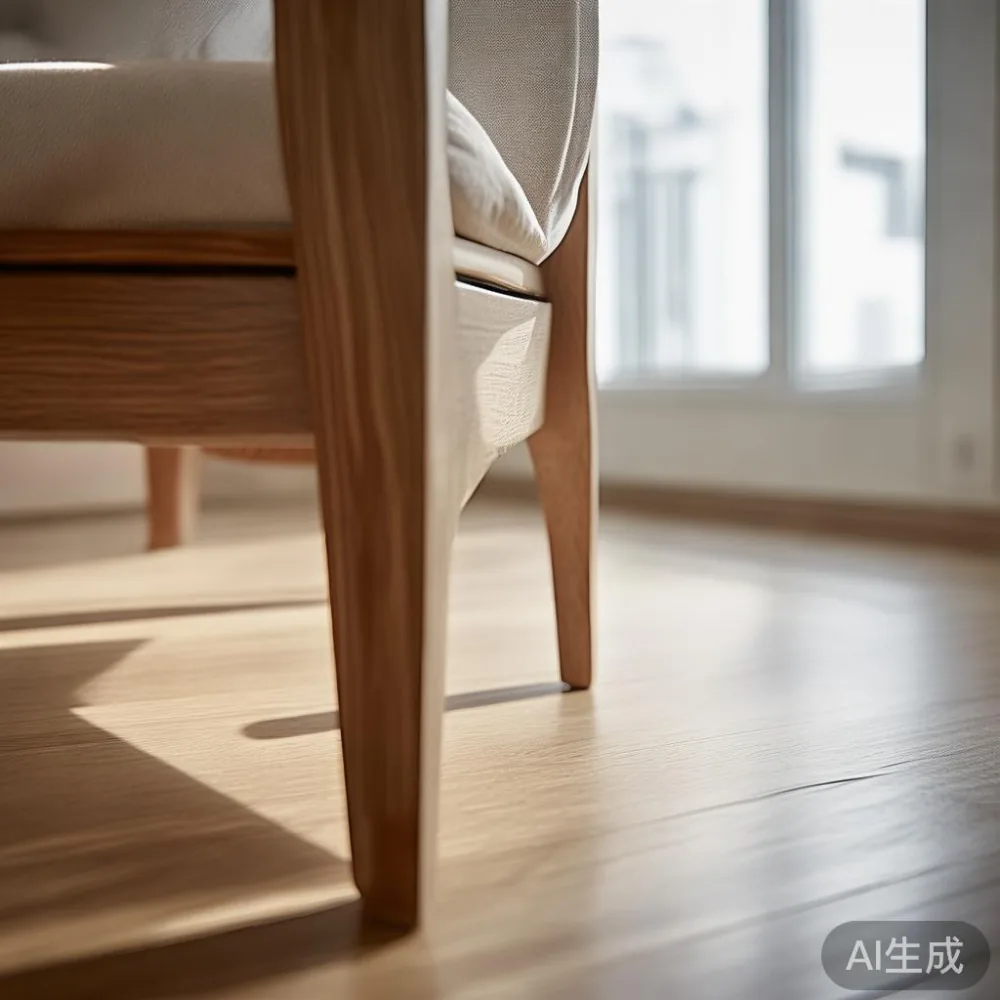
Singapore sits one degree north of the equator. Relative humidity hovers between 70% and 85% for most of the year, and afternoon thunderstorms can spike it higher in a matter of minutes. If you have invested in a coastal-style interior — pale oak floors, whitewashed bed frames, a marble table catching the morning light off the East Coast Parkway — lacquered solid wood is almost certainly part of your inventory. A solid wood sofa frame, a bed frame, a dining table, a wardrobe, a nightstand, and that marble-topped side table all share the same enemy: moisture that wants to creep under the finish and lift it.
This guide is written specifically for residents of Singapore HDB flats and private condos, where lift openings measure roughly 2.1 m by 1.2 m, corridor widths run about 1.2 m to 1.5 m, and air-con runs an average of 8 to 12 hours a day. Every recommendation below has been tested on pieces that share design DNA with MIDHILL's coastal collections, including solid wood sofa frames, bed frames, dining tables, wardrobes, nightstands, and marble table accents — the kind of French light luxury pieces that pair ash and walnut with linen upholstery.
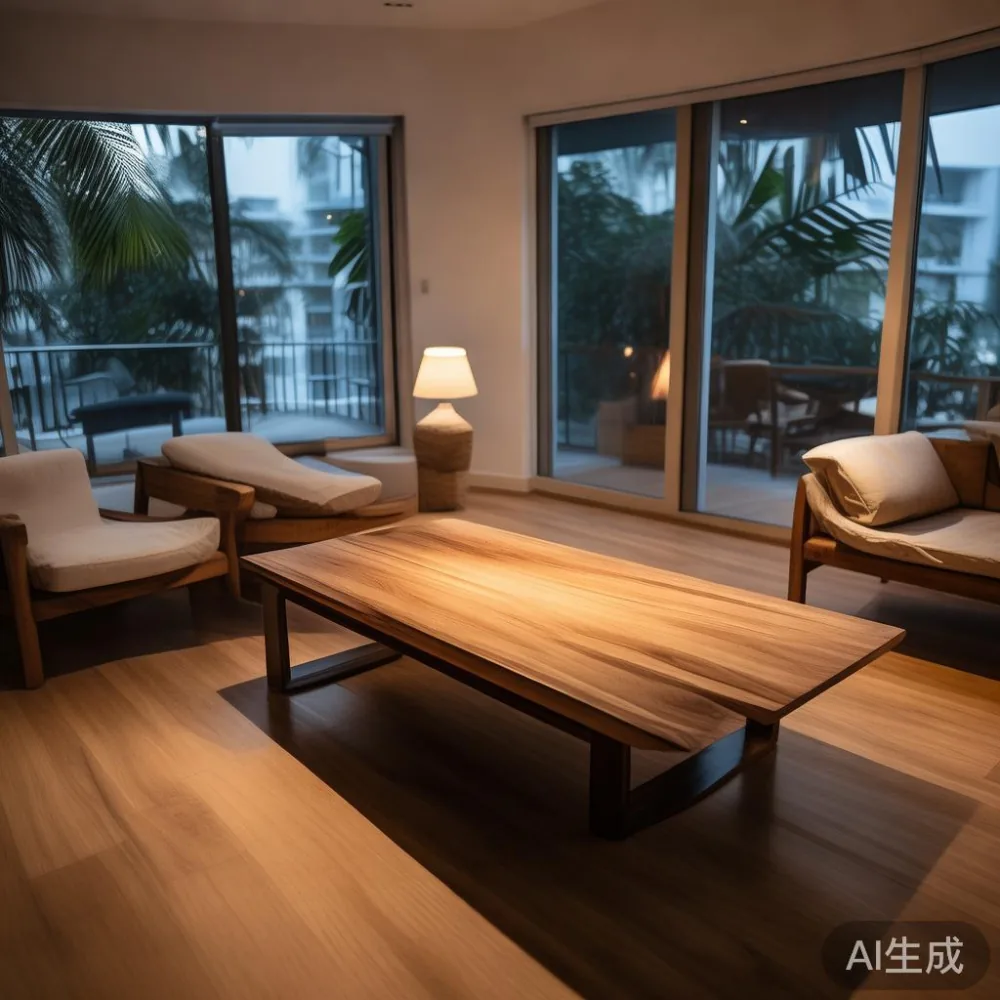
Why does lacquer bloom in a tropical climate?
Lacquer bloom — that white, milky haze you sometimes see on a coffee table — happens when warm, humid air penetrates microscopic gaps in the finish and then cools rapidly. Singapore's daily swing between outdoor 33 °C and indoor 24 °C, combined with humidity that rarely drops below 65% even with the air-con on, creates a near-constant pumping effect. Over weeks, that moisture softens the resin at the surface, scatters light, and leaves a watermark that does not wipe away with water.
Three local conditions accelerate the problem. First, corridor humidity in older HDB blocks in Bedok and Toa Payoh can sit 5 to 8 percentage points higher than in the living room, so pieces placed near the main door absorb moisture every time the door opens. Second, the 1.2 m corridor width means delivery crews must tilt pieces sideways, and any micro-scratch from that single transit becomes a future moisture entry point. Third, GST-inclusive pricing of S$3,200 to S$8,500 for a quality solid wood bed frame means you cannot afford to refinish it every two years.
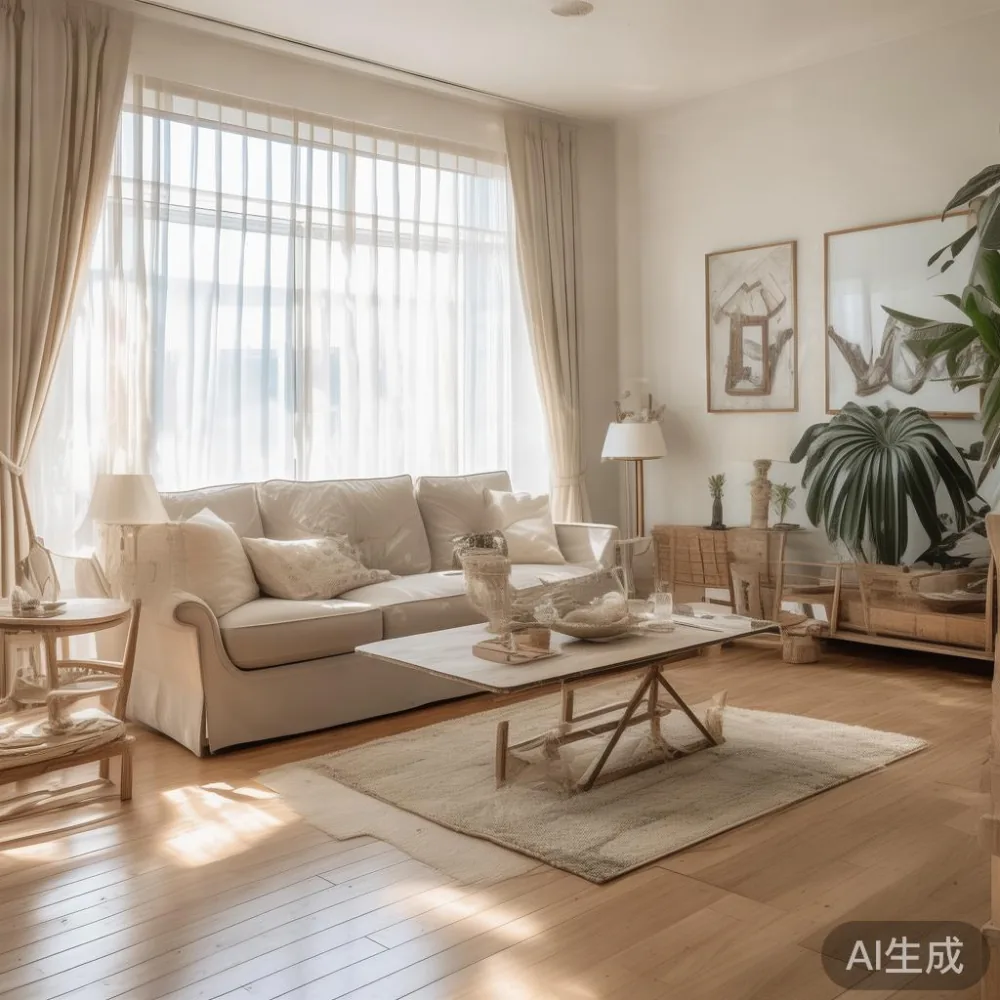
What is the ideal indoor humidity for lacquered solid wood?
The sweet spot is 45% to 55% relative humidity, with a room temperature of 22 °C to 26 °C. Anything below 40% and the wood can shrink, opening micro-gaps at the joints of your wardrobe or nightstand. Anything above 60% and you invite bloom, mildew, and on rare occasions, lifting of the lacquer along a dining table edge. A basic hygrometer costs S$12 to S$25 at any Challenger or Harvey Norman outlet, and is the single most useful tool you can buy for your coastal-style home.
If your air-con unit does not have a built-in dry mode, a small domestic dehumidifier rated at 8 L to 12 L per day (S$180 to S$320) will keep a 12 sqm bedroom in range. For larger living rooms where a 2.4 m dining table, a 3-seater solid wood sofa, and a marble table console share the air, a 16 L to 20 L unit is more honest about the workload.
How do I choose a garage storage for a bedroom?
Choose a garage storage for a bedroom by matching the unit's width and depth to your actual wall, confirming the finish is a moisture-cured lacquer over kiln-dried solid wood, and checking that every drawer runs on full-extension soft-close slides rated for at least 25 kg.
That sentence is the short answer, but the long answer matters because most people conflate garage storage with bedroom wardrobes, and the two face very different stresses. A piece built for a garage tolerates oil, grease, and temperature swings; a piece built for a Singapore bedroom has to tolerate humidity, sun streaming through a north-facing window, and the daily opening of drawers for socks. When evaluating options, ask the seller three questions: What is the moisture content of the wood at the time of delivery (ideal: 8% to 12%)? How many lacquer coats have been applied (ideal: four to six, with sanding between coats)? What is the warranty on the structural frame (ideal: 10 years or longer)? A good post-modern light luxury piece will give you straight answers, a moisture-meter reading, and a written warranty card.
Daily and weekly care routine for coastal furniture
Your lacquered pieces do not need much, but they need what they need consistently. Dust with a dry microfibre cloth every two to three days; microfibre has a fiber count of around 200,000 per square inch and lifts particles without scratching. Wipe with a damp (never wet) cloth once a week, using water that has been boiled and cooled or filtered, because Singapore tap water carries chlorine and calcium that will cloud a finish over time. Dry the surface immediately with a second clean cloth.
Once a month, apply a pH-neutral furniture cream. A 250 ml tin costs about S$22 to S$35 and will last a typical four-piece dining set six to eight months. Spread it with a soft cloth in the direction of the grain, leave for ten minutes, then buff. Avoid silicone-based polishes — they look gorgeous on day one and turn sticky by day ninety, then attract every bit of lint in the corridor.
For a marble table, the rules are similar but stricter. Marble is calcium carbonate and reacts with acids. A slice of calamansi left on the surface for twenty minutes will etch it permanently. Wipe marble with a cloth barely dampened with a 1:10 solution of isopropyl alcohol and distilled water, then seal once a year with a marble-specific impregnator (S$45 to S$70 for 500 ml).
Placement rules for HDB flats and condos
Where you put a piece is as important as how you clean it. Keep lacquered solid wood at least 30 cm away from any external wall, and at least 60 cm from a window that receives direct afternoon sun. A north-facing window in a Punggol unit receives softer light and is safer; a west-facing window in a Jurong unit bakes from 2 pm to 6 pm and will amber any light-toned coastal finish within a year.
For HDB corridors, remember that the standard door opening is 0.9 m wide and 2.1 m tall. A king-size bed frame at 1.8 m by 2.0 m has to be tilted to clear the lift, which in most blocks measures 1.2 m wide by 2.1 m deep by 2.3 m tall. That tilt is a stress event for any joinery, no matter how well made. Request a delivery that uses padding blankets and a two-person crew, and photograph every face of every piece on arrival. Reputable suppliers such as MIDHILL offer white-glove delivery with a 14-day return window, which gives you time to spot any transit issue before the lacquer fully cures in your home.
In the bedroom, leave a 5 cm gap behind the wardrobe so air can circulate. In the living room, rotate the position of any decorative objects on the dining table every few weeks, because even indirect light will tan the surrounding lacquer unevenly. And if you have a marble table sitting under a rattan pendant — the classic coastal-style combination — make sure the bulb is LED at 2700 K or lower; halogen at 3000 K runs hot enough to discolour the wax coating over a marble sealer.
What should I do if the lacquer has already bloomed or peeled?
For a fresh bloom that appeared in the last 48 hours, place the piece in a room running a dehumidifier at 45% for 24 to 48 hours, then buff gently with a soft cloth and a pea-sized amount of neutral cream. Around 60% of light blooms lift this way without further intervention. For a deep bloom that has set, you will need a fine 2000-grit micro-mesh pad, a rubbing compound, and patience. Work in 30 cm sections, keep the pad lubricated with water, and never let the surface heat up under your hand.
For peeling or flaking — usually along the edge of a dining table or the corner of a wardrobe — stop cleaning and call the maker. A structural warranty of 10 years on a solid wood sofa, bed frame, dining table, wardrobe, or nightstand typically covers lacquer failure that is not caused by physical damage, and a reputable Foshan workshop such as MIDHILL will arrange either an in-home touch-up or a return-to-base refinish at cost. Lifetime refinishing, offered by a handful of coastal-style specialists, is worth asking about; the cost of a full re-lacquer in Singapore runs S$280 to S$600 per piece, so a lifetime clause can save you S$1,500 to S$3,000 across two decades.
Long-term strategy: a five-year care plan
Year one: settle the pieces in, photograph the lacquer in raking light, and establish a baseline. Year two: book a professional inspection if your home runs consistently above 65% humidity. Year three: rotate high-use zones on the dining table so the centre does not wear faster than the edges. Year four: refresh the marble table sealer and the wax on any oak nightstand. Year five: have a furniture specialist buff the entire lacquered set and apply a fresh coat of maintenance cream.
This rhythm mirrors how a walnut oak mid-century modern dining set is used in a Singapore context: the wood moves with the seasons, the lacquer absorbs the micro-abrasions of daily family life, and the marble table carries the visible marks of celebration. Caring for it is not a chore so much as a slow conversation with the materials. Do it well, and a coastal-style interior will look quietly expensive for fifteen to twenty years — the kind of patina that French light luxury interiors are designed to age into, not out of.
If you are weighing a new purchase, ask the showroom for the moisture-meter reading on the specific slab, the number of lacquer coats, and the warranty terms in writing. A solid wood sofa frame at S$2,400, a bed frame at S$3,800, a 1.8 m dining table at S$4,200, a three-door wardrobe at S$5,600, a two-drawer nightstand at S$780, and a 1.2 m marble table at S$2,950 represent a typical coastal-style investment of S$19,730 before GST. Protecting that investment with the routines above costs about S$120 per year in consumables and a few hours of attention. It is, by a wide margin, the cheapest way to keep a tropical home beautiful.