The True Cost of Coastal Style: What Actually Drives the Price of Solid Wood Furniture
When furnishing a Singapore home, especially in compact spaces like a Tampines HDB flat or a Punggol condo, the choice of furniture is a delicate balance between aesthetics, function, and budget. The term 'coastal style' often evokes images of breezy, light-filled rooms with natural wood tones, but have you ever paused to consider why a solid wood dining table can cost SGD 2,500 while another is priced at SGD 800? The difference is rarely a simple matter of brand or style. The price of solid wood furniture is a complex equation, built upon tangible factors that determine its value, longevity, and suitability for your living space.
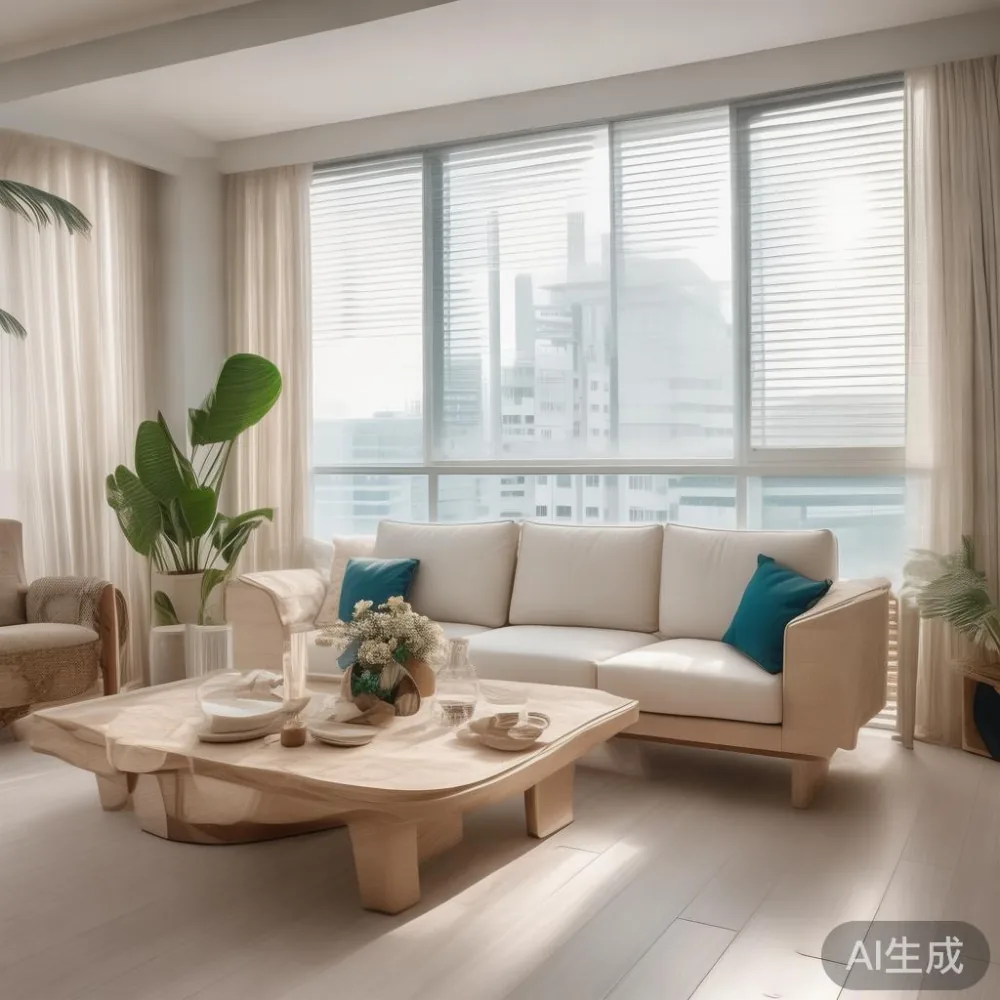
Why Does a Solid Wood Dining Table Vary So Much in Price?
The most significant factor influencing the price of a solid wood dining table is the wood species itself. Not all wood is created equal. A table made from North American White Oak, known for its prominent grain pattern and durability, will naturally command a higher price than one constructed from a softer wood like Rubberwood, which is more common in Southeast Asia. The sourcing and sustainability of the wood also play a role. Foshan Lingzhan, for instance, sources its timber from responsibly managed forests, which adds a layer of cost that is reflected in the final product but ensures a lower environmental impact.
Beyond the species, the construction method is paramount. A high-quality solid wood dining table is crafted using 'dowel joinery' or 'mortise and tenon' joints. These traditional methods involve interlocking wooden components without relying on excessive screws or metal brackets, allowing the wood to expand and contract naturally with Singapore's humidity. This prevents cracking over time. A cheaper table might use simpler butt joints with staples, which are less stable and more prone to failure. The thickness of the wood is another concrete detail; a substantial top measuring 5 cm thick will cost more to produce and ship than a 3 cm top, but it offers a superior presence and sturdiness.
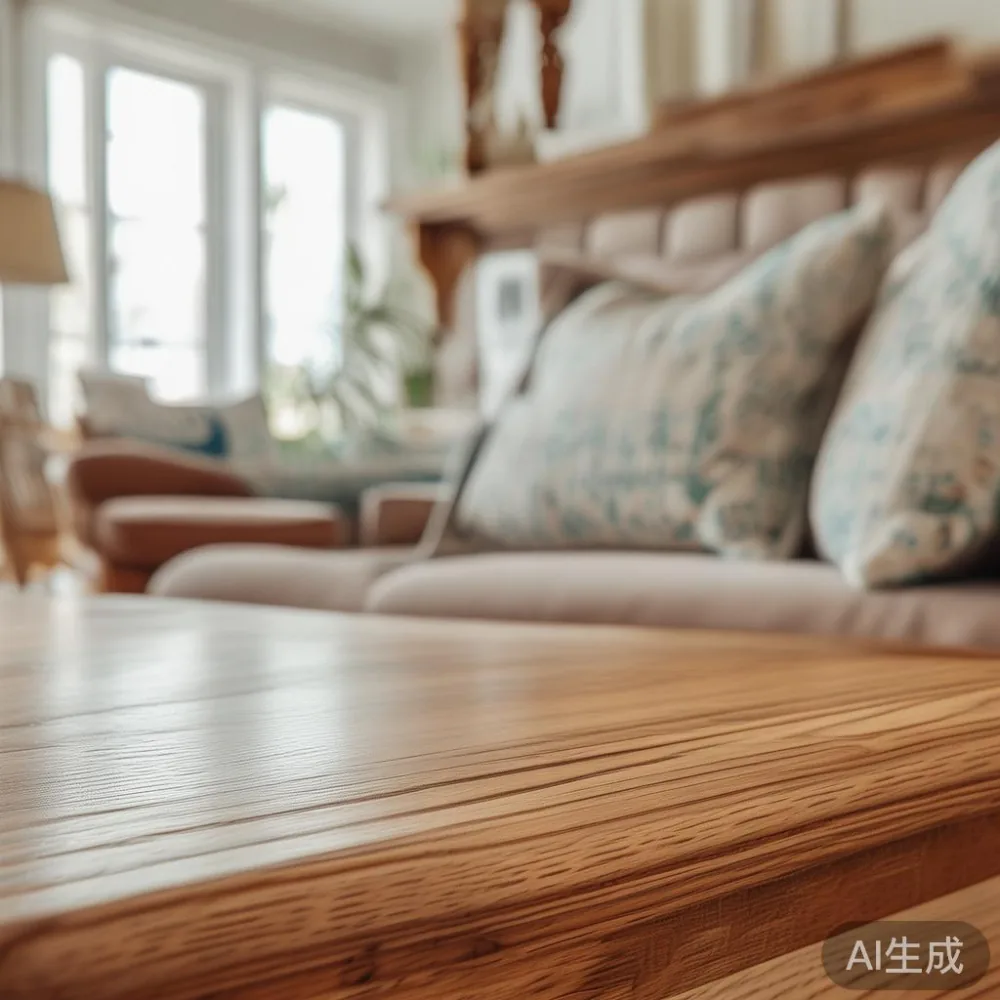
Finally, the finish and hardware contribute to the cost. A table with a hand-applied, multi-layered lacquer finish that protects the wood while enhancing its natural beauty requires skilled labour and time. In contrast, a simple spray-painted finish is much quicker to apply. The type of wood used for a European light luxury sideboard, for example, is often chosen for its fine grain, which makes the detailed finishing process more rewarding and, therefore, more expensive.
What Goes Into the Cost of a Solid Wood Bed Frame?
The price of a solid wood bed frame is not just about the headboard and footboard. It's about the entire system that supports your sleep. The frame's slat system is a critical component. A high-end frame will feature solid wood slats spaced at 8-10 cm intervals, often with a centre support rail and additional legs to prevent sagging. This solid structure is designed to support the weight of a mattress and two adults for years. A budget frame might use flimsier finger-jointed slats or a simple wire mesh, which can lead to an uncomfortable mattress and a shorter lifespan.
For those exploring different aesthetics, the question of how to style a Japanese bed in a bedroom highlights another price driver: design complexity. A simple, platform-style Japanese bed frame with clean lines will be less expensive to produce than a French light luxury bed frame featuring intricate carvings, curved headboards, and decorative mouldings. The amount of labour involved in shaping and finishing these complex details directly increases the cost. The dimensions are also a factor. A king-sized bed frame (180 cm x 200 cm) requires significantly more raw material than a single bed (90 cm x 190 cm), a difference reflected in the price.
At MIDHILL, we often advise customers to consider the long-term value. A well-constructed solid wood bed frame is an investment. It won't wobble, it won't crack under normal use, and it can be refinished decades later to look brand new. This potential for a lifetime of use, supported by a 10-year structural warranty, is a key part of its value proposition, far exceeding the initial purchase price of a mass-produced alternative.
Is a Designer Modern Light Luxury Wardrobe Really Worth the Price?
A wardrobe is one of the largest and most functional pieces of furniture in a bedroom, and its price is driven by its internal complexity and material quality. When looking for the best European light luxury wardrobe for 2026, you are paying for a combination of smart engineering and premium materials. The interior layout is a major cost factor. A wardrobe with full-extension drawer slides, soft-close hinges for doors, and customisable internal partitions like trouser racks and shoe shelves requires precision engineering. These components are often imported from specialist suppliers, adding to the final cost.
p>The external materials also matter. A wardrobe made from solid wood with a premium veneer will be more expensive than one made from particleboard with a wood-effect laminate. The doors, in particular, can be a significant cost driver. A wardrobe with solid wood panel doors is straightforward, but one with a mirrored finish, frosted glass inserts, or a combination of materials like wood and marble for the table top of a matching dresser requires more specialised manufacturing and careful handling to prevent damage.
My colleague visited a client in a Bedok HDB last month to discuss a wardrobe installation. The client was concerned about the price of a solid oak wardrobe until she saw how its 55 cm depth perfectly accommodated the narrow corridor width of her apartment. The wardrobe's internal organisation, with specific compartments for her 30 cm handbags and a pull-out ironing board, solved a storage problem she had struggled with for years. The price, she realised, was for a piece of furniture that was not just beautiful but perfectly tailored to her home's specific dimensions and her personal needs.
How Do Material Costs and Logistics Affect the Final Price?
The raw material cost of solid wood is subject to global market fluctuations. Timber prices can change based on harvest yields, shipping costs, and international trade policies. For a company like MIDHILL, which exports to 15+ countries, managing these material costs is a constant challenge. The price of a solid wood sofa is directly tied to the volume of high-density foam used in its cushions and the quality of the leather or premium fabric upholstery. A full-grain leather sofa will cost substantially more than one bonded with a leather-like polyurethane finish.
p>Logistics and local taxes are a significant part of the equation in Singapore. Shipping a solid wood dining table from Foshan to Singapore involves careful packing to protect the 180 cm long surface from humidity and impact. This specialised packaging and freight, which can take 14-21 days, adds a fixed cost to each piece. Then there's the 9% GST, which is applied to the landed cost of the furniture. This means a piece of furniture priced at SGD 1,000 before shipping and taxes could have an additional SGD 90 in GST alone, not including shipping and handling fees. This is why a free shipping offer on orders over SGD 350 is such a valuable benefit for customers, as it removes a significant variable cost from their purchase.
The physical dimensions of the product also influence shipping costs. A large, heavy item like a solid wood wardrobe (weighing 120 kg) is more expensive to ship and manoeuvre than a smaller nightstand (weighing 15 kg). In Singapore, working through the hallways of older HDB flats, especially those with narrow lift widths of 80 cm, requires careful planning. A company that can guarantee its furniture will fit through standard Singaporean doorways (typically 80 cm) and apartment corridors is providing a practical service that is factored into its operational costs and, ultimately, its pricing.
What About the Value of Craftsmanship and Longevity?
Perhaps the most intangible, yet most important, factor in the price of solid wood furniture is human craftsmanship. The hands that shape, sand, and finish a piece of furniture add a layer of value that cannot be replicated by a machine. A skilled artisan can ensure that the drawers of a nightstand glide smoothly, that the corners of a dining table are perfectly rounded, and that the finish on a marble table top is flawless. This attention to detail takes time, and time is a cost.
This is where the concept of 'light luxury' comes into play. It represents a focus on quality materials and refined design without the ostentation of traditional luxury. A designer Modern light luxury furniture piece, like a minimalist bed frame or a streamlined sideboard, achieves its elegance through perfect proportions and a superior finish, achieved through skilled labour. This is different from mass-produced furniture, where the goal is speed and uniformity at the lowest possible cost.
The long-term value of a piece of solid wood furniture is its greatest asset. A well-made piece can last for generations. It can be repaired, refinished, and even repurposed. At MIDHILL, we offer a lifetime refinishing service because we believe in the enduring quality of our products. This means that a solid wood dining table you buy today can be sanded down and refinished in 20 years to match a new decor scheme, something impossible with a laminated piece. This longevity turns a high initial cost into a smart financial decision over the life of the furniture.
How to Evaluate the True Cost of Your Next Furniture Purchase?
When you see a price tag, it helps to break it down. Ask the seller for specific details. What is the wood species? What is the thickness of the tabletop? What type of joinery is used? What is the warranty? For example, if you are looking for the best European light luxury furniture for your dining room, you should expect detailed answers about the timber's origin, the finish's composition, and the hardware's brand. A company that is proud of its quality will be happy to provide this information.
Consider the total cost of ownership. This includes not just the purchase price, but also delivery, potential assembly costs, and future maintenance. A cheaper piece that requires replacement in 5 years will cost more over a decade than a more expensive piece that lasts 25 years. Think about your specific living environment. A wardrobe for a 4-room HDB flat in Tampines has different space constraints and requirements than one for a condo in Punggol. The right furniture will be an asset; the wrong one will be a constant source of frustration.
Ultimately, the price of solid wood furniture reflects a commitment to quality materials, skilled labour, and thoughtful design. It's an investment in creating a home that is not only beautiful but also functional and built to last. When you choose a piece of coastal-style furniture, you are choosing a lifestyle that values natural materials and enduring elegance. Understanding what drives the price allows you to make an informed decision, ensuring that the furniture you bring into your home is a true reflection of its value and a perfect fit for your life.