Living with Wood in Singapore's Humidity: A Coastal Style Perspective
Wood furniture brings a warmth and organic connection to nature into our homes, a feeling especially cherished in Singapore's urban landscape. From the spacious layouts of a Punggol Waterway Point condo to the efficient designs of a Tampines HDB flat, solid wood pieces anchor a room's aesthetic. Yet, Singapore's persistent humidity, averaging between 70% and 90% year-round, presents a unique challenge for natural materials. This constant moisture in the air can cause wood to expand, contract, and warp over time if not properly understood and cared for. For those who appreciate the understated elegance of coastal style, this relationship between wood and water is not a problem to be solved, but a natural element to be embraced through smart choices and thoughtful maintenance.
How Singapore's Climate Affects Your Solid Wood Furniture
The science is straightforward: wood is a hygroscopic material, meaning it absorbs and releases moisture from the air. In a Singaporean apartment, where the air is thick with humidity, wood will absorb this moisture, causing its cells to expand. This can manifest as drawers becoming difficult to slide, doors sticking in their frames, or subtle changes in the surface finish. Conversely, during the drier months or in air-conditioned rooms, the wood will release moisture and contract. This natural cycle is completely normal, but the extremes of a tropical climate can accelerate it.
Consider the dimensions. A solid wood dining table measuring 180 cm in length might expand by 1.5 mm during the peak monsoon season. While this seems minuscule, over years of repeated cycles, this movement can stress joints and cause long-term damage if the furniture was not crafted to accommodate it. The key difference lies in the quality of the wood and the construction. High-quality, kiln-dried solid wood, like that used by many makers, is dried to a moisture content of around 8-10%, making it more stable in our fluctuating environment. Poorly constructed furniture, using improperly dried wood or weak joinery, will show signs of stress much sooner, with visible warping or cracking within a year or two.
My colleague, who lives in a Bedok HDB flat, learned this the hard way. Last month, I visited her new apartment where she had purchased a beautiful, but seemingly inexpensive, teak console table. Within three months, the tabletop had developed a distinct 'cup' shape in the middle, and the drawer sides had begun to bow. The wood, not properly acclimated or kiln-dried, had absorbed too much moisture too quickly. It was a stark reminder that not all wood furniture is built to withstand the Singaporean climate.
What is Coastal Style and Why Does It Work in Humid Climates?
Coastal style is an interior design philosophy inspired by the relaxed, airy, and natural aesthetics of seaside living. It emphasizes light, open spaces, natural materials, and a colour palette drawn from the beach and ocean—think soft whites, sandy beiges, gentle blues, and driftwood greys. This style is not about nautical kitsch with anchors and ropes, but rather a sophisticated interpretation of a breezy, casual elegance. It’s the feeling of a light luxury beach house, where comfort and beauty coexist effortlessly.
This aesthetic is particularly well-suited for Singapore's climate and lifestyle. The focus on light colours and natural materials helps to make smaller spaces, like those in many HDB flats and condos, feel larger and more open. The use of light-toned woods, such as ash, oak, or whitewashed timber, reflects light and creates a sense of airiness, countering the sometimes oppressive feeling of high humidity. Also, the core materials of coastal style—solid wood, linen, cotton, and natural stone—are inherently durable and can beautifully weather the changes in humidity, developing a unique patina over time that tells the story of the home.
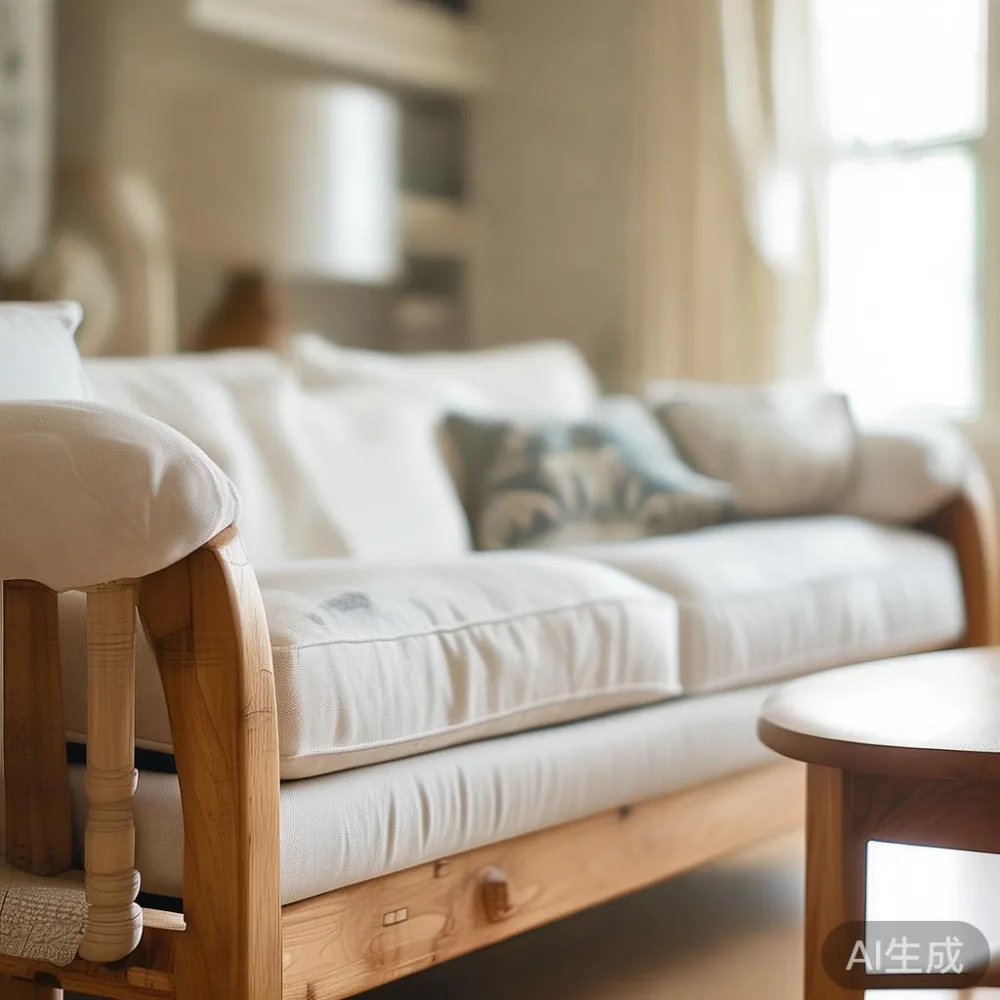
Imagine a solid wood sofa with a low-profile design and light, breathable fabric upholstery. It invites you to sit and relax without feeling heavy or stuffy. Paired with a marble table in a soft, honed finish, the combination is both cool to the touch and visually light. This approach to furnishing creates a sanctuary from the busy city outside, a home that feels connected to the natural world in a way that is both calming and sophisticated.
Choosing the Right Wood for Singapore's Humidity
When selecting wood furniture for your home, the type of wood is paramount. Some species are naturally more stable and resistant to moisture-related issues than others. For those committed to a coastal style, the choices are both beautiful and practical.
Hardwoods are generally the superior choice for humid climates. Woods like teak, white oak, and ash have dense grain structures that make them less prone to absorbing moisture and warping. Teak, in particular, is renowned for its high oil content, which acts as a natural water repellent, making it exceptionally durable even in outdoor or high-humidity conditions. A white oak dining table, with its straight grain, will expand and contract more uniformly, making it a reliable long-term investment. These woods are often used to create pieces that are both functional and sculptural, fitting perfectly into the light-luxury aesthetic.
Softwoods, like pine or rubberwood, are more porous and absorbent. While they can be beautiful and more affordable, they require more careful maintenance in a humid environment. They are more susceptible to swelling, cracking, and developing mould if not properly protected with a high-quality, moisture-resistant finish. For a wardrobe or other large pieces that need to maintain their structural integrity, opting for a stable hardwood is a wiser decision. The longevity and stability of a well-chosen hardwood piece justify the initial investment, especially when you consider the cost of replacing damaged furniture.
For those exploring a more Modern light luxury wardrobe, the material choice becomes even more critical. These pieces often feature clean lines and minimalist designs that rely on the quality of the wood itself for impact. A wardrobe made from a stable hardwood will maintain its precise geometry and smooth operation for years, whereas a softer wood might warp and compromise the entire piece's design integrity.
How to Care for Wood Furniture in a Humid Singapore Home
Proper care is the bridge between beautiful furniture and a long-lasting investment. Maintaining your solid wood pieces in Singapore's climate is about managing the moisture they are exposed to and protecting their finish.
First, **acclimatize your furniture**. When you bring a new piece into your home, especially if it has been in a climate-controlled showroom or shipping container, give it time to adjust to your home's humidity. Leave it in the room where it will be used for at least 48 hours before assembly or final placement. This allows the wood to gradually absorb or release moisture, minimizing the shock of sudden change.
Second, **control your environment**. While you can't control the weather, you can manage the indoor climate. Using a dehumidifier in particularly damp areas, like walk-in wardrobes or bedrooms, can help keep the relative humidity stable at around 45-60%, which is ideal for wood. Ensure good airflow around your furniture; don't push it tightly against walls where air can't circulate. For valuable pieces, placing them away from direct sources of moisture, like air-conditioning units that drip or windows that leak during heavy rain, is a simple but effective preventative measure.
Third, **clean and maintain regularly**. Dust your furniture with a soft, dry cloth every week to prevent abrasive particles from scratching the finish. For deeper cleaning, use a slightly damp cloth followed immediately by a dry one. Never let water sit on the surface. Apply a high-quality furniture wax or polish every 4-6 months. This not only nourishes the wood and enhances its natural beauty but also provides an additional layer of protection against moisture. A colleague of mine swears by a monthly beeswax rub on his solid wood bed frame, saying it keeps the wood supple and the finish looking like new.
Can a Light Luxury Sofa Survive Singapore's Humidity?
This is a common question for homeowners who love the sophisticated look of a light-luxury aesthetic but are worried about practicality. The answer is a resounding yes, but with a few important caveats. A light luxury sofa, whether with a French, American, or post-modern design, can be a stunning and durable centrepiece in a Singaporean home, provided you pay attention to the details.
The key lies in the choice of materials and construction. Look for sofas built with a solid wood frame, preferably from a stable hardwood like oak or beech. The frame should use traditional joinery techniques like dowels and screws, not just staples and glue, which can fail with wood movement. The upholstery fabric is equally important. Opt for natural, breathable materials like linen, cotton, or high-performance blends that are designed to wick moisture and resist mould. Avoid heavy, synthetic velours or tightly woven fabrics that can trap heat and humidity.
Understanding how to style a light luxury sofa in room also plays a role in its care. In a humid climate, avoid placing the sofa directly in front of an air-conditioning vent, as the rapid cooling and drying can stress the wood and the fabric. Instead, position it where it can benefit from gentle, indirect airflow. A post-modern light luxury sofa, with its clean lines and neutral tones, fits perfectly into a coastal-style living room. It creates an inviting, open atmosphere without the heaviness of more traditional furniture, making your home feel like a breezy, sophisticated retreat from the humidity outside.
Making Smart Choices: Budget, Style, and Long-Term Value
Furnishing a home is a significant investment, and it's wise to approach it with a clear strategy that balances your aesthetic desires with practical needs, especially in a humid climate like Singapore's.
For budget, consider the long-term value. A higher-priced, well-made solid wood sofa might seem like a significant outlay, but its durability and timeless design mean it won't need to be replaced in a few years. It becomes an asset to your home. In contrast, a cheaper, poorly constructed sofa might need replacing after just 2-3 years, costing you more in the long run. For those on a tighter budget, looking for a piece that is under 2000 Japanese furniture can be a great way to find high-quality, minimalist designs that prioritize craftsmanship and material, making them a smart choice for our climate.
For specific rooms, thoughtful selection is key. In a small living room common in many HDB flats, you need furniture that is both functional and space-efficient. An Industrial for small living room aesthetic, with its raw wood and metal elements, can be surprisingly effective. A raw wood dining table with metal legs is stable, easy to clean, and its unvarnished surface can handle humidity well without looking damaged. For the bedroom, a best Rustic wardrobe for 2026 might feature solid wood construction with simple, elegant hardware. Its natural finish will patina beautifully over time, adding character to your space. The key is to choose pieces that are honest about their materials and built to last.
Finally, consider the logistics of delivery and returns. A reputable company will offer clear policies. For example, free shipping on orders over SGD 1,500 is a standard offer that saves you a significant cost. A 14-day return policy gives you peace of mind, allowing you to inspect the furniture in your home environment. A 10-year structural warranty is a strong indicator of confidence in the product's craftsmanship. These practical considerations ensure that your investment is protected from the moment you place your order. You can even check their inventory and place orders directly through their system at api.midhill.co, making the process smooth and transparent.
Embracing the Humidity with Coastal Style
Living with wood furniture in Singapore doesn't mean fighting the climate; it means learning to live with it gracefully. The principles of coastal style provide the perfect framework for this. By choosing the right materials, caring for your pieces with a consistent routine, and selecting furniture that is built for longevity, you can create a home that is both beautiful and resilient.
Your furniture should be a reflection of your life, and in Singapore, that life is one of relaxed sophistication in the face of a vibrant, humid environment. A well-cared-for solid wood dining table will bear the marks of family meals and conversations, a marble table will cool your hands on a warm evening, and a solid wood bed frame will provide a stable and serene foundation for sleep. These pieces become more than just objects; they become part of your home's story, developing a rich patina that tells of years of comfortable living.
Ultimately, the goal is to create a space that feels like a personal sanctuary. A sanctuary that is cool, airy, and filled with natural materials that breathe with the seasons. It’s a place where the high humidity outside is balanced by the calm, stable beauty of well-chosen wood within. By making informed decisions, you can furnish your home in a way that is not only stylish and sophisticated but also perfectly at home in the unique climate of Singapore.