How Humidity in Southeast Asia Affects Solid Wood Furniture
Singapore’s warm, humid climate can change solid wood faster than most buyers expect. In a Tampines HDB flat, a dining table near an open balcony may absorb moisture during a 32°C afternoon and release it during a cooler, rainier evening. Repeated cycles can open small gaps along a joint, cloud a clear finish, or make a drawer feel tight. Air-conditioning helps, but it also lowers the room’s humidity sharply at night, so the real issue is not moisture alone: it is repeated swelling and shrinkage.
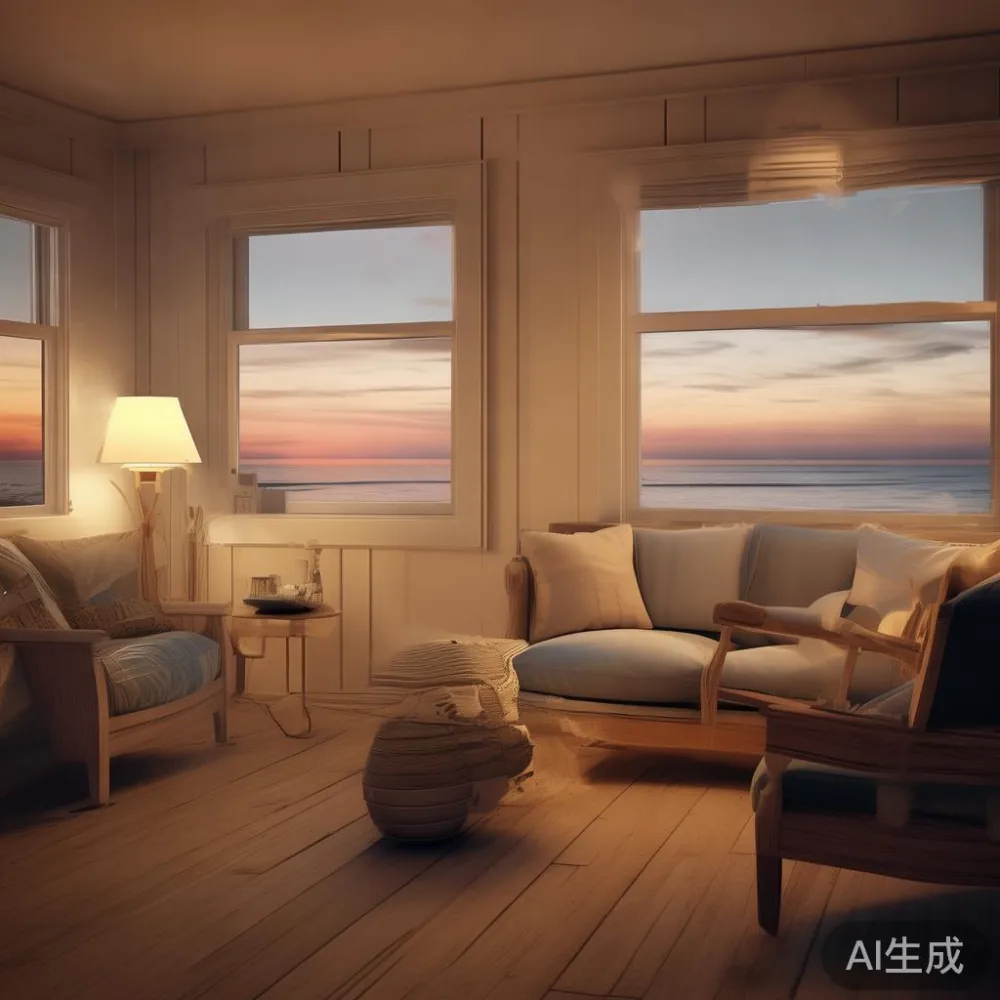
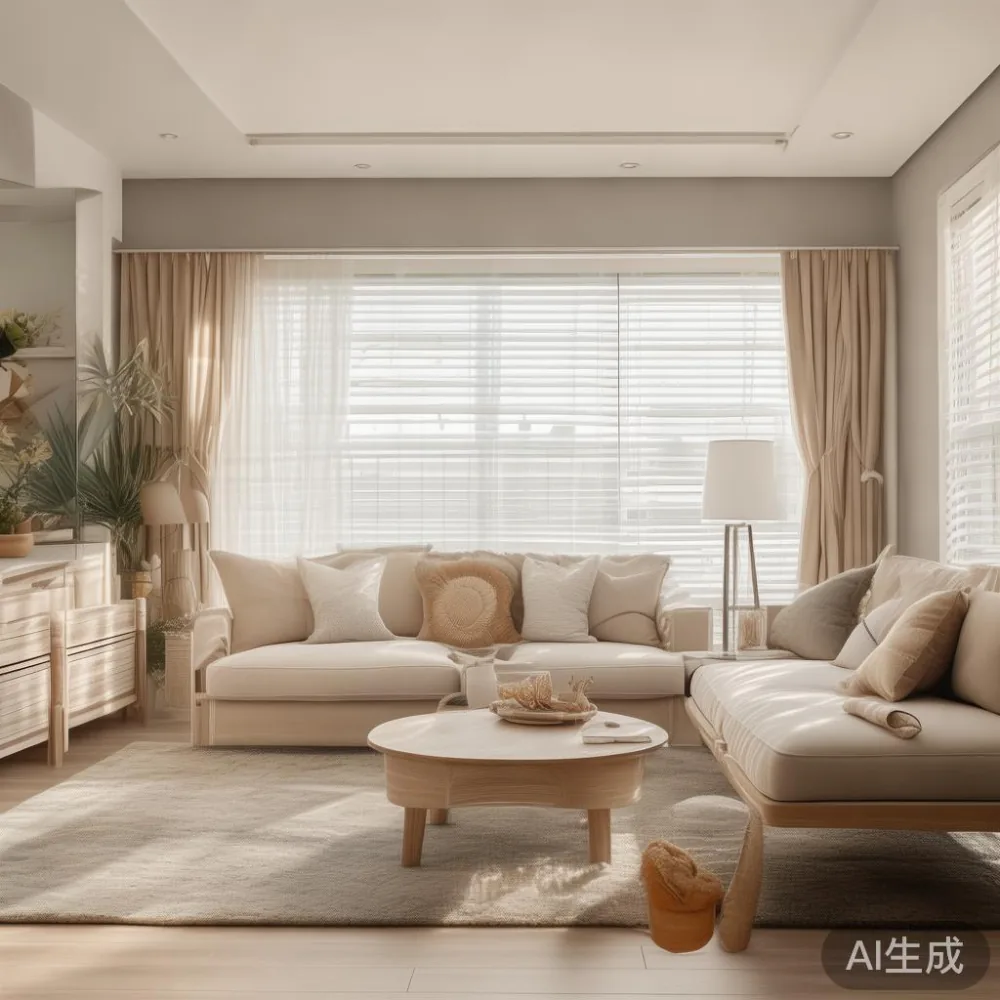
For coastal style interiors filled with pale woods, woven textures, linen-like upholstery, and relaxed silhouettes, humidity control matters twice over. It protects the timber and preserves the calm visual language that makes the room feel open. This guide explains how tropical humidity affects furniture, what dimensions and materials suit Singapore homes, and how owners of HDB flats and condos can maintain pieces without overcorrecting.
Why Singapore’s climate changes solid wood
Singapore’s relative humidity commonly ranges from roughly 65% to 85%, with higher readings during the wetter months and at night. The island’s average daytime temperature is about 31°C, while air-conditioned interiors may sit near 24°C. A timber surface can therefore encounter swings of several percentage points within 24 hours.
Solid wood is not inert. Its cell fibres expand when they take on moisture and contract when they dry. Movement of about 1% to 3% across the width of a board is normal for many hardwoods used in furniture. A 100 cm dining table top might vary by approximately 1 cm to 3 cm across its grain under severe seasonal changes. The movement usually occurs across the grain rather than along its length, so a top should not be rigidly fixed at every point.
Teak, oak, ash, and other properly seasoned hardwoods can perform well in the tropics. The grade is less important than stable moisture content, sound joinery, a compatible finish, and responsible design. Furniture assembled in a dry factory and suddenly placed in a humid flat can react more visibly than timber acclimatised gradually. A retailer should know the moisture target for tropical conditions and allow finished pieces to adapt after delivery.
Engineered wood has different behaviour. It can be dimensionally steadier, but its particleboard or plywood core may still be affected at exposed edges, joints, and screw holes. Solid wood is often chosen for repairability and character rather than zero movement. That distinction should be explained clearly before a bed frame, wardrobe, or dining table reaches a corridor landing.
What humidity does to a coastal-style living room
Coastal style depends on light colours and tactile contrast, so moisture marks can be especially noticeable. White oak dining tables may develop a faint water ring if a glass is set down wet. Dark stains reveal small changes in sheen. Matte lacquer can look hazy when humidity softens the surface, while gloss finish may show fingerprints and surface unevenness more readily.
Humidity can also affect upholstery, although the mechanism differs from timber movement. A solid wood sofa with foam and fabric cushions may develop a slight musty smell if the frame or underside stays damp. A bed frame placed against a cool bedroom wall can transfer moisture into a poorly ventilated area. A wardrobe positioned against an exterior wall may have doors that bind if its carcass and doors move at different rates.
These issues rarely mean that a piece is defective. They usually point to placement, ventilation, cleaning, or finish maintenance. For a Singapore condo, keep solid wood at least 20 cm to 30 cm from an exterior wall where possible, and 15 cm to 20 cm from a window that receives direct rain. In an HDB flat, avoid placing a nightstand directly beneath an air-conditioning drip line. Use a coaster measuring at least 30 cm by 20 cm under a plant, and do not let table runners touch damp walls.
Light-luxury design does not require a heavy, sealed appearance. French light luxury often pairs pale upholstery with refined timber and metal details. American light luxury favours generous proportions and restrained craft. Post-modern light luxury can introduce graphic curves and gentle asymmetry. In coastal style, all three approaches work best when the furniture remains visually light but is engineered for actual tropical conditions.
How should solid wood furniture be measured for HDB homes?
Measure the route before choosing the largest possible format. Many Singapore lifts have a door width of about 90 cm and a car depth of roughly 130 cm to 140 cm, though older and newer blocks vary. A dining table top may fit into a lift diagonally, but a wide solid wood sofa can be much harder to rotate through the door. Check the lift noticeboard, mirror position, turning space, and any fire hose reel recess.
Corridors can be only 100 cm to 120 cm wide in some estates. A box-shaped wardrobe with a 60 cm depth and a 120 cm width may pass an open door but create problems at a 90 cm corner. Measure the narrowest point and add a 10 cm clearance for hands and protective wrapping. Detachable legs and knock-down storage sections can reduce the depth by 30 cm to 50 cm and make a move less risky.
For a three-seat sofa, a width near 210 cm to 230 cm suits many living rooms, while a depth of 90 cm to 100 cm preserves circulation. Leave at least 60 cm between a sofa and a coffee table, and 75 cm to 90 cm around a dining table where chairs must be pulled out. In a compact HDB dining area, a 140 cm by 80 cm table can seat four people comfortably; a 160 cm by 90 cm table can seat six.
At a condo entrance, confirm whether the loading bay and concierge can accept a delivery during the required delivery window. Avoid the busiest arrival periods. A furniture order below S$350 does not qualify for MIDHILL’s free shipping offer, so include the full order value when arranging a larger wardrobe or bed frame. Singapore’s 9% GST is also payable on most sales and should be shown in the final quotation.
How do I choose humidity-resistant solid wood furniture?
Look for stable construction, not vague claims about being completely moisture-proof. A sound wardrobe should have well-fitted doors, aligned drawer runners, and a back panel that does not trap damp air. Drawers should use runners with at least 12 cm to 15 cm of adjustment where humidity is a concern. Shelves should sit in dados or supporting cleats rather than relying on narrow screws alone.
For a dining table, solid wood boards should be joined with movement-friendly methods. Look for solid wood sofa frames with dowelled or mortised joints, solid wood bed frames with reinforced slats or a supportive centre rail, and solid wood dining table bases that resist racking. Hardware should be corrosion-resistant, and any metal brackets touching wet wood need appropriate protection.
Finish is equally important. A water-based finish can be easier to repair locally, while a good oil or hardwax finish offers a natural appearance and can be renewed. Whatever the system, ask for the exact maintenance instructions and the expected recoating interval, commonly 12 to 24 months depending on exposure and care. Sealers slow moisture uptake but do not make wood waterproof.
There are useful search phrases for shoppers researching options, such as how to choose Mid-century modern wardrobe, because Mid-century forms often use slender frames and large storage volumes that need careful proportion checks. Likewise, under 2000 Mid-century modern furniture can cover a broad price range, so material specifications should be compared rather than relying on style labels alone.
MARBLE TABLE deserves careful treatment in humid rooms. A marble table can suit a coastal-style dining area with solid wood chairs, but the stone, frame, and fixing method must be selected as a system. Natural stone may need sealing according to its porosity, and it should not be treated as a surface for standing drinks. Likewise, a French provincial TV console should be checked for stable shelves, rear ventilation, and a finish suitable for a frequently touched surface.
Can you use solid wood sofas and bed frames in humid bedrooms?
Yes, with sensible placement and maintenance. Keep a solid wood sofa away from direct airflow from an air-conditioning vent, because rapid drying can create stress across a top or rail. A gap of 30 cm to 50 cm is usually enough. Rotate cushions and vacuum the frame area every 1 to 2 weeks. Clean spills promptly, and use a pH-neutral product suitable for the upholstery rather than spraying cleaner directly onto the fabric.
For a bed frame, leave around 10 cm to 15 cm behind the headboard if space permits. This improves airflow and makes wall cleaning easier. A slatted base is useful in Singapore because it allows moisture to evaporate beneath the mattress. Check that the mattress itself is not sitting in a depression that creates a damp pocket, and avoid stacking bedding against the frame for long periods.
Owners searching for a european sofa bed with storage often focus on the pull-out mechanism, but the timber drawer box also needs room to move. Its rails should be clean, and the storage cavity should remain dry. For a bedroom layout, guides on how to style Japanese sofa in bedroom can help create a low, uncluttered coastal arrangement, provided the frame is raised sufficiently for cleaning and the mattress has a breathable cover.
Accurate room measurements matter just as much. A bed frame of 160 cm by 200 cm needs a clear route from the bedroom door, especially in a narrow HDB room. A queen bed of 155 cm by 200 cm offers useful floor clearance in many flats, while a king of 180 cm by 200 cm may make bedside access difficult in a 280 cm wide room. If sleepers search for how to style light luxury sofa in apartment, the practical test is simple: leave 60 cm to 75 cm around the piece, keep vents unobstructed, and avoid overloading it with textiles that trap moisture.
How should you control humidity inside the flat?
Use ventilation and measured climate control rather than chasing a single dry-air reading. A hygrometer placed near the furniture can help. Aim for a relative humidity near 45% to 60% where practical, especially around large timber pieces. Air-conditioning often brings readings below 50%, while very humid corners can remain above 80% even in an air-conditioned flat. A reading is useful only if it matches the wood’s nearby environment.
Run the air-conditioner long enough to remove moisture from the room, not merely to cool it. In a typical bedroom, a 9,000 BTU to 12,000 BTU inverter unit may maintain a comfortable temperature, but the required setting depends on room size, sunlight, and occupancy. Use the fan or fresh-air mode when outdoor humidity is lower than indoor humidity. During heavy rain, outdoor ventilation may add moisture and should be used with judgement.
A dehumidifier can help in a persistently damp bedroom or storeroom. Choose a model with a drain hose and a humidistat that can maintain roughly 50% to 55% relative humidity. Place it on a level surface with clearance around its intake and outlet. Do not direct air at a solid wood dining table or wardrobe, as concentrated airflow can cause uneven drying. Empty a tank every 2 to 3 days unless continuous drainage is arranged.
Small habits matter. Use a damp cloth on furniture and dry it immediately with a clean cotton cloth. Do not use paraffin-soaked cloths, household oil, or acidic cleaners. Coasters should be placed under vases and lamps, and felt pads should remain under table legs. Wipe a nightstand every 1 to 2 weeks and inspect underneath at least twice a year for moisture or insects.
What can go wrong with delivery, assembly, and storage?
Large wood pieces may arrive from a different humidity zone and need time to acclimatise. Keep packaging open or loosely folded for 24 to 72 hours in the final room if the manufacturer permits. Do not place a wardrobe against a damp wall on delivery day. If a sliding door binds immediately, allow the timber to adjust and check the floor level before adjusting the hardware.
Flats have another local issue: a lift may be used for construction, deliveries, and resident moves at the same time. Reserve the service lift where possible, protect common-area floors, and confirm whether the item will fit without scraping the lift ceiling. A bed frame delivered in 2 packages of 35 kg to 45 kg is manageable for two people; a 90 kg wardrobe section may require three people or professional movers.
Insurance and the warranty should match the purchase. MIDHILL provides a 10-year structural warranty, lifetime refinishing, and a 14-day return period. These terms help with long-term care, although transport damage and moisture misuse should be handled according to the company’s written policy. Ask for photographs of the piece before dispatch if a visible finish or joint is important to you.
How do you maintain coastal style furniture over 10 years?
Create a simple maintenance rhythm. Every week, clear crumbs and check for standing water. Every month, inspect the dining table and nightstand for rings, dull patches, or movement. Every 3 months, clean the solid wood sofa with the approved upholstery method and check that wardrobe runners remain smooth. Every 6 to 12 months, review exposed furniture near windows, exterior walls, and air-conditioning outlets.
Refinishing should be considered when the finish no longer repels water evenly, not simply because the colour looks slightly different. Use the same finish family where possible, and test a small hidden area first. Avoid sanding heavily before asking for advice, because unnecessary removal can alter the surface. MIDHILL’s lifetime refinishing service can provide guidance over the long term, but the original construction and finish system still affect the result.
Last month, I visited a colleague’s three-room HDB flat in Bedok during a series of afternoon showers. His solid wood dining table had a satin finish and stood about 25 cm from a balcony wall. He had placed it there without a hygrometer and worried about a faint cloudy patch. We measured the dining area at 74% relative humidity while the adjacent bedroom, running its air-conditioner for 3 hours, measured 52%. The table had expanded only slightly, but a cloth placed beneath a fruit bowl had held enough water to leave a temporary mark after 40 minutes.
We moved the bowl onto a stone trivet, opened the nearby sliding door for 15 minutes while outdoor humidity was lower, and wiped the surface dry. The mark disappeared after 2 hours without sanding. The experience confirmed that placement and quick responses mattered more than dramatic chemical treatment. It also showed why a coastal-style room should pair solid wood with marble accents, pale textiles, and ventilation rather than rely on visual lightness alone.
For buyers in Tampines, Bedok, Punggol, and Singapore condos, the practical formula is straightforward: choose seasoned timber, buy joinery designed for dimensional movement, allow airflow, keep water away from surfaces, and maintain the finish. A solid wood sofa, bed frame, dining table, wardrobe, or nightstand can provide decades of use when its care routine respects the climate rather than ignoring it.