How Southeast Asian Humidity Affects Solid Wood Furniture
Singapore’s weather changes quickly, and the effect is easy to notice inside an HDB flat or condo. A window opens before a storm, the air feels heavy, and timber doors may feel less smooth than they did at midday. Outdoor humidity often reaches 80–90%, while air-conditioned rooms can be maintained near 50–60% relative humidity. For solid wood furniture, this contrast matters because wood continually exchanges moisture with the surrounding air.
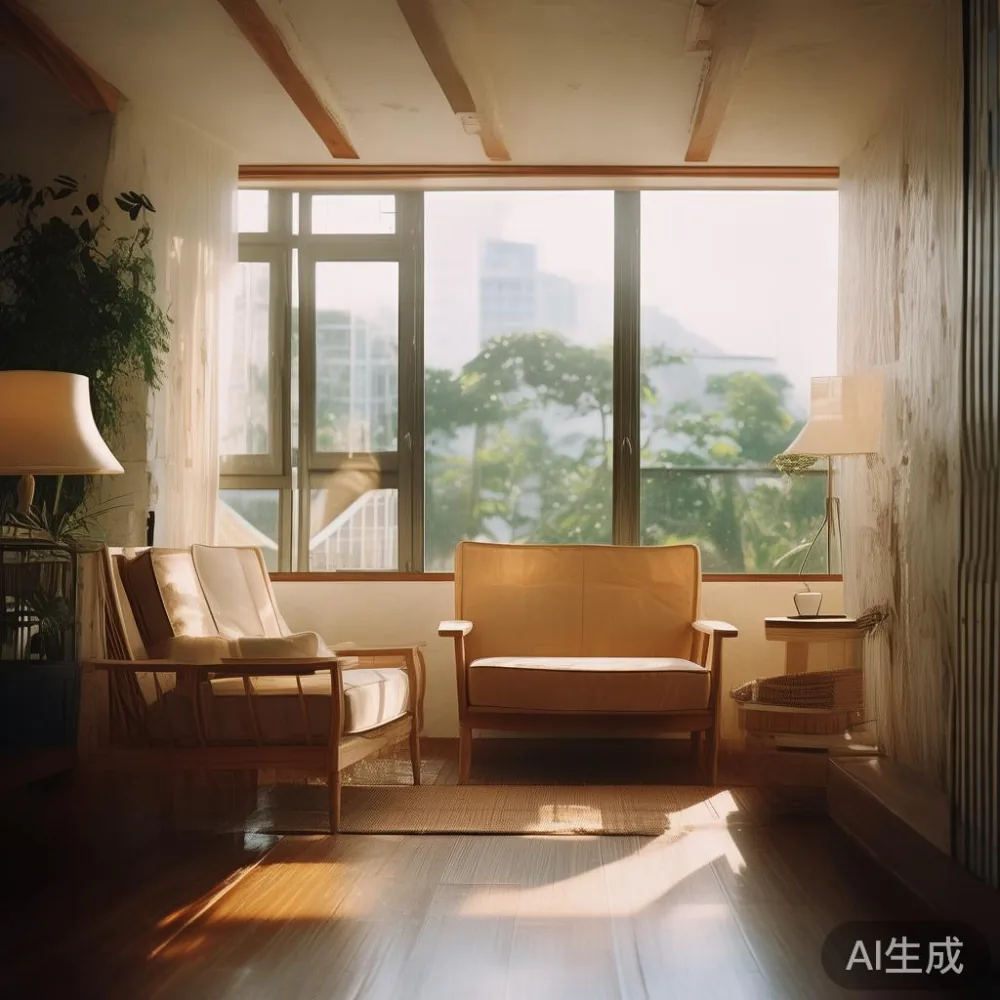
That movement is not automatically a defect. Properly kiln-dried furniture is expected to expand and contract by a small, controlled amount. Problems arise when untreated surfaces, unsuitable joinery, or repeated damp conditions allow the wood to swell, split, or stain. The right response is not to avoid solid wood in Singapore, but to select stable construction, thoughtful finishes, and a maintenance routine suited to a tropical climate.
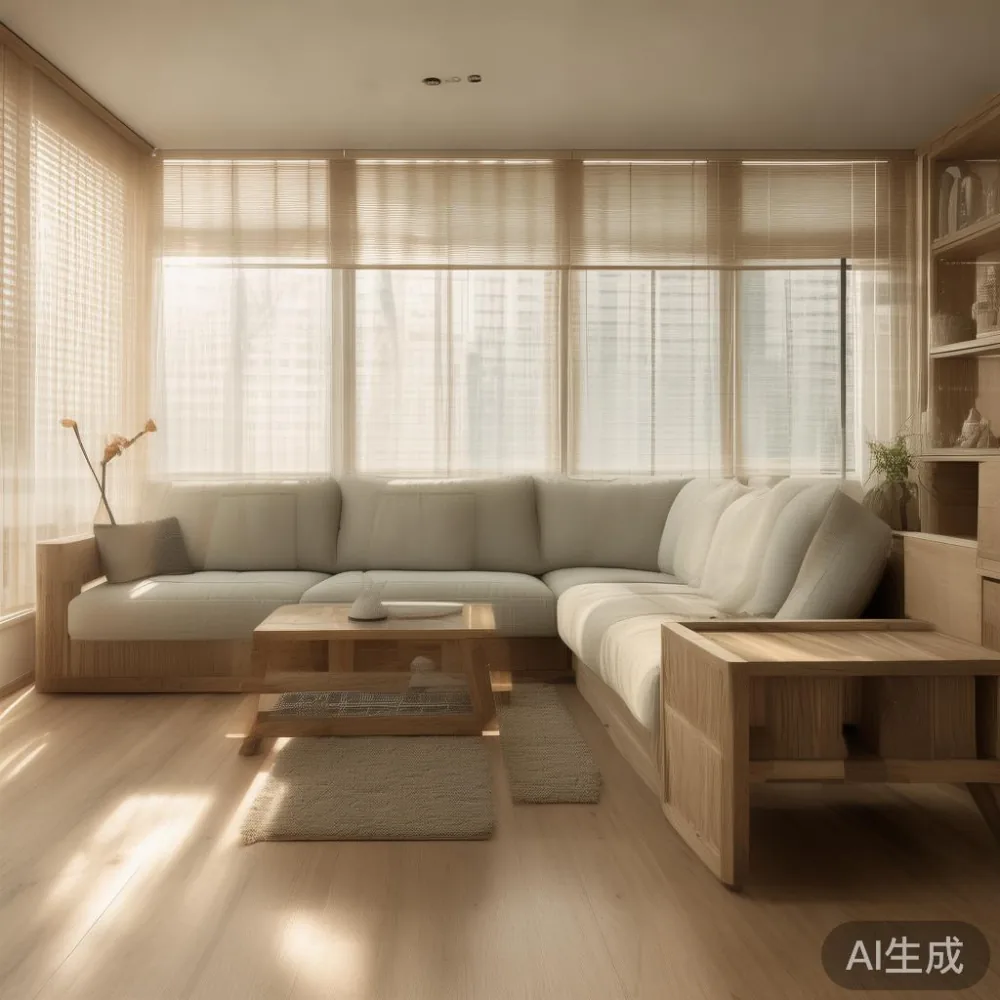
MIDHILL has manufactured solid wood furniture since 2008 and exports to more than 15 countries, giving its production experience a useful international dimension. Its coastal-style collections suit Singapore homes particularly well, where pale timber, restrained proportions, and relaxed forms can make compact rooms feel more open. The 10-year structural warranty also gives buyers a clear distinction between long-term construction quality and surface care.
Why does humidity change solid wood furniture in Singapore?
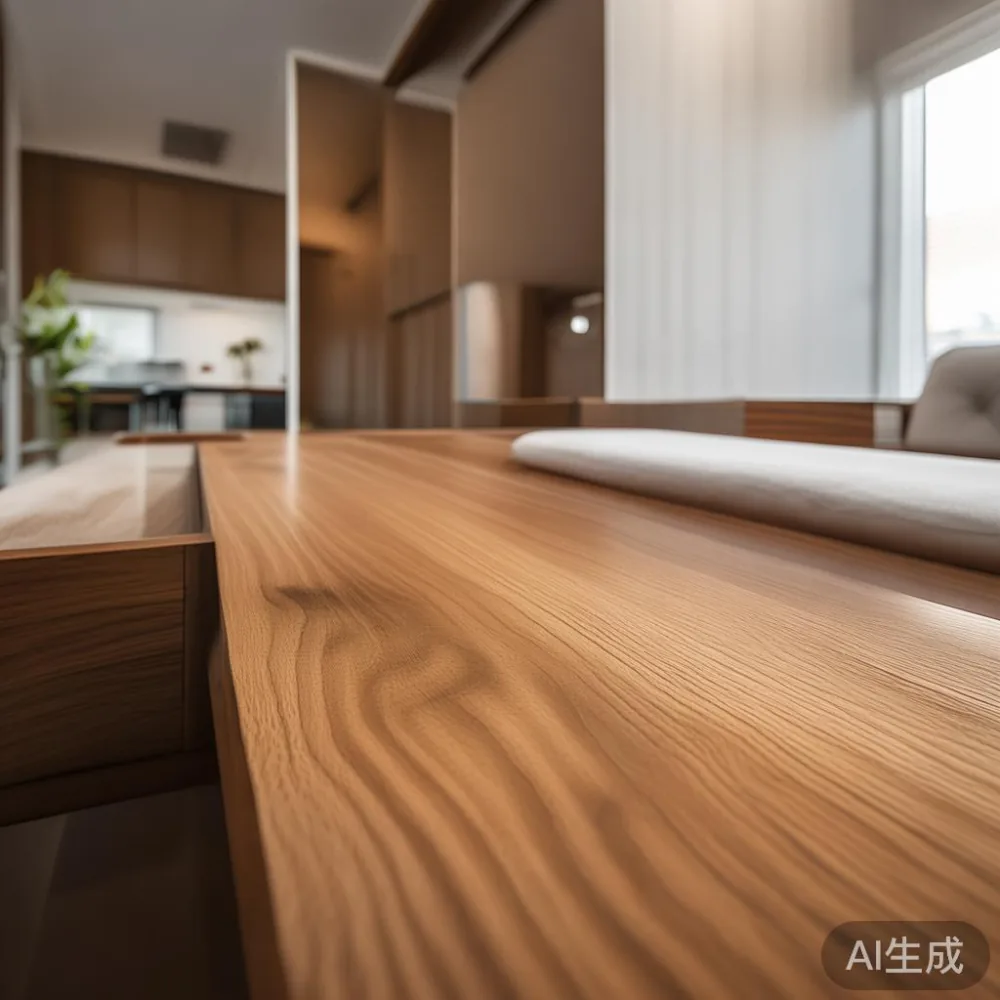
Wood is hygroscopic: it absorbs atmospheric moisture when the air is humid and releases it when conditions become drier. A solid oak dining table, for example, may change width by roughly 2–5 mm across a board 120–160 cm long as its moisture content responds to seasonal humidity. A solid wood sofa frame can tighten or relax slightly around its joints, while a bed frame may develop a faint ticking sound as timber components settle.
In Singapore, the daily cycle can be sharper than the annual cycle. Outdoor relative humidity may climb from 65% at 10 a.m. to 88% by 4 p.m. during a wet afternoon. Indoors, an air conditioner may then lower the room to 52%. Repeated transitions can stress lacquered surfaces, especially if furniture is placed against a wall that is repeatedly chilled by the air-conditioning airflow.
Temperature also has an effect. A surface moving from 24°C to 31°C can warm noticeably, but the main dimensional change still comes from moisture. Coastal-style furniture should therefore be treated as part of the home’s climate system rather than as an isolated decorative object.
Which woods and finishes are most suitable for humid conditions?
Solid teak, ash, beech, rubberwood, and well-processed oak can all work in Southeast Asian interiors. Species alone do not determine performance. Board selection, drying, grain orientation, joinery, and coating quality matter just as much. Kiln drying to approximately 8–12% moisture content helps create a stable product for normal indoor use, though the final finish and acclimatisation remain important.
Teak contains natural oils that make it a practical choice for humid locations. Oak offers a clearer grain and a lighter coastal-style appearance, but its finish should be sealed on all faces and edges. A light-luxury wardrobe with tall panels needs stable cores and carefully aligned doors; otherwise, a 210 cm cabinet may bow slightly when exposed to persistent damp air.
Water-based polyurethanes and hardened lacquer systems can provide good protection when applied properly. Waxy or oiled finishes may need more frequent renewal because they do not form as hard a barrier. For a marble table, humidity is less of a structural issue because marble does not absorb much water, although the wooden or metal supporting structure should still be kept dry. Always use a coaster and a mat under a hot vessel, and wipe spills within about 10 minutes.
For buyers comparing for sale French furniture options, ask the supplier about kiln-drying, edge sealing, joinery, and coating type rather than relying on a country-of-origin label. French provincial styling can be rendered in tropical-friendly solid wood with pale finishes and durable hardware, provided the construction details are adapted for local conditions.
How should I protect a solid wood dining table near an open kitchen?
Open kitchens are common in newer HDB flats and many Tampines, Bedok, and Punggol condos. Cooking steam adds moisture to a room, while washing dishes can raise humidity locally. A solid wood dining table should stand at least 90 cm away from a wet sink or washing zone and preferably 120 cm from an active hob. Use a splash guard, keep lids on pots, and run the extractor for about 15–20 minutes after cooking.
Do not place a hot bowl directly on bare timber. A pot may exceed 80°C, and repeated heat can cloud a lacquer or leave a pale ring. Coasters should be at least 10 cm across, while a placemat can provide a wider buffer. Wipe the surface dry rather than leaving a damp cloth in contact with it for 30 minutes.
Standalone climate control offers another layer of protection. A hygrometer can be bought for around SGD 15–30 and should sit at table height, not directly against an air-conditioning vent. A reading of 45–60% is a practical target. If the display shows 70% for several hours, improve ventilation and move the table away from the kitchen threshold.
Will coastal style furniture warp in a lift and corridor?
Lift and corridor widths influence delivery more than humidity, but both need planning. HDB lifts commonly measure about 90–110 cm deep and 100–140 cm wide, with door openings of roughly 80–90 cm. A solid wood bed frame can often be delivered in 3–5 cartons, each weighing 18–35 kg. The assembled bed may be 150–200 cm long and 190–220 cm wide, so the lift may need to be reserved.
Corridors can include tight turns, household doors, and a service lift with lower ceilings. Measure the route before ordering, including the door width, lift height, and the narrowest turn. Protective blankets and corner guards reduce knocks during the 7–14 day delivery window, while lifting straps help two delivery staff handle pieces over 25 kg.
The visual effect of coastal style is particularly useful here. Light oak tones, slim silhouettes, and a soft marine palette can prevent narrow HDB living rooms from looking crowded. A coastal-style dining table around 120–140 cm long accommodates 4–6 people without occupying the entire dining zone. A 160 cm table is better for 6–8 diners but requires a room of at least 240 cm in its longer direction for useful circulation.
Allow about 60–75 cm between the dining table and a wall or another major furniture piece. In a compact living-and-dining area, this clearance lets chairs move without scraping the floor. For a solid wood sofa, confirm that each seat box or frame section can fit through the lift; attractive deep armrests may need to be detachable.
How do I care for a bed frame, wardrobe, and nightstand?
Solid wood needs stable care rather than constant intervention. Use a slightly damp microfibre cloth, wring it until only a light film remains, and dry each surface immediately. Avoid saturating edges and joints. A cleaner with a high alcohol content can dissolve some finishes, while household bleach can discolour timber. Mild soap and water are usually sufficient for routine cleaning.
For a wardrobe, keep door gaps free from damp laundry and allow wet garments to dry before hanging them. Singapore’s high humidity can make a tightly packed wardrobe feel musty. A small rechargeable dehumidifier costing about SGD 50–90 can help if the internal humidity stays above 65%. Keep at least 5 cm between the wardrobe and a bedroom wall where possible, and inspect the back for early staining.
A nightstand should not be placed directly beneath an air-conditioning vent. The falling air can lower surface temperature rapidly and expose one side to more moisture movement than the other. If a reading rises above 65%, move the unit and wipe it down once a week. A solid wood sofa should be dusted with a dry cloth every 7 days and checked around the legs for dampness.
Refinishing is a practical advantage over replacement. MIDHILL offers lifetime refinishing, which can restore a surface after colour changes, scratches, and wear. Many owners review colour around the 12-month mark, even when the furniture remains structurally sound.
What is the right way to style a Japandi wardrobe in a room?
If you are learning how to style Japandi wardrobe in room layouts, begin with proportion, airflow, and restrained colour. Japandi draws on simple lines and functional forms, while coastal style introduces softer light tones and natural texture. These approaches can work together without making a compact bedroom visually busy.
A pale wardrobe around 180–220 cm wide can be paired with a light oak bed frame, woven baskets, and off-white walls. Avoid dark, heavy side panels that block the sense of space. If the wardrobe is near a bathroom wall in an HDB flat, inspect the wall’s dampness and leave a 3–5 cm ventilation gap where practical.
Hardware should also suit frequent humidity. A brushed nickel, matte black, or satin brass pull in a slim profile will coordinate with a coastal-style nightstand. For a guest room, light luxury for guest room projects can use a compact solid wood bed frame, a 40–50 cm nightstand, and a wardrobe no deeper than 55–60 cm. This combination supports circulation while keeping the room polished rather than overfilled.
When comparing under 2000 light luxury furniture packages for a Singapore bedroom, request the dimensions of every component, not just the room set. A quoted budget may exclude mattresses, delivery, or installation. Singapore’s 9% GST should also be shown clearly for both individual pieces and bundled orders.
How do I choose coastal-style furniture that suits an HDB flat?
Start with a measurement tape and a floor plan. For a 3-room HDB living room measuring roughly 20–25 sqm, a solid wood sofa of 180–220 cm can sit against the longest wall without blocking a common walkway. A dining table of 120–140 cm may fit in the dining bay, while a 45 cm-wide console can provide storage without narrowing the main route.
Coastal style works through proportion as much as colour. Pale finishes, tapered legs, rounded corners, and subtle texture reflect daylight and make rooms feel less compressed. A fabric-upholstered solid wood sofa may include removable cushion covers for easier cleaning. If a pet is involved, request performance fabric and test a small hidden area with water first.
Some shoppers explore the top 10 French provincial furniture ideas for inspiration. Curved profiles and warm timber are useful references, but humid homes need well-sealed edges and stable joinery. The same principle applies to a marble table: select a slim coastal profile with a reinforced base, rather than an extremely heavy top that becomes difficult to move through a service corridor.
Buyers interested in a MIDHILL light luxury bed can check the bed’s centre height, slat spacing, and assembly method before delivery. A 10-year structural warranty offers useful protection, while the lifetime refinishing service helps preserve the appearance over time. For a MIDHILL wardrobe, confirm internal dimensions, hanging rail heights, and whether doors open beyond the available corridor space.
What should I do when a piece arrives after humid transport?
Solid wood can arrive with a slightly different moisture level after travelling in a container or a covered delivery vehicle. Let the furniture acclimatise for 24–72 hours before tightening fittings, fixing wall anchors, or applying additional oil. Keep it away from wet floors and direct air-conditioning airflow during this period.
Inspect corners, undersides, drawer runners, and joints under daylight. A tiny surface mark may be handled by refinishing, but mould, soft timber, or a rattling structural joint needs professional assessment. Photograph the delivery condition before the cartons are removed, and note any damage on the delivery record.
MIDHILL provides a 10-year structural warranty and a 14-day return window. For delivery, confirm the date, service lift booking, and access requirements. Orders over US$350 qualify for free shipping under the stated policy, although a quotation in SGD should be requested so the local GST and delivery charges can be assessed clearly.
Coastal-style furniture can suit Southeast Asian homes very well, provided humidity is managed rather than ignored. Keep relative humidity near 45–60%, separate timber from persistent dampness, use protective mats, and arrange good ventilation. For more guidance on suitable bedroom layouts, measurements, finishes, and delivery planning, contact MIDHILL with the room dimensions and photographs of the intended space.