How to Read a Furniture Warranty Without Getting Caught Out
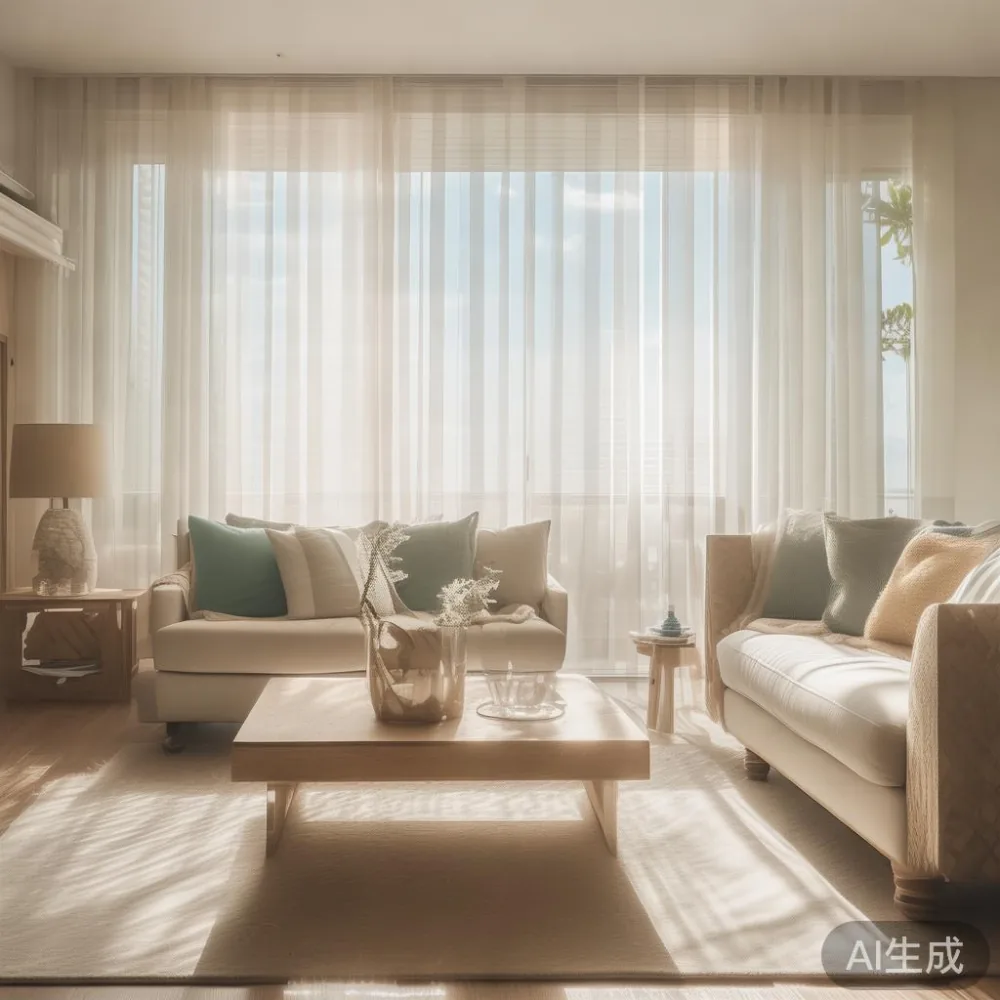
When furnishing a new home in Singapore, whether it's a compact 4-room HDB flat in Tampines or a spacious condo in Punggol, the excitement is palpable. You've spent months envisioning the perfect coastal-style living room, perhaps with a light oak solid wood sofa, a marble coffee table, and breezy linens. The furniture is ordered, delivery is scheduled, and then you're presented with a thick booklet: the warranty. Most people glance at it, see '10 years' or 'lifetime', and file it away, assuming they are covered. This is where the potential for disappointment begins. A warranty is a legal document, not a marketing slogan, and its language can be as dense as the wood in your new bed frame. Understanding the fine print is the difference between a stress-free ownership experience and a frustrating battle with a manufacturer. Let's break down how to become a savvy warranty reader, ensuring your coastal-style sanctuary remains just that.
Why Your Furniture Warranty is More Than Just a Sales Pitch
A furniture warranty is a promise, but it's a promise written by lawyers, not marketers. It defines the exact terms of your coverage, the responsibilities of both you and the manufacturer, and the process for making a claim. For a coastal-style home, where furniture is exposed to more humidity and sunlight than in a temperate climate, this document is your first line of defence. Consider the natural variations in solid wood. A warranty should explicitly state if 'natural characteristics' like knots, grain patterns, and colour variations are excluded from coverage, as these are inherent to the material, not defects. A warranty that fails to mention this might lead to a misunderstanding when your new solid wood nightstand develops a darker patina in one spot due to sun exposure from your condo's large window. It's not a flaw; it's a feature of the material. The warranty clarifies what is and isn't a defect.
Also, a warranty often reveals the quality of the manufacturer itself. A company that offers a 10-year structural warranty on a dining table or a lifetime refinishing warranty on a solid wood sofa is demonstrating confidence in its craftsmanship. This is a key differentiator in the market. For example, a Foshan furniture maker established in 2008 with a strong export presence likely has the experience and resources to honour such a commitment. This contrasts sharply with a new, untested brand that might offer a similarly sounding warranty but lacks the track record to back it up. The warranty is a reflection of the company's integrity and the durability of its products, making it an indispensable part of your purchase decision.

What Does 'Structural' Actually Mean? The 10-Year Promise Decoded
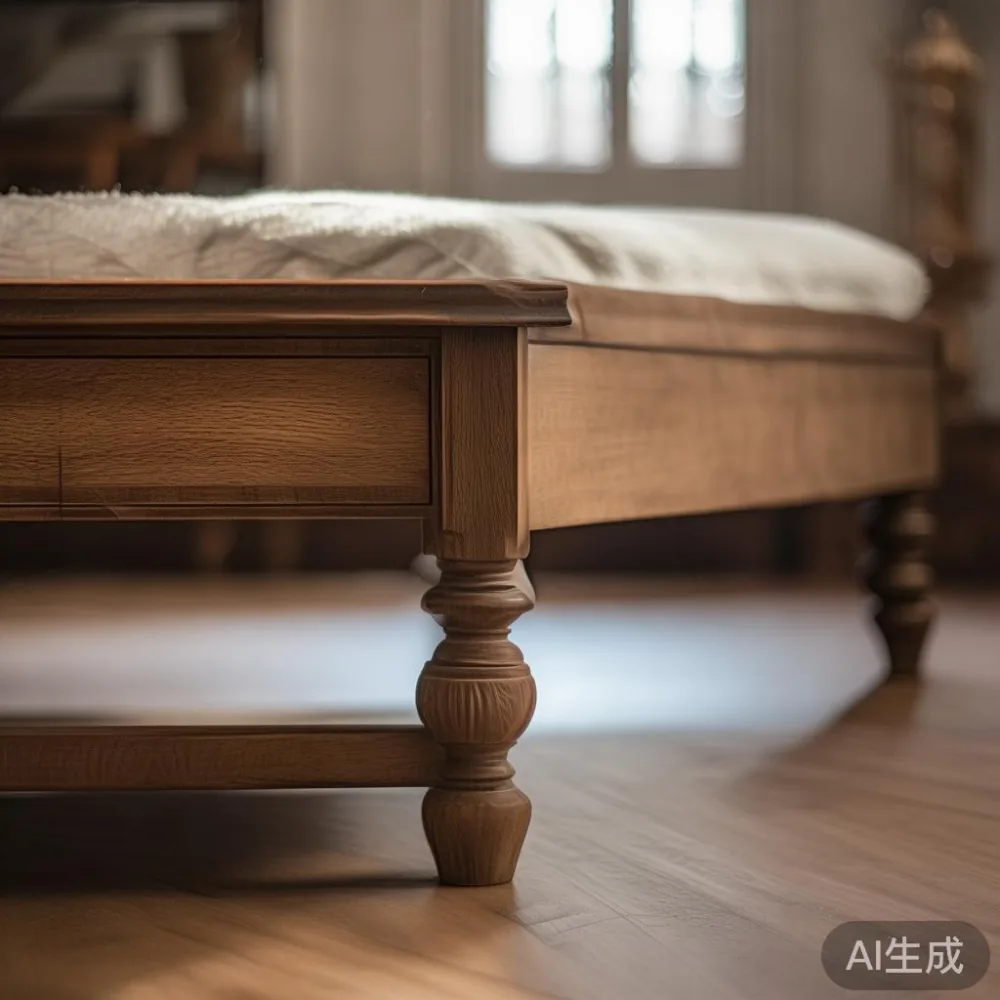
The '10-year structural warranty' is a common and powerful claim, but its meaning can be surprisingly narrow. When a warranty guarantees the structure of a piece like a bed frame or dining table, it is typically referring to the integrity of the frame itself. This means the warranty covers joints that fail due to poor workmanship, not the wood itself. For instance, if a leg on your solid wood bed frame snaps clean off because a joint was improperly glued or the wood was undersized, that is a structural failure. However, if the leg cracks because a heavy person jumped on the bed, or if the wood warps due to extreme humidity in your bathroom area (a common issue in Singapore HDBs), this is often considered misuse or environmental damage, and may not be covered.
My colleague recently learned this the hard way. He purchased a dining table from a reputable Singaporean brand. After 18 months, one of the table legs split vertically. He was shocked to find his warranty claim denied. The warranty explicitly stated it did not cover 'cracks or splits resulting from natural wood movement, humidity, or temperature changes.' The manufacturer argued the wood had simply expanded and contracted too much in Singapore's climate. This highlights the importance of reading the 'exclusions' section with a fine-tooth comb. A good warranty will specify the environmental conditions it covers, while a vague one leaves you exposed. For a coastal-style home, where materials are chosen for their ability to withstand a relaxed, breezy atmosphere, understanding how humidity affects your solid wood furniture is paramount to knowing what your warranty truly protects.
Is 'Lifetime' Refinishing Really for Life? The Fine Print on Surface Care
The 'lifetime refinishing warranty' sounds like a golden ticket, promising your furniture will look new forever. In reality, this is often one of the most misunderstood and conditional warranties available. A 'lifetime' warranty usually refers to the original finish of the furniture, not the piece itself. It promises that if the original factory-applied finish fails due to defects in materials or workmanship, the manufacturer will provide the materials and instructions for refinishing it. This is very different from offering to send a professional to your home to refinish your sofa or dining table for you. The cost of labour, which can easily exceed SGD 500 for a large piece, is almost never included.
p>Also, these warranties come with a long list of conditions. The finish is typically only covered if the furniture has been 'properly maintained'—a term that can be interpreted broadly. This usually means the furniture has been cleaned with specific, non-abrasive products recommended by the manufacturer. Using the wrong cleaning spray on your marble table, for example, could void the finish warranty. Sunlight exposure is another common exclusion. If your coastal-style living room gets direct afternoon sun, and the wood on your solid wood sofa fades, this is often considered 'environmental damage,' not a defect in the finish. A warranty might state that the finish is only guaranteed for 3-5 years if the furniture is placed in direct sunlight, effectively nullifying the 'lifetime' promise for many Singaporean homes with large windows.What's Not Covered? The Most Common Warranty Exclusions
Every warranty has a section dedicated to exclusions, and this is where you'll find the traps that can invalidate your claim. Knowing these common pitfalls can save you a world of grief. The most universal exclusion is 'damage due to misuse or abuse.' This covers a broad range of scenarios. Scratches on a marble table from moving it, dents on a solid wood sofa from jumping on it, or water rings left by a forgotten drink are all considered misuse. The warranty is designed to cover manufacturing defects, not accidents or poor handling.
p>Environmental damage is another major category. As mentioned, warping, cracking, or fading due to exposure to humidity, sunlight, or extreme temperatures is typically excluded. For a coastal-style aesthetic, which often incorporates light-coloured woods and natural materials, this is particularly relevant. A warranty might specify that the furniture must be kept in an environment with a humidity level between 40% and 60%. In Singapore, where humidity often hovers around 80%, this can be a difficult, if not impossible, standard to meet, potentially leaving your warranty protection a hollow promise.p>Normal wear and tear is also a standard exclusion. This refers to the gradual deterioration that occurs with regular use over time. A slight softening of the cushions on a sofa after years of sitting, or the development of a patina on a solid wood dining table, is considered normal wear and not a defect. The warranty is for unexpected failures, not the natural aging process of the furniture.How to Choose a Furniture Brand with a Warranty You Can Actually Trust
Given the potential complexities, how do you choose a brand whose warranty you can rely on? Start by looking for transparency. A reputable company, like a Foshan furniture maker with over a decade of experience, will provide a clear, easy-to-read warranty document on its website, even before you make a purchase. Vague or overly promotional language is a red flag. Look for specific details: exact coverage periods, clear definitions of 'structural' and 'finish,' and explicit lists of both covered items and exclusions.
p>Consider the brand's history and reputation. A company established in 2008 that exports to 15+ countries has likely dealt with a vast number of customer scenarios and has refined its warranty and service protocols accordingly. A 10-year structural warranty is a significant commitment; a fly-by-night operation is unlikely to offer such a guarantee. Look for brands that stand behind their products with more than just words. For example, a brand that offers free shipping over SGD 350 and a 14-day return policy demonstrates confidence in its quality and a customer-centric approach, which often extends to its warranty service.p>Finally, ask questions. A good sales representative should be able to explain the warranty in simple terms. You can ask specific questions like, 'If my solid wood nightstand gets a scratch from my cat, is that covered?' or 'Does the 10-year warranty cover the frame if I move house and have to disassemble and reassemble it?' The way a company responds to these questions can tell you a lot about its integrity and the true value of its warranty.