Lacquered Furniture Care for Singapore Homes
Lacquer can give a solid wood sofa, bed frame, dining table, wardrobe, or nightstand a refined, light-luxury finish. It also makes coastal style furniture easier to maintain than a bare, open-grain surface, because the sealed top layer resists many spills and stains. In Singapore, however, heat, humidity, ultraviolet light, lifted-dust, and frequent wiping can still affect lacquer over time.
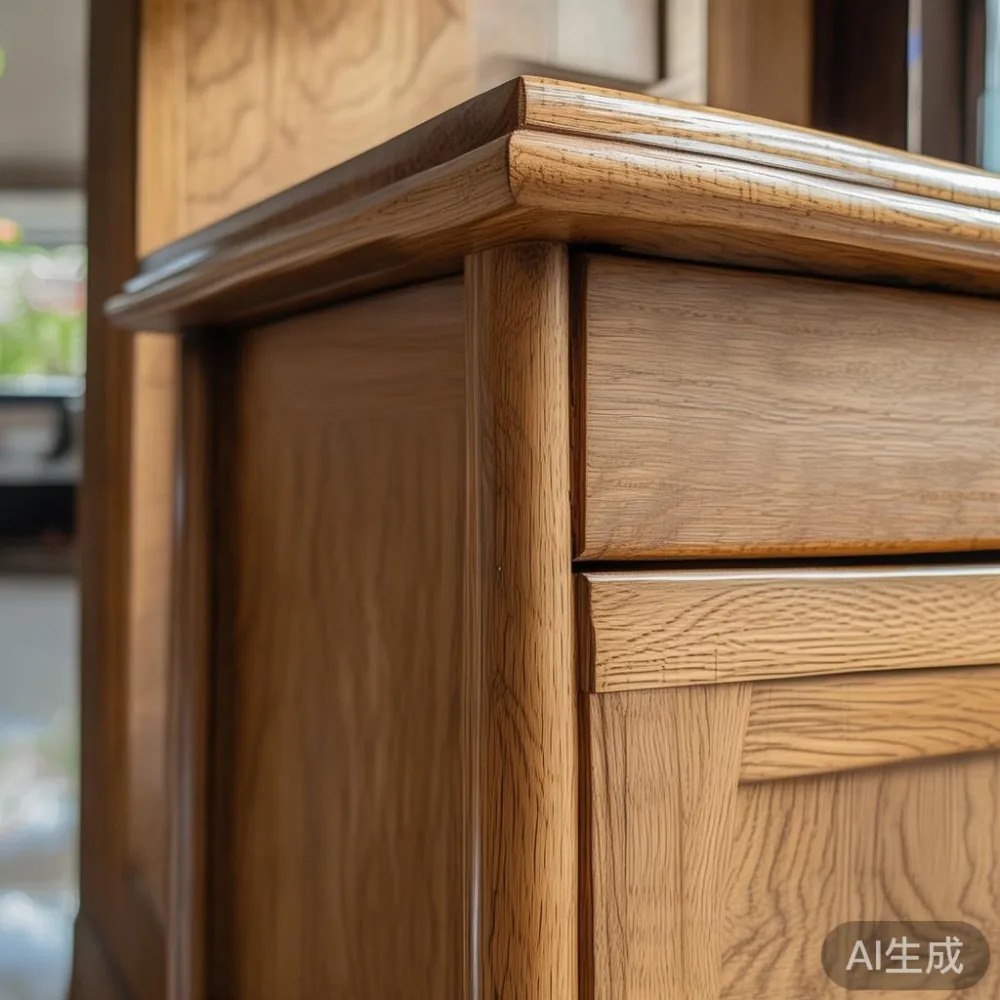
This guide focuses on lacquer care for homes in Tampines, Bedok, Punggol, and other HDB flats or condos. It covers daily cleaning, monthly checks, coastal-style precautions, and practical answers for narrow corridors and compact lifts. Product examples include a lacquered oak dining table, a walnut-finished bed frame, a pale wardrobe, and a marble table whose stone surface must be treated separately from its lacquered timber sections.
Why does tropical humidity affect lacquered wood furniture?
Singapore’s warm, humid conditions keep moisture in the air. Lacquer is less permeable than unfinished timber, but its wood substrate can still respond slowly as humidity changes. A surface may feel dry in the morning and slightly tacky after several hours beside an open window.
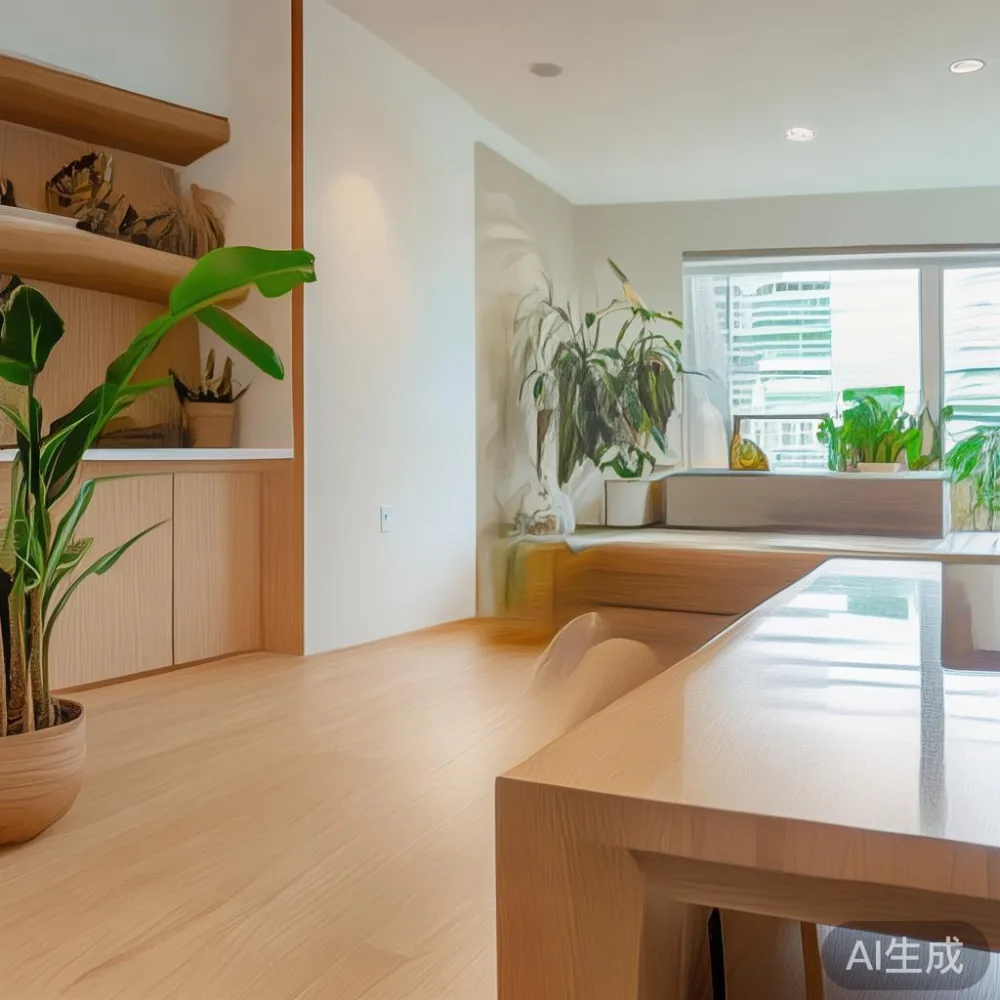
Keep room conditions sensible when practical. Around 23–29°C and 40–65% relative humidity are comfortable ranges for many interiors. In an unair-conditioned HDB flat during the wetter periods, use air conditioning or a dehumidifier where available. In a condo, do not place lacquered furniture against a west-facing window that receives direct afternoon sun. A window can raise the surface temperature by more than 10°C on a clear day, causing lacquer and timber to age at different rates.
Maintain a gap of at least 30 cm from exterior glazing, radiators, air-conditioning outlets, and kitchen cooking areas. For corridor and lift planning, check the packaged dimensions before delivery: a dining table carton over 210 cm long may not fit diagonally through a tight common corridor. Confirm the stairwell and lift door dimensions, plus the route from the loading point, because a compact item can still be awkward when doors open only 70–80 cm.
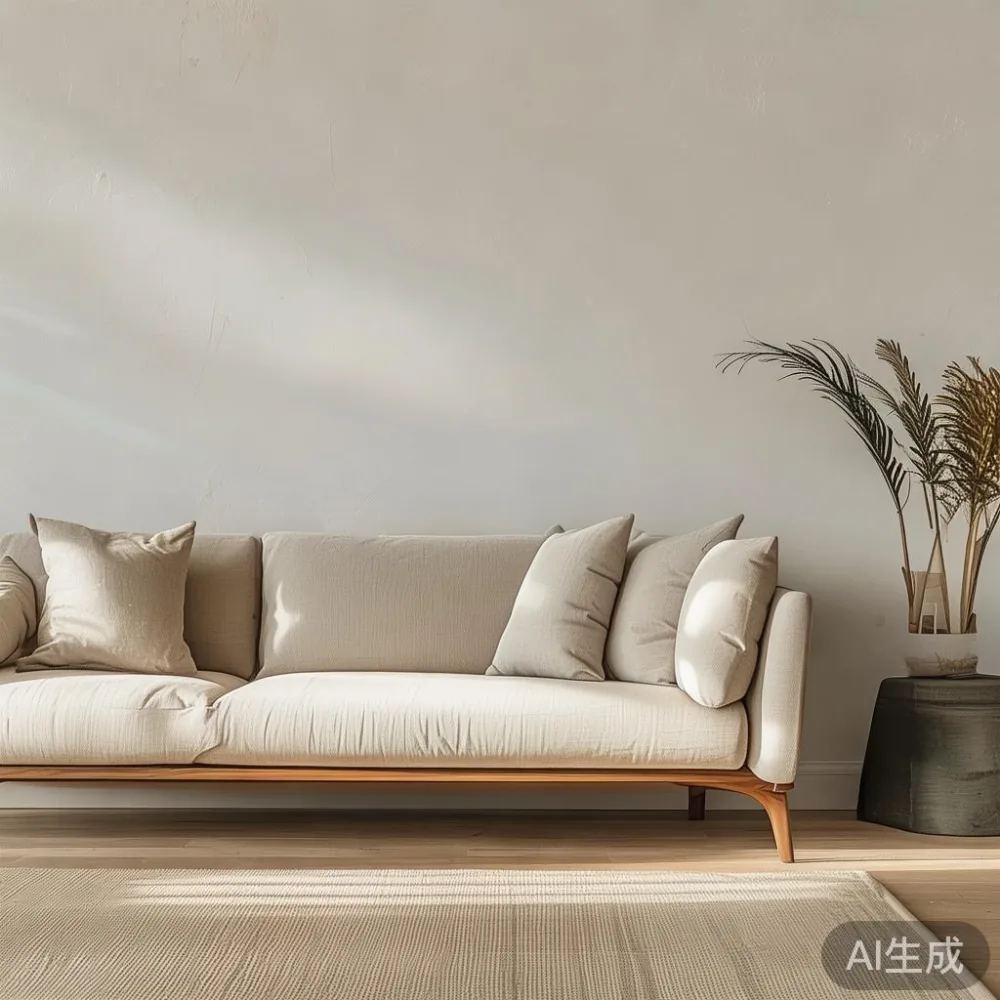
MIDHILL furniture can be configured around access needs rather than room labels alone. For a narrow Tampines flat, a 140–160 cm dining table may be more manageable than a 200 cm model. Its solid wood structure and sealed lacquer still need sensible environmental control; warranty coverage does not mean that standing water, direct sunlight, or chemical attack is harmless.
How should I clean a lacquered surface each week?
Start with a dry, microfibre cloth. Dusting twice a week is useful in busy HDB corridors where fine particles settle quickly. Wipe in the direction of the grain and avoid circular scrubbing. A cloth should be clean enough to leave no visible grit behind; lightly damp cloths can redistribute dust and create fine scratches.
For ordinary marks, dampen a separate microfibre cloth with plain water and wring it until it is only slightly moist. The cloth should not drip. Wipe once, then immediately dry with a second cloth. This method suits lacquered timber dining tables, bedside surfaces, wardrobe doors, and the timber base of a marble table. It is preferable to flooding a joint, edge, or panel seam.
Use diluted neutral detergent only when a mark does not come away with water. Put 1 teaspoon of mild dish soap into a bowl containing 1 litre of water, mix gently, and apply the solution to the cloth rather than the furniture. Wipe a hidden 5 cm area for 5 minutes, check the finish, and dry it. Avoid ammonia, bleach, alcohol, solvent, acidic glass cleaner, and “natural” oil products. They can dull lacquer, soften a cured film, or leave an oily patch that attracts dust.
Spills should be removed promptly. Blot water, juice, coffee, wine, or sauce with a dry cloth; do not rub. If a sticky ring remains, use the damp-cloth method the same day. For grease, a small amount of the diluted neutral solution may help, followed by careful drying. Never use a razor blade, steel wool, scouring pad, or abrasive powder on lacquer. A scratch that catches a fingernail needs assessment, while a shallow mark in the clear coat may respond to careful polishing.
How often should I condition or polish lacquer?
Do not treat lacquer like oiled wood. A monthly visual check is sensible; apply polish only when the finish is clean, dry, and visibly dull. Oil can collect along joints and attract dust, while an overly rich product can make pale coastal style timber look yellow.
Choose a product specifically labelled for lacquered or finished furniture, and follow its instructions. Test it on an underside or rear panel for 24 hours. Apply a very thin film with a soft cloth, remove residue, and compare the result under daylight and warm room lighting. Over-polishing can create patches and reduce the evenness of the finish.
For a bedroom in Bedok or Punggol, inspect the lacquer on a solid wood bed frame every 3–4 months. Look for 2–3 mm gaps at joints, dull patches, or slight colour change. For a wardrobe, inspect the edges of doors every 2–3 months because hand contact exposes the finish repeatedly. A dining table needs closer attention after meals, perhaps weekly, even if the rest of the room is tidy.
Design can affect care. A French light luxury wardrobe with moulded details has more edges and recesses to dust than a plain slab door. American light luxury styling may use darker timber and reflective metal details, where fingerprints and water spots are noticeable. Post-modern light luxury often combines clean lacquer planes with stone or metal; each material requires its own cleaning method.
Coordinate access and protection when choosing a replacement piece. Measure the lift, corridor, bedroom door, and turning space before ordering. Allow at least 5 cm clearance around a large wardrobe door when opening it, and ensure a 60 cm walkway remains where possible. These practical details matter as much as the finish colour.
What should I do about heat, sun, spills, and mould risk?
Heat and light are long-term hazards. Use blinds, curtains, or UV film that blocks a meaningful portion of direct sun. Keep furniture at least 30 cm from windows when possible. A lacquered nightstand beside a bed should not be placed directly under a south-facing window if the top becomes warm to the touch. In a west-facing condo living room, curtains during the hottest 3 hours can reduce fading and heat stress.
Blinds alone may not control reflected light through a glass balcony door. If pale solid wood is exposed, consider a sheer curtain plus an opaque panel rather than relying on one dark blind. Avoid leaving a dining table beneath an open roof link or near a permanently damp wall. Wipe condensation from nearby surfaces before it reaches lacquer joints.
For coastal style interiors, the pale palette does not remove moisture risks. Salt carried inland on shoes, damp laundry, and wet umbrellas can introduce grit and water. Use a mat at the entry, wipe shoes at the door, and do not dry damp towels on a lacquered wardrobe or bed frame. Keep at least 20 cm between the furniture and a laundry basket when possible.
A marble table needs separate attention. Stone is less affected by water than lacquered timber, but acidic liquids can etch marble. Blot spills immediately and do not leave lemon juice, vinegar, wine, or acidic cleaners on the top. Keep the lacquered frame dry while cleaning the stone. If the table is marble-topped and timber-based, avoid moving it by the stone overhang; support the structure and check for loose fittings.
MIDHILL coffee table examples should be treated with the same discipline as other finished pieces. If a coast table carries a lacquered drawer, open and inspect it every 2–3 months. Use a tray for keys, coasters, and hot dishes where possible. A tray reduces rings and gives the table a deliberate coastal style accent without adding clutter.
How can I make small apartments look open without damaging the furniture?
Small living rooms benefit from measured furniture and clear routes. Leave 75–90 cm between a dining table and a sofa where people pass behind seated guests. In an HDB living room, choose a bed frame no wider than the available wall run after allowing 5 cm for assembly and skirting clearance. For wardrobes, check whether sliding doors suit a narrow bedroom better than hinged doors.
For compact layouts, Mid-century modern for small living room is a useful design direction when paired with simple shapes and light timber. Keep the palette to 2–3 main colours, and use a rug with a 20–30 cm exposed edge on each side of a sofa where space permits. Avoid placing lacquered furniture directly under a damp window or against a sunlit balcony wall.
Japanese for small living room styling can support a calmer approach through low visual clutter, pale timber, and restrained storage. A solid wood sofa with a removable seat cushion is easier to move for cleaning than a very heavy fixed-frame model. A compact dining table with rounded corners can improve circulation, but rounded edges still need careful packing through lifts.
For bedroom styling, how to style French provincial bed in apartment is less about adding decoration than controlling scale. A carved bed frame with 10–15 cm details can look out of proportion beside a 120 cm wall or a 70 cm lift door. Choose a design that leaves 60 cm on at least one side, then protect the lacquered headboard from sunlight and frequent contact.
For a practical storage question, best Industrial wardrobe for 2026 means checking the installation method, clearances, and finish care rather than relying on a trend label. Industrial-style wardrobes may combine dark metal and lacquered wood; metal can show fingerprints while lacquer can dull under harsh cleaners. Separate products for each material and confirm that the delivery route suits your building.
What does a careful lacquer inspection look like after 1 year?
I tested a lacquered sample in my own Singapore home last month, placing one pale panel beside a west-facing window and another inside a dry bedroom. After 14 days of afternoon sun and changing humidity, the window-side sample showed a slightly warmer colour and developed a faint mark that wiped away. The bedroom sample remained even after repeated water and diluted soap cleaning. The test confirmed that light control and immediate spill removal matter more than frequent polishing.
At the 1-year mark, inspect furniture under daylight, a soft white lamp, and warm evening light. Look for fading bands, yellowing near joints, whitening at edges, bubbles, cracking, or a dull sticky feeling. Move a clean fingernail lightly across a mark; do not press hard enough to damage the film. Photograph any change with a ruler beside it and record the date.
Minor fingerprints can sometimes be removed with a dry microfibre cloth. Fine scuffs may need a lacquer-compatible treatment, but deep gouges, lifting, or cracks require professional assessment. Do not try to conceal a structural joint problem with polish. A solid wood bed frame or dining table that has moved should be checked at its fixings, not simply made shinier.
Protection is part of the product’s long-term value. A 10-year structural warranty addresses construction, not every cosmetic change caused by sunlight, moisture, or misuse. Ask for care instructions in writing, retain the finish specification, and keep furniture away from direct heat. For refinishing, follow the supplier’s process and test any colour-matching work on a concealed section.
How should I arrange delivery, returns, and maintenance in an HDB or condo?
Measure before dispatch, not after the carton arrives. Record the furniture dimensions, package dimensions, lift capacity, doorway width, corridor turns, and any staircase restrictions. A solid wood sofa may weigh 70–100 kg, while a dining table may exceed 80 kg depending on its size and timber. Check that the lift can carry the packed weight and that two or more people can manage the route safely.
For Singapore homes, delivery timing should include 2–5 working days for a ready item, though building access and peak periods can change the schedule. Confirm whether the quote includes GST; a displayed SGD 1,200 price before GST becomes approximately SGD 1,248 at the current 4% rate. Free shipping thresholds and return terms should be checked against the order total, including any applicable charges.
Leave furniture acclimatised in its room before tightening small fittings if the supplier recommends it. Do not place a lacquered wardrobe against a damp exterior wall, and do not drag a dining table across a tiled floor. Use felt pads under suitable legs, keep them 2–3 mm away from pooled water, and inspect them every 3 months.
A 14-day return policy is useful for checking scale and finish in the actual room, but it does not protect furniture from damage caused after delivery. Photograph the condition on arrival, remove packaging carefully, and retain accessories such as hinges, handles, felt pads, and care instructions. For a 14-day return, follow the stated condition requirements precisely.
Choose finishes that fit the way you live. Pale coastal style wood shows dust and spills clearly but can make a compact room feel lighter; deeper lacquer disguises small marks while requiring careful removal of oily fingerprints. Marble table surfaces need acid awareness, and lacquered timber needs restraint with water and solvents. With a 5-minute weekly wipe, a 2-minute monthly check, and sensible distance from sun and damp, lacquered furniture can retain its clean lines through Singapore’s changing seasons.
MIDHILL’s coastal style approach works best when the finish, proportions, and building route are considered together. Measure in centimetres, plan in kilograms, compare prices in SGD including GST, and give the surface time to be inspected before decoration is placed around it. That practical rhythm helps a dining table, bed frame, wardrobe, nightstand, or coffee table remain suitable for years of everyday use.